Greywater Costs in 2026: Rebates That Deliver Substantial Returns
Summary Box
National average cost: $4,200
Typical range: $2,500 to $7,800
Low end: $1,200 for a basic laundry-to-landscape configuration
High end: $15,000 for a comprehensive whole-house system featuring irrigation automation
Time to complete: 2 to 5 days for installation, including permitting processes
DIY or Pro: DIY feasible for single-fixture setups; professional expertise essential for systems integrated with existing plumbing
ROI or resale impact: Potential for 40 percent reduction in water bills in arid areas; moderate enhancement to property resale value
Updated: March 2026
Cost Factors
Scope and Size
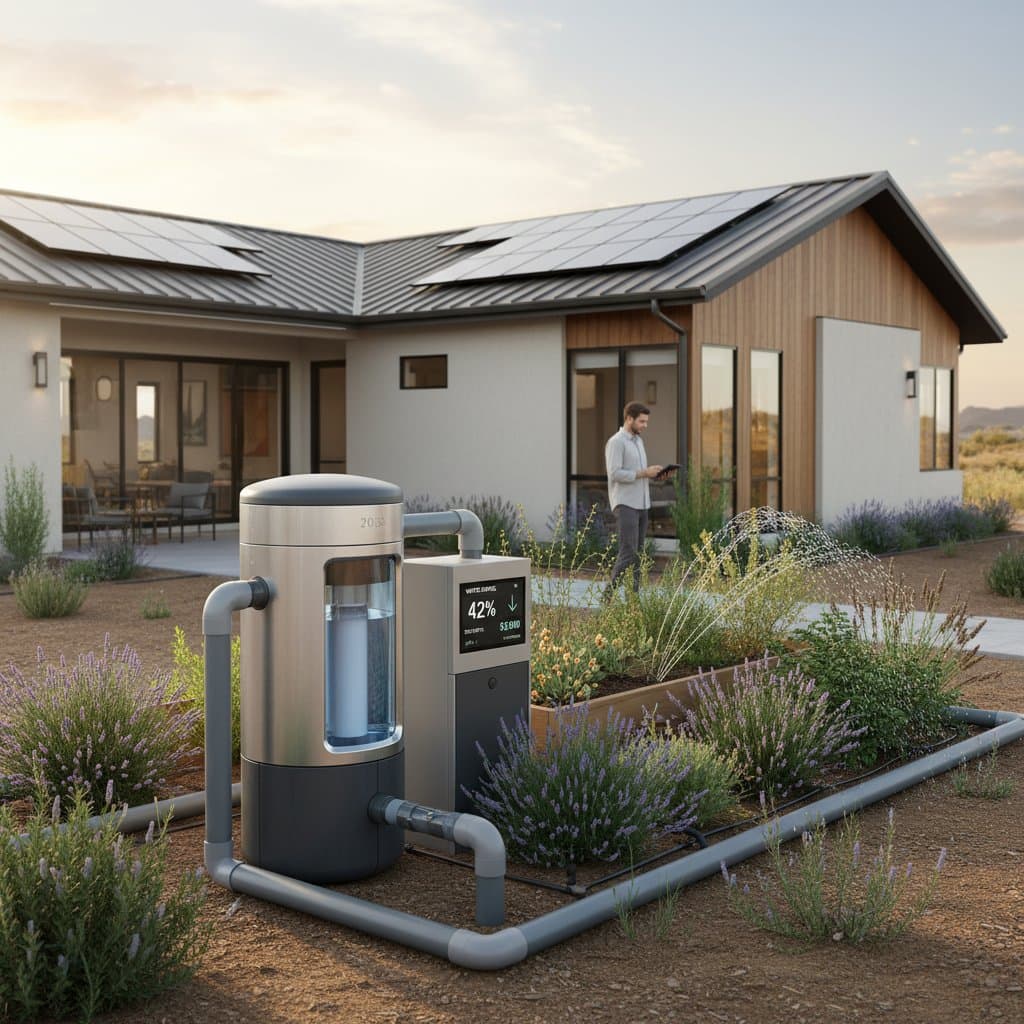
The scale of a greywater system significantly influences expenses. A setup that redirects water solely from a laundry appliance incurs lower costs compared to a full-home integration. Factors such as the quantity of connected fixtures, overall pipe length, and irrigation capacity determine pricing. Expanded systems demand larger storage tanks and more powerful pumps, elevating both material and labor requirements.
Material Grade and Finish
Standard PVC piping offers affordability but demonstrates reduced durability in outdoor environments. High-density polyethylene (HDPE) provides superior resistance to ultraviolet exposure and extended service life. Premium filters and pumps command higher prices yet minimize ongoing maintenance needs and reduce the risk of blockages. Options like decorative tanks or those designed for burial further increase the total investment.
Site Conditions and Accessibility
Projects involving shallow trenching through loose soil prove more economical than those requiring excavation in dense clay or concrete. Properties with established landscaping or constrained yard areas often incur additional fees for precise routing to avoid disruptions. Access challenges, such as navigating crawl spaces or slab foundations, extend labor duration and raise costs.
Labor Market and Season
Regional variations in plumbing labor rates play a key role. Arid zones enforcing rigorous water conservation regulations may feature a limited pool of certified installers, resulting in elevated quotes. Opting for installation during cooler seasons yields savings, as demand for irrigation-related work diminishes.
Custom Work and Change Orders
Incorporating features like automation controls, multiple irrigation zones, or connections to rainwater harvesting can effectively double the budget. Adjustments during installation, such as relocating tanks or enlarging pipe diameters, generate supplementary charges for additional materials and excavation.
Strategies to Minimize Costs Effectively
Practical Substitutions
Homeowners can achieve savings by forgoing unnecessary components. Eliminate storage tanks if the yard's natural slope supports gravity-fed distribution, thereby avoiding expenses for pumps and electronic controls. Integrate with pre-existing irrigation networks to shorten trenching requirements. Employ mulch basins in place of subsurface drip emitters; these alternatives cost less and simplify cleaning procedures. Choose manual valves instead of automated systems when direct oversight of water flow remains practical.
Preparation Sequences That Cut Labor Time
Thorough planning precedes excavation. Contact local utility locating services to mark underground lines before any digging commences. Assemble all necessary fittings and adapters on-site prior to work. Pre-fabricate pipe sections to streamline assembly in confined areas. For retrofit installations, clear vegetation and obstacles early to facilitate unobstructed access.
Timing and Project Bundling
Schedule installations during off-peak months when soil conditions improve workability and contractor availability increases. Pair greywater projects with complementary outdoor improvements, such as installing drip irrigation or addressing drainage issues. Consolidating tasks allows shared trenching efforts, which distribute costs more efficiently.
Evaluating Multiple Quotes
Solicit bids from at least three qualified providers to ensure competitive pricing. Request detailed breakdowns in each proposal. Utilize this structured checklist for thorough comparison:
Quote Comparison Checklist
- Itemized scope covering each fixture and irrigation zone
- Specified material grades and brands
- Inclusion of surface preparation and site cleanup
- Coverage of permit fees and waste disposal
- Defined warranty conditions and project timeline
- Milestone-based payment terms
Detailed proposals reveal potential hidden fees related to trenching specifications, soil management, or final site restoration.
Step-by-Step Guide: Implementing a Basic Laundry-to-Landscape System
Prioritize safety throughout the process. Shut off electrical power to the washing machine prior to any plumbing modifications. Equip yourself with gloves and protective eyewear when handling pipes or tools. Adhere strictly to guidelines provided by manufacturers for valves and connectors.
Essential Tools for DIY Installation
Required tools
- Adjustable wrench
- PVC cutter or hacksaw
- Drill equipped with a hole saw bit
- Teflon tape
- Shovel
Optional tools
- Trenching spade for garden use
- Hose clamps
- Level
Safety equipment
- Nitrile gloves
- Eye protection
- Dust mask for operations in arid soil
Installation Steps
- Map the pathway. Determine the washing machine drain's exit point from the structure. Select irrigation destinations positioned downhill to leverage gravity.
- Incorporate a diverter valve. Section the drain line and install a three-way valve. Configure one port to maintain sewer connection, with the alternate directing flow outdoors.
- Extend lines to the exterior. Deploy flexible PVC or HDPE tubing suitable for greywater transport. Maintain a minimum slope of one inch per eight feet to promote self-draining.
- Construct absorption areas. Excavate shallow depressions around target plants and layer with coarse wood chips. Design ensures rapid infiltration without surface ponding.
- Conduct testing. Initiate a full wash cycle to verify functionality. Inspect for leaks and assess distribution uniformity. Fine-tune valve positions if distribution proves uneven.
- Secure and identify components. Affix labels reading "Non-potable greywater" to valves and lines. Anchor tubing firmly to resist movement from environmental factors.
This straightforward configuration generally totals less than $1,500 when executed independently.
Maintenance and Lifespan
Greywater systems demand consistent upkeep to sustain performance and extend durability. Schedule filter cleaning every three to six months to eliminate accumulations of lint, hair, and sediment that could impede flow. Perform annual inspections of pipes, valves, and connections to detect early signs of leaks, corrosion, or structural wear, particularly following periods of intense rainfall or soil shifts.
In water-limited environments, regularly evaluate irrigation zones for optimal soil saturation. Refresh mulch layers in basins annually to preserve absorption efficiency and prevent compaction. Address any vegetation overgrowth near outlets promptly to avoid blockages. Basic gravity-based systems endure 20 to 30 years with diligent care, whereas those incorporating mechanical pumps or advanced filtration may require part replacements every 10 to 15 years. Professional servicing every two years ensures compliance with local codes and maximizes system reliability.
Achieving Long-Term Benefits
Investing in a greywater system positions homeowners for enduring financial and environmental gains. Beyond the immediate 40 percent drop in water utility expenses, these installations contribute to heightened property appeal in regions prioritizing sustainability. Enhanced landscaping from efficient irrigation fosters resilient gardens that thrive despite scarcity. Over time, rebates and energy savings compound, often recouping initial outlays within five to seven years. By integrating greywater practices, individuals support broader conservation efforts while securing a more self-sufficient household.