The 2026 Costs of Climate-Resilient Landscaping
Quick Take
- Plan for expenses between $6 and $20 per square foot when creating a climate-resilient yard.
- Factors such as soil preparation, selection of plant varieties, and irrigation systems influence the total cost.
- Benefits include reduced water bills, decreased need for plant replacements, and enhanced visual appeal of the property.
What It Is
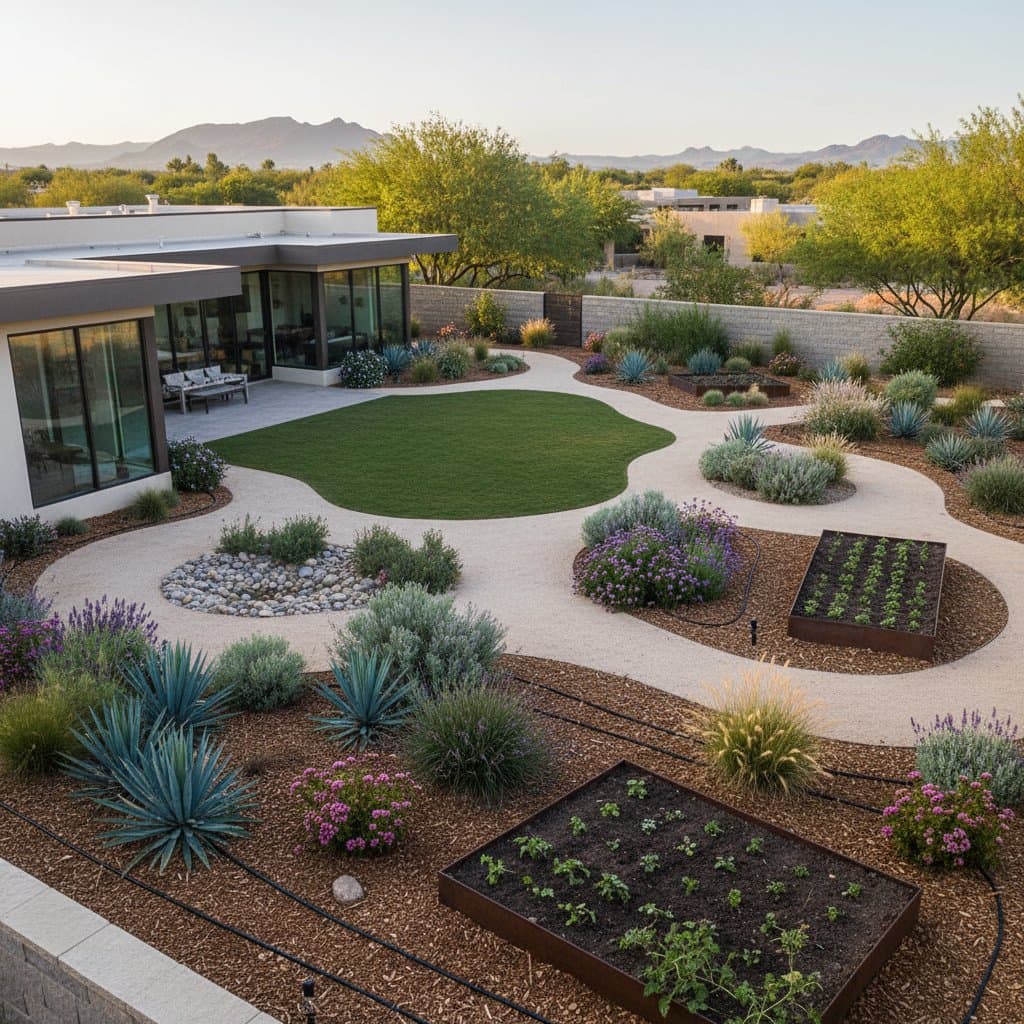
Climate-resilient landscaping refers to the design and implementation of outdoor spaces that withstand extreme weather conditions. This approach incorporates native plant species, efficient irrigation methods, and soil management techniques that retain moisture while preventing erosion. Such landscapes adapt to local climates, whether arid, humid, or prone to fluctuations, ensuring long-term sustainability.
Pros and Cons
Pros
- Water consumption decreases by as much as 50 percent compared to traditional lawns.
- Requirements for mowing and fertilizing diminish significantly over time.
- Runoff pollution reduces, and soil erosion becomes minimal.
- Biodiversity increases, providing habitat for pollinators and local wildlife species.
Cons
- Initial investment exceeds that of standard grass lawns or conventional flower beds.
- Certain regions mandate permits for installing new irrigation systems.
- Plants require several seasons to mature and fully stabilize the surrounding soil.
When It Works or Fails
Use it when:
- Residence is in areas susceptible to drought or frequent flooding.
- Municipal regulations offer incentives for water-conserving landscape features.
- Desire exists for minimized ongoing upkeep and environmental impact.
It can fail when:
- Soil testing or proper drainage assessment is overlooked.
- Plant selections do not match the specific hardiness zone of the location.
- Irrigation setups fail to deliver water slowly and deeply to roots.
Step-by-Step
Tools and materials: Include a shovel for digging, a rake for leveling, a wheelbarrow for transporting materials, organic mulch to retain soil moisture, a drip irrigation kit for efficient watering, landscape fabric to suppress weeds, regionally appropriate native plants, and amendments like compost or gypsum for soil improvement.
Time: Completion takes one weekend for yards under 500 square feet; larger full-yard transformations require up to one week.
Difficulty: Moderate, suitable for individuals with basic gardening experience.
- Test soil. Analyze pH levels and drainage capacity using a simple home kit or professional service. Incorporate compost to enrich nutrient-poor soil or sand to enhance drainage in compacted areas.
- Plan layout. Organize plants into zones based on their water requirements, positioning thirstier species closer to the home for easier access to hose connections.
- Remove turf. Employ a sod cutter for quick removal or solarization by covering grass with clear plastic for four to six weeks to kill it naturally. Transport removed sod to a designated green waste facility for proper disposal.
- Install irrigation. Position drip lines or soaker hoses along planned planting areas, ensuring coverage reaches all root zones. Conduct a test run to verify uniform water distribution without leaks.
- Plant. Dig holes twice the width of root balls and space plants according to their expected mature dimensions to avoid overcrowding. Provide a thorough initial watering to settle roots into the soil.
- Mulch. Apply a layer of two to three inches of organic material around plants, keeping it away from stems to prevent rot and effectively suppress weed growth.
- Inspect. After two weeks, evaluate soil moisture levels and tweak irrigation timers or emitter positions as needed to optimize performance.
Costs
Typical range: Investments fall between $6 and $20 per square foot, covering labor, materials, and basic design elements.
Costs rise when incorporating features like large decorative boulders, automated irrigation controllers with sensors, or custom landscape architecture plans.
Costs drop through self-performed labor, utilization of utility company rebates for native plants, or sourcing recycled mulch from local suppliers.
Replace turf if annual water usage continues to climb or if bare patches persist despite regular care, signaling the need for a more adaptive design.
Detailed breakdowns reveal that soil amendments account for 20 to 30 percent of expenses, plants and mulch add another 40 percent, and irrigation systems contribute the remainder. In regions with high labor rates, professional installation can push costs toward the upper end, while DIY efforts in milder climates keep them lower.
DIY vs Pro
DIY-friendly if:
- Capability exists for physical tasks like digging trenches, assembling drip systems, and selecting appropriate plant placements.
- Access is available to essential tools and foundational knowledge of local soil types.
Hire a pro when:
- Significant grading or drainage modifications are necessary to address slopes or poor percolation.
- Building codes demand certified professionals for irrigation installations.
- Comprehensive design services are desired, including detailed mapping of native species suited to the site's microclimate.
Professionals evaluate site contours, water flow patterns, and regulatory compliance prior to any planting. This thorough preparation avoids issues like excessive runoff during storms or inefficient water application that leads to higher utility costs.
Maintenance or Prevention
Seasonal check: Examine all drip emitters for blockages and replace any faulty components to maintain consistent hydration.
Monthly: Remove emerging weeds promptly to prevent seed dispersal and competition with established plants.
Annual: Replenish mulch layers as they decompose and prune back overgrown woody species to promote healthy growth.
These routines preserve soil temperature regulation and fortify against erosive forces from wind or rain. Regular attention ensures the landscape remains vibrant with minimal intervention, extending its lifespan and maximizing return on investment.
Alternatives
Native meadow mix. Ideal for expansive, open yard areas where wildflowers and grasses create a natural look. Establishment occurs more slowly but demands far less intervention once rooted.
Gravel garden. Suited to intensely hot and arid environments, featuring rocks interspersed with succulents. Robust weed barriers are essential to prevent invasive growth through the stones.
Rain garden. Effective in precipitation-heavy zones, designed to capture and infiltrate stormwater. Success hinges on precise drainage engineering to handle excess water without pooling.
Each option tailors to specific site conditions, offering flexibility beyond full xeriscaping while upholding resilience principles.
Your Next Steps
Survey the yard to identify zones where water accumulates or soil erodes rapidly. Initiate changes in a single area by introducing a selection of native plants and monitoring their adaptation. Document reductions in water consumption across a full season to quantify benefits. With positive outcomes, proceed to adjacent sections, fostering a cohesive, enduring landscape that aligns with evolving climate demands.