Landscaping Strategies to Safeguard Your Home Against Wildfires
Wildfire-resistant landscaping serves as the primary barrier for homes in fire-prone regions. The objective is to interrupt fire progression by strategically placing vegetation and hardscapes that limit fuel availability. Proper implementation not only minimizes ember ignition but also provides firefighters with accessible areas to defend structures, ultimately preserving lives and property.
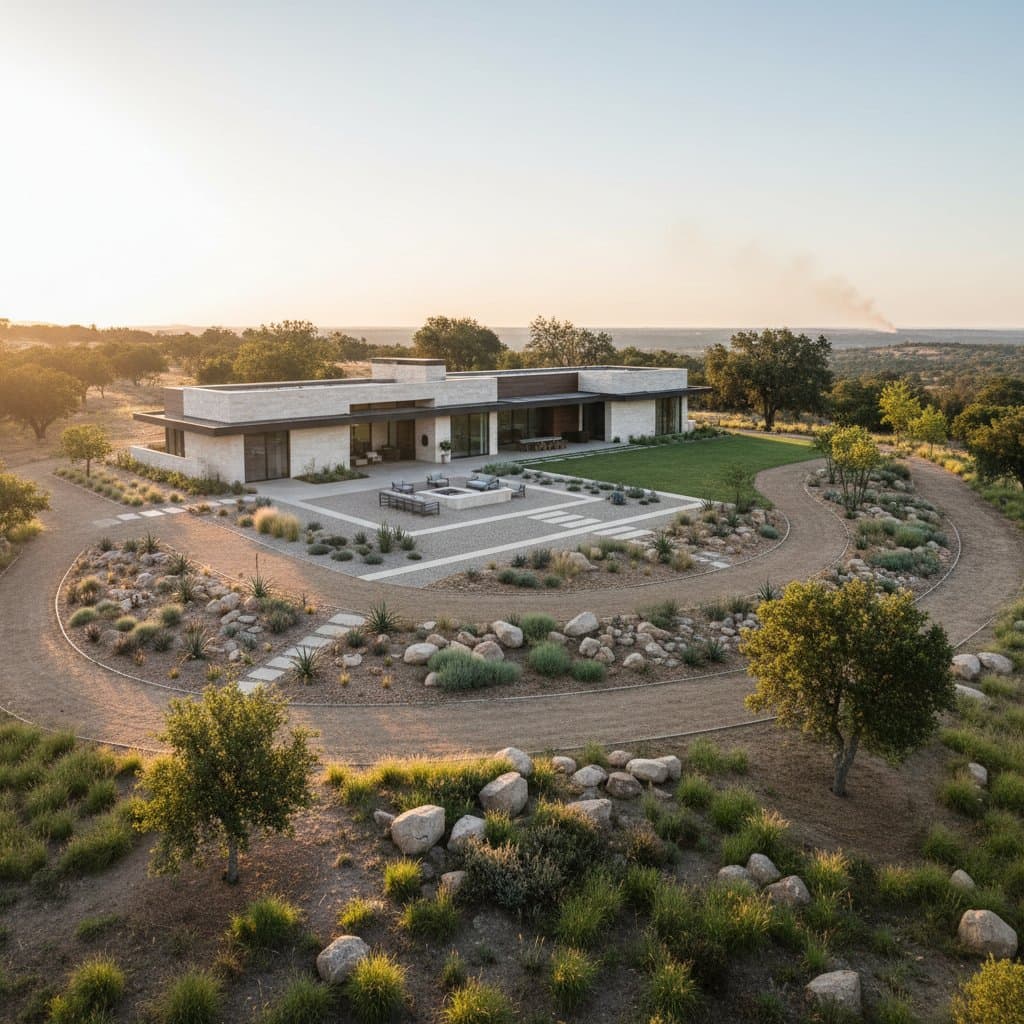
Homeowners in wildfire interfaces benefit from these practices, which align with guidelines from fire safety organizations. By focusing on three distinct zones radiating from the home, individuals can create layered defenses that slow flame fronts and reduce radiant heat exposure. This approach requires thoughtful planning but yields long-term security.
Advantages, Drawbacks, and Ideal Applications
Advantages:
- Lowers the likelihood of structure ignition by removing nearby fuel sources
- Facilitates firefighter access and operational safety during emergencies
- Enhances eligibility for reduced insurance premiums in high-risk areas
- Relies on common gardening tools for routine maintenance, keeping costs manageable
Drawbacks:
- Demands significant upfront effort for site preparation and vegetation removal
- Necessitates consistent seasonal upkeep to prevent fuel accumulation
- May involve compromises in visual appeal, particularly with the elimination of lush, dense plantings
Ideal applications: Properties in arid environments, sloped terrains, or locations adjacent to wildlands where fire risks are elevated. These zones prove especially valuable for rural homes or subdivisions bordering natural vegetation.
Detailed Implementation Guide
Before beginning, gather essential safety equipment including heavy-duty gloves, protective eyewear, hearing protection, a dust mask, and stable footwear to mitigate injury risks during outdoor work.
Verify local regulations by consulting your fire district for permits related to vegetation management, grading activities, or irrigation installations. Compliance ensures legal adherence and may qualify you for community fire mitigation programs.
-
Conduct a thorough site assessment. Walk the property to catalog potential fire fuels such as accumulated pine needles, overgrown grasses, dead branches, or stored firewood. Note proximity to structures and identify wind patterns that could carry embers. This evaluation forms the foundation for targeted modifications.
-
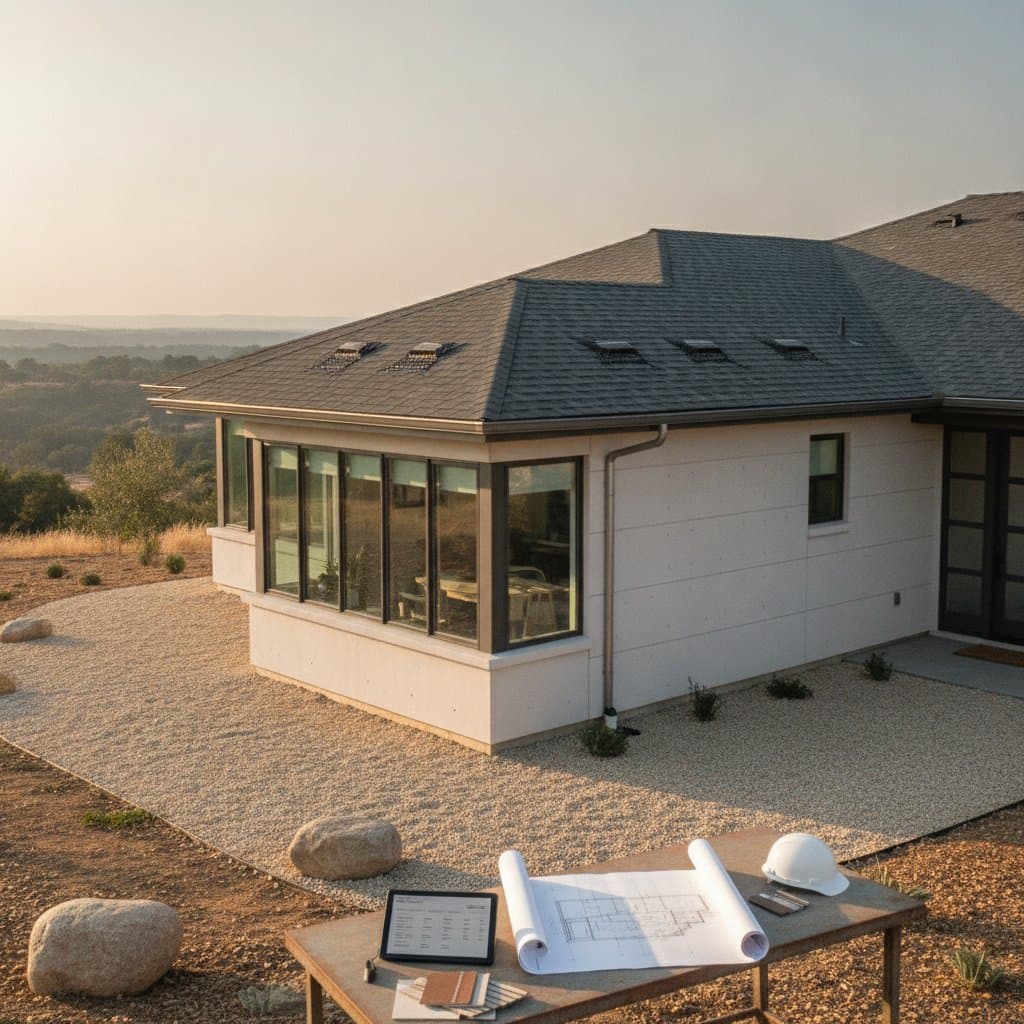
Establish Zone 1: The immediate perimeter. Clear all organic materials within five feet of any building foundation, including mulch, ornamental shrubs, and potted plants. Replace with non-combustible surfaces like concrete, gravel, or bare soil to eliminate ignition points. This lean zone acts as the home's closest shield against direct flame contact.
-
Develop Zone 2: The extended buffer. Maintain at least ten feet of separation between the tips of tree canopies and structures, while elevating lower branches to six through ten feet above ground level via pruning. Select low-growing, fire-resistant species such as succulents or native grasses that retain moisture. This zone disrupts vertical fire ladders and reduces ember accumulation on roofs.
-
Manage Zone 3: The transitional area. Thin out dense undergrowth to break connections between ground-level fuels and taller trees, removing shrubs or vines that bridge these layers. Space mature trees at least twenty feet apart to prevent canopy fire spread. Focus on creating irregular patterns that mimic natural fire breaks while preserving ecological balance.
-
Incorporate physical fire barriers. Install features like wide stone walkways, gravel borders, or low retaining walls to divide zones and halt ground fire progression. These elements reflect heat and provide moisture-retaining paths during dry spells. Position them strategically along property edges or near access points.
-
Set up efficient irrigation systems. Opt for drip lines that deliver water directly to plant roots, promoting hydration without excess that could foster fungal issues or attract pests. Integrate timers for automated operation during peak fire seasons. Healthy, green vegetation resists ignition better than drought-stressed plants.
-
Perform regular inspections and upkeep. Schedule quarterly reviews to remove fallen leaves, trim regrowth, and clear gutters of debris. Adjust based on seasonal changes, such as increased vigilance after storms. Consistent maintenance sustains the zones' effectiveness over time.
Common Pitfalls and Prevention Strategies
Avoid situating thick hedges or climbing vines beneath rooflines, decks, or windows, as these accelerate fire travel to vulnerable areas. Instead, opt for spaced, low-water plants that do not bridge to structures.
Do not permit debris accumulation near outbuildings, fences, or storage units, where it can smolder undetected. Prompt removal after storms prevents hidden fuel buildup.
Steer clear of combustible mulches like bark or peat near foundations; choose rock or decomposed granite alternatives that do not smolder. These materials resist ignition and simplify upkeep.
Ensure no overhanging branches contact roofs or chimneys, as they serve as direct conduits for flames and embers. Annual pruning maintains clearance.
Overlook cleanup at your peril, especially following high winds that scatter dry materials. Neglect transforms protective spaces into unintended fire pathways, undermining all prior efforts.
Guidelines for Professional Assistance Versus Self-Execution
Evaluate your capabilities using these criteria to determine the best approach.
-
Assess skill level: Individuals comfortable with basic tools like pruning shears, rakes, and shovels can manage initial clearing and planting in flatter areas. Advanced tasks, however, demand specialized knowledge.
-
Weigh safety considerations: Engage certified arborists or landscapers for felling trees exceeding fifteen feet or operations on steep inclines, where falls or equipment mishaps pose serious hazards.
-
Review equipment needs: Rent or purchase chainsaws, wood chippers, or small loaders only if you possess training; otherwise, professionals bring these assets efficiently. Budget for potential costs ranging from a few hundred to several thousand dollars based on project scale.
Preparation Checklist
| Category | Items |
|---|---|
| Tools | Rake, pruning saw, loppers, chainsaw (if qualified), wheelbarrow, measuring tape |
| Skills | Basic pruning techniques, soil grading, simple irrigation installation |
| Safety Gear | Heavy gloves, dust mask, safety goggles, hearing protection, sturdy boots |
| Permits | Vegetation clearance approval from local fire district, if applicable |
| Prep Tasks | Delineate zones with stakes, locate and mark underground utilities, relocate flammable items |
| Constraints | Postpone work during windy conditions or official red-flag warnings to minimize risks |
Sustaining Your Fire-Resistant Landscape
Initiate the project by measuring out the three zones with a tape measure and visual markers, prioritizing the innermost area for swift impact. Document each modification, including before-and-after photos and material lists, to support insurance claims or resale documentation.
Progress outward methodically, integrating fire-resistant natives like manzanita or yarrow that thrive in local conditions. Consult regional plant guides for species that balance aesthetics with low flammability.
Revisit the layout annually, adapting to landscape changes or updated fire codes. This ongoing commitment transforms your property into a resilient haven, empowering you and emergency responders alike.