Kitchen Appliance Costs Add Up Fast in 2025
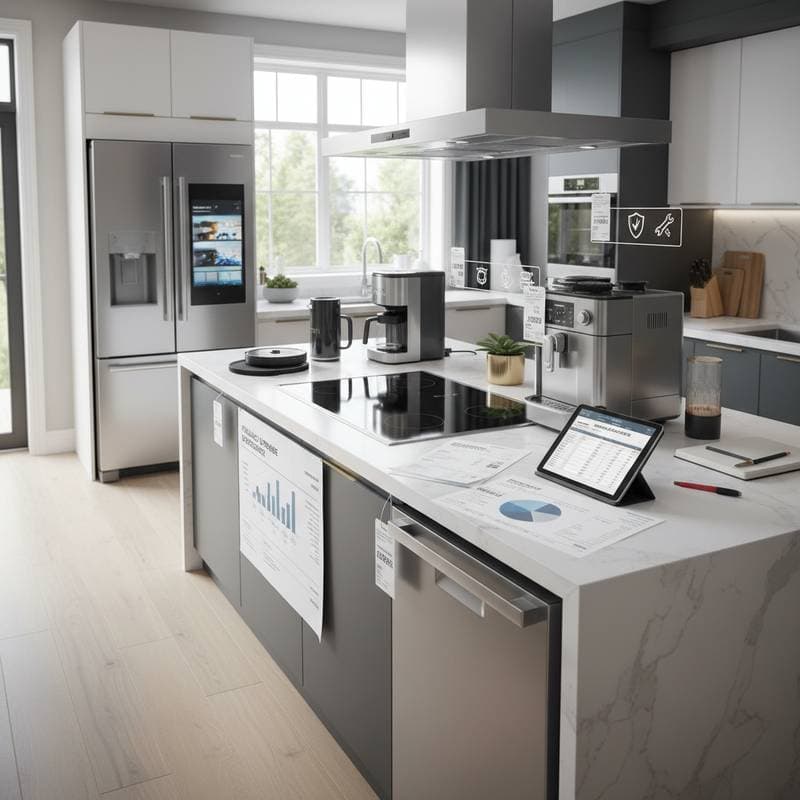
Upgrading kitchen appliances in 2025 demands careful financial planning as prices rise due to advanced technology, sustainable materials, and global supply fluctuations. Homeowners often overlook expenses beyond the initial purchase, such as delivery, installation, and ongoing maintenance. Understanding these elements helps avoid budget overruns and ensures selections align with lifestyle needs.
Basic models start at $500 for items like microwaves, while premium refrigerators exceed $3,000. Factors like brand reputation, size, and features drive variations. This overview examines key cost drivers and offers guidance to optimize spending.
Installation and Delivery Challenges
Delivery timelines in 2025 frequently extend due to high demand and manufacturing delays. Backordered items or custom orders can push wait times to several weeks. Homeowners benefit from verifying availability and scheduling in advance to prevent disruptions in daily routines.
Removal of old appliances adds another layer of expense, typically ranging from $100 to $300 per unit depending on size and location. Professional hauling services ensure safe disposal and compliance with local regulations. Coordinate these steps with new appliance arrival to minimize inconvenience.
Scheduling delays occur when appliances require custom parts or face shipping setbacks. Confirm precise delivery windows before dismantling existing setups. This precaution prevents extended periods without essential functionality, such as refrigeration or dish cleaning.
Coverage Limitations and Warranty Considerations
Manufacturer warranties vary significantly across brands and models. Most provide one year of coverage for defective parts, but exclusions apply to issues from incorrect installation, electrical surges, or user error. Extended plans extend protection to three or five years for parts, though labor coverage often ends after the first year.
Typical exclusions encompass cosmetic imperfections like dents and scratches. Failures from external factors, such as power surges or water leaks, fall outside standard terms. Normal wear on items like door handles or interior shelves receives no compensation.
Evaluate the claims process prior to buying extended coverage. Certain plans mandate pre-approval for repairs, while others require submission of service receipts for reimbursement. Select options with straightforward procedures to reduce administrative burdens.
Financial Implications and Total Cost of Ownership
The listed price of a kitchen appliance represents only the starting point. True expenses encompass installation fees, annual energy consumption, routine upkeep, and future replacements. Calculating these components reveals the real investment required.
Consider a mid-range refrigerator priced at $1,200. If it uses $70 in electricity each year, the ten-year energy total reaches $700, pushing ownership costs near $2,000 excluding maintenance. Opting for a less efficient budget model might inflate this figure despite a lower upfront cost.
Dishwashers exhibit comparable dynamics. An energy-efficient unit costs $200 more initially but reduces water and power bills by $20 annually. Within a decade, these savings offset the premium, delivering net financial benefits.
Other appliances follow suit. Ovens with smart controls demand higher electricity, while efficient ranges lower utility statements. Factor in maintenance schedules, such as filter replacements for range hoods, to project accurate long-term outlays.
Decision Framework for Appliance Selection
Approach appliance purchases with a structured evaluation to prioritize value over impulse. Focus on quantifiable metrics that predict performance and durability.
- Cost Efficiency: Assess total energy and upkeep costs across the appliance lifespan, not just the purchase tag.
- Reliability: Examine repair frequency data and user feedback from independent sources.
- Warranty Quality: Determine coverage for critical parts and note any gaps in labor or exclusions.
- Service Accessibility: Prioritize brands with nearby authorized technicians for prompt support.
- Design Compatibility: Verify dimensions, voltage needs, and integration with existing cabinetry.
Create a comparison matrix to score options. Rate each criterion on a scale of 1 to 10 for energy efficiency, initial price, warranty duration, and service record. Compute an aggregate score to guide selections based on data rather than marketing hype.
Risk Mitigation and Consumer Protection
Unexpected charges arise from ambiguous agreements or undisclosed fees. Implement safeguards to secure fair dealings and quality outcomes.
Request detailed quotes breaking down appliance pricing, labor, and supplies. This transparency prevents inflated totals at completion.
Confirm installer credentials, including licenses for electrical and plumbing tasks specific to your region. Qualified professionals reduce liability for substandard work.
Photograph current setups prior to installation. These records resolve disputes over prior damage during post-job assessments.
Scrutinize return policies, as retailers may impose 15 percent restocking fees on returned items. Understand conditions for refunds to avoid penalties.
Register warranties promptly online, often within 30 days of purchase. Activation ensures eligibility for claims from day one.
Navigating Service Plan Details
Extended service agreements impose restrictions on repair providers and availability. Repairs outside designated networks or hours may incur full out-of-pocket expenses. Scrutinize response time commitments, deductibles, and standards for part replacements.
Note overall payout limits, frequently capped at the appliance's original cost. Exceeding this threshold terminates benefits, regardless of remaining contract duration. Choose plans with flexible terms to match usage patterns.
Strategies for Securing Optimal Appliance Value
Integrate these practices to stretch budgets while acquiring reliable appliances. Begin with research into 2025 models emphasizing efficiency certifications like Energy Star ratings. Negotiate bundles for multiple purchases to lower per-unit costs.
Schedule installations during off-peak seasons for potential discounts on labor. Maintain appliances per manufacturer guidelines to extend lifespan and preserve warranty validity. These steps transform potential expenses into investments that enhance kitchen functionality for years.