Safeguard Your Home and Lower Insurance Costs with Hurricane Windows
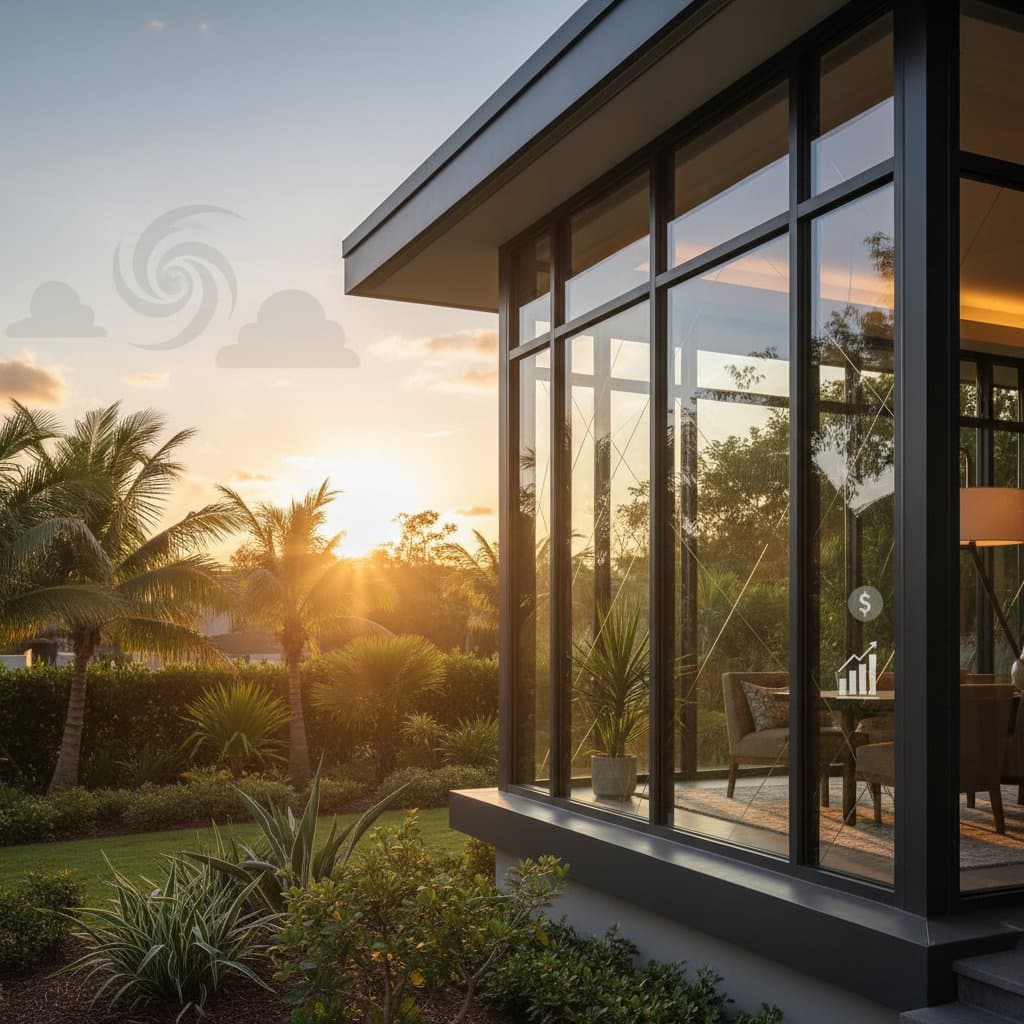
Hurricane windows, known also as impact-resistant windows, provide essential defense against flying debris, intense winds, and water penetration during extreme weather events. These windows not only shield structures from damage but also qualify homeowners for reduced insurance premiums, enhance thermal performance, and elevate resale value.
Key Overview
Definition:
A hurricane window features reinforced glass with multiple laminated layers designed to remain intact upon impact from airborne objects.
Core Benefits:
Such windows guard against storm-related destruction, block excessive noise and ultraviolet rays, and often lead to lower homeowner insurance rates through verified protection.
Installation Expenses:
Expect costs between $55 and $85 per square foot, influenced by dimensions, frame composition, and adherence to regional building standards.
Professional Involvement:
Engage a certified specialist for precise measurements, regulatory approvals, and secure sealing. Limit do-it-yourself efforts to simple swaps in non-critical areas.
Timeline:
The process spans one to three weeks, varying with the number of units and supplier availability.
Upkeep Schedule:
Examine seals and mechanisms annually; wash glass surfaces and tracks biannually.
Components of a Hurricane Window
Every element in a hurricane window supports its role in storm resistance.
- Laminated Glass: Comprises two or more panes fused with a flexible interlayer that contains fragments if breakage occurs.
- Interlayer Material (PVB or EVA): This transparent polymer layer absorbs shocks and inhibits complete shattering.
- Frame Construction: Typically aluminum, vinyl, or fiberglass, engineered for durability under extreme forces.
- Sealant Application: A durable, waterproof compound that secures the glass to the frame and repels moisture.
- Operating Hardware: Encompasses locks, hinges, and fasteners tested to withstand elevated wind pressures.
- Weatherstripping: Seals gaps around moving parts to block air infiltration and humidity.
Signs of Wear:
Condensation within layers indicates a failed seal. Resistance in operation or insecure fittings suggest frame distortion. Visible fissures or discoloration in the interlayer point to environmental degradation.
Guide to Installing Hurricane Windows
1. Conduct Precise Measurements.
Assess width and height at three positions per opening, then use the minimum values for a proper fit.
2. Select Frame Type.
Vinyl options endure corrosion yet may shift in temperature extremes. Aluminum provides slim profiles and strength but transfers heat readily. Fiberglass combines resilience with superior insulation properties.
3. Procure Certified Units.
Ensure selections comply with local codes for wind resistance and impact performance. Verify inclusion of official certification markings from the producer.
4. Extract Existing Windows.
Remove trim cautiously, detach screws, and lift out the old assembly. Inspect the frame for decay or structural issues.
5. Condition the Opening.
Clear debris and confirm plumb alignment. Install flashing tape along edges for moisture barriers.
6. Position the New Assembly.
Place the window, ensure level placement, and secure with code-approved fasteners. Apply sealant fully around borders.
7. Verify Functionality.
Cycle the window open and closed repeatedly. Confirm ease of movement and integrity of seals against water.
8. Complete Finishing.
Reinstall trim, polish surfaces, and scan for voids. Arrange for official inspection where mandated.
Comparing DIY and Professional Installation
| Aspect | DIY Approach | Professional Service |
|---|---|---|
| Required Expertise | Moderate woodworking skills | Certified window specialist |
| Risk Level | Moderate exposure to hazards | Minimal, with expert handling |
| Essential Tools | Drill, pry bar, caulking tool, spirit level | Advanced anchors and glazing equipment |
| Regulatory Handling | Homeowner responsibility | Contractor oversight |
| Duration per Unit | 2 to 3 hours | 1 to 2 hours |
| Coverage Terms | Potential warranty invalidation | Standard 10- to 25-year protection |
Reserve DIY methods for minor, accessible replacements where the surrounding structure remains stable. For load-bearing elements or compliance with hurricane regulations, professional expertise proves essential.
Care Routines and Durability
With consistent attention, hurricane windows endure 20 to 30 years.
Routine Procedures:
- Wipe glass using gentle detergent and water every six months.
- Apply lubricant to mechanisms annually.
- Scan seals for deterioration.
- Evaluate frame connections for rust or sun-induced fading.
- Refresh exterior caulk every five years.
Steer clear of harsh abrasives or pressure cleaners. Maintain drainage channels to avoid moisture accumulation.
Advantages for Insurance and Energy Use
Many insurers offer premium reductions for residences equipped with approved hurricane safeguards, contingent on documentation and full coverage of entry points. Regional incentives may provide rebates for high-efficiency installations.
The design incorporates insulated glazing and robust seals to limit thermal exchange, potentially cutting heating and cooling expenses by 10 to 20 percent in hotter regions. Additional perks include substantial noise attenuation, beneficial in high-traffic or windy locales.
Common Questions
Are additional shutters necessary with hurricane windows?
Not required if every opening features verified impact-resistant glass; shutters serve as supplements.
Can these windows include aesthetic features?
Affirmative; options range from tints and patterns to decorative inserts, all while satisfying safety criteria.
Do they mitigate external sounds?
Indeed, the layered construction can lessen noise by as much as 50 percent.
How to confirm impact certification?
Seek the affixed label from the manufacturer displaying relevant test identifiers.
Are they thermally efficient?
Yes, through advanced glazing and airtight construction that controls temperature fluctuations.
Suitable for older structures?
Possible, though legacy frames might require strengthening or adjustments.
Eligible for premium reductions?
Typically, upon submission of installation certification to the provider.
Expected Service Life?
Around 25 years, varying with environmental factors and upkeep.
Next Steps for Protection
Review your area's wind risk assessments and policy stipulations first. Document current window sizes and solicit estimates from a minimum of three qualified providers. Weigh frame varieties against durability, budget, and efficiency gains. In vulnerable coastal or windy districts, these windows represent a vital investment in security and fiscal prudence.
Proceed with the upgrade to avert post-storm fixes, secure ongoing savings, and enjoy enhanced tranquility throughout the seasons.