Dry vs Wet Flood-Proofing: Which Strategy Fits Your Home
Homeowners in flood-prone regions confront escalating challenges, including elevated insurance premiums, recurring repair expenses, and heightened safety concerns. Flood-proofing strategies aim to either exclude water entirely or accommodate its entry while limiting structural harm. This guide delineates the distinctions between dry and wet flood-proofing approaches, evaluates key upgrades such as sump pumps and backflow valves, examines cost factors, and advises on DIY feasibility versus professional involvement to achieve enduring resilience.
Understanding Dry and Wet Flood-Proofing
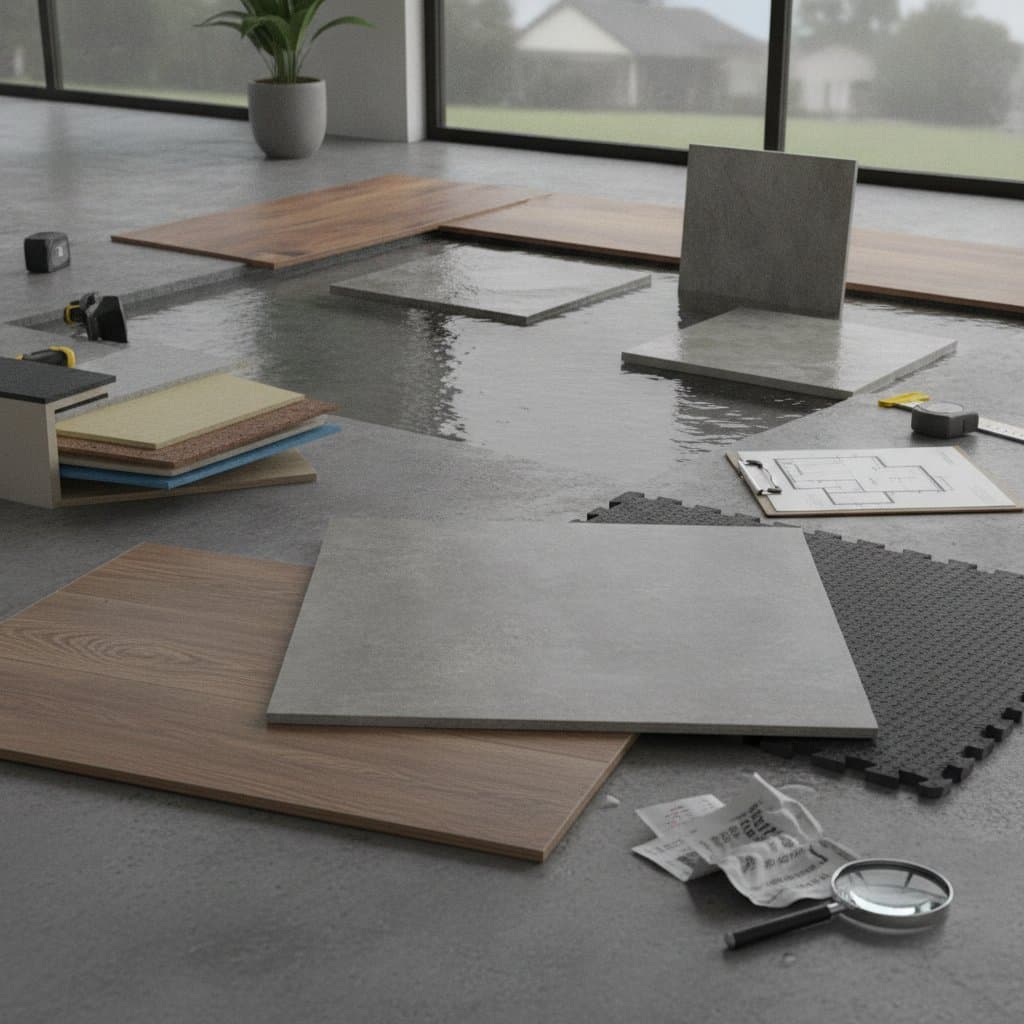
Dry flood-proofing seeks to prevent water from entering the structure by sealing vulnerabilities and elevating components above anticipated flood levels. This method suits homes where flood depths remain below one foot and access to the perimeter allows for comprehensive sealing. Benefits include preservation of interior spaces and reduced post-flood cleanup, though it demands meticulous application to withstand water pressure.
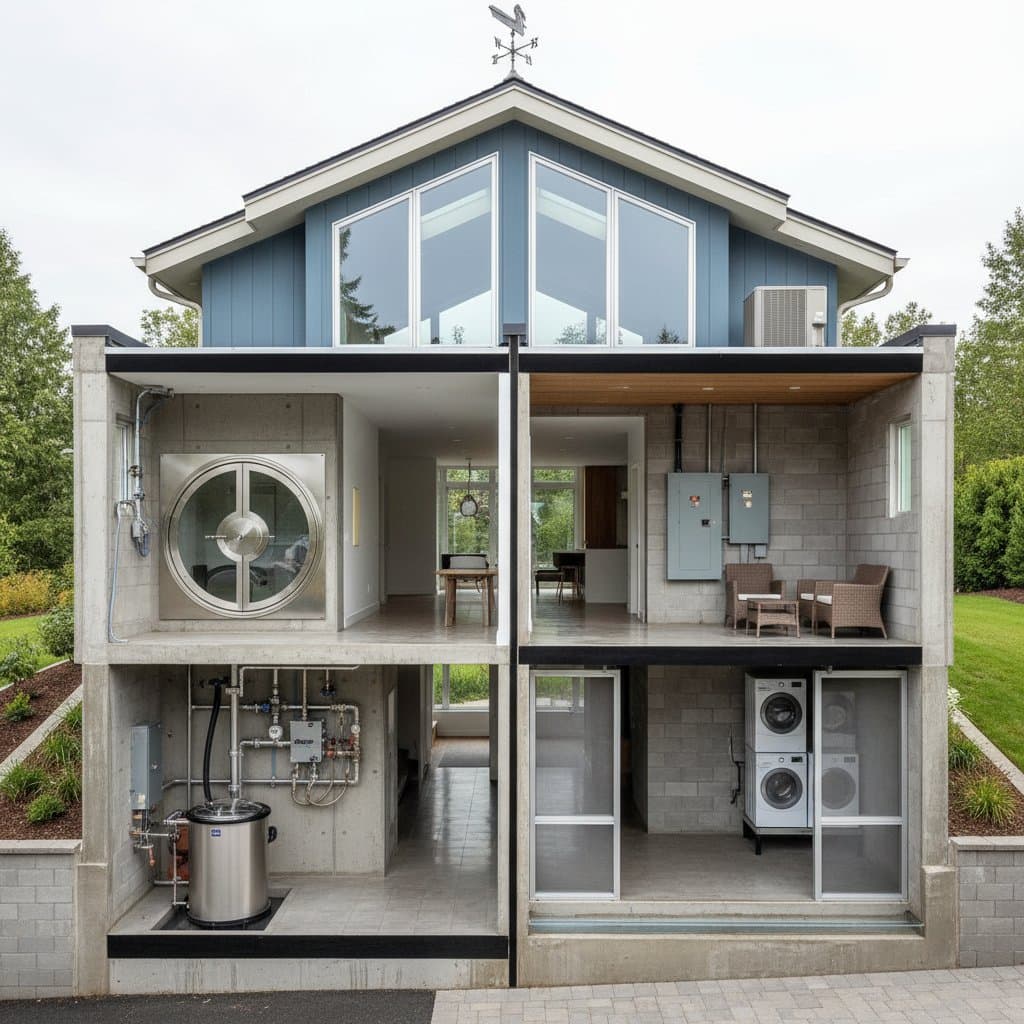
Wet flood-proofing, by contrast, permits water to flow through the building while safeguarding critical elements against damage. Openings like flood vents equalize hydrostatic pressure to avert wall collapse, and utilities receive elevation to avoid submersion. This approach proves ideal for deeper floods or properties with basements, as it minimizes long-term structural risks but requires robust moisture-resistant materials and thorough drying protocols afterward.
Selecting between these strategies hinges on local flood history, home design, and budget constraints. A hybrid application often yields optimal results, combining dry techniques for upper levels with wet measures for lower areas.
Key Upgrades and Their Tradeoffs
Effective flood-proofing integrates multiple upgrades tailored to the chosen strategy. The following table outlines common options, their purposes, strengths, and limitations.
| Upgrade Type | Purpose | Strengths | Limitations |
|---|---|---|---|
| Foundation sealing | Blocks water through cracks | Low maintenance, extended lifespan | Requires thorough surface preparation |
| Flood vents | Equalizes pressure, prevents wall failure | Meets building codes, cost-effective | Permits water influx |
| Sump pump with battery backup | Extracts accumulated seepage | Operates automatically, dependable | Relies on electricity and regular servicing |
| Backflow valve | Prevents sewer backup intrusion | Safeguards interior surfaces | Installation demands licensed expertise |
| Elevated utilities | Positions equipment above flood levels | Shields HVAC and electrical systems | Involves high costs in occupied areas |
| Perimeter drain system | Diverts subsurface water flow | Provides sustained performance | Necessitates extensive excavation |
A customized combination addresses specific vulnerabilities, weighing expenses, installation disruptions, and mitigation effectiveness.
Step-by-Step Flood-Proofing Implementation
Preparation involves assembling protective gear such as gloves, safety goggles, and waterproof footwear, alongside tools like a wet vacuum, submersible pump, and circuit tester.
- Evaluate flood origins. Determine whether intrusion stems from surface runoff, rising groundwater, or sewage reversal.
- Examine structural elements. Identify and document fissures in foundations, deteriorated mortar, and utility penetrations.
- Apply seals to breaches. Thoroughly clean affected areas, inject epoxy or polyurethane fillers, and apply a waterproof coating.
- Incorporate flood vents as needed. Create apertures at the base of exterior walls and affix compliant vents according to regulations.
- Deploy or enhance sump pump. Position the unit in the lowest interior area, attach a check valve, and route discharge piping at least ten feet from the foundation.
- Fit backflow prevention. Engage a certified plumber to integrate the valve into the primary sewer line, including a maintenance access cap.
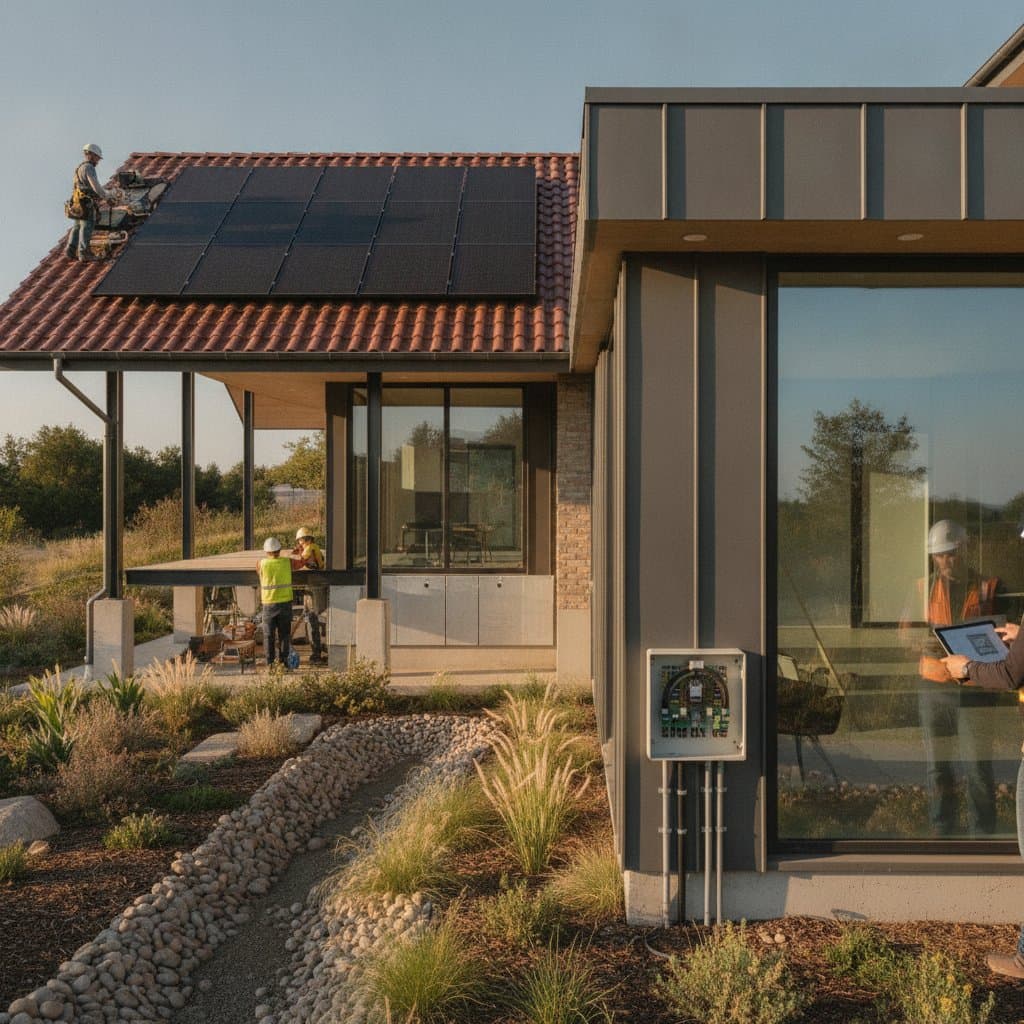
- Raise essential utilities. Relocate heating, ventilation, air conditioning units, electrical panels, and outlets to exceed the designated flood elevation.
- Optimize site drainage. Grade surrounding soil to slope downward from the foundation by a minimum of six inches over ten feet.
Professional teams typically accomplish this sequence within five to ten business days. Independent efforts may span multiple weekends, contingent on experience levels.
Pitfalls to Sidestep in Flood-Proofing
Failure to balance water pressure by omitting vents alongside full sealing can induce structural fractures during inundation. Pumps without battery backups falter amid power outages in severe weather. Interior coatings alone succumb to peeling under sustained hydrostatic forces; prioritize treatments accessible on both sides where feasible.
Inadequate discharge placement recycles expelled water toward the structure, undermining efficacy. Neglecting utility elevation incurs exorbitant replacement fees post-flood, far exceeding proactive relocation costs.
Deciding Between DIY and Professional Assistance
Assess personal capabilities against project demands. Foundation sealing, basic grading, and simple vent placements align with skilled DIY undertakings. Tasks entailing electrical modifications or sewer interventions warrant certified professionals to ensure compliance and safety. Availability of specialized equipment, such as for excavation or drilling, often renders rental uneconomical for isolated projects.
Independent work can reduce labor expenditures by up to 40 percent, yet errors risk compromising integrity or voiding insurance coverage. Hybrid arrangements optimize outcomes: manage preparatory and finishing tasks personally while delegating intricate installations to experts.
Evaluating Contractor Proposals
The table below facilitates comparison of bids for transparency and value.
| Line Item | Specification | Contractor A | Contractor B | Contractor C | Variance Notes |
|---|---|---|---|---|---|
| Foundation sealing | Epoxy injection, 100 linear feet | 1,200 | 1,350 | 1,450 | Verify injection pressure specs |
| Sump pump system | 1 HP unit with battery backup | 1,650 | 1,800 | 1,550 | Confirm brand and warranty details |
| Flood vents | Four certified installations | 1,200 | 1,100 | 1,350 | Ensure compliance ratings |
| Utility elevation | HVAC and electrical panel lift | 1,800 | 2,100 | 2,000 | Account for reconnection fees |
Prioritize bids with uniform specifications and explicit warranty terms. Reject ambiguous allowances that obscure true costs.
Pre-Project Readiness Assessment
- Confirm local flood elevation data from municipal records or elevation certificates.
- Review building codes and permit requirements for vents, pumps, and elevations.
- Secure necessary tools and materials, budgeting for unexpected contingencies.
- Document existing conditions with photographs for insurance and reference purposes.
- Schedule utility shutoffs and neighbor notifications to minimize disruptions.
- Test all electrical components post-installation to verify functionality.
Achieving Lasting Flood Resilience
Implementing dry or wet flood-proofing fortifies homes against inevitable water threats, slashing repair demands and enhancing occupant security. These investments deliver substantial savings over time through diminished insurance rates and averted damages. Consult local experts to tailor solutions, ensuring your property withstands future deluges with confidence.