How Much Do Multigenerational Renovations Cost? 2026 Pricing Guide
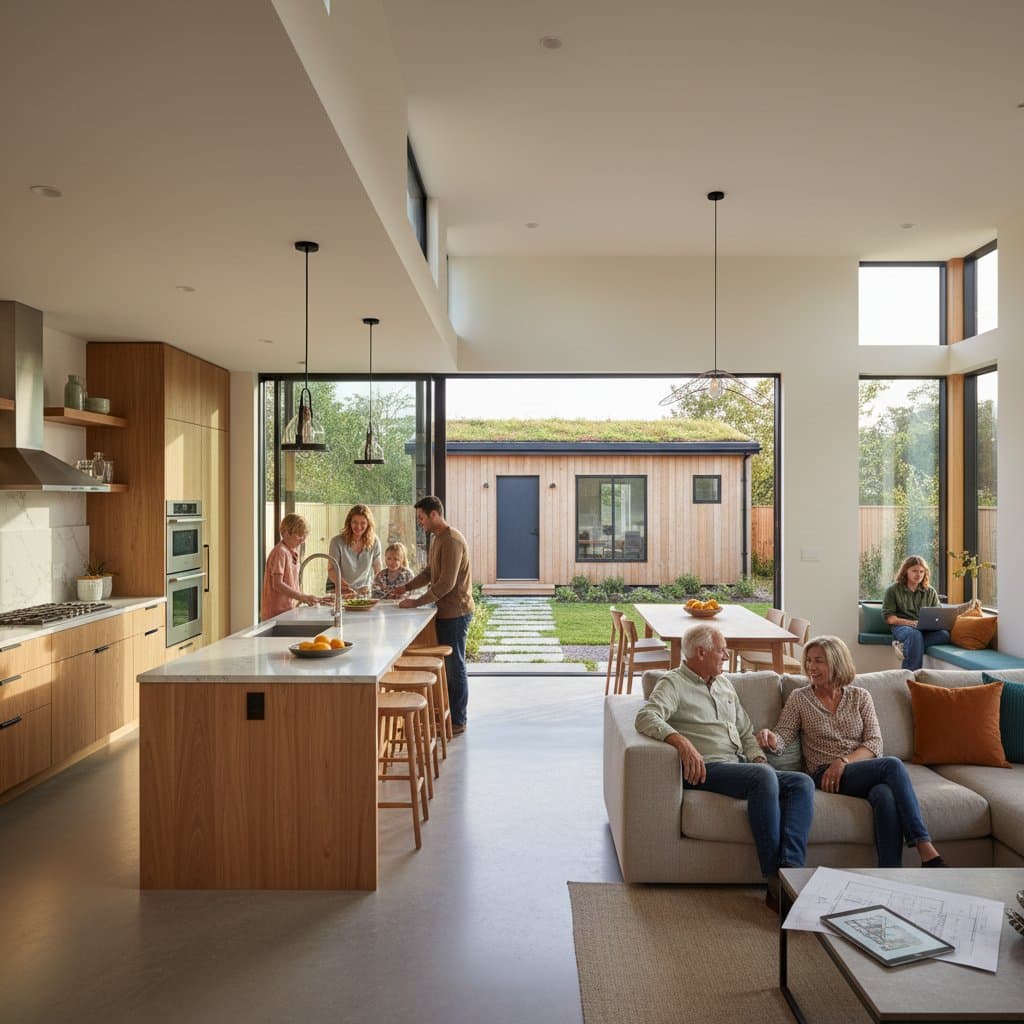
Creating a multigenerational home enables families to share living spaces while preserving privacy, comfort, and financial benefits over time. Professional renovation projects for such homes generally range from $120,000 to $420,000. Most homeowners allocate approximately $265,000 for a standard two-zone remodel that incorporates separate living areas, kitchens, and bathrooms.
Three primary factors shape the total expense: square footage, scope of modifications, and material quality. Regional labor rates and accessibility features further affect pricing. Data from the National Association of Home Builders indicates that these renovations can boost property value by up to 18 percent relative to traditional single-family designs. Families gain from reduced shared expenses, preparation for aging in place, and stronger resale potential, positioning this upgrade as a sensible investment.
Detailed Cost Breakdown
Primary Pricing Structure
Multigenerational renovation expenses divide into three key areas: structural expansion, interior reconfiguration, and accessibility retrofits. Homeowners typically pay $200 to $400 per square foot on average. Smaller efforts, like transforming a basement or garage, begin around $80,000, whereas extensive additions with new plumbing and kitchens surpass $350,000.
Contractors often impose a minimum fee of $25,000 for structural changes involving load-bearing walls or utility lines. Across the nation, projects at the 25th percentile cost about $150,000, those at the 50th percentile near $265,000, and the 75th percentile around $380,000. Insights from HomeAdvisor and Angi reveal that larger homes in metropolitan areas incur a 20 to 30 percent labor premium. For example, a 1,000-square-foot addition in a high-cost area might total $400,000, compared to $280,000 in a suburban setting.
Size and Scope Factor
Adding 100 square feet generally increases costs by $25,000 to $40,000, based on access, permits, and utility connections. Converting a 600-square-foot garage into an in-law suite averages $150,000. Constructing an 800-square-foot attached apartment ranges from $210,000 to $300,000.
Benchmarks indicate that fully independent units, complete with separate entrances, kitchens, and HVAC systems, command up to 40 percent more than shared conversions. Experts advise incorporating future adaptability from the start, as later expansions cost 15 percent more than initial integrations.
Material and Quality Tiers
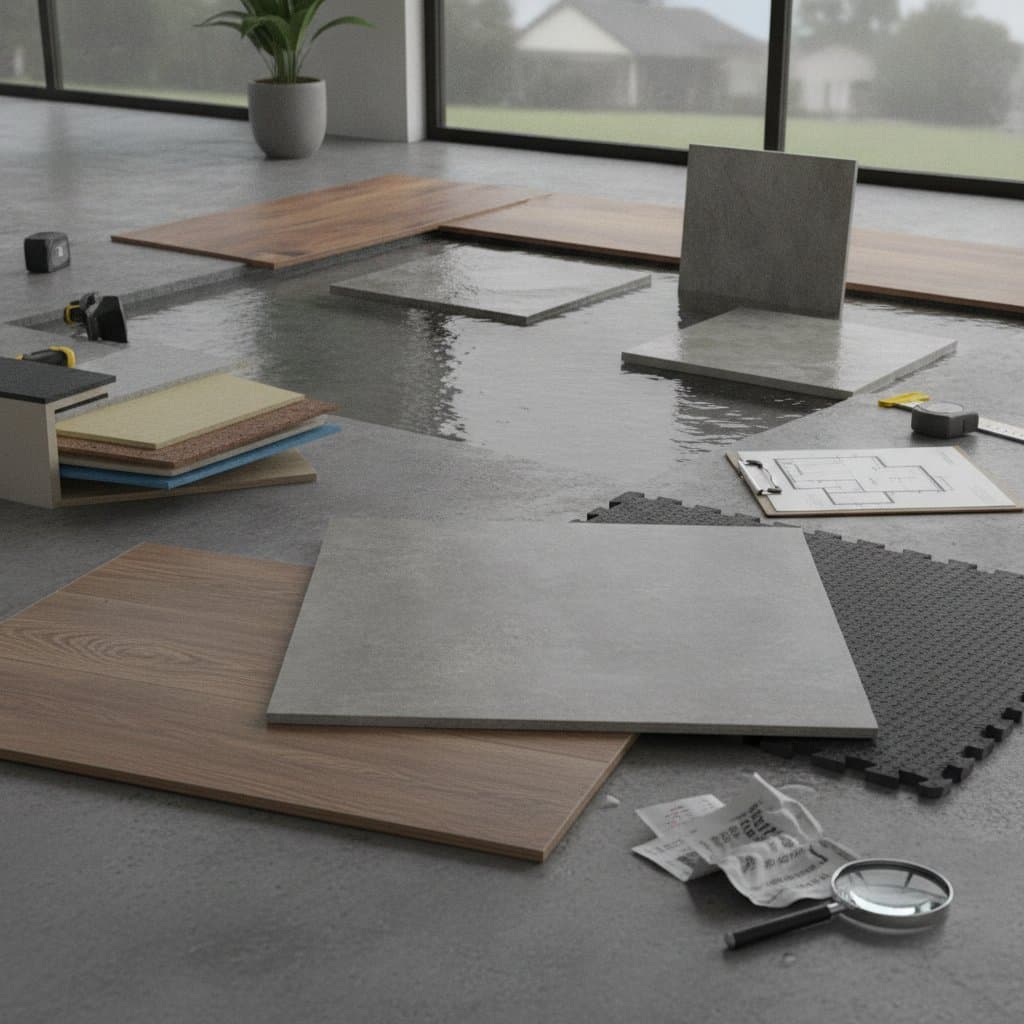
Entry-level options, including vinyl flooring, laminate countertops, and standard cabinetry, deliver practical outcomes at $180 to $220 per square foot. These selections often feature products from IKEA, Mohawk, and Delta, which provide reliable warranties and straightforward upkeep.
Mid-range choices, such as quartz counters, semi-custom cabinets, and engineered hardwood, fall between $240 and $320 per square foot. Popular brands in this category include KraftMaid, Cambria, and Shaw Floors, emphasizing durability and versatile aesthetics.
Premium selections like imported tile, solid wood millwork, and smart-home systems from Kohler, Sub-Zero, and Lutron elevate costs to $350 to $450 per square foot. Such enhancements prolong the home's usability for decades and raise resale value by 12 to 15 percent, per Remodeling Magazine's Cost vs. Value report.
Complexity Variables
Accessibility and infrastructure demands can raise totals by 10 to 25 percent. Properties with restricted access, outdated electrical setups, or irregular foundations demand extra effort. Modifications for aging residents, such as walk-in showers, wider doorways, and stair lifts, add $15,000 to $40,000.
Compliance with local codes may alter expenses further. Requirements for seismic reinforcements, fire-rated walls, or enhanced insulation vary by location. Cost multipliers highlight higher trends on the West Coast and in the Northeast, with more balanced rates in the South and Midwest.
Service Types and Comprehensive Pricing
Basic or Standard Package
Standard renovations emphasize shared living with some independence. Common elements include:
- Repurposing existing rooms for private use
- Installing a kitchenette or small wet bar
- Updating a shared bathroom
- Rerouting minor electrical and plumbing lines
- Applying new flooring and paint
These initiatives span 8 to 12 weeks and cost $120,000 to $190,000. They suit families hosting adult children or temporary visitors.
Premium or Comprehensive Package
Comprehensive options ensure full independence for additional residents. Features encompass:
- A dedicated entrance and HVAC zone
- Complete kitchen setup
- Private laundry and bathroom facilities
- Structural additions for extra space
- Integrated smart-home safety systems
Budgets for these range from $250,000 to $420,000, reflecting a 25 to 40 percent increase over standard packages. Resale recovery can achieve 70 percent in demand-driven markets.
Add-On Services Matrix
| Add-On Service | Average Cost | Bundle Savings | Recommended Timing |
|---|---|---|---|
| Accessibility Upgrades | $10,000 - $25,000 | 10% | Combine with bathroom remodel |
| Energy Efficiency Package | $8,000 - $15,000 | 12% | During HVAC or window replacement |
| ADU Permit Handling | $3,000 - $6,000 | 5% | Start of project |
| Landscaping and Access Paths | $5,000 - $12,000 | 8% | After exterior completion |
Data from Houzz Pro and BuildZoom demonstrate that bundling design and construction yields 8 to 12 percent savings versus phased contracting.
Professional vs. DIY Analysis
DIY Cost Breakdown
DIY approaches suit minor multigenerational adjustments, though they remain uncommon for major work. Essential materials cover:
- Prefabricated cabinets and fixtures: $10,000 - $15,000
- Flooring and drywall: $5,000 - $9,000
- Plumbing and electrical supplies: $6,000 - $10,000
- Tools and rentals from DeWalt or Makita: $2,000 - $3,000
Overall DIY expenses span $25,000 to $40,000, omitting structural or code-mandated tasks. Participants commit 200 to 400 hours and navigate a challenging learning process. Unforeseen issues like inspection failures or utility mishaps frequently add $5,000 to $10,000.
Professional Advantages
Licensed professionals finish projects in one-third the time of DIY efforts, backed by warranties and insurance that safeguard against liabilities. Certified experts deliver assured quality through material guarantees and supplier collaborations. Their command of equipment, subcontractors, and permits warrants the 15 to 20 percent expertise premium, averting costly corrections.
Opt for professionals on structural or utility-intensive tasks. Reserve DIY for simple finishes like painting or flooring.
Actionable Cost-Saving Strategies
Timing Optimization
Initiating work in off-peak seasons trims expenses by 10 to 20 percent. Midweek launches improve labor scheduling and permit efficiency. Planning ahead of high-demand windows sidesteps material price hikes.
Smart Shopping Tactics
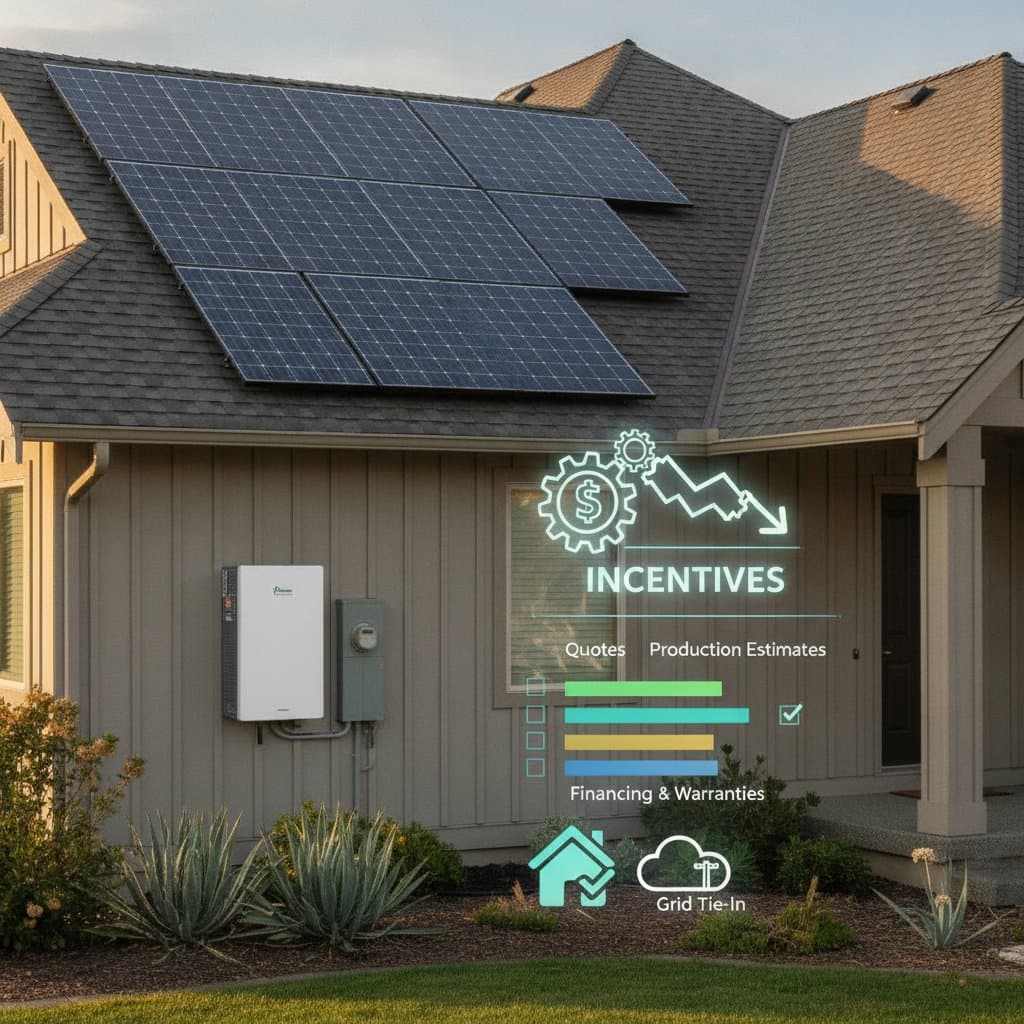
Obtain three or more quotes from licensed contractors. Variations often exceed 15 percent. Seek detailed breakdowns and negotiate phased payments for control. Direct wholesale purchases cut 5 to 10 percent on cabinets, fixtures, and appliances.
Preparation Actions
Pre-crew tasks like room clearing, old flooring removal, or light demolition save $1,000 to $3,000. Precise discussions on designs and schedules minimize change orders and disputes.
Market Dynamics and Considerations
Geographic Variations
Urban coastal hubs such as Los Angeles and New York impose 25 to 40 percent premiums from land limits and permitting hurdles. Midwestern and Southern locales offer lower labor and simpler approvals. Rural areas contend with scarce contractors, potentially extending timelines but easing hourly rates.
Market Timing
Recent material inflation averages 6 to 8 percent for lumber and steel. Supply disruptions affect appliance stock. Labor shortages in major cities elevate rates.
Value Indicators
These renovations yield tangible gains, including up to 30 percent energy reductions via insulation and HVAC pairings. Shared utilities and spaces lower ongoing per-person costs.
Related Services Ecosystem
Supporting projects enhance multigenerational setups.
Accessory Dwelling Units (ADUs) cost $150,000 to $350,000 for independent living. Integrating an ADU with main renovations saves 10 percent over standalone builds.
Basement finishing, at $60,000 to $120,000, creates versatile space with limited disruption. It complements accessibility changes effectively.
Home accessibility retrofits range from $10,000 to $40,000, including ramps, grab bars, and zero-barrier showers. These foster long-term safety and delay further modifications.
Building Lasting Family Value
Effective multigenerational renovations harmonize expenses with comfort and flexibility. Start with a layout that supports privacy alongside communal areas.
Through bid comparisons, wise scheduling, and strategic planning, families craft adaptable homes for changing circumstances. Such projects enrich everyday life and secure enduring property worth.