2026 Granny Pod Costs: Complete ADU Installation Breakdown
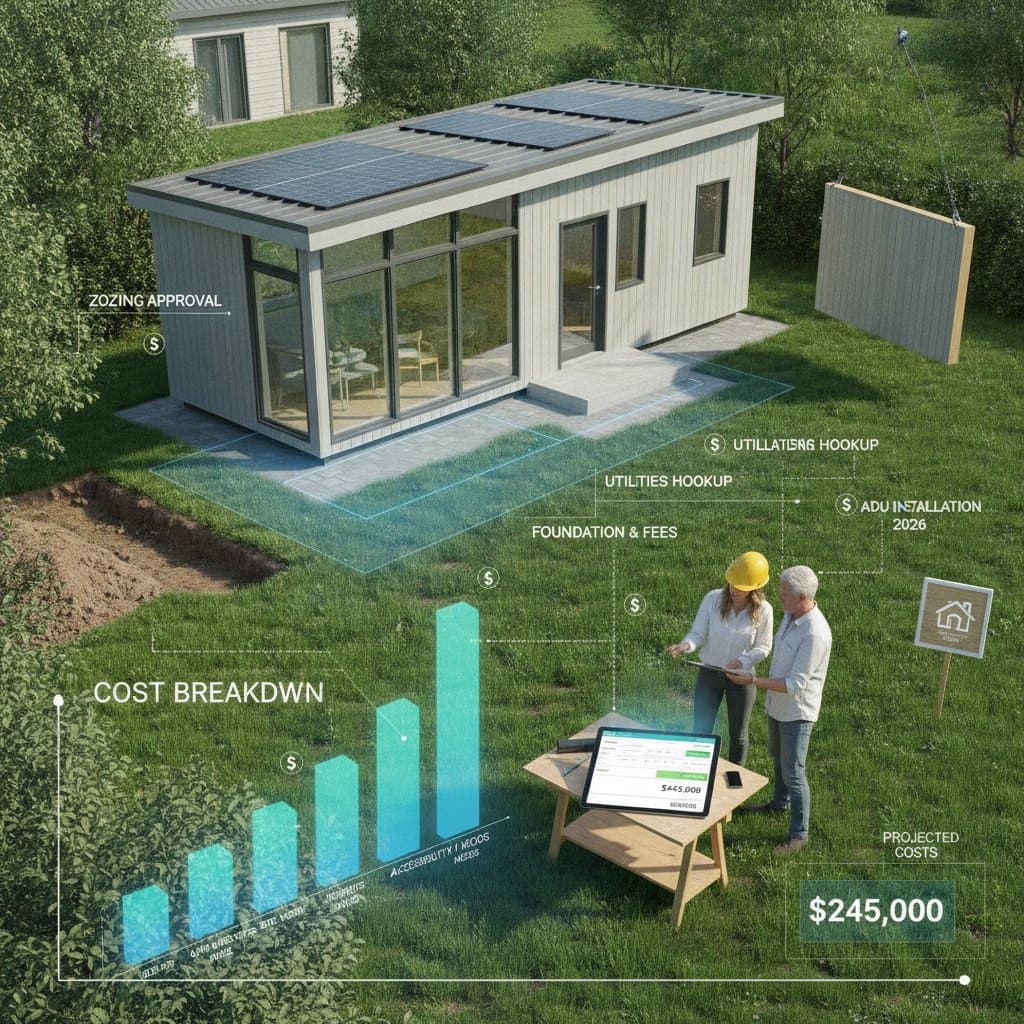
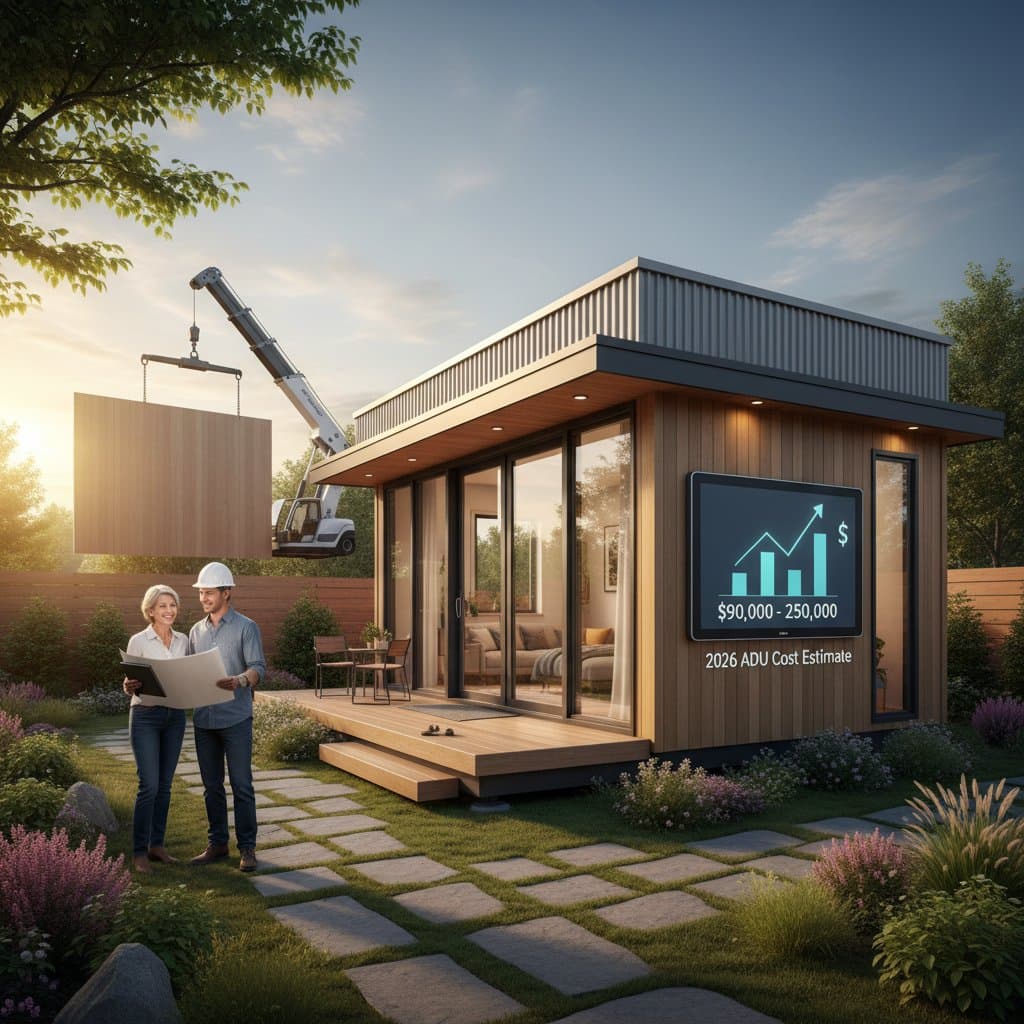
A granny pod represents a small, detached accessory dwelling unit constructed on the property of a primary residence. This structure delivers independent living accommodations for family members or tenants. Expenses typically span from $90,000 to $250,000, influenced by factors such as dimensions, material selections, and regional labor expenses. The total encompasses design services, permitting processes, site preparation, utility integrations, and full construction efforts.
Key Overview
- Definition: A compact, self-contained living space erected in a backyard area.
- Benefits: Enhances housing options for elderly relatives or generates supplementary rental revenue.
- Cost Range: $90,000 to $250,000 overall, equivalent to $250 to $600 per square foot.
- Professional Involvement: Essential for foundational elements, plumbing installations, and electrical systems.
- Timeline: Three to six months, accounting for permitting, construction, and inspections.
- Upkeep Schedule: Yearly evaluations of systems alongside exterior maintenance.
Essential Components of a Granny Pod
Every granny pod incorporates core elements that ensure functionality and durability. Builders select materials based on local climate and user needs to optimize both expense and performance.
- Foundation Options: Choices include concrete slabs for stability, pier foundations for uneven terrain, or crawlspaces for utility access. Each type demands precise engineering to withstand soil shifts and weather exposure.
- Structural Framing and Exterior: This layer features load-bearing walls, durable roofing, energy-efficient windows, high-quality insulation, and protective siding. Selections like fiber cement siding resist moisture better than wood in humid environments.
- Internal Mechanical Systems: Integration covers plumbing lines, electrical wiring, heating and cooling units, along with essential fixtures. Smart thermostats can reduce energy costs by up to 20 percent over traditional models.
- Compact Kitchen and Bathroom Areas: These spaces include space-saving appliances, custom cabinetry, and accessible showers with grab bars. Quartz countertops offer low-maintenance surfaces ideal for daily use.
- Universal Design Elements: Features such as 36-inch doorways, ergonomic hardware, slip-resistant flooring, and ramped entrances promote independence for residents with mobility challenges.
Investing in premium components, like low-VOC paints for interiors, elevates air quality while adhering to modern building standards. Such details not only increase initial costs but also extend the unit's service life.
Detailed Installation Timeline
Constructing a granny pod follows a structured sequence to minimize disruptions and ensure compliance. Homeowners benefit from understanding each phase to coordinate with contractors effectively.
- Initial Assessment: Examine municipal zoning regulations and property setbacks. Certain jurisdictions cap ADU square footage at 800 feet or restrict usage to family members only.
- Planning and Approval Stages: Engage an architect for custom blueprints or acquire prefabricated designs that expedite approvals. Securing building permits and utility hookups often requires two to four weeks of review.
- Groundwork Preparation: Remove vegetation, grade the soil for evenness, and install drainage systems to prevent water accumulation. Budget $5,000 to $15,000 for this preparatory labor, which varies with site topography.
- Base Construction: Install the chosen foundation, allowing 48 to 72 hours for concrete curing in moderate temperatures. Engineers may recommend reinforcements in seismic zones.
- Erection of Framework and Exterior Shell: Assemble the basic structure on-site or deliver a modular unit via crane for rapid placement. Custom builds demand two to four weeks, while prefabs achieve completion in days.
- System Installations and Interior Completion: Route water, power, and ventilation lines before applying drywall, laying flooring, and installing cabinetry. Energy Star-rated appliances help meet efficiency codes.
- Compliance Verification and Occupancy: Schedule final walkthroughs with inspectors to validate adherence to safety and building norms. Address any deficiencies promptly to obtain a certificate of occupancy.
Throughout the process, regular progress updates from licensed builders keep projects on track. Delays often stem from permitting backlogs, so early submissions prove advantageous.
Comparing DIY Approaches to Professional Services
Homeowners weigh self-managed tasks against expert oversight to control budgets. However, safety and regulatory demands limit personal involvement in critical areas.
| Category | DIY Feasibility | Risk Level | Necessary Equipment | Permitting Needs | Estimated Duration | Warranty Considerations |
|---|---|---|---|---|---|---|
| Design and Planning | Low | Low | Drafting software or sketches | Required | 1 to 2 weeks | No direct impact |
| Site Preparation | Medium | Medium | Shovels, levels, compactors | Sometimes | 1 week | Potential limitations |
| Foundation Work | Professional Only | High | Mixers, forms, reinforcement bars | Mandatory | 1 week | Invalidates if improper |
| Framing Assembly | Medium to High | Medium | Saws, hammers, ladders | Mandatory | 2 to 3 weeks | Possible warranty reductions |
| Utility Connections | Professional Only | High | Wiring kits, pipe cutters | Mandatory | 1 to 2 weeks | Requires certification |
| Interior Finishing | Medium | Low | Brushes, sanders, install kits | Optional | 1 to 2 weeks | Minimal effects |
Professionals handle all structural, electrical, and plumbing elements to satisfy code requirements. Attempting these independently risks fines, structural failures, or insurance denials.
Long-Term Care and Durability
A properly constructed granny pod endures for 50 years or longer under diligent maintenance. Regular attention preserves value and prevents costly repairs.
Routine Annual Maintenance:
- Clear debris from gutters and examine roofing for wear.
- Drain and inspect the water heater, along with all pipe connections.
- Pressure wash exterior surfaces and renew sealant around openings.
- Verify functionality of smoke detectors and carbon monoxide sensors.
Periodic Major Services: Every five to ten years, apply fresh exterior paint, tune up heating and ventilation systems, and replace weatherstripping on doors and windows. Modular units require adherence to supplier guidelines; retain all original warranties for reference.
Proactive care, such as installing UV-protective films on windows in sunny regions, mitigates environmental damage. These practices ensure the space remains comfortable and efficient for generations.
Navigating Regional Variations
Local conditions shape both design choices and approval processes for granny pods. Adapting to these elements avoids unexpected expenses.
Environmental Adaptations:
- In colder climates, incorporate R-30 insulation levels, foundations below frost lines, and double-pane windows to retain heat.
- Humid, warm areas benefit from vapor barriers, mold-resistant drywall, and reflective roofing to combat moisture buildup and high temperatures.
- Dry, sunny locales demand fade-resistant paints and light-colored exteriors to minimize solar heat gain.
- Coastal properties necessitate corrosion-proof hardware, elevated foundations against flooding, and wind-resistant shutters.
Regulatory Insights: Progressive areas permit ADUs without special hearings, streamlining the process. Verify capacity for septic systems or sewer ties, and note minimum distance requirements from property lines. Consulting local planning offices early clarifies unique stipulations.
Strategies for a Successful Granny Pod Build
Embarking on a granny pod project demands careful budgeting and vendor selection. Prioritize contractors with ADU experience and solid references to achieve seamless results.
Start by calculating total costs with a 10 to 15 percent contingency for surprises. Explore financing options like home equity loans, which often carry favorable rates for such improvements. Engage multiple bids to compare scopes and timelines, ensuring inclusions for warranties and cleanup.
Ultimately, a granny pod transforms underutilized space into a valuable asset. It supports family closeness, provides income potential, and boosts property appeal. With informed planning, this addition delivers lasting utility and peace of mind.