Surge in Backyard Home Prices: ADU Costs for 2026
Accessory Dwelling Units, known as ADUs, have evolved from niche additions to essential elements of modern housing. Homeowners use them to create rental income, accommodate extended family, or boost property equity. With demand accelerating, construction expenses have increased significantly. This analysis examines the factors behind these rising costs, along with regulatory considerations and practical financial strategies for prospective builders.
Defining the Modern ADU
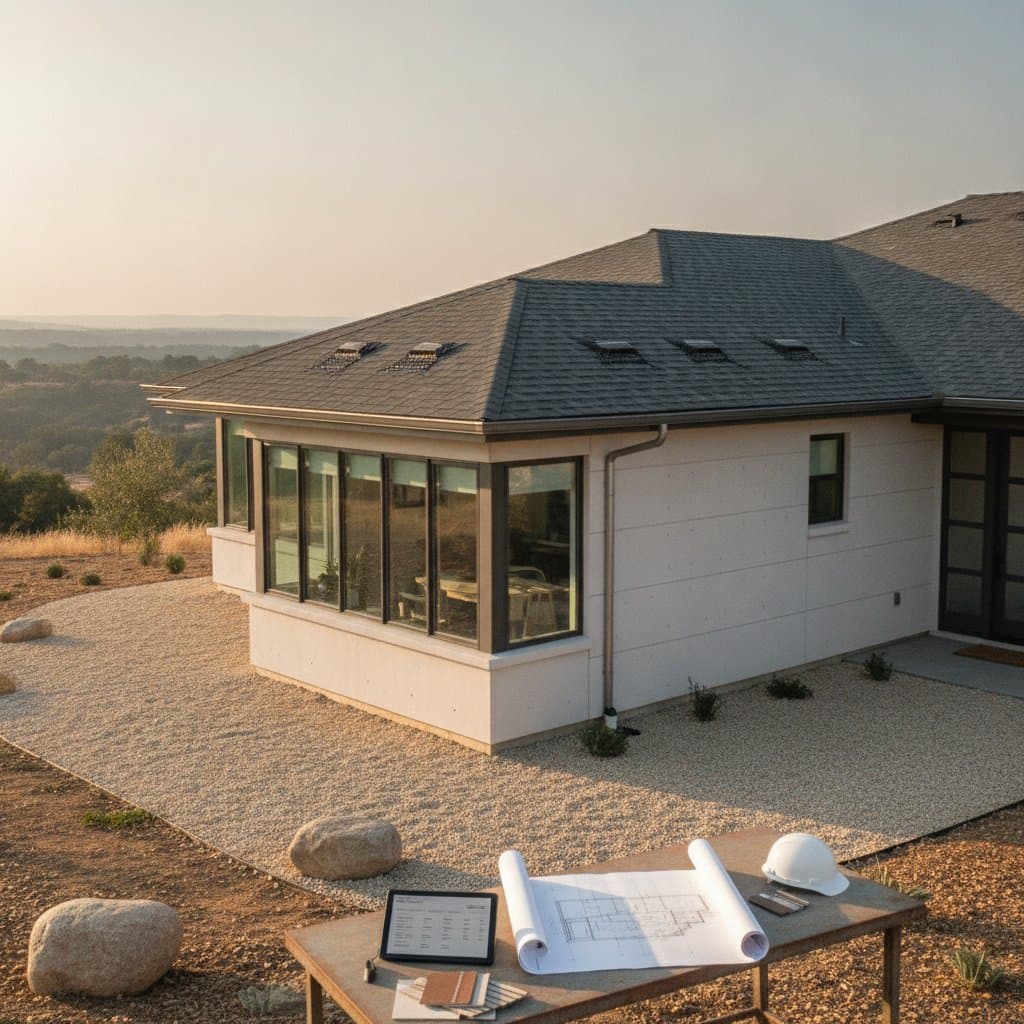
An ADU functions as a self-contained living space on the same property as the main residence. Options include detached structures like backyard cottages, garage conversions, or basement suites. Local ordinances set boundaries on square footage, utility hookups, parking provisions, and tenant limits. These rules shape both project viability and expense profiles. Although ADUs offer versatility and revenue potential, they introduce intricate budgeting demands and enduring upkeep responsibilities.
Cost Structure Analysis
ADU development encompasses diverse expenditure categories. Fundamental building expenses address foundations, structural framing, roofing systems, and interior detailing. Beyond these, account for architectural services, permitting charges, infrastructure integrations, and land modifications. Each element introduces distinct fiscal uncertainties.
Typical components consist of:
- Design and planning: Preparation of blueprints, structural assessments, and submission of regulatory approvals.
- Construction labor and materials: Primary outlays that fluctuate based on geographic location and project intricacy.
- Utility connections: Extensions for plumbing, water supply, and power lines, potentially involving excavation or system enhancements.
- Site work: Earth moving, vegetation adjustments, and pathway developments.
- Soft costs: Coverage for liability protection, loan administration, and buffer funds for unforeseen issues.
A thorough cost assessment must incorporate initial investments alongside perpetual obligations. Post-completion, anticipate elevated property assessments, heightened insurance premiums, and routine preservation needs. For investment evaluation, consider the full lifecycle expense rather than isolated construction figures.
Service and Financing Options
Specialized firms that integrate design and construction streamline ADU initiatives. These providers manage approvals and oversight, though they apply surcharges often exceeding 10 percent. Solo contractors might deliver reduced rates, yet they demand intensified supervision and elevate coordination challenges.
Funding avenues impact overall affordability. Traditional methods include equity-based borrowing or refinance extractions, supplemented by targeted ADU lending products from select institutions. Evaluate prevailing rates, valuation techniques, and debt-to-asset proportions for eligibility. Obtain comprehensive repayment outlines and verify if anticipated rents support loan approvals.
Process Walkthrough
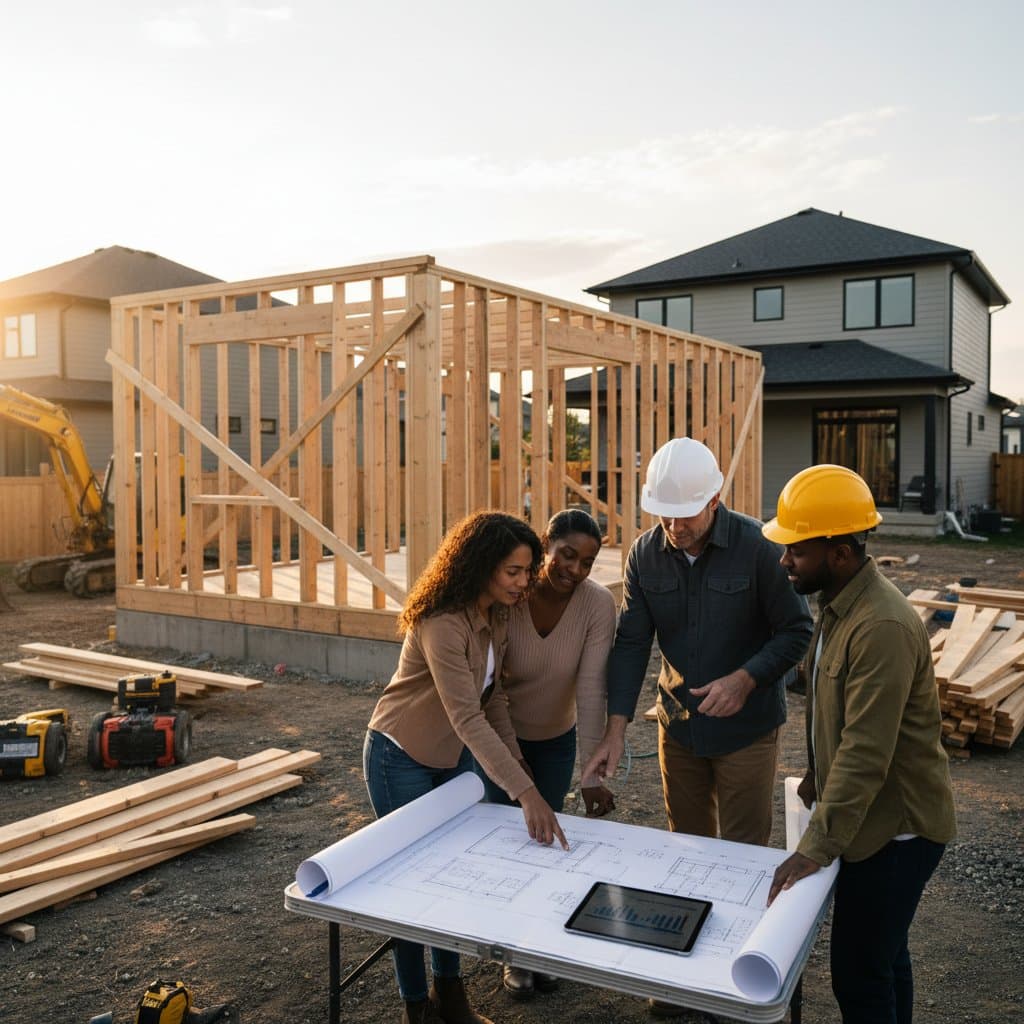
ADU endeavors proceed through defined stages, generally comprising five segments.
- Initial planning: Engage architects or contractors to evaluate site suitability, compliance, and fiscal parameters.
- Design and permitting: Develop schematics and present them for municipal examination, accommodating iterative adjustments.
- Site preparation: Survey infrastructure routes, establish bases, and execute terrain leveling.
- Construction: Assemble framework, integrate HVAC and plumbing, and apply surface treatments per outlined plans.
- Final inspection and occupancy: Authorities conduct verifications against code standards prior to certification.
Delays arise from approval queues, supply constraints, or crew availability, thereby amplifying interim financing burdens and accrued charges.
Common Exclusions and Limitations
Contracts frequently overlook provisions that escalate budgets unexpectedly. Examples encompass infrastructure retrofits, geotechnical evaluations, and development levies. Certain jurisdictions enforce independent metering, while others impose sustainability mandates that elevate supply demands.
Standard omissions feature:
- Removal of mature vegetation or extensive terrain alterations
- Fortification of aging structural bases
- Remote infrastructure enhancements
- On-the-fly customization requests
Neglecting to address these particulars can lead to substantial additional outlays. Scrutinize all contractual terms meticulously prior to commitment.
Financial Implications and Long-Term Value
Proponents position ADUs as revenue streams. Return timelines hinge on leasing tariffs, operational expenses, and downtime probabilities. Compact units command elevated rents in competitive markets, but escalating upkeep or idle periods erode profitability.
Conduct rigorous projections encompassing expected yields, debt schedules, fiscal liabilities, and preservation allocations. If utilizing oversight services, deduct administrative charges from proceeds. Employ cautious forecasts to gauge sustainability over speculative income assumptions.
Comparative Cost Table
| ADU Type | Cost per Square Foot | Typical Size (Sq Ft) | Total Estimated Cost Range |
|---|---|---|---|
| Basic Backyard Unit | $250 to $350 | 400 to 600 | $100,000 to $210,000 |
| Premium Detached ADU | $400 to $600 | 600 to 1,000 | $240,000 to $600,000 |
These estimates reflect scaling with sophistication levels. Bespoke elements, advanced energy setups, and automated integrations drive costs upward. Initial proposals may seem economical, but incorporate site variables and compliance needs for realistic totals.
Evaluating Risk and Protection Strategies
Implement systematic reviews and record-keeping to safeguard interests. Demand segmented quotations delineating workforce, supplies, and vendor contributions. Validate credentials, coverage, and past performance before advancing funds. Agreements must outline schedules, amendment protocols, and conflict mechanisms.
Utilize comprehensive verification lists to confirm quality in supplies and execution. Provisions retaining partial payments until fulfillment promote reliability. Disciplined fiscal tracking and evidentiary management minimize overruns and incomplete deliverables.
Securing Value Through Informed Building
Escalating ADU expenditures underscore the need for deliberate preparation and economic diligence. Such additions elevate asset worth when executed with defined goals, forthright valuations, and robust protections. Optimal outcomes stem from precise expenditure monitoring, grounded projections, and anticipatory safeguards. Approach ADU development as an integrated residential and monetary pursuit to harmonize vision with caution, yielding enduring benefits.