2025 Home Office Remodel: Costs and Tax Deductions
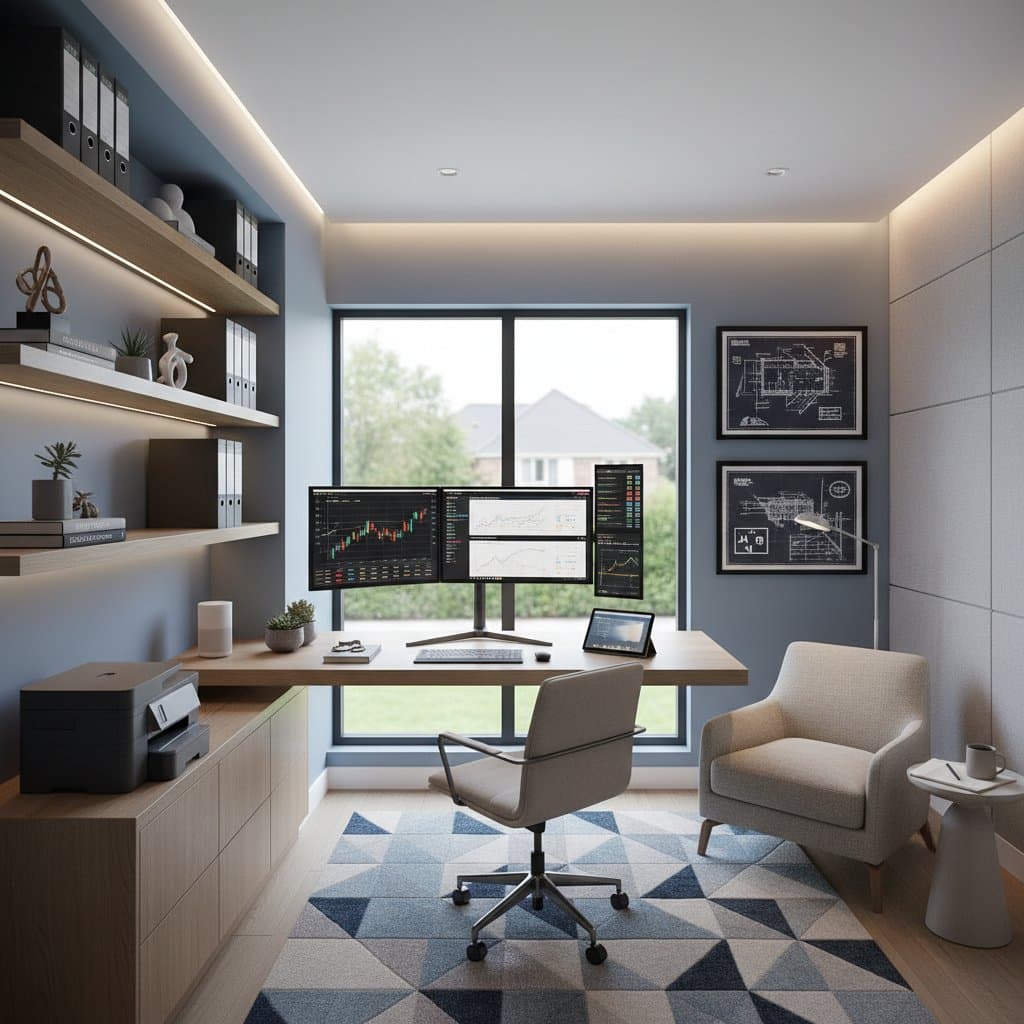
Remote professionals benefit from a dedicated home office that fosters concentration and ergonomics. Homeowners often seek clarity on project expenses and eligible tax benefits. This guide outlines material and labor estimates, alongside IRS guidelines for deductions, to support informed decisions.
Assessing the Need for a Remodel
Consider a remodel if remote work occupies more than half of your schedule. Current setups may contribute to ergonomic strain, distractions from ambient noise, or inadequate illumination. Such improvements also enhance property appeal by incorporating versatile designs, such as areas that serve as guest accommodations or reading nooks.
Evaluate space constraints, insufficient electrical outlets, or temperature fluctuations as key indicators. Initiate planning prior to broader home updates like painting or new flooring. Prioritize structural adjustments, including wiring and framing, to avoid redundant efforts.
Detailed Cost Breakdown
Expenses for a home office remodel vary based on project scale, selected materials, and existing conditions. National averages provide a baseline, as shown in the table below.
| Scope Item | Material Cost Range | Labor Cost Range | Total Range | Notes on Drivers |
|---|---|---|---|---|
| Basic surface upgrades (paint, flooring, trim) | $1,000 - $3,000 | $1,500 - $3,500 | $2,500 - $6,500 | Room size, flooring type, and prep work |
| Electrical and lighting upgrades | $500 - $1,500 | $800 - $2,000 | $1,300 - $3,500 | Outlet count, fixture quality, and circuit load |
| Built-in desk and shelves | $1,000 - $2,500 | $1,000 - $2,000 | $2,000 - $4,500 | Material grade and wall condition |
| HVAC and insulation adjustments | $800 - $2,000 | $1,200 - $2,500 | $2,000 - $4,500 | Duct access and insulation depth |
| Full remodel with finishes | $4,000 - $10,000 | $5,000 - $12,000 | $9,000 - $22,000 | Includes drywall, flooring, lighting, and trim |
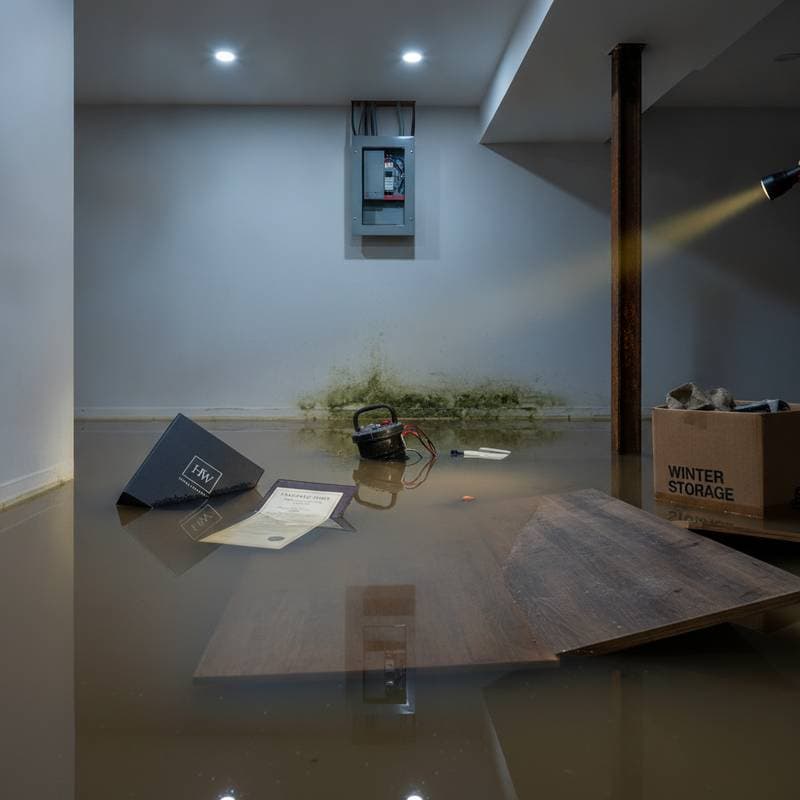
Costs increase in urban areas or older properties requiring panel upgrades, asbestos evaluations, or repairs from previous modifications. Allocate an additional 10 to 15 percent for basement projects to address humidity management and compliance with exit requirements.
Navigating Safety, Permits, and Building Codes
Engage a licensed electrician for any wiring beyond simple fixture swaps, followed by an official inspection. Dedicate office circuits to 20-amp breakers, with GFCI safeguards near moisture sources. Implement AFCI devices on circuits within habitable areas for added protection.
Balance airflow when installing new HVAC ducts by calculating appropriate sizing. Attic offices demand ceiling insulation of at least R-38 and wall insulation of R-13. Basement spaces necessitate vapor barriers paired with mold-resistant drywall.
Verify egress provisions for basement conversions, particularly if future use includes sleeping quarters. Install compliant windows or doors to meet safety standards.
Long-Term Maintenance Strategies
Routine checks preserve functionality post-remodel. Test outlets and lights monthly to ensure reliability. Annually review caulking and apply paint where needed. Change HVAC filters every three months in offices with dedicated vents.
Follow this maintenance schedule:
- After installation: Remove dust from vents and baseboards.
- Seasonal: Examine seals, verify smoke alarms, and test GFCI devices.
- Annual: Refresh paint in active zones and maintain window mechanisms.
- Decade-long: Resurface floors or install new carpeting as wear appears.
Optimal ventilation and humidity regulation prolong the durability of surfaces, vital in enclosed work areas.
IRS Deduction Eligibility
Qualifying expenses focus on workspace-specific enhancements. Deductible categories include:
- Paints, floors, and wall coverings restricted to the office footprint.
- Fixed desks and shelving dedicated exclusively to professional tasks.
- Dedicated lighting and power installations within the office.
- Targeted HVAC modifications or insulation improvements.
- Proportionate portions of taxes, insurance, and utilities based on office size.
Non-deductible items encompass:
- Broad home improvements such as roofing, exteriors, or grounds work.
- Movable furnishings or accents shared between work and personal use.
- Devices employed away from home or by household members.
Document square footage precisely and retain all invoices. For an office comprising 10 percent of total home area, claim 10 percent of indirect costs via the actual expense approach.
Evaluating Contractor Bids
Compare proposals to secure competitive pricing and quality. The table below illustrates sample bids for common elements.
| Line Item | Spec or Scope | Contractor A | Contractor B | Contractor C | Variance Notes |
|---|---|---|---|---|---|
| Electrical circuit and outlets | 20-amp circuit, 6 duplex outlets | $1,800 | $1,600 | $2,100 | Labor rates vary by region |
| Drywall and paint | 200 sq ft, Level 4 finish | $1,400 | $1,250 | $1,700 | Material quality and prep time |
| Built-in desk | 8 ft laminate surface, open base | $2,200 | $2,400 | $1,950 | Material grade and edge finish |
| Lighting package | 4 LED cans, 1 pendant | $1,000 | $900 | $1,200 | Fixture quality and dimmer setup |
Confirm inclusions for permits, repairs, and waste removal in each quote. Verify contractor credentials, including insurance and licensing, prior to commitment.
Key Factors Influencing Costs
Three primary elements shape every remodel budget:
- Geographic Location: Urban or coastal regions command higher labor and material rates due to demand and logistics.
- Project Scope: Basic updates cost less than comprehensive overhauls involving structural changes.
- Material and Finish Quality: Premium selections, like hardwood over laminate, elevate expenses but enhance longevity.
Assess these factors early to refine estimates and align with financial goals.
Executing Your Remodel Plan
Start by measuring the space and sketching layout options to optimize flow. Consult local codes through municipal offices to preempt permit hurdles. Secure multiple bids and select professionals with home office experience.
Track all expenditures with dated receipts tied to the workspace. Upon completion, photograph the setup for deduction substantiation. These steps ensure a seamless process that delivers lasting productivity gains and fiscal advantages.
Realizing Workspace Benefits
A well-executed remodel cultivates an environment that sustains focus and well-being. Integrated tax strategies further amplify returns on investment. Homeowners gain not only immediate utility but also elevated home equity through thoughtful, compliant enhancements.