The Future of Home Warranties: AI Inspections in 2026
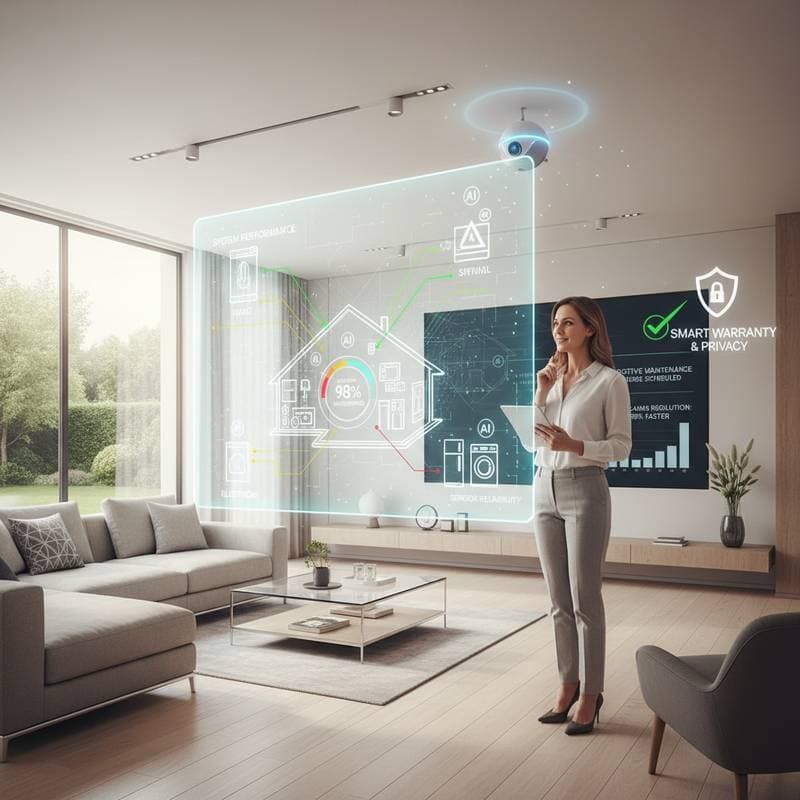
Home warranties traditionally involve extensive paperwork and prolonged phone interactions with service providers. This landscape changes significantly with the integration of artificial intelligence for real-time inspections. These advanced systems monitor, predict, and validate the performance of essential home components, ultimately minimizing disputes, accelerating claim resolutions, and ensuring ongoing compliance with warranty terms.
The adoption of AI inspections marks a pivotal advancement in residential property management. Homeowners benefit from proactive insights that prevent minor issues from escalating into costly repairs. Warranty providers gain access to verifiable data, which streamlines their processes and enhances overall efficiency.
Functions of AI-Driven Home Inspections
AI inspections rely on an array of cameras, sensors, and sophisticated data analytics to evaluate the condition of mechanical, electrical, and structural elements within a residence. These tools continuously measure parameters such as temperature fluctuations, vibration levels, voltage stability, and fluid flow rates. Deviations from established norms trigger immediate alerts, indicating possible malfunctions.
The collected information integrates seamlessly into centralized dashboards accessible to homeowners, warranty administrators, and service professionals. Rather than responding to breakdowns after they occur, the system anticipates maintenance requirements. This forward-looking approach allows for timely interventions that preserve system integrity and extend equipment longevity.
For instance, a sensor detecting irregular HVAC airflow might prompt a preemptive filter replacement, averting a full system failure. Such precision reduces the frequency of emergency calls and associated expenses.
Advantages, Drawbacks, and Ideal Applications
Advantages
- Expedited warranty claims supported by empirical evidence
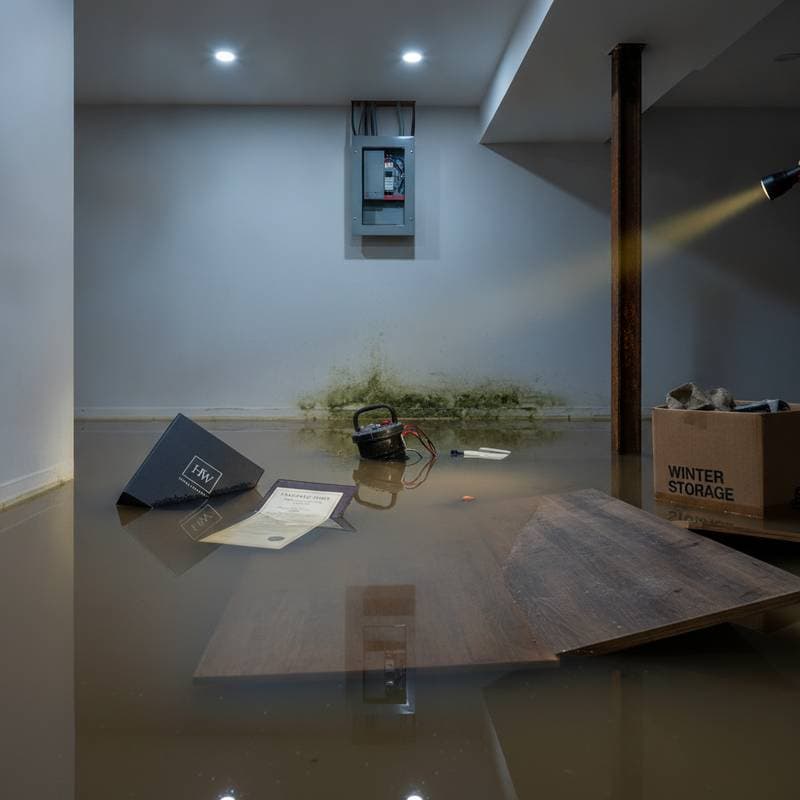
- Timely identification of potential problems like water leaks, electrical faults, or operational inefficiencies
- Decreased likelihood of claim denials stemming from overlooked upkeep
Drawbacks
- Dependency on sensors and smart devices that demand consistent power supply and internet connectivity
- Heightened privacy risks associated with perpetual surveillance of home environments
- Elevated upfront expenses for equipment acquisition and system integration
Ideal Applications
AI inspections prove most effective in modern or recently renovated properties equipped with intelligent heating, ventilation, air conditioning, electrical, and plumbing infrastructures. They offer particular value to individuals managing multiple residences, providing centralized remote monitoring capabilities. In these scenarios, the technology maximizes return on investment by preventing widespread disruptions across portfolios.
Detailed Cost Analysis
Understanding the financial implications helps homeowners make informed decisions. Costs vary based on property size, existing infrastructure, and selected vendors.
| Scope Item | Material Cost Range | Labor Cost Range | Total Cost Range | Influencing Factors |
|---|---|---|---|---|
| Sensor Suite Installation (HVAC, Water, Electrical) | $400 - $900 | $250 - $600 | $650 - $1,500 | Variations depend on manufacturer quality, installation accessibility, and electrical wiring demands |
| AI Inspection Subscription Service | $10 - $40 monthly | N/A | $120 - $480 annually | Rates fluctuate with data processing volume and square footage of the home |
| Yearly Verification Inspection | N/A | $150 - $300 | $150 - $300 | Essential for upholding warranty terms in certain policies |
For a typical single-family dwelling, initial outlay approximates $1,000. Properties that are larger or require extensive retrofitting may incur expenses exceeding $2,000. Long-term savings often offset these investments through reduced repair frequencies and optimized energy use.
Installation Procedure
Required Personal Protective Equipment: Safety glasses, work gloves, and a voltage tester.
- Survey the home's current systems and identify optimal connection points.
- Position temperature, current, and flow sensors at critical locations, such as furnace outlets, water lines, and circuit panels.
- Link the sensors to a secure Wi-Fi network or dedicated wired controller.
- Perform calibration by establishing baseline measurements from normal operating conditions.
- Integrate the setup with the warranty management platform and validate sensor functionality.
Professional technicians typically complete this process within a single day. Homeowners with technical proficiency may accomplish it over a weekend, provided they follow detailed manufacturer guidelines.
Compliance with Safety Standards, Permits, and Regulations
Electrical integrations must adhere to local building codes and incorporate components certified by Underwriters Laboratories. Sensors for plumbing applications require ratings compatible with drinking water pressures, generally between 60 and 80 pounds per square inch. When installations involve penetrations through fire-resistant barriers, obtaining permits and scheduling official inspections becomes necessary.
Homeowners must refrain from alterations that could invalidate original equipment warranties, including unauthorized access to enclosed HVAC components. Consulting certified professionals ensures adherence to these protocols and safeguards against liability issues.
Pitfalls to Sidestep During Implementation
Selecting uncertified sensors or inexpensive connectors can compromise system accuracy and safety. Neglecting post-installation calibration leads to unreliable data outputs. Additionally, overlooking alerts from false alarms, which often signal sensor degradation, may delay genuine problem resolution.
To mitigate these risks, conduct thorough vendor research and schedule routine system checks. Document all installation steps for warranty documentation purposes.
Ongoing Maintenance Strategy and Component Durability
Immediate Post-Installation: Review sensor data weekly to detect anomalies or connectivity issues.
Seasonal Upkeep: Remove accumulated dust from central hubs and test Wi-Fi signal strength.
Yearly Routine: Swap out batteries in wireless units and recalibrate the entire array.
Sensors generally endure three to five years of service before necessitating replacement. Adhering to this schedule preserves data precision and system reliability.
Guidelines for Choosing Professional Installation Versus Self-Installation
Apply the following decision framework:
- Technical Proficiency: Adequate experience with electrical wiring and sensor calibration.
- Safety Assessment: Absence of involvement with high-voltage elements or high-pressure conduits.
- Equipment Access: Possession of essential tools, including a multimeter, torque wrench, and diagnostic computer.
Failure in any criterion warrants engaging a licensed specialist to avoid hazards and ensure optimal performance.
Implementing AI Inspections Effectively
Initiate the process by soliciting a comprehensive digital infrastructure evaluation from your warranty issuer or a certified home automation expert. Verify eligibility of specific systems for AI oversight. Evaluate no fewer than two subscription options, focusing on pricing transparency and coverage scope.
Following deployment, monitor the dashboard on a monthly basis to maintain warranty adherence and preemptively address emerging concerns. This disciplined approach not only protects investments but also fosters a more resilient living environment.