2025 Modular Kitchens: Streamline Your Remodel with Proven Costs
Key Overview
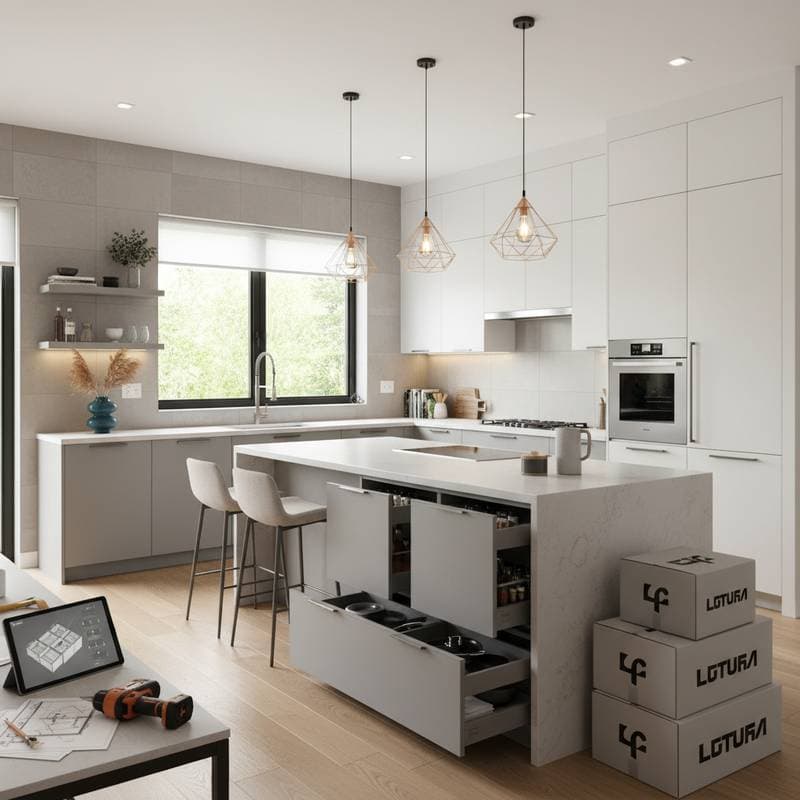
Definition: Modular kitchens consist of pre-engineered systems featuring standardized cabinets, drawers, and fittings that assemble into a cohesive layout.
Benefits: These systems reduce remodel duration by up to 50 percent, minimize construction waste, and provide a sleek, contemporary appearance.
Average Expenses: Costs typically range from $9,000 to $27,000 nationwide, with $15,000 serving as the midpoint for standard materials and features.
Professional Guidance: Engage a licensed contractor for any modifications involving electrical wiring, plumbing, or structural elements.
Timeline Expectations: The full process, from fabrication to installation, spans two to four weeks.
Care Schedule: Examine hardware and hinges once a year; perform thorough cabinet cleaning every six months.
Essential Components of a Modular Kitchen
Modular kitchens rely on five core elements to create functional and efficient spaces.
- Base Cabinets: These units bear the weight of countertops while accommodating drawers, plumbing fixtures, and built-in appliances.
- Wall Cabinets: Positioned at upper levels, they maximize storage and establish the overall height of the kitchen design.
- Tall or Pantry Units: These vertical structures offer dedicated space for bulk food items, small appliances, or cleaning supplies.
- Countertops: Select from durable options such as quartz, granite, laminate, or solid surface materials to suit aesthetic and practical needs.
- Hardware and Fittings: Elements like hinges, drawer slides, and handles influence ease of use and the overall tactile experience.
Indicators of Issues: Watch for sagging cabinet doors, drawers that do not align properly, laminate surfaces that peel, or moisture damage around sinks, as these suggest immediate repairs or replacements.
Detailed Installation Process
Follow these steps to transform your kitchen efficiently.
- Measure and Plan: Accurately assess the area, noting locations for plumbing, electrical outlets, and ventilation systems.
- Determine Layout: Opt for configurations like L-shaped, U-shaped, parallel walls, or a central island based on room dimensions and daily routines.
- Select Materials: Pair base and wall units with compatible countertops and backsplashes that align with your style preferences.
- Fabrication Phase: The manufacturer constructs modules precisely to your specifications in a controlled factory environment.
- Prepare the Site: Remove existing cabinets, repair wall surfaces, and adjust utility lines as necessary.
- Assemble on Site: Level each module, secure it in place, and connect units to form a seamless assembly.
- Complete Finishes: Install countertops, backsplashes, and hardware, then apply sealants to all joints for protection.
Smaller kitchens may complete this process in two weeks, while larger designs require up to four weeks. Factor in delivery times, which can add a few days depending on supplier location.
DIY Installation Versus Professional Services
| Aspect | DIY Suitability | Considerations |
|---|---|---|
| Required Skills | Intermediate | Involves precise measurements and operation of power tools |
| Potential Hazards | Moderate | Includes risks from sharp edges, heavy loads, and electrical work |
| Necessary Tools | Drill, level, circular saw, clamps | Invest in high-quality tools for better results |
| Regulatory Requirements | Permits for plumbing or electrical alterations | Consult your local building authority |
| Time Investment | 5 to 10 days for skilled individuals | Professionals complete the job in 2 to 4 days |
| Warranty Implications | May invalidate manufacturer coverage | Verify terms directly with the supplier |
Professionals ensure precise alignment and preserve warranty validity, making their involvement advisable for complex projects.
Safety Protocols and Building Codes
Disconnect power sources and water supplies prior to dismantling old cabinets. Wear protective gloves, safety goggles, and respiratory masks throughout the process. Maintain proper ventilation when applying adhesives or sealants. Licensed electricians or plumbers must handle any rewiring or gas line adjustments to comply with regional codes.
Long-Term Care and Durability
With consistent maintenance, modular kitchen elements endure 15 to 20 years. Address spills immediately to prevent staining, apply lubricant to hinges yearly, and reseal countertops periodically. Swap out fatigued handles and slides to sustain effortless functionality.
To extend lifespan further, avoid overloading shelves and use coasters under hot items on surfaces. Schedule professional inspections every five years for hidden issues like cabinet alignment shifts.
Plan and Execute Your Upgrade
Focus initial planning on optimizing workflow, such as placing appliances near preparation zones, before selecting visual finishes. Prioritize resilient materials that fit your financial plan, and double-check all dimensions prior to ordering. Modular kitchens enable swift transformations, budget control, and a polished result without extended household interruptions.