How Much Does a Kitchen Remodel Cost? 2025 Pricing Guide
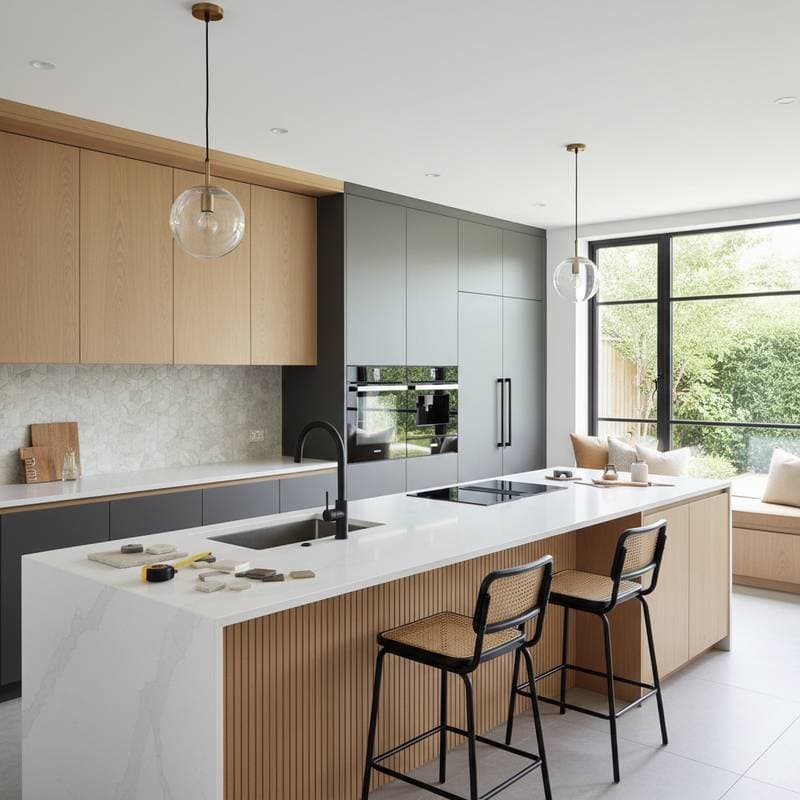
A kitchen remodel updates the central hub of your home, boosting daily functionality and overall property appeal. In 2025, these projects typically range from $15,000 to $80,000, with mid-range renovations averaging $42,500. This investment covers essentials like cabinets, countertops, appliances, and flooring, while delivering returns through improved efficiency and resale value.
Key drivers of cost include kitchen size, material selections, and project scope. Labor rates vary by region, with urban areas commanding higher prices due to demand and regulations. Data from industry sources indicate that targeted remodels recover up to 75% of expenses at sale, especially when focusing on layout improvements and energy-saving features.
Beyond aesthetics, a professional remodel enhances usability and market positioning. Choices like integrated storage and resilient surfaces provide enduring benefits in a competitive real estate landscape.
Detailed Cost Breakdown
Kitchen remodel budgets align with three pricing models: per-square-foot rates, component-specific costs, and full-project estimates.
Per-square-foot costs fall between $100 and $300, influenced by finish levels and design elements. For instance, a compact 100-square-foot kitchen might total $15,000 with basic upgrades, whereas a 250-square-foot space with upscale features could surpass $70,000. Many contractors apply minimum fees of $5,000 to $8,000 for modest jobs.
Basic remodels at the lower end average $20,000. Mid-tier projects hit $42,000, and high-end ones climb to $80,000 or more, incorporating bespoke elements and premium appliances.
Size and Scope
Each additional 50 square feet raises expenses by $5,000 to $7,000, accounting for extra materials and installation. Layout changes, such as wall relocations, introduce structural and utility costs that inflate the budget by 15% to 25%. Surveys from home improvement platforms highlight expansion as a primary cause of overruns.
Consider a case where a homeowner invested $52,000 to convert a narrow galley kitchen into an open design, addressing electrical updates and structural supports.
Material and Quality Tiers
Entry-level options rely on ready-made cabinets from suppliers like IKEA, laminate surfaces, and resilient vinyl floors. These setups run $100 to $150 per square foot and hold up for 10 to 15 years under regular maintenance.
Mid-range selections incorporate semi-custom cabinetry from brands such as KraftMaid, durable quartz counters, and efficient stainless appliances. Priced at $200 to $250 per square foot, they strike an optimal mix of durability and affordability.
Luxury tiers feature tailored cabinets, natural stone or eco-friendly countertops, and pro-level appliances from makers like Sub-Zero. Costs exceed $300 per square foot, but these installations include extended warranties up to 20 years and superior resale recovery.
Complexity Variables
Challenges like limited access, legacy electrical systems, or pipe rerouting extend labor time and expenses. Unforeseen problems, such as moisture damage or ventilation issues, can add 10% to 30% to the total. Adhering to local codes for wiring and construction further affects pricing, alongside location-based differences. Cities like Boston or San Francisco impose 20% labor surcharges relative to rural or smaller urban settings.
Service Types and Comprehensive Pricing
Basic Kitchen Remodel Package
This option covers:
- Cabinet resurfacing or refinishing
- Laminate or budget quartz countertop swap
- Sink and faucet refresh
- Lighting and wall color updates
Work spans two to three weeks, with totals from $15,000 to $28,000. It suits kitchens in good structural condition seeking visual refreshes.
Premium Kitchen Remodel Package
Comprehensive upgrades entail:
- Complete cabinet overhaul
- Layout adjustments or wall modifications
- Stone countertops
- New flooring, tile accents, and hardware
- Advanced appliances with smart controls
Budgets range from $45,000 to $80,000, a 60% to 70% increase over basics. Returns materialize in under five years via value growth and utility reductions.
Add-On Services Matrix
| Add-On Service | Typical Cost | Bundle Savings | Value Benefit |
|---|---|---|---|
| Lighting upgrade | $1,200 - $3,000 | 10% | Boosts visibility and energy savings |
| Plumbing upgrade | $1,500 - $4,000 | 12% | Avoids future repairs and meets codes |
| Appliance package | $5,000 - $10,000 | 8% | Elevates efficiency and market draw |
Coordinating services with a single provider cuts overall expenses by 5% to 15% via streamlined workflows.
Professional vs. DIY Analysis
DIY Cost Breakdown
Self-managed projects appeal for savings but often total $8,000 to $25,000, including supplies and incidentals. Core purchases might include:
- Cabinets: $2,500 (pre-assembled units)
- Countertops: $1,200 (modular quartz)
- Appliances: $3,000 (standard models)
- Tools: $500 (rentals or buys)
- Flooring: $1,000 (plank vinyl)
Expect 80 to 120 hours of effort, demanding skills in woodworking, wiring, and piping. Errors, such as faulty alignments, lead to expensive fixes.
Professional Advantages
Hiring experts ensures precision and compliance, sparing 100 hours of personal time. Certified professionals provide warranties and leverage discounts on materials, justifying their fees. Analysis reveals that professional work recoups costs through enhanced value and lower upkeep in three to five years.
Actionable Cost-Saving Strategies
Timing Optimization
Align projects with off-peak periods to secure 10% to 20% reductions in quotes. Opt for midweek launches or end-of-month slots when calendars have openings.
Smart Shopping Tactics
Obtain three or more estimates via trusted directories. Barter on terms and procure items separately to trim another 5% to 10%. Suppliers frequently discount for prompt payments or package deals.
Preparation Actions
Handle initial teardown and site prep to save $500 to $1,000. Define project boundaries and selections upfront to sidestep mid-job adjustments.
Market Dynamics and Considerations
Geographic Variations
Urban centers average $50,000 for remodels, suburbs $35,000, and rural areas under $25,000. Local workforce and approvals account for these gaps.
Market Timing
Supply disruptions and economic pressures have lifted material prices by 8% to 12%, with labor up due to talent shortages.
Value Indicators
Remodels reclaim 67% to 75% at sale, with efficient appliances and sturdy materials yielding top results. Updated kitchens accelerate sales and draw competitive bids.
Steps to Secure Lasting Returns
Prioritize elements that align with your lifestyle and market trends, such as versatile islands or integrated tech. Consult local experts early to tailor plans and avoid pitfalls. With informed decisions, your remodel not only elevates comfort but also fortifies financial equity for years ahead.