What Home Warranties Cover for Solar Panels
Homeowners who install solar panels frequently believe that the system receives complete protection from the installer or manufacturer. This assumption holds only partial validity. Standard home warranties seldom include solar panels without an additional renewable energy rider. Coverage details prove essential, as gaps in protection can lead to expenses in the thousands of dollars. This guide outlines the elements a home warranty addresses for solar panels, identifies exclusions, and evaluates the value of supplementary coverage.
Common Coverage Areas for Solar Panels
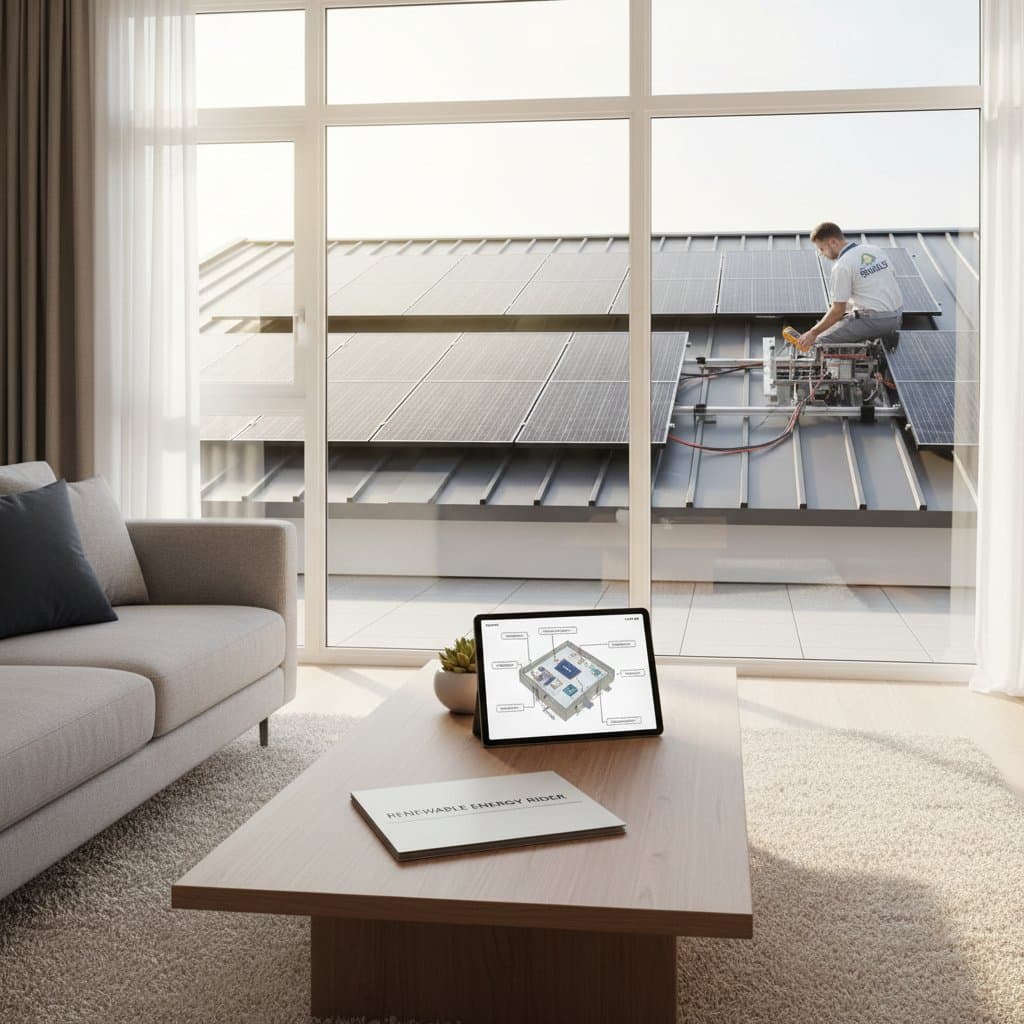
Under a home warranty with a renewable energy rider, solar panel systems typically receive protection for specific components. These warranties focus on failures arising from normal wear and tear rather than external damage. Understanding these areas helps homeowners anticipate potential claims and maintenance needs.
- Inverters: These devices convert direct current from the panels into alternating current for household use. Warranties cover mechanical or electrical breakdowns, such as component failures that halt power conversion.
- Monitoring equipment: This includes sensors and controllers that monitor system performance and output. Coverage applies to malfunctions under standard operating conditions, ensuring reliable tracking of energy production.
- Mounting hardware: Racks, bolts, and supports that secure panels to the roof fall under protection for issues like corrosion or material degradation. However, damage from storms or impacts remains excluded.
- Wiring and conduit: Electrical lines connecting panels to the service panel qualify for coverage when normal wear causes shorts or breaks. Repairs address issues like insulation deterioration over time.
Solar panels themselves rarely qualify for replacement through a home warranty. Manufacturers provide performance guarantees for panels that often extend beyond 20 years. Home warranties complement these by addressing ancillary parts, such as inverters, which typically last 10 to 15 years.
Cost Breakdown and Drivers
The addition of solar panel coverage to a home warranty generally costs between $15 and $40 monthly. Factors influencing this premium include the system's size, age, and geographic location. Systems with microinverters or those in regions prone to environmental stress incur higher premiums due to increased complexity and replacement risks.
| Scope Item | Material Cost Range | Labor Cost Range | Total Range | Notes on Drivers |
|---|---|---|---|---|
| Solar inverter replacement | $1,000 - $2,500 | $400 - $800 | $1,400 - $3,300 | Inverter type and capacity determine costs; larger systems require more robust units. |
| Mounting hardware repair | $150 - $400 | $200 - $450 | $350 - $850 | Roof pitch and access difficulty elevate labor expenses. |
| Monitoring equipment | $250 - $600 | $150 - $300 | $400 - $900 | Integration with existing systems may necessitate additional programming. |
| Conduit or wiring repair | $75 - $250 | $150 - $350 | $225 - $600 | Wiring length and confined spaces, such as attics, increase repair time. |
Most home warranties impose limits of $2,000 to $3,000 per service item. Homeowners bear responsibility for any costs exceeding these caps, which underscores the importance of selecting policies with adequate limits for solar investments.
Safety, Code Compliance, and Warranty Considerations
Repairs to solar systems involve high-voltage direct current circuits that can surpass 600 volts. Only licensed professionals possess the expertise to safely disconnect panels or access inverters. Attempts at do-it-yourself repairs risk severe electrical shock and invalidate both home warranty and manufacturer protections.
Systems integrated with the home's main electrical panel require a dedicated breaker equipped with clear labeling. Inverter replacements or wiring modifications often necessitate permits from local authorities. Homeowners should consult their building department to verify compliance before arranging any service, ensuring adherence to electrical codes and avoiding fines.
Maintenance Strategies to Extend System Lifespan
Regular upkeep preserves solar system efficiency and minimizes warranty claim complications. A structured maintenance plan addresses common vulnerabilities proactively. Homeowners who follow these steps safeguard their investment and maintain eligibility for coverage.
- Post-installation inspection: Examine mounts and sealants following the initial heavy rain to detect early loosening or leaks.
- Seasonal cleaning: Rinse panels with plain water to remove dust, pollen, or bird droppings that reduce efficiency; avoid harsh chemicals that could damage surfaces.
- Annual performance check: Compare inverter display data against utility meter readings to confirm consistent output and identify subtle declines.
- Component replacement schedule: Plan for inverter upgrades every 10 to 15 years, aligning with typical degradation patterns for optimal performance.
These practices not only prolong equipment life but also provide documentation that strengthens warranty claims by demonstrating diligent care.
Preparation Checklist for Solar Warranty Claims
Before filing a claim or performing maintenance, gather these essentials to streamline the process:
- Documentation: Retain installation records, manufacturer warranties, and proof of the renewable energy rider addition.
- Visual assessment tools: Use a ladder for safe access, a soft brush for gentle cleaning, and a voltage tester for non-invasive checks on connections.
- Professional contacts: Maintain a list of certified solar technicians and your home warranty provider's claim hotline.
- Compliance verification: Confirm local permit requirements and code adherence for any planned repairs.
Securing Your Solar Investment Through Informed Coverage
Selecting the appropriate home warranty rider bridges critical gaps in solar protection, particularly for high-wear components like inverters and wiring. By understanding coverage scopes, budgeting for premiums, and committing to routine maintenance, homeowners position their renewable energy systems for long-term reliability. This approach not only mitigates unexpected repair costs but also maximizes the return on a sustainable investment, ensuring uninterrupted clean energy production for years to come.