Multigenerational Homes: ADU Costs in 2026
Accessory dwelling units, known as ADUs or backyard cottages, redefine family living arrangements. Homeowners increasingly incorporate these structures to accommodate aging parents, grown children, or generate rental revenue. Central to this trend is understanding costs, which vary based on multiple factors. This guide examines ADU expenses, the reasons behind price differences, and essential considerations for integrating one into a multigenerational home.
Benefits, Drawbacks, and Ideal Applications
Benefits
- Preserve family closeness while preserving individual privacy.
- Increase overall property value and create opportunities for rental income.
- Maximize existing property space without acquiring additional land.
- Adapt designs for accessibility features that support aging in place.
Drawbacks
- Require substantial initial investment in construction.
- Involve intricate permitting and inspection processes.
- Face restrictions from narrow lot boundaries or utility easements.
- Necessitate potential upgrades to utilities, leading to unforeseen expenses.
Ideal Applications
ADUs prove most valuable in areas with rising property values, supportive zoning laws, and long-term residency plans. They suit homeowners with sufficient equity for financing and a goal to minimize future caregiving or housing expenses. Consider local market dynamics and family needs before proceeding.
Construction Process and Timeline
Permits typically include building, electrical, plumbing, and occasionally grading or tree removal approvals. Safety equipment such as hard hats, gloves, eye protection, hearing protection, and dust masks remains essential during demolition and construction phases.
1. Feasibility Assessment and Design (2 to 6 Weeks)
Evaluate setbacks, lot coverage ratios, and height restrictions. Confirm access to sewer lines and electrical services. Engage an architect or designer experienced in ADU regulations to develop compliant plans.
2. Permitting and Budget Development (4 to 12 Weeks)
Submit detailed plans to the local building authority. Anticipate feedback requiring modifications. Obtain bids from at least three licensed general contractors to establish a realistic budget.
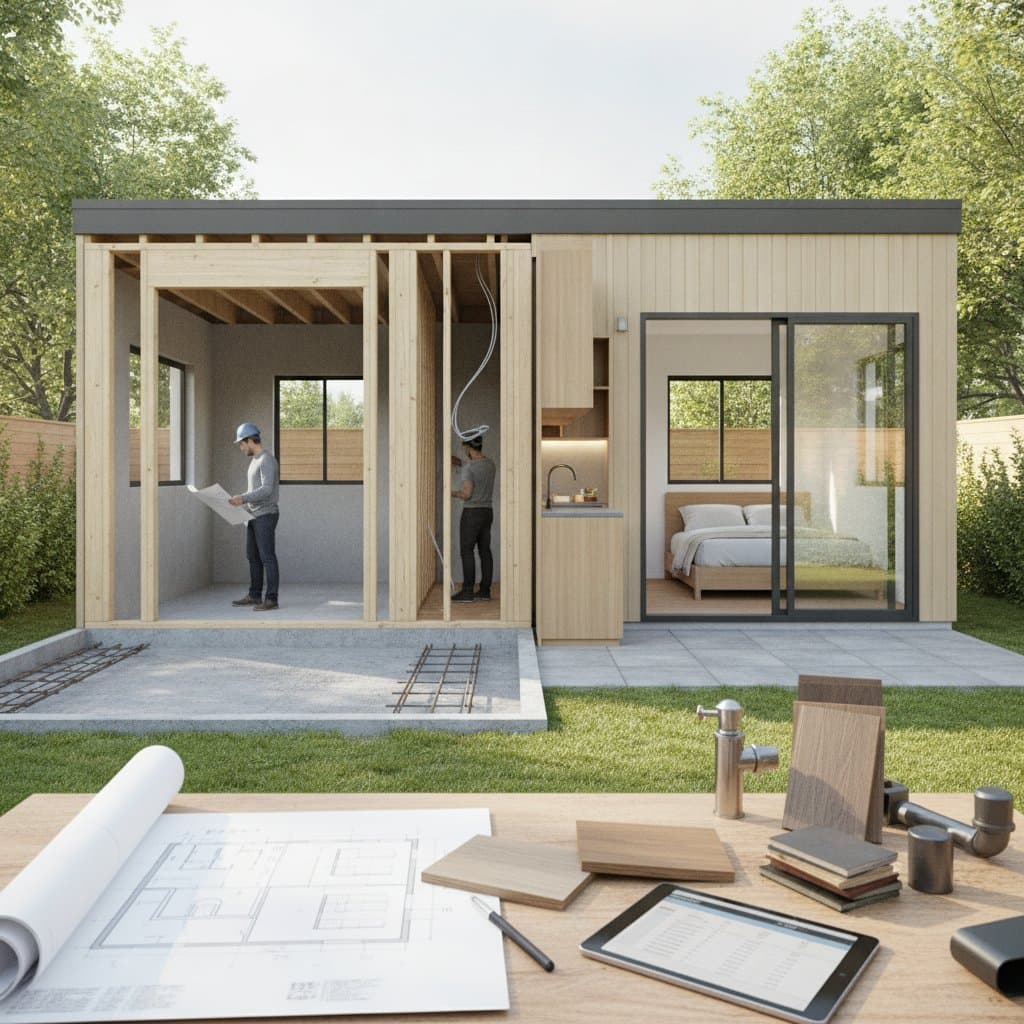
3. Site Preparation and Foundation Work (2 to 4 Weeks)
Clear vegetation and debris, excavate for utilities, and install the foundation slab or footings. Conduct soil compaction tests if mandated by local codes.
4. Framing, Roofing, and Initial Installations (4 to 8 Weeks)
Erect structural walls and roofing systems, followed by rough installations for plumbing, electrical, and heating, ventilation, and air conditioning (HVAC) systems. Arrange inspections after each trade completes its portion.
5. Insulation, Drywall, and Finishing Touches (3 to 6 Weeks)
Apply insulation meeting code standards, such as R-13 for walls and R-30 for ceilings. Install drywall, then add paint, trim work, and fixtures like lighting and cabinetry.
6. Final Inspections and Occupancy (1 to 2 Weeks)
Inspect for smoke and carbon monoxide detectors, ground-fault circuit interrupter (GFCI) outlets, and proper emergency exits. Secure a certificate of occupancy to enable move-in.
Common Pitfalls to Sidestep
- Overlooking Utility Evaluations – Aging sewer lines or inadequate electrical capacity often result in additional thousands in retrofitting costs.
- Excessive Customization – Incorporating premium amenities may exceed budgets and hinder resale appeal.
- Neglecting Site Drainage – Improper grading around foundations invites water damage and structural issues.
- Attempting Structural Tasks Without Expertise – Foundations and framing demand adherence to codes; always employ licensed professionals.
- Failing to Coordinate Construction Access – Requirements for cranes or material deliveries might necessitate temporary road permits or neighbor notifications.
Guidelines for Professional Versus Do-It-Yourself Approaches
Assess capabilities using this framework to determine suitable tasks.
Do-It-Yourself Opportunities
- Matching Skills – Handle non-structural elements like painting, flooring installation, or trim application if experienced.
- Low Safety Concerns – Limit efforts to cosmetic finishes away from electrical or plumbing systems.
- Available Equipment – Basic tools suffice for surface-level work; avoid projects needing heavy machinery.
Professional Engagement Criteria
Retain licensed contractors for any work involving structural integrity, electrical wiring, or plumbing connections. Secure a detailed contract outlining scope, timeline, and fixed pricing. A reliable general contractor manages subcontractors, ensures inspection compliance, and provides post-completion warranties.
Preparation Checklist
Essential Tools
- Tape measure, laser level, and underground utility locator.
Required Skills
- Interpreting architectural plans, performing basic cost calculations, and overseeing project coordination.
Safety Equipment
- Hard hat, gloves, eye protection, and N95-rated dust mask.
Permit Requirements
- Building permit, electrical permit, plumbing permit, and potentially grading or tree removal permits.
Preliminary Actions
- Survey property boundaries and review easements.
- Identify utility connection locations.
- Install temporary fencing and designate material storage areas.
Environmental and Site Factors
- Postpone foundation work during freezing temperatures or heavy rainfall.
- Allocate additional time for inspections in areas with high permit volumes.
Advancing Your ADU Project
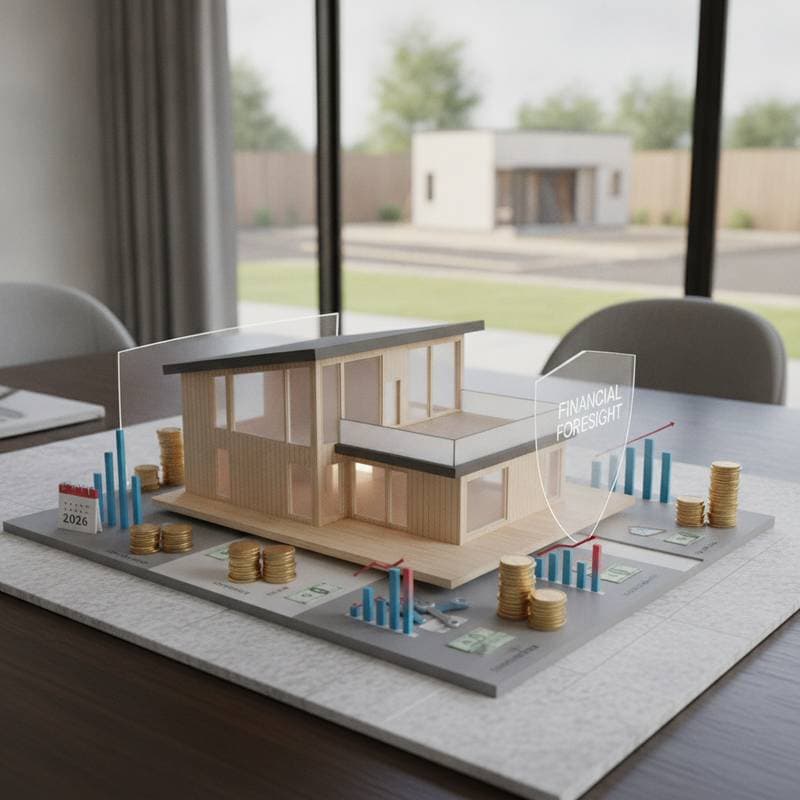
Constructing an ADU for multigenerational purposes represents a significant yet fulfilling endeavor. Establish a feasible budget, refine design specifications, and evaluate site conditions thoroughly. Secure financing arrangements prior to submitting plans for approval.
For many projects, total expenses fall between $160,000 and $300,000, with timelines spanning four to eight months from permitting to completion. These additions deliver enhanced family adaptability and elevated property worth.
Maintain detailed records of upkeep from the outset, monitor warranty periods, and conduct regular seasonal checks. Executed properly, an ADU supports enduring family requirements, assists young adults in establishing independence, or provides secure, private quarters for elderly relatives.
To initiate, review municipal ADU regulations through official channels, measure your lot dimensions, and consult a licensed contractor for a site evaluation. These initial actions clarify the potential design of your expanded home and the precise investment required to realize it.