Flood-Proofing Costs and Materials That Last
Summary Box
National average cost: $7,800
Typical range: $3,500 to $18,000
Low end: $1,200 for simple sealants and barriers
High end: $60,000 for full elevation and structural work
Time to complete: 2 days to 3 weeks
DIY or Pro: Mix, depending on the method
ROI or resale impact: Moderate to high in flood-prone areas
Cost Breakdown
| Item | Unit cost | Typical quantity | Line total | Notes |
|---|---|---|---|---|
| Waterproof coatings and sealants | $1.50 to $4 per sq ft | 1,000 sq ft | $1,500 to $4,000 | Applied to foundation walls and floors |
| Flood vents | $250 to $600 each | 4 to 8 units | $1,000 to $4,800 | Equalizes water pressure, required in many flood zones |
| Sump pump with backup | $900 to $2,500 each | 1 unit | $900 to $2,500 | Includes pump, pit, discharge, and power backup |
| Check valves on drains | $150 to $400 each | 2 to 4 units | $300 to $1,600 | Prevents backflow during floods |
| Foundation grading and drainage | $2 to $8 per sq ft | 500 sq ft | $1,000 to $4,000 | Improves runoff away from the house |
| Perimeter French drain system | $25 to $50 per linear foot | 80 ft | $2,000 to $4,000 | Installed below grade along foundation |
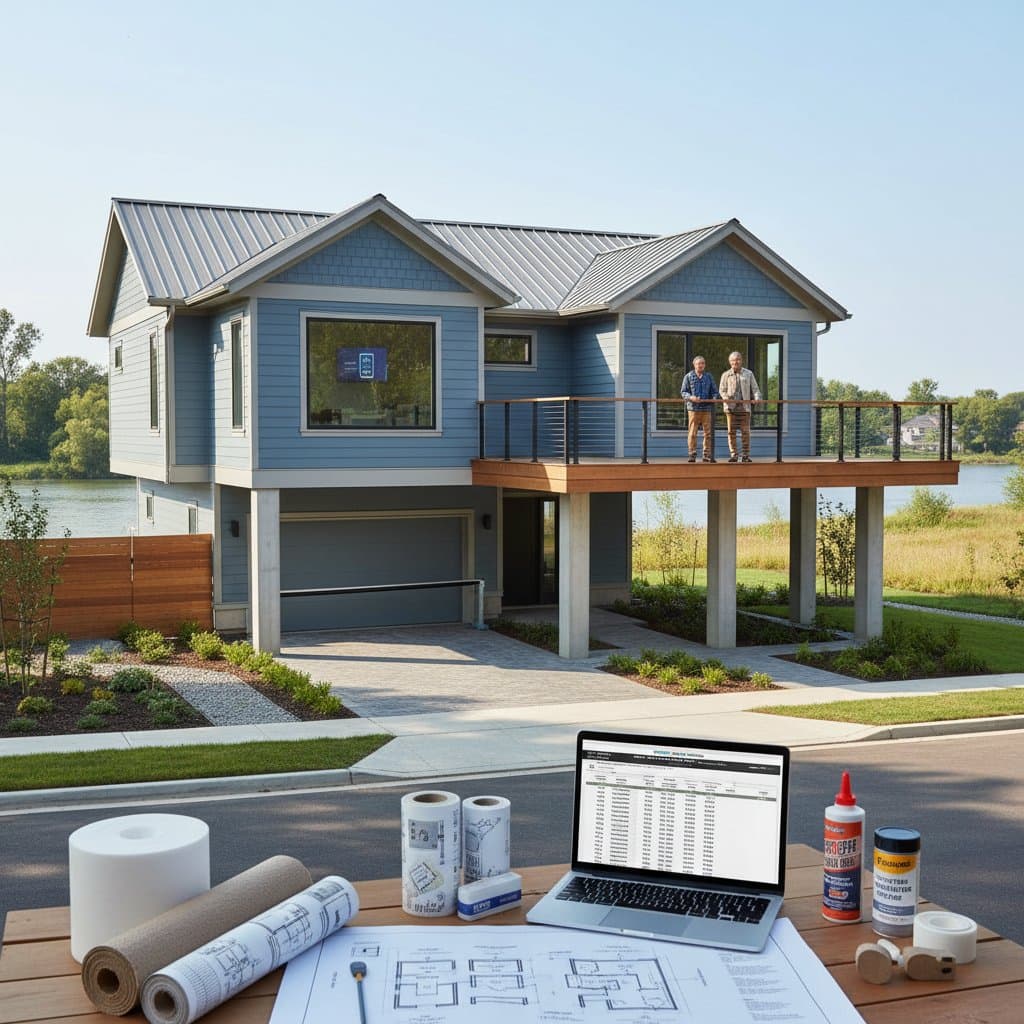
| Elevation or structural retrofit | $30,000 to $60,000 lump sum | 1 project | $30,000 to $60,000 | Raises home above base flood elevation |
| Permit and inspection fees | $200 to $800 | 1 project | $200 to $800 | Required for structural and drainage work |
| Debris removal and disposal | $100 to $400 | 1 project | $100 to $400 | Covers excavation and waste handling |
Total typical project range: $3,500 to $18,000 for partial systems, up to $60,000 for full elevation.
Cost Factors
Several elements influence the overall expense of flood-proofing projects. Larger foundations and basements demand more materials and labor to seal effectively and install drainage solutions. Opting for industrial-grade epoxies or polymer membranes enhances durability but elevates the price compared to basic options.
Site-specific challenges, such as limited access to crawl spaces, elevated groundwater levels, or unstable soil, extend labor requirements and complicate installations. Regional labor markets fluctuate, with peak flood seasons increasing contractor rates due to heightened demand. Custom modifications, like adapting older foundations or incorporating sump basins during ongoing work, often lead to additional charges through change orders.
DIY vs Pro
Homeowners with basic skills can manage certain flood-proofing elements independently. These include applying masonry sealants to interior walls, setting up door and window flood barriers, and deploying temporary systems like sandbags or modular panels.
Certain tasks require professional expertise to ensure safety and compliance. Examples encompass installing sump pumps with backup power, cutting openings for flood vents in foundation walls, regrading soil or integrating sub-drainage networks, and elevating structures to surpass base flood levels.
Safety and code notes:
Any modifications to drainage, structural integrity, or electrical components must adhere to local building codes. Engage a licensed plumber or general contractor for projects involving main drain connections or foundation alterations. While capable individuals may handle waterproof coatings and minor barriers, excavation, pump wiring, and similar activities pose risks. Faulty installations might invalidate insurance policies or redirect water toward adjacent properties.
How To Save Without Regret
Begin projects with a thorough inspection to pinpoint vulnerabilities accurately. Hire a home inspector or structural engineer to evaluate potential issues and recommend targeted solutions, avoiding unnecessary expenditures.
Combine related improvements, such as gutter repairs, soil regrading, and sump pump additions, to consolidate labor efforts and permit applications. Select cost-effective yet reliable materials; for instance, acrylic sealants offer robust water resistance for basements at a lower price than epoxy alternatives.
For areas with minimal flood risk, rely on removable flood panels or sandbag frames to shield entry points without committing to permanent fixtures. Always obtain quotes from at least three contractors to compare value.
Quote Comparison Checklist
- Scope is itemized
- Materials grade and brand listed
- Surface prep and cleanup included
- Permit and disposal fees included
- Warranty terms and timeline stated
- Payment schedule tied to milestones
Step By Step: Basic Basement Flood-Proofing
DIY Tool List
- Required tools: trowel, roller, bucket, utility knife, caulk gun, level
- Optional helpers: wet vacuum, dehumidifier
- Safety gear: gloves, goggles, respirator, knee pads
Steps
- Clean and inspect: Remove efflorescence or loose paint from basement walls. Dry surfaces completely using fans or dehumidifiers to prepare for sealing.
- Seal cracks: Inject hydraulic cement or epoxy filler into foundation fissures. Allow full curing, typically 24 hours, prior to applying coatings.
- Apply waterproof coating: Distribute the sealant evenly with a roller or sprayer. Execute two coats, permitting adequate drying intervals between applications.
- Install drain extensions: Route downspouts at least six feet from the foundation via rigid pipe extensions to divert rainwater effectively.
- Test grading: Monitor for pooling water after rain events. Reshape soil slopes to direct runoff away from the structure if puddles form.
- Add backup power to sump pump: Integrate a battery-operated or water-powered system to ensure functionality during electrical outages.
- Inspect quarterly: Examine for emerging cracks or moisture indicators. Reapply sealants or caulk promptly to prevent escalation.
Timeline and Scheduling
Most materials, including pumps, vents, and coatings, remain readily available with short lead times. However, components for structural elevation may require weeks to procure from suppliers.
On-site work varies by complexity: basic waterproofing concludes in two days, while comprehensive drainage or foundation enhancements span one to three weeks. Schedule inspections strategically, including one for drainage installations and another for final grading verification.
Maintenance and Lifespan
Regular upkeep extends the effectiveness of flood-proofing measures. Clear gutters seasonally, secure downspouts, and test sump pumps monthly to confirm operation. Replace pump batteries biennially to maintain reliability.
Anticipate potential issues like drain clogs, coating cracks, or malfunctioning check valves that permit water intrusion. Recognize early indicators such as damp patches, flaking paint, or odors of mildew, and intervene swiftly to mitigate damage.
Coatings typically endure five to ten years before recoating becomes necessary. Drainage systems and pumps function for eight to fifteen years under consistent maintenance, often warranting repairs rather than full replacements.
Regional Notes
Expenses escalate in coastal and riverine areas designated as high-risk flood zones per insurance mappings. Inland properties frequently suffice with partial waterproofing measures, whereas coastal dwellings mandate comprehensive elevation and certified vent installations. Adhere to local codes, which may stipulate elevation above base flood levels or specific vent certifications.
Securing Your Home's Future
Flood-proofing extends beyond immediate protection of walls and floors. It preserves financial equity, fosters reassurance, and facilitates rapid recovery following severe weather events. Initiate with a professional assessment, prioritize upgrades aligned with assessed risks, and implement tailored strategies to fortify your residence against water threats.