The Rise of Modular Additions: Costs in 2026
Key Cost Overview
National average cost: $165,000
Typical range: $110,000 to $240,000
Low end: $75,000 for a compact single-room addition
High end: $350,000 for expansive multi-module luxury setups
Completion timeline: 6 to 12 weeks following permit approval
Installation approach: Professional services essential
Return on investment: 55 percent to 80 percent at resale, influenced by finishes and regional demand
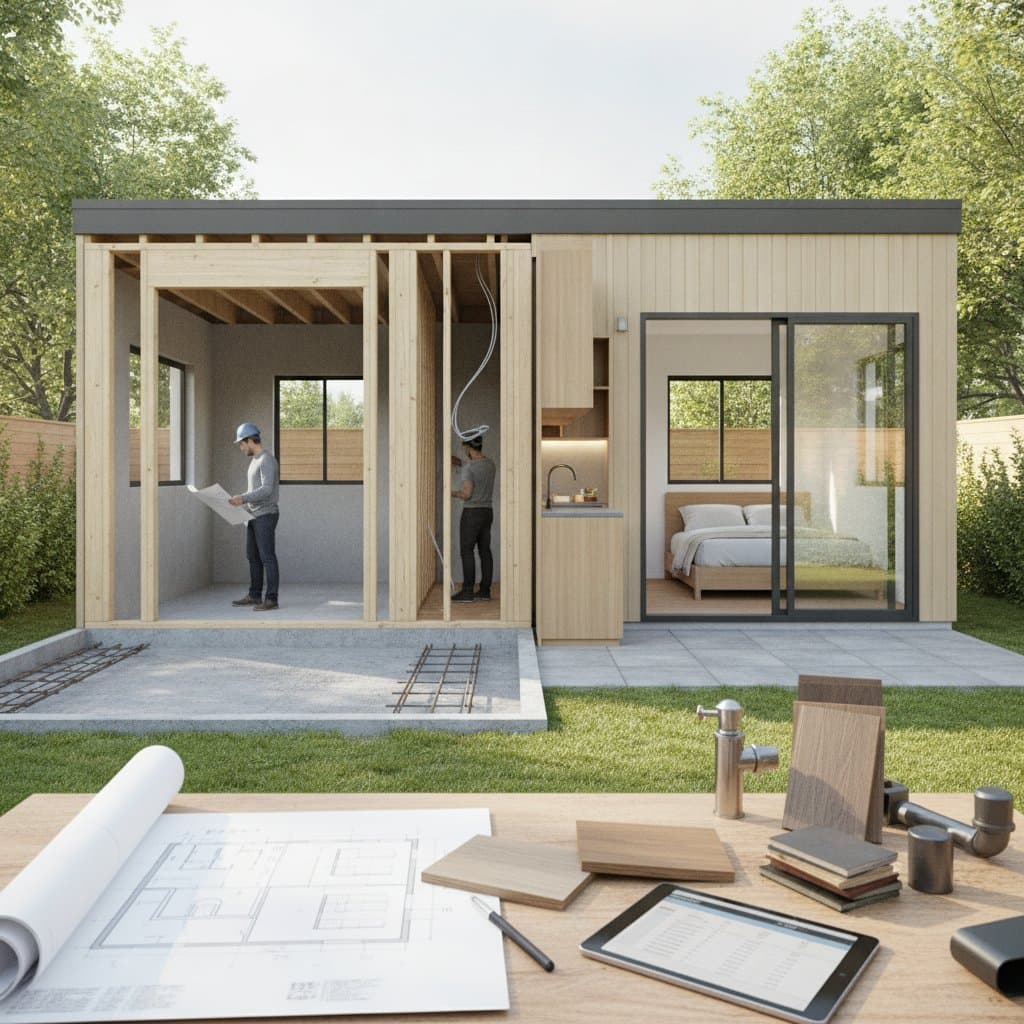
Modular additions offer a streamlined path to home expansion. These prefabricated units arrive ready for assembly, minimizing on-site disruption while delivering durable results. Homeowners benefit from factory precision that aligns with modern efficiency demands.
Factors Influencing Costs
Project Scope and Dimensions
The scale of the addition directly impacts expenses. A basic bedroom module or home office pod typically falls at the lower end of pricing. In contrast, a comprehensive multi-room configuration demands greater investment, though it often reduces the cost per square foot due to economies in modular production.
Consider a 200-square-foot office addition versus a 600-square-foot family suite. The smaller project might total $80,000, while the larger one approaches $200,000, reflecting increased material volume and assembly complexity.
Material Quality and Finishes
Modular units feature tiered options: standard, intermediate, and premium. Basic setups use laminate surfaces and basic insulation, suitable for budget-conscious projects. Upgrading to engineered hardwood flooring, quartz countertops, and advanced energy-efficient insulation elevates costs by 20 to 40 percent but enhances long-term appeal.
These premium elements not only boost comfort but also contribute to higher resale values. For instance, superior insulation can lower utility bills by 15 percent annually, adding tangible financial benefits.
Site Preparation and Accessibility
Urban environments with limited access, such as narrow driveways or proximity to power lines, necessitate specialized equipment like extended-reach cranes, adding $5,000 to $15,000. Rural properties face challenges with extended utility connections, where trenching for water, electricity, and sewage lines can exceed $10,000.
Soil testing proves crucial here. Stable ground reduces foundation expenses, whereas rocky or sloped terrain requires reinforced footings, increasing preparation costs by up to 25 percent.
Regional Labor and Seasonal Variations
Installation rates fluctuate with local demand. Peak seasons, typically spring and summer, see labor costs rise by 10 to 20 percent due to high project volumes. Opting for off-peak periods, such as late fall or winter, can yield savings of 15 percent, though colder weather may extend site preparation timelines.
Permitting processes also vary by locale. Coastal areas often impose stricter environmental reviews, potentially delaying starts by weeks and inflating holding costs for factory modules.
Customization and Modifications
Standard modular designs maximize efficiency and affordability. Deviations, such as unique window placements, angled roofs, or integrated smart home systems, require factory adjustments that inflate prices by 10 to 25 percent.
To illustrate, altering a module's exterior for a sloped roof integration might add $20,000, including redesign fees and reinforced structural components. Planning custom elements early in the design phase helps contain these extras.
Strategies for Cost Efficiency
Selecting Standard Options
Embrace factory-default specifications to maintain quality without premium surcharges. For example, opt for durable vinyl plank flooring over exotic hardwoods and pre-fabricated cabinetry instead of bespoke units. These choices preserve aesthetics while trimming expenses by 15 to 20 percent.
Upgrades performed at the factory prove more economical than post-delivery alterations. Coordinating color schemes and hardware selections during initial consultations ensures seamless integration.
Optimizing Site Readiness
Complete foundational work and utility installations prior to module delivery. A pre-prepared site allows crews to focus on assembly, reducing idle time for cranes and equipment, which can save $3,000 to $8,000 in labor fees.
Secure all necessary permits well in advance. This step prevents costly halts; for instance, unresolved zoning issues could delay setting by days, accruing daily rental charges for heavy machinery.
Leveraging Timing and Volume
Schedule during quieter months to negotiate lower rates from manufacturers and installers. Some facilities provide incentives for winter builds, such as discounted production slots to balance workloads.
For larger or regional projects, coordinate with builders handling multiple installations. Shared delivery routes cut transportation costs per unit by up to 10 percent, making batch scheduling a smart collective approach.
Evaluating Proposals Thoroughly
Solicit bids from at least three reputable providers. Use this evaluation framework:
- Verify itemized breakdowns, including precise square footage and component lists.
- Confirm specifications for materials, such as brands and grades for roofing and siding.
- Ensure inclusion of site preparation, debris removal, and post-installation cleanup.
- Check coverage for permits, inspections, and waste disposal.
- Review warranty details, including duration and scope for structural and finish elements.
- Examine payment structures, aligned with verifiable milestones like delivery and final inspection.
This methodical review uncovers hidden fees and aligns expectations for a smooth project execution.
Project Timeline Essentials
Modular additions proceed with structured phases for reliability.
- Factory fabrication: 4 to 8 weeks for conventional designs, extending to 10 weeks for customizations.
- On-site preparation: 1 to 2 weeks, contingent on ground conditions and weather patterns.
- Module delivery and placement: 1 to 3 days, utilizing cranes for precise positioning.
- Systems integration: 2 to 4 weeks for electrical, plumbing, and HVAC connections.
- Final inspections and detailing: 1 week to address any adjustments and obtain occupancy approval.
Key inspection milestones include:
- Foundation verification prior to concrete pouring.
- Rough-in checks for utilities post-connection.
- Comprehensive final review before habitation.
Weather remains a primary delay factor, particularly during foundation phases. Factory timelines hold steady, barring supply chain interruptions, ensuring modules arrive on schedule.
Long-Term Care and Durability
Routine Upkeep Practices
Annual examinations of roof seams and flashing prevent water intrusion. Regular gutter cleaning and proper downspout positioning safeguard the foundation from erosion. Exterior maintenance, such as repainting or resealing siding, occurs every five to seven years, tailored to material type and exposure.
Simple habits like these extend the structure's integrity. For wood-based exteriors, apply protective sealants to resist UV damage and moisture.
Identifying Potential Issues
Settling may cause minor cracks in drywall at joint lines. Roof joint moisture indicates possible flashing deficiencies. Floor unevenness signals foundation shifts, warranting immediate attention.
Early detection through visual checks averts escalation. For example, addressing a small seam crack promptly avoids broader structural concerns.
Repair Decisions
Minor issues, like caulk failures or hairline cracks, respond well to flexible sealants and joint compounds applied by skilled technicians. More significant problems, such as alignment discrepancies or sagging, demand professional foundation corrections.
With diligent care, modular sections endure 40 to 60 years, matching traditional construction lifespans. Investing in quality initial builds amplifies this longevity.
Steps to Launch Your Expansion
Assess your property's zoning and structural compatibility before committing. Modular additions sidestep the chaos of full renovations, preserving daily routines while adding functional space.
Consult certified modular specialists to map your vision. This targeted approach yields a high-value upgrade that enhances livability and market position for years ahead.