Understanding the 35% Surge in Granny Flat Costs by 2026
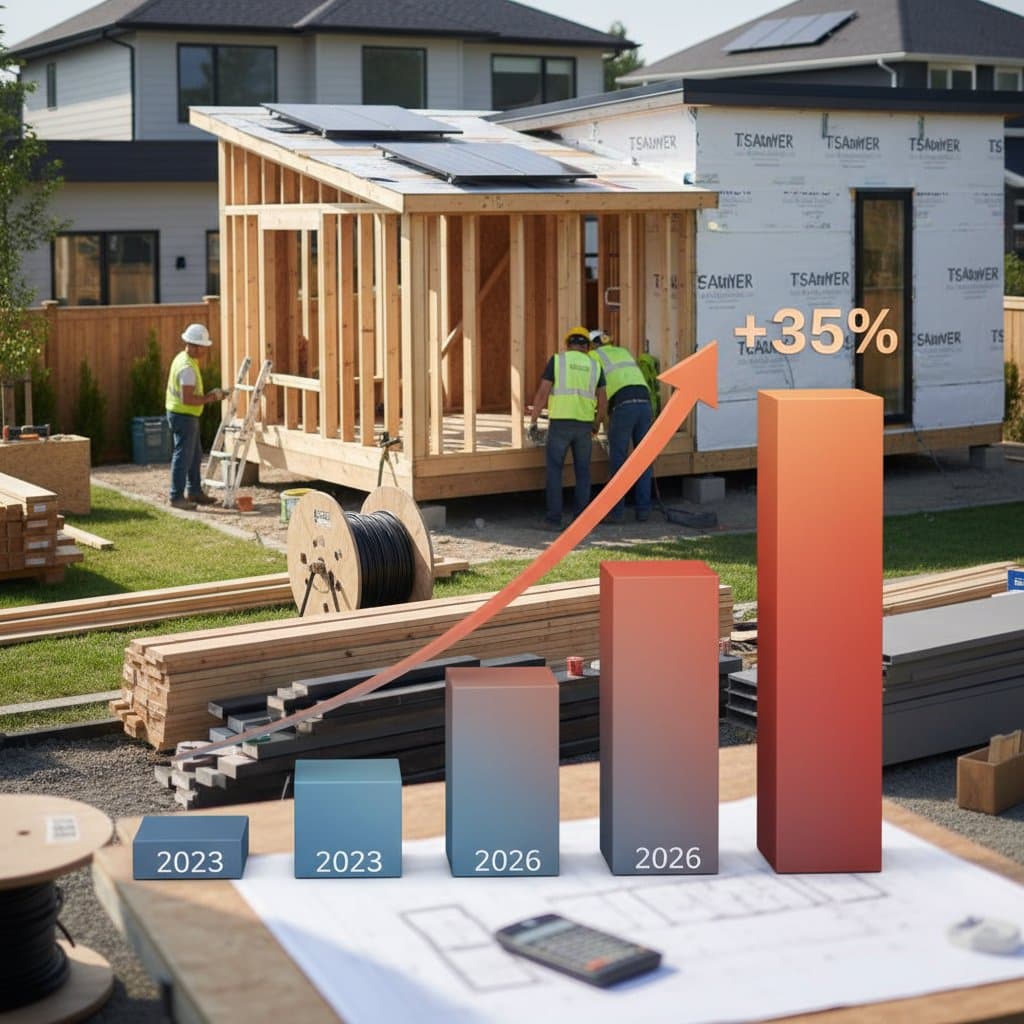
Granny flat construction expenses are on track for a significant increase. Experts project a 35% rise by 2026, influenced by multiple economic and regulatory pressures. Homeowners who understand these dynamics can make informed decisions to protect their budgets.
Key Drivers of Rising Costs
Several interconnected factors contribute to the upward trend in granny flat expenses. Material inflation tops the list, with lumber prices up 20% in the past year alone due to supply chain disruptions. Steel and concrete costs follow suit, affected by global demand and transportation challenges.
Labor shortages exacerbate the issue. The construction industry faces a deficit of skilled workers, leading to hourly rates that have climbed 15% in urban areas. This scarcity delays projects and inflates overall budgets.
Building code updates add another layer of expense. New requirements for energy efficiency, such as advanced insulation and solar-ready roofing, demand premium materials. Fire safety and storm resilience standards now mandate reinforced framing and impact-resistant windows, increasing material needs by up to 10%.
Permit processes contribute to delays and costs. Local government backlogs can extend approval times from weeks to months, accruing interest on financing and storage fees for materials. Financing environments have tightened as well, with interest rates hovering above 7% and lenders imposing stricter equity requirements for accessory dwelling units.
These elements compound, creating a perfect storm. For a standard 600-square-foot granny flat, current costs average $200,000; by 2026, that figure could reach $270,000 without strategic planning.
Environmental and Regulatory Influences
Evolving energy codes play a pivotal role in cost escalation. Jurisdictions now enforce R-30 insulation levels and Energy Star-rated appliances, which reduce long-term utility bills but elevate initial outlays by 5-8%. Low-flow fixtures and LED lighting systems are mandatory in many areas, adding $2,000 to $5,000 per unit.
Storm and fire resilience rules require durable materials like fiber-cement siding and metal roofing. These upgrades protect against extreme weather but raise upfront expenses through additional engineering assessments. Waste management regulations further impact budgets, as sorted recycling of debris incurs fees of $100 to $300 per ton.
Homeowners benefit from compliance in the long run. These standards enhance property value and lower operational costs, but early adaptation is essential to avoid retrofitting later.
Regional Cost Variations
Location significantly affects granny flat expenses. Coastal cities like those in California impose stringent seismic and flood codes, pushing costs toward $350 per square foot. Mountain towns face surcharges for transporting heavy materials over rugged terrain.
In contrast, inland metropolitan areas offer more moderate pricing around $250 per square foot, thanks to flexible zoning and ample contractor availability. Rural counties often see the lowest rates, below $200 per square foot, with relaxed codes and proximity to modular manufacturing hubs.
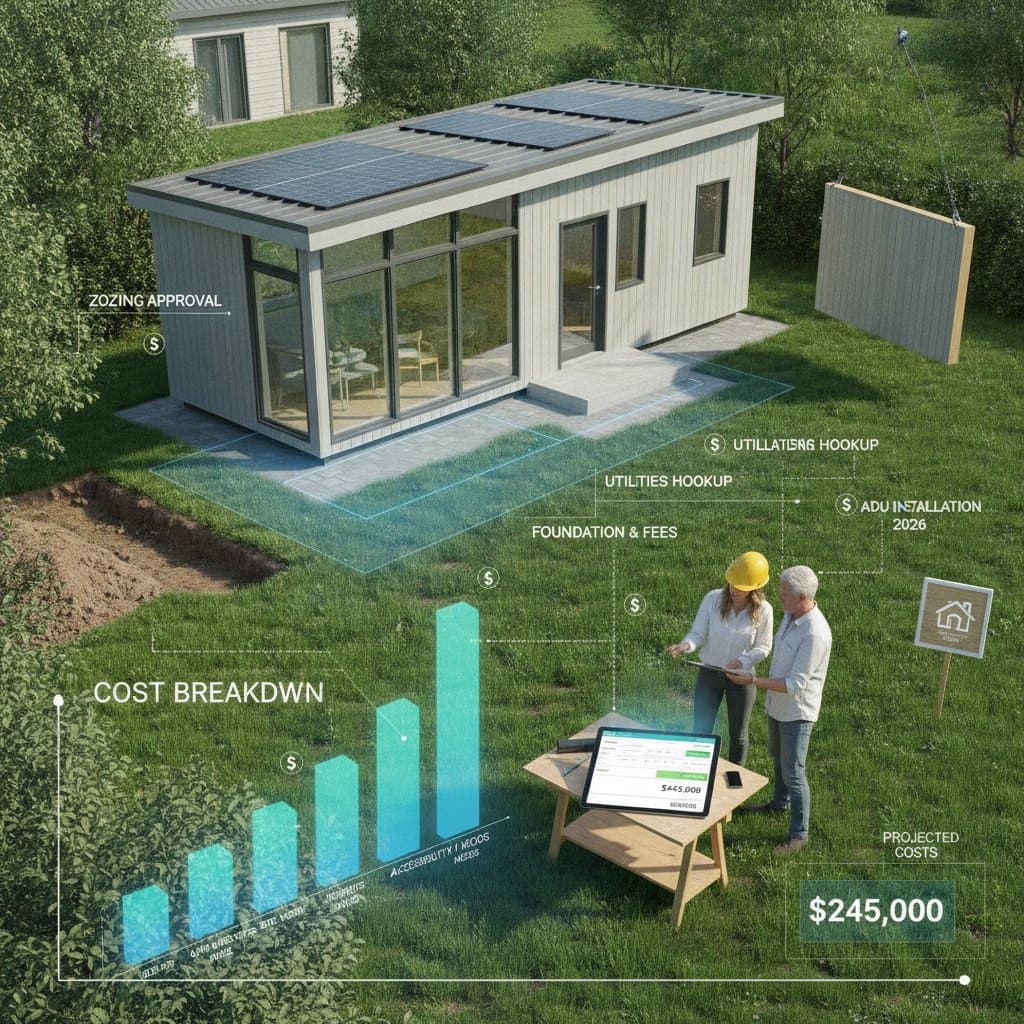
Permit fees vary widely, from $3,000 in permissive rural zones to $25,000 in high-density suburbs, including impact fees for infrastructure strain. Utility connection charges can add $5,000 to $15,000 depending on site access to water, sewer, and power lines. Research local schedules early to refine your budget.
Current and Projected Cost Breakdown
A typical detached granny flat under 800 square feet ranges from $140,000 to $300,000 today. This includes foundation work, framing, roofing, basic plumbing, electrical, and finishes. By 2026, expect the lower end to hit $190,000 and the upper at $405,000.
Several site-specific elements drive higher expenses. Sloped or rocky terrain requires extensive grading and retaining walls, adding $10,000 to $30,000. Regions with premium labor, such as the Northeast, see rates 20% above national averages.
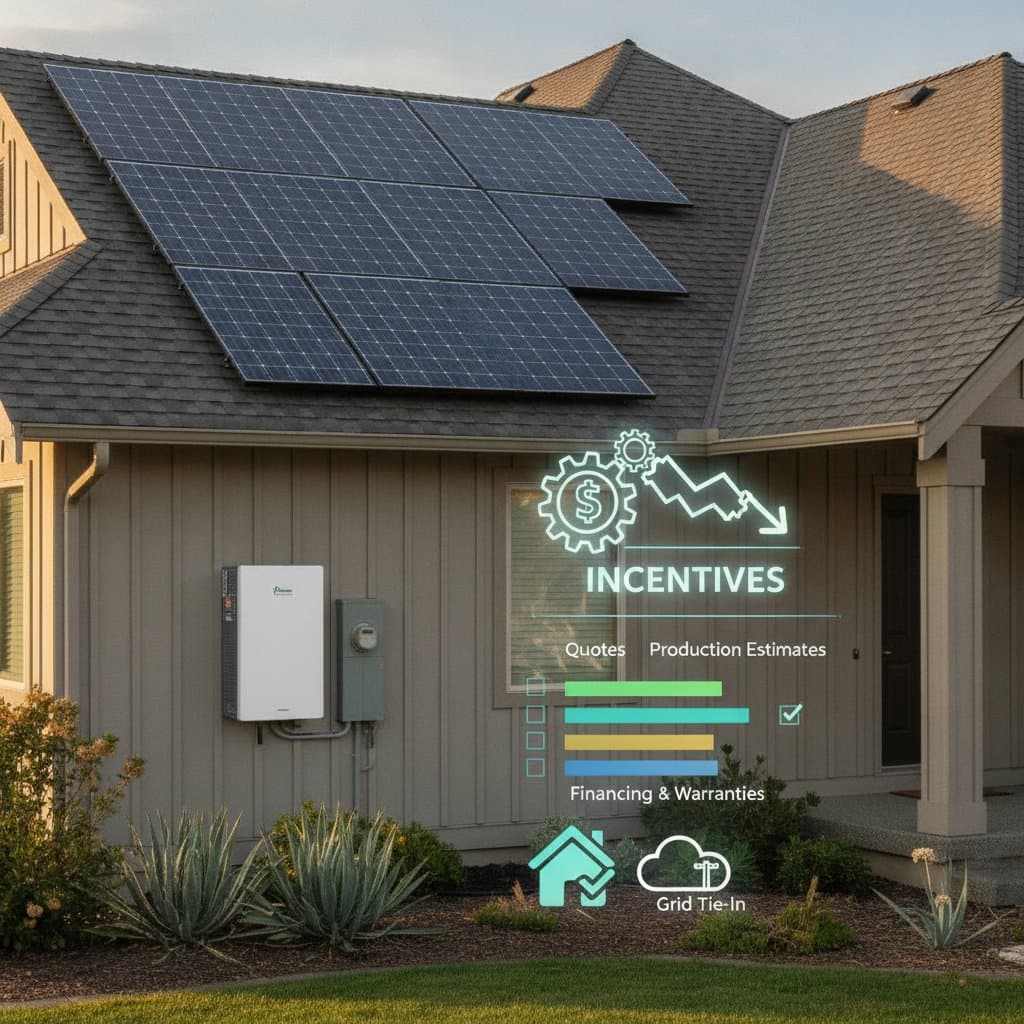
Custom features amplify costs further. Solar panels or geothermal heating systems can tack on $15,000, while additional bathrooms or gourmet kitchens increase plumbing and cabinetry outlays. Delays from inclement weather or inspection failures extend timelines, accruing daily financing charges.
Opportunities exist to curb expenses. Flat lots with pre-existing utility connections simplify installation, saving up to 15%. Prefabricated units assembled on-site reduce labor by 20-30%, as factory production minimizes waste.
Standardized designs pre-approved by municipalities streamline permitting and cut engineering fees. Homeowners who handle cosmetic tasks, such as installing flooring or painting, can save $5,000 to $10,000. For aging structures, full replacement often proves more economical than piecemeal repairs, at $250 per square foot versus $300 for retrofits.
Secure detailed quotes promptly. Request breakdowns for variables like material fluctuations or scope changes to anticipate adjustments.
Optimal Timing: Build Now or Hold Off?
Deciding when to proceed requires weighing personal circumstances against market trends. Proceed immediately if you own suitable land and comply with zoning regulations. Fixed-rate financing locks in current rates, shielding against future hikes.
Local incentives, such as permit fee waivers or grants for energy-efficient builds, make now advantageous. In areas with stable material supplies, starting soon avoids the full brunt of the 35% surge.
Consider waiting if your locality anticipates zoning overhauls that could ease restrictions or lower fees. If funding or contractor selection needs more time, delaying prevents rushed decisions. Monitor local markets; if lumber prices crest and begin to stabilize, a short postponement might yield savings.
Timing influences outcomes substantially. A delay of six months could inflate costs by $10,000 to $20,000, depending on regional pressures. Consult planners to align your schedule with regulatory calendars.
Avoiding Pitfalls in Planning
Vigilance during preparation prevents costly errors. Beware of bids that appear unusually low; they often omit essentials like code-compliant wiring or foundation reinforcements. Demand comprehensive estimates to uncover hidden gaps.
Insist on firm timelines with defined milestones, such as foundation completion or rough-in inspections. Vague commitments signal unreliability and potential overruns.
Never bypass permits; violations invite fines exceeding $10,000 and complicate property sales. Evaluate site drainage thoroughly; poor management leads to foundation cracks and repairs costing $20,000 or more.
Engage professionals early for soil tests and utility assessments. These steps identify issues upfront, preserving budget integrity.
Ongoing Maintenance for Long-Term Savings
Regular upkeep extends the lifespan of a granny flat and averts major repairs. Schedule inspections every six to 12 months to catch problems early.
Focus on critical areas: Examine roofs and gutters for debris accumulation or leaks that could cause interior damage. Verify caulking integrity around windows and doors to block moisture intrusion.
Maintain plumbing by flushing drains and cleaning P-traps quarterly. Test smoke and carbon monoxide detectors monthly, replacing batteries as needed. Refresh exterior wood surfaces with paint or sealant every three to five years to ward off rot and pests.
Consistent care yields substantial benefits. It mitigates risks like mold growth or structural weakening, potentially saving thousands in remediation. Use a dedicated checklist or digital app to track tasks seasonally.
Common Questions Answered
How long does construction typically last? Projects span four to eight months from permit approval to occupancy, varying by design complexity, crew size, and weather conditions. Modular options can shorten this to three months.
Is home equity financing viable? Many use home equity loans or lines of credit for granny flats. Specialized ADU loans from credit unions often feature competitive terms and faster approvals.
Does adding a granny flat increase property taxes? The addition boosts assessed value, typically raising annual taxes by 5-10%. Contact your local assessor for a precise valuation impact.
Do prefabricated units reduce expenses? They generally cut costs by 10-20% through efficient production, though transport and on-site assembly fees may temper gains. Evaluate total logistics before committing.
Is renting out the unit permissible? Legality hinges on zoning laws and rental regulations. Verify with authorities to ensure compliance, especially for short-term arrangements.
Actionable Steps to Secure Your Investment
Begin by assessing your property's zoning eligibility and gathering site surveys. Compile a list of three to five licensed contractors for competitive bidding, emphasizing their experience with ADUs.
Explore financing options and apply for pre-approvals to gauge affordability. Factor in all fees, from permits to connections, using local resources for accurate estimates.
Implement energy-efficient choices from the outset to qualify for rebates and future-proof against code changes. By acting deliberately, homeowners can navigate the cost surge effectively, realizing a valuable asset without undue financial strain.