Anticipate a 35% Increase in ADU Construction Costs in Major Cities by 2026
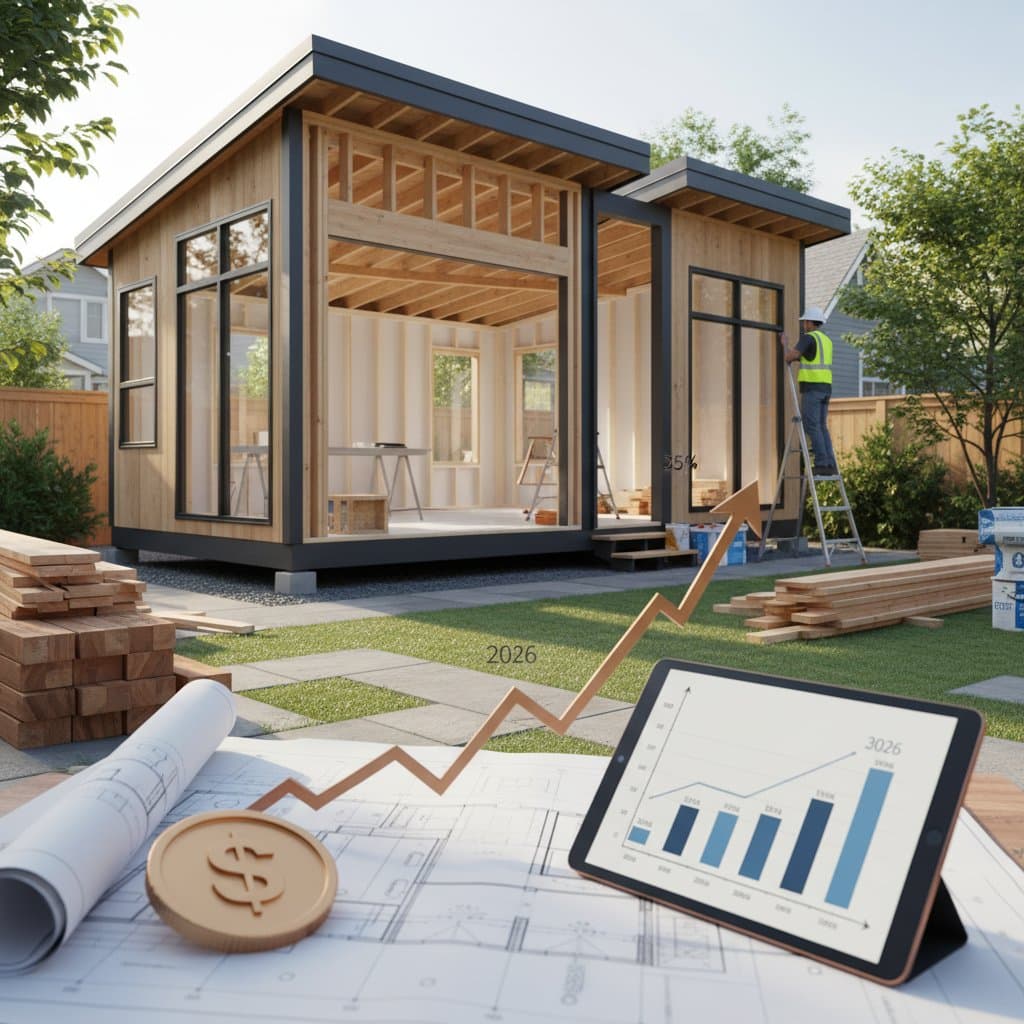
Accessory Dwelling Units, commonly referred to as ADUs or backyard homes, serve as compact secondary structures on the same property as a primary residence. These units may stand detached, connect to the main house, or rise above a garage. Homeowners frequently pursue ADU projects to generate rental revenue, accommodate family members, or provide adaptable living areas. However, escalating expenses present a significant challenge. Projections indicate that total construction costs for ADUs in major urban areas will climb approximately 35 percent by 2026. Primary factors include persistent labor shortages, elevated permit and utility charges, and ongoing inflation in material prices.
This resource examines the implications for financial planning, project schedules, and strategic choices. It outlines expectations, cost-management techniques, and ideal moments to secure pricing ahead of further escalations. Understanding these elements empowers homeowners to proceed with confidence and efficiency.
Advantages, Drawbacks, and Ideal Applications
Advantages
- Generates potential rental income or dedicated guest accommodations
- Enhances overall property value through added square footage
- Maximizes utilization of existing land without requiring new purchases
- Provides versatile options for supporting aging parents or grown children
Drawbacks
- Demands substantial initial investment
- Involves intricate permitting procedures
- Extends build durations in high-demand urban environments
- May result in increased property tax assessments
Ideal Applications
Homeowners benefit most when they possess adequate lot space, solid financial equity, and tolerance for projects spanning multiple months. Properties with generous setbacks and ample parking accommodate designs more readily. In contrast, small lots with strict zoning restrictions encounter heightened design complexities and expense pressures. Evaluate local regulations early to confirm viability; for instance, cities like Los Angeles and Seattle often impose height limits under 16 feet for detached units, which influences layout choices.
Detailed Project Process and Timeline
Building an ADU requires methodical steps to ensure compliance and quality. Each phase contributes to the overall timeline, which varies by location and complexity.
-
Feasibility Assessment and Design Phase: Confirm compliance with zoning laws, lot coverage ratios, and setback requirements. Engage a qualified designer or architect to draft plans that align with municipal codes. This stage typically spans 4 to 8 weeks.
-
Permitting Phase: Submit detailed blueprints, environmental impact forms, and associated fees for review. Approval processes in densely populated areas may extend from several weeks to four months, depending on backlog volumes.
-
Site Preparation: Remove obstacles such as vegetation, excavate for utilities, and install the foundation. Soil testing proves essential here to address potential stability issues.
-
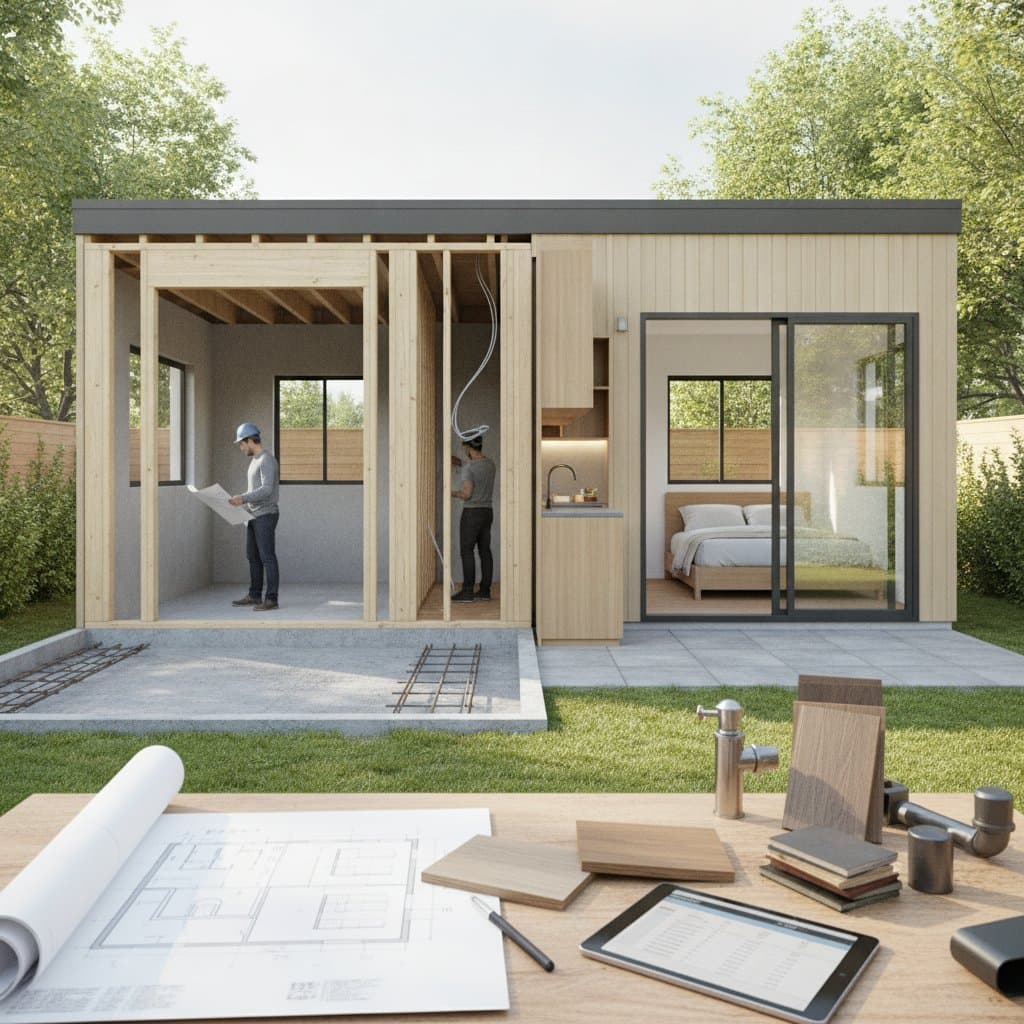
Framing and Rough-In Construction: Erect the structural framework, then integrate plumbing, electrical, and heating, ventilation, and air conditioning systems. Weather conditions can influence this segment's duration.
-
Interim Inspections: Municipal inspectors verify framing integrity, load-bearing elements, and utility connections for safety and code adherence.
-
Interior and Exterior Finishes: Apply drywall, install flooring, complete painting, and fit fixtures along with trim work. Select durable, low-maintenance materials to balance cost and longevity.
-
Final Inspection and Occupancy Approval: Obtain certification from authorities, then prepare for habitation or leasing. Address any noted deficiencies promptly to avoid delays.
A standard detached ADU project requires 6 to 12 months from initial design through to completion, contingent on contractor availability and permitting efficiency. In high-growth cities, allocate extra time for supply chain disruptions.
Common Pitfalls and Prevention Strategies
Navigating ADU construction demands vigilance to prevent expensive errors. Awareness of frequent issues allows for proactive measures.
-
Overlooking Property Surveys: Inaccurate boundary determinations lead to redesigns and fines. Commission a professional survey at the outset to map exact lines and easements.
-
Underestimating Utility Enhancements: Older homes often require upgraded electrical panels or expanded water service lines. Consult utility providers early to estimate connection fees, which can add thousands to the budget.
-
Neglecting Drainage Considerations: Poor site grading invites foundation cracks or moisture damage. Incorporate French drains or swales during prep to direct water away from structures.
-
Selecting Unlicensed Contractors: Initial savings evaporate with rework due to code infractions or hazards. Verify credentials through state licensing boards and demand proof of bonding.
-
Overlooking Prefab Compatibility: Modular units promise speed but may conflict with local height or setback rules. Review manufacturer specs against city ordinances before purchase.
By addressing these areas, projects proceed smoother and stay within financial targets.
Guidelines for Professional versus Self-Managed Approaches
The decision between hiring experts and handling tasks personally hinges on capabilities and risks. Apply the DIY Gate Framework to evaluate suitability.
-
Assess Skill Alignment: Reserve self-managed efforts for areas where experience exists, such as basic framing or wiring, only if prior projects demonstrate proficiency.
-
Evaluate Safety Implications: Delegate electrical installations, load-bearing constructions, or gas line work to certified professionals to mitigate injury or failure risks.
-
Consider Tool and Resource Access: Acquiring or renting equipment like vibratory compactors, trenching machines, or scaffolding incurs high costs for extended use.
Self-directed work suits cosmetic elements, including painting, flooring installation, or perimeter landscaping. For foundational, structural, and mechanical components, retain licensed specialists to guarantee durability and regulatory compliance. This hybrid model often yields optimal results, blending cost control with expertise.
Contractor Bid Comparison Table
| Line Item | Spec or Scope | Contractor A | Contractor B | Contractor C | Variance Notes |
|---|---|---|---|---|---|
| Foundation | 8-inch reinforced slab | $22,000 | $25,500 | $27,000 | Site access and soil conditions vary |
| Electrical | 200-amp service tie-in | $8,000 | $9,800 | $10,500 | Distance to main panel influences cost |
| Finish Package | Mid-grade materials | $18,000 | $19,500 | $21,000 | Supplier lead times and selections differ |
| Site Work | Grading and trenching | $12,000 | $13,500 | $15,000 | Material haul distances affect fees |
Scrutinize proposals item by item for transparency. Validate each bidder's licensing, insurance coverage, and client testimonials. Stipulate lien waivers upon progressive payments to protect against disputes.
Project Readiness Checklist
Before launching an ADU build, complete this checklist to confirm preparedness.
- Verify lot dimensions and zoning permissions through municipal records.
- Secure preliminary financing approval to establish budget limits.
- Obtain multiple contractor quotes and conduct reference checks.
- Schedule a professional property survey and utility assessment.
- Review insurance policies for construction coverage extensions.
- Assemble a timeline with buffer periods for delays.
- Consult local incentives, such as grants for energy-efficient designs.
Strategies to Launch Your ADU Project Effectively
With costs poised to rise, timely action secures advantages. Start by consulting local building departments for updated fee schedules and incentives. Engage architects familiar with urban constraints to optimize designs for value. Lock in material orders and contracts now to hedge against inflation. Successful ADU owners report returns through rentals averaging $1,500 monthly in cities like San Francisco, offsetting investments within years. By planning meticulously, you transform potential challenges into enduring assets.