Hurricane Windows: Boost ROI with Smart Installation
Hurricane windows, known also as impact-resistant windows, shield homes from flying debris and intense wind forces during severe weather events. These windows enhance energy efficiency, strengthen security, and elevate long-term property value. Proper installation minimizes insurance premiums and post-storm repair expenses.
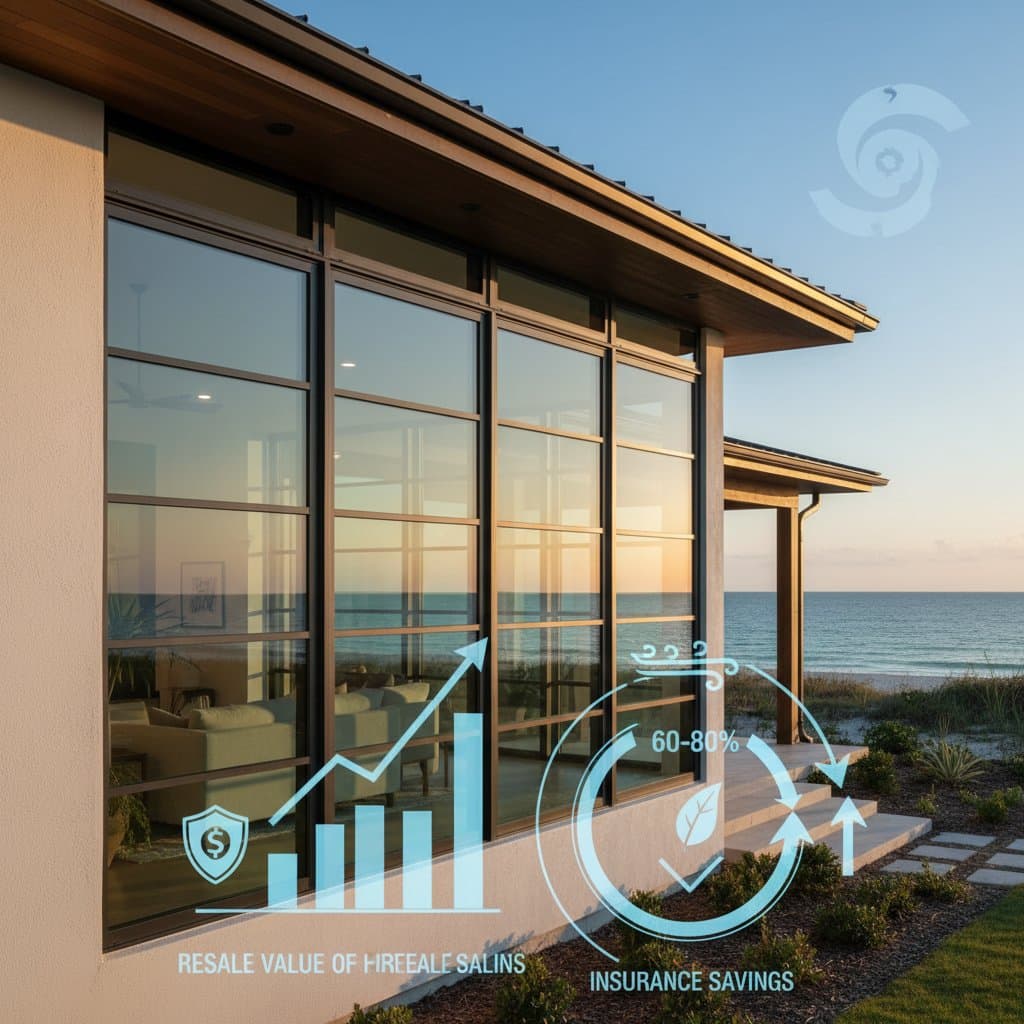
Quick answer: Upgrading to hurricane windows delivers 60 to 80 percent return on the investment through increased resale value, complemented by ongoing savings from improved energy performance and insurance reductions. Installation costs range from $40 to $60 per square foot, with full replacements for typical homes beginning at approximately $12,000.
Comparing Window Types
Selecting the right hurricane window type balances cost, durability, and aesthetic preferences. Each material offers distinct advantages suited to specific home styles and climates. Below is a comparison to guide informed decisions.
| Window Type | Pros | Cons | Typical Cost (Installed) |
|---|---|---|---|
| Vinyl Impact Windows | Cost-effective, strong insulation, minimal maintenance | Potential warping in intense heat, fewer color choices | $40–$55 per sq. ft. |
| Aluminum Impact Windows | Robust framing, narrow profiles for modern aesthetics, corrosion-resistant options | Inferior thermal insulation, vulnerability to salt air corrosion | $55–$70 per sq. ft. |
| Fiberglass Impact Windows | Superior strength, minimal thermal expansion, extended durability | Elevated price point, regional availability challenges | $65–$85 per sq. ft. |
| Wood-Clad Impact Windows | Timeless appearance, elevated curb appeal | Demands frequent upkeep, susceptible to moisture issues | $75–$95 per sq. ft. |
Vinyl impact windows provide optimal value for budget-conscious homeowners seeking reliable performance. Aluminum variants suit sleek, contemporary designs where frame visibility matters less. Fiberglass excels in demanding environments, prioritizing longevity and thermal efficiency. Wood-clad options enhance traditional or luxury properties, though they require periodic sealing and refinishing to maintain integrity.
Timeline and Installation Sequence
Typical duration: Installation spans 3 to 6 days for a standard single-family home, depending on size and complexity.
The process follows a structured sequence to ensure structural integrity and weatherproofing. Homeowners benefit from understanding these steps to coordinate effectively with contractors.
- Assessment and measurement. Professionals evaluate each window opening, measure precisely, and inspect surrounding wall conditions for potential issues.
- Permitting. Secure necessary approvals for exterior modifications, as most locales mandate compliance with building codes.
- Removal. Existing windows receive careful extraction to preserve framing and exterior siding integrity.
- Prep and sealing. Clean frames thoroughly, ensure level alignment, and apply waterproofing measures.
- Installation. Secure new windows using code-approved anchors and seal joints with high-quality silicone or polyurethane caulk.
- Inspection. Building authorities verify adherence to wind-load and impact-resistance standards.
- Finishing. Install trim, apply paint if needed, and fit hardware for seamless integration.
Anticipate potential delays from inclement weather, material backorders, or bespoke glass requirements. Opt for scheduling in milder seasons to sidestep high demand and expedite completion.
Materials and Tools Checklist
Gathering essential materials and tools beforehand streamlines the installation and reduces on-site disruptions. Focus on high-quality, code-compliant items to guarantee performance.
Materials:
- Impact-rated window assemblies certified for hurricane zones.
- Stainless steel or galvanized mounting screws resistant to corrosion.
- Flashing tape or liquid-applied flashing for moisture barriers.
- Silicone or polyurethane sealant for airtight seals.
- Backer rod to fill larger expansion gaps.
- Exterior trim materials or casing for aesthetic completion.
- Shims to achieve precise leveling.
Tools:
- Precision tape measure and bubble level for accuracy.
- Power drill with appropriate driver bits.
- Pry bar and utility knife for safe demolition.
- Caulking gun for even application.
- Hammer and chisel for adjustments.
- Safety glasses, gloves, and dust masks for protection.
Teams of at least two individuals handle lifting to avoid injuries and prevent damage to glass surfaces. Retain protective films on panes throughout the process to eliminate scratching risks.
Regional and Climate Considerations
Tailoring window selections to local conditions maximizes effectiveness and longevity. Consider environmental factors alongside regulatory requirements.
Coastal regions: Prioritize units with pressure ratings exceeding 50 pounds per square foot (PSF) and hardware engineered for salt resistance. Fiberglass or aluminum frames outperform vinyl in saline environments.
Hot climates: Incorporate low-emissivity (Low-E) coatings to minimize solar heat gain. Select lighter frame colors to deflect sunlight and reduce interior heat buildup.
Cold or mixed climates: Opt for double- or triple-pane configurations with laminated glass for optimal insulation. Verify ratings for condensation control to prevent interior moisture issues.
Insurance and code compliance: Insurers often require documentation of impact certification for premium discounts in wind-prone areas. Retain all labels, certificates, and permits as proof for claims processing.
Frequently Asked Questions
1. Can hurricane windows replace traditional storm shutters? Yes, these windows offer permanent protection, eliminating the need for pre-storm boarding. Some property owners add shutters for supplemental privacy or to preserve historical facades.
2. Are all impact windows equally energy efficient? Efficiency varies by design; seek ENERGY STAR certification or National Fenestration Rating Council (NFRC) labels indicating low U-factors and solar heat gain coefficients for superior performance.
3. Do hurricane windows enhance resistance to burglaries? Indeed, they deter forced entries more effectively than standard windows. The laminated construction withstands multiple impacts, complicating breaches.
4. Is installation feasible in brick veneer homes? Absolutely, provided installers employ masonry-specific anchors and meticulous flashing techniques to avert water intrusion. Conduct a structural assessment prior to any drilling.
5. What occurs if a pane sustains a crack? The interlayer laminate maintains glass cohesion, preserving the seal temporarily. Schedule professional replacement promptly to avoid degradation from ultraviolet exposure or humidity.
Long-Term Benefits and ROI Confidence
Beyond immediate storm defense, hurricane windows regulate indoor climates, dampen external noise, and fortify overall security. These features translate to reduced utility expenses and diminished repair needs following weather incidents. Insurance reductions frequently offset financing costs over time.
Long-term residents appreciate the unparalleled security these windows provide. Sellers leverage them to attract buyers who recognize the value of verified resilience and efficiency, underscoring a property's superior maintenance.
Making It Happen
Initiate the process by soliciting quotes from at least three certified installers specializing in impact windows. Demand detailed breakdowns covering materials, labor, and permitting to facilitate comparisons. Confirm certifications for products and verify contractor insurance.
For constrained budgets, proceed in stages, targeting wind-exposed facades first. Address expansive elements like sliding glass doors or oversized picture windows that bear the brunt of storm forces.
Archive all warranty documents and permits for insurance purposes. Conduct annual inspections and cleanings to sustain peak functionality across decades.
Quality materials combined with expert installation yield enduring comfort and assurance. During severe weather, this preparation enables families to focus on safety rather than vulnerability, while safeguarding future property equity.