Save on Wildfire-Resistant Landscaping Expenses
Key Strategies
- Establish defensible space using thoughtful plant selections and intentional layouts.
- Incorporate gravel, stone, and low-fuel vegetation to impede flame progression.
- Blend DIY efforts with targeted professional assistance to manage expenses effectively.
Wildfire-resistant landscaping shields your home by minimizing the pathways for fire to approach. This method relies on strategic spacing, durable materials, and consistent upkeep to deflect heat and airborne embers. A well-executed strategy not only diminishes immediate dangers but also trims future expenditures on repairs and insurance.
Understanding Wildfire-Resistant Landscaping
This landscaping technique represents a deliberate design strategy that curbs fire propagation across your property. It segments the yard into distinct zones measured from the home's perimeter, integrating non-combustible elements and vegetation with minimal fuel content. The primary objective is to provide critical response time for firefighters or residents as flames advance toward the building.
Benefits and Drawbacks
Benefits
- Lowers the likelihood of ignition and elevates overall safety.
- Potentially decreases insurance rates in fire-vulnerable regions.
- Incorporates water-efficient plants that conserve resources.
- Enhances real estate appeal when integrated thoughtfully for aesthetic value.
Drawbacks
- Initial investment exceeds standard landscaping projects.
- Demands ongoing pruning and clearance of accumulated debris.
- Certain plants and materials might prove challenging to obtain locally.
Ideal Applications and Potential Pitfalls
Apply this approach when:
- Residing in or adjacent to areas prone to wildfires.
- Preparing to refresh yard features or install hardscaping.
- Complying with municipal regulations for defensible space.
Avoid pitfalls by ensuring:
- Routine maintenance remains consistent.
- Mulch and plant varieties resist easy ignition.
- Trees and shrubs maintain adequate separation from buildings.
Failure often stems from neglected upkeep, flammable mulch applications, or overcrowded planting near structures.
Step-by-Step Guide to Creating a Fire-Resistant Landscape
Essential Tools and Materials:
Shovel, pruning shears, rake, wheelbarrow, stone or gravel, non-combustible edging, drip irrigation system, and fire-resistant plants like yarrow, agave, or manzanita.
Estimated Time: 2 to 5 days, varying by yard dimensions.
Skill Level: Moderate for DIY enthusiasts.
-
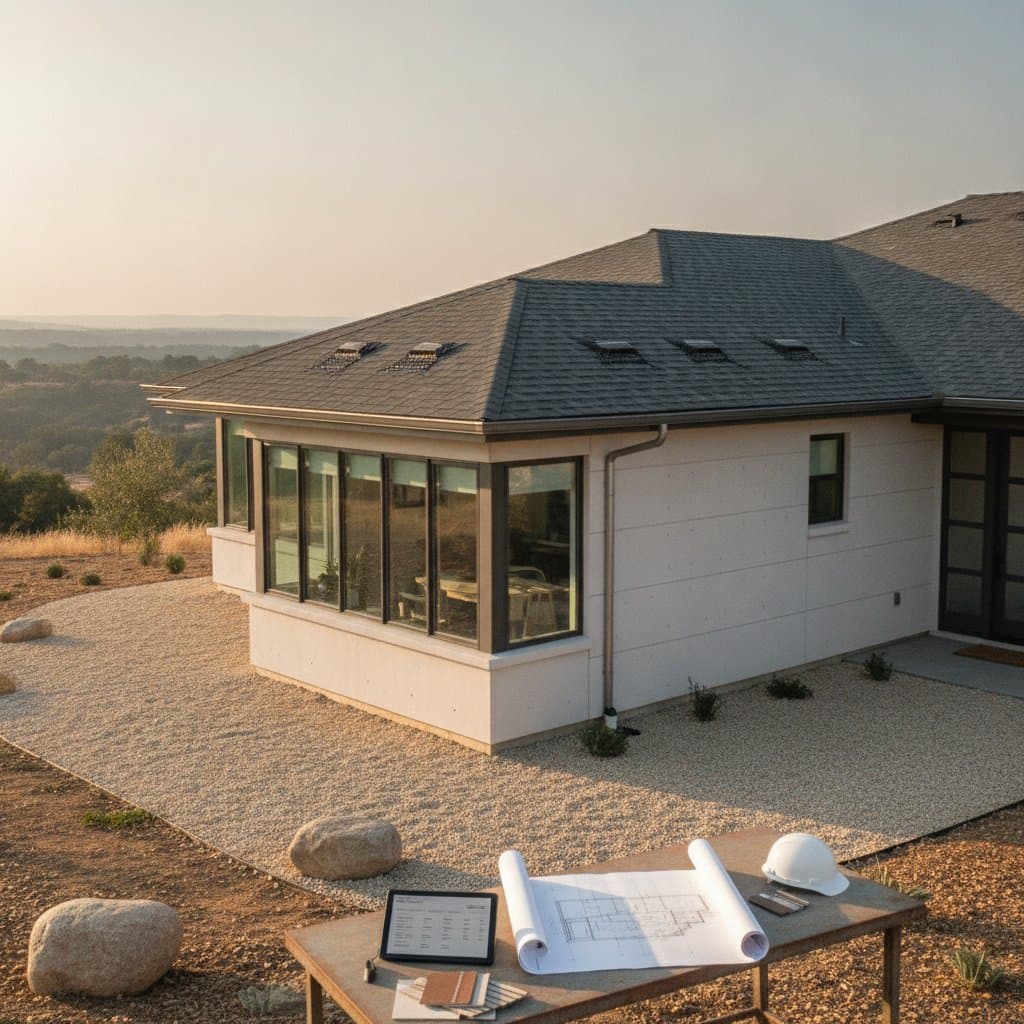
Prepare Zone 1 (0 to 30 feet from the house). Eliminate dead vegetation, fallen leaves, and wood accumulations. Maintain grass at a height of two inches or shorter. Install gravel or concrete adjacent to decks and exterior walls.
-
Optimize Vegetation Spacing. Ensure a minimum of five feet between shrubs and ten feet between tree canopies. Elevate lower branches to six feet above ground level to eliminate ladder fuels.
-
Select Appropriate Plants. Prioritize species with high moisture retention and low resin or oil content. Steer clear of highly flammable options such as pines, junipers, and eucalyptus.
-
Incorporate Hardscape Barriers. Integrate walkways, patios, or stone borders to interrupt fire paths and create natural breaks.
-
Set Up Drip Irrigation. This system delivers targeted hydration to plants, promoting health without excess water usage.
-
Conduct Inspection and Adjustments. Post-installation, evaluate airflow patterns, spacing intervals, and soil hydration levels. Rectify any areas with insufficient clearance.
-
Commit to Ongoing Maintenance. Routinely remove fallen debris and perform monthly irrigation system checks.
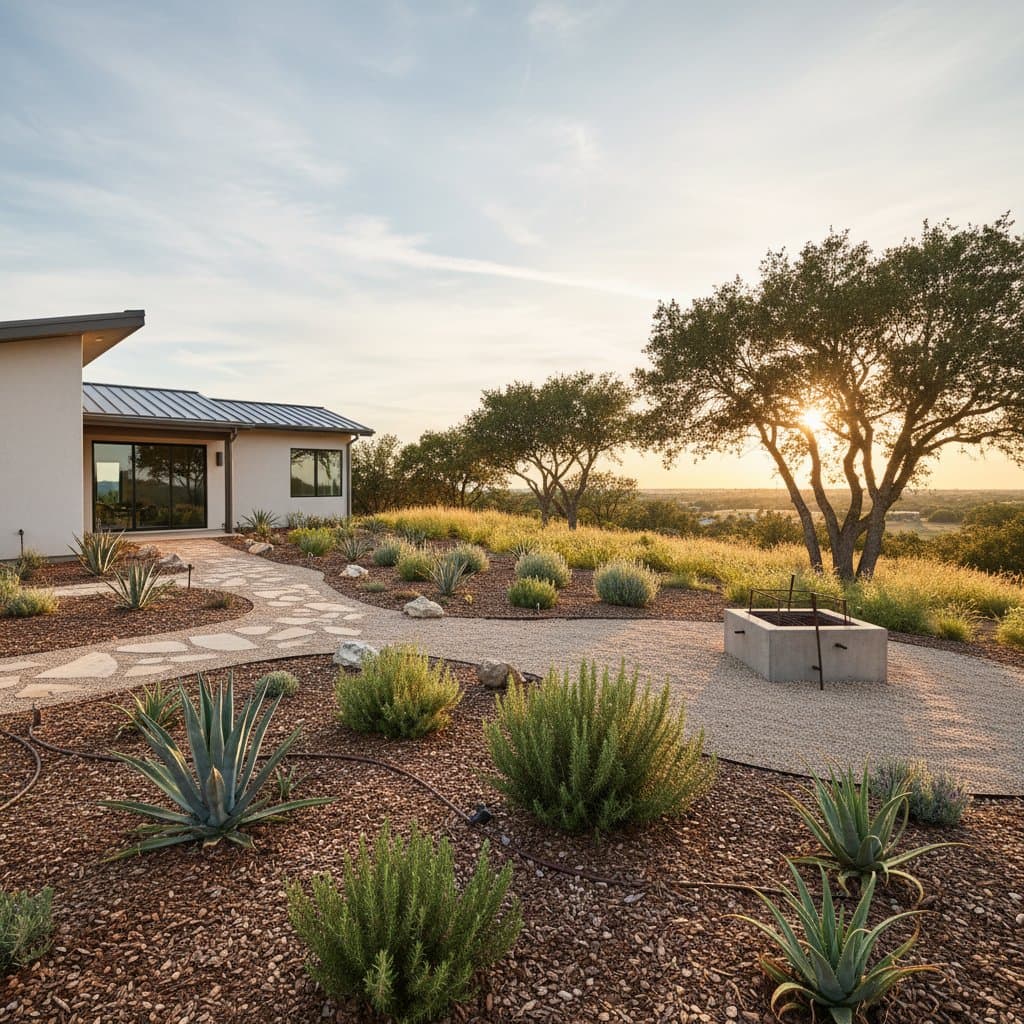
A successful outcome features expansive open areas, precise vegetation separation, and fire-retardant zones encircling the home.
Expense Breakdown
Standard Pricing: $2 to $6 per square foot for partial transformations; $6 to $12 per square foot for comprehensive yard overhauls.
Elements Increasing Costs:
- Challenging terrains like steep inclines or expansive lots.
- High-end stone selections or bespoke retaining walls.
- Expert consultations from designers or arborists.
Elements Decreasing Costs:
- Self-directed removal and planting tasks.
- Sourcing regional rocks or indigenous plants.
- Implementing changes in gradual phases.
Opt for Full Replacement Over Partial Fixes When: Existing landscapes feature thick shrubbery, bark-based mulch, or timber fencing, as overhauling these typically yields greater long-term savings through lowered fire hazards and reduced maintenance demands.
DIY Approaches Versus Professional Services
Pursue DIY If: You possess competence in soil preparation, planting techniques, and basic grading, alongside familiarity with spacing and irrigation principles.
Engage Professionals For: Properties with inclines, water drainage challenges, or mature trees; adherence to defensible space ordinances; or comprehensive designs incorporating erosion prevention.
Distinct Professional Advantages: Landscape specialists craft zoned layouts with accurate grading, erect stone installations, and confirm alignment with fire safety regulations. They frequently procure fire-resistant flora in volume, securing cost efficiencies.
Upkeep and Preventive Measures
Recommended Schedule: Seasonal evaluations paired with monthly debris clearance during arid periods.
Core Activities:
- Gather and dispose of leaves, needles, and other litter; clear roof gutters.
- Trim shrubs to preserve required distances.
- Replenish gravel or rock mulch where erosion occurs.
- Inspect irrigation functionality and repair any compromised lines.
These practices foster a resilient landscape that withstands ember incursions and optimizes water efficiency.
Alternative Landscaping Solutions
Option A: Native Xeriscaping. Leverages regionally adapted, drought-resistant flora for minimal intervention. Involves modest design fees offset by substantial reductions in irrigation expenses.
Option B: Synthetic Turf Paired with Stone Edging. Removes combustible elements proximate to buildings. Entails elevated initial outlay but virtually eliminates upkeep needs.
Option C: Concrete or Decomposed Granite Surfaces. Expands functional outdoor areas while forming robust firebreaks.
Frequently Asked Questions
Is a permit required for fire-resistant landscaping modifications?
Certain jurisdictions mandate reviews for defensible space compliance. Consult your local fire authority prior to commencing work.
Which mulches prove safest?
Opt for rock, gravel, or composted varieties positioned at least five feet from any structure. Refrain from bark or wood chip products.
Is it feasible to retain trees close to the residence?
Affirmative, provided canopies observe proper spacing and pruning. Emphasize deciduous varieties boasting elevated moisture levels.
Do insurance policies reimburse enhancement costs?
Select providers extend credits for risk mitigation efforts. Inquire with your insurer before initiating projects.
Implementing Your Fire-Safe Landscape Plan
Commence with foundational actions by clearing the initial 30-foot perimeter around your home and substituting hazardous plants with gravel or native covers. Gradually introduce fire-resistant trees and hardscape features. Employ straightforward tools and prioritize unobstructed designs. Through diligent maintenance and judicious material decisions, you fortify your property against threats while optimizing financial resources. Proactive measures today ensure resilience as wildfire seasons intensify.