How Impact Windows Reduce Insurance Costs and Minimize Storm Damage
Quick Overview
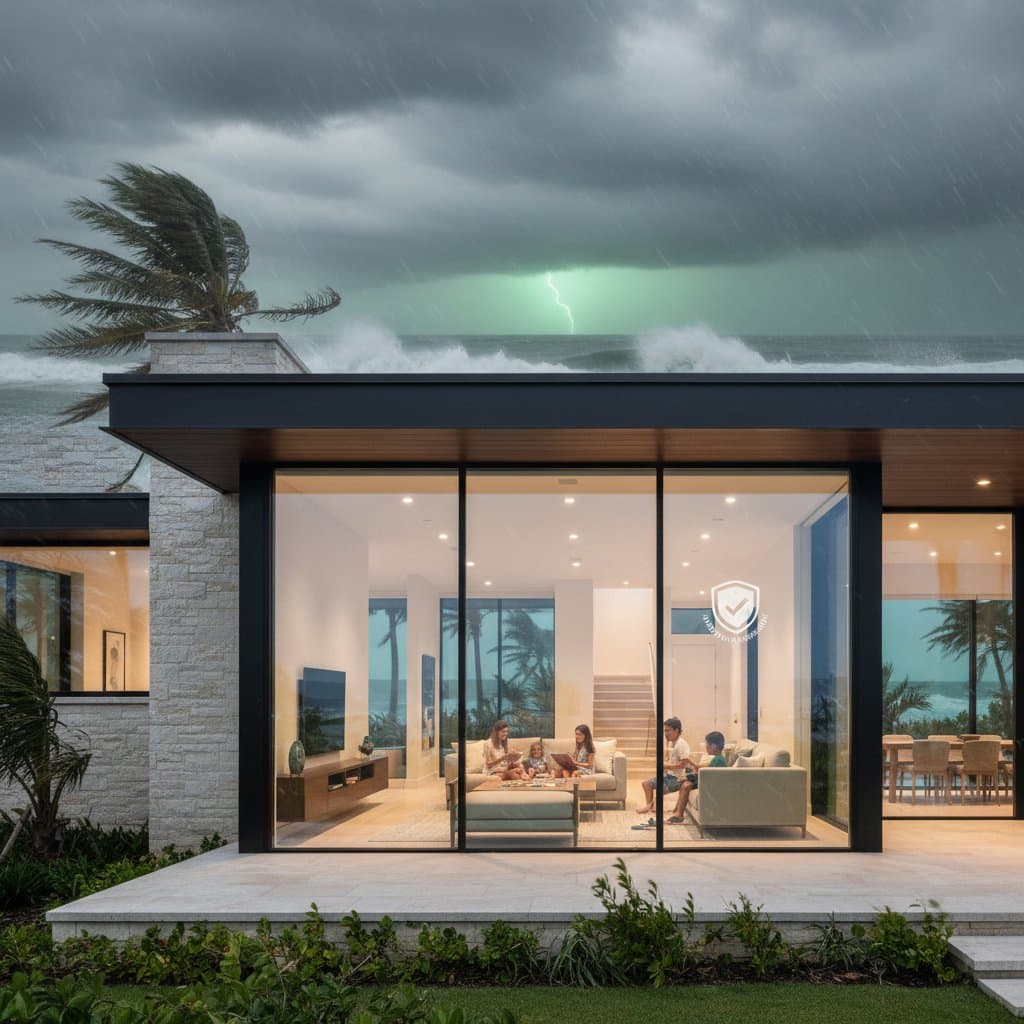
Impact windows shield homes from high winds, airborne debris, and attempted intrusions. The higher initial investment yields savings through reduced insurance rates and fewer repair needs after storms.
- Laminated glass and strengthened frames endure impacts without shattering.
- Decreased premiums for insurance and lower energy expenses recoup the investment gradually.
- Optimal choice for properties in coastal areas or regions prone to frequent high winds.
Understanding Impact Windows
Impact windows represent specialized fenestration designed to endure the forces of severe weather events, including flying objects and sudden pressure shifts. The core component consists of laminated glass, akin to automotive windshields, where two layers of glass sandwich a flexible plastic interlayer. Upon impact, cracks may form, yet the assembly remains cohesive, preventing water intrusion and maintaining structural integrity. Frames utilize reinforced materials such as aluminum, vinyl, or steel, with glazing secured via robust anchors, sealants, or mechanical fasteners.
Advantages and Drawbacks
Advantages
- Withstand extreme winds and projectile hazards effectively.
- Attenuate external noise and block harmful ultraviolet radiation.
- Enhance thermal performance to lower heating and cooling expenses.
- Elevate property market value and qualify for insurance premium reductions.
- Deter burglaries through resistance to forced entry attempts.
Drawbacks
- Initial purchase and installation prices surpass those of conventional windows.
- Added weight from reinforced components may necessitate structural modifications.
- Regulatory compliance often involves permits and professional inspections.
- Aesthetic variety lags behind options available for standard installations.
- Post-impact repairs to the interlayer prove costly if damage occurs.
Ideal Applications and Limitations
Situations for Impact Windows
- Residences in coastal zones or areas with elevated wind risks.
- Properties subject to mandatory hurricane-resistant building standards.
- Preferences for fixed solutions over temporary storm coverings.
- Desires for superior thermal insulation and acoustic isolation.
Circumstances Where They May Prove Unnecessary
- Inland locations with minimal exposure to severe weather.
- Existing installations of robust storm shutters or protective panels.
- Short-term ownership plans that preclude cost recovery.
Installation Process
Required Tools and Materials
- Tape measure
- Level
- Drill equipped with masonry bits
- Screwdriver
- Sealant and backer rod
- Safety glasses and gloves
Estimated Time and Complexity
One to two days per window, varying by dimensions and substrate type. Moderate to high skill level required.
- Prepare the Rough Opening: Extract existing sashes, trim, and accumulated debris. Verify squareness and absence of decay; reinforce framing as necessary.
- Measure and Test Fit: Record dimensions at multiple points for width and height. Ensure the replacement unit accommodates a quarter-inch clearance on all sides.
- Apply Initial Sealant: Distribute a uniform layer of sealant along the perimeter of the opening to inhibit moisture penetration.
- Position the Unit: Insert the impact window from the exterior side. Employ shims to achieve level and plumb alignment.
- Anchor the Frame: Create pilot holes through the flange or nailing fin. Secure with screws resistant to corrosion.
- Finalize Sealing: Insert backer rod into voids and overlay with sealant. Level the application using a tool or moistened finger.
- Verify Functionality: Operate sashes fully; confirm secure locking and uniform seal compression.
- Complete Finishing: Remove excess sealant, restore trim elements, and dispose of removed materials responsibly.
Expert Recommendation: Prior to acquisition, confirm the manufacturer's label indicates compliance with regional wind load and impact resistance criteria.
Financial Considerations
Standard Pricing
Installed costs typically range from $700 to $1,400 per window.
Elements Increasing Expenses
- Oversized or non-standard configurations.
- Elevated access demands, such as scaffolding for upper levels.
- High-end frame options, including aluminum-clad wood varieties.
- Additional charges for local regulations and permitting.
Elements Decreasing Expenses
- Conventional dimensions and geometries.
- Selection of vinyl over metal framing.
- Volume discounts for comprehensive replacements.
Replacement Versus Repair
Opt for full replacement when exceeding two damaged panes or when seals degrade, as this approach generally undercuts cumulative repair expenditures.
Self-Installation Versus Professional Service
Conditions for DIY Approach
- Prior experience in fenestration replacement projects.
- Standard openings reachable without specialized equipment.
- Ability to self-certify adherence to jurisdictional codes.
Reasons to Engage Professionals
- Substrates involving masonry or stucco finishes.
- Evidence of deterioration, moisture intrusion, or framing deficiencies.
- Jurisdictions mandating oversight or certified engineering approval.
Professional Distinctions
Specialists execute precise measurements, manage permitting processes, and anchor assemblies to withstand specified wind pressures. They conduct thorough tests for airtightness and watertightness prior to completion. Certified installers provide documentation essential for insurance validation and manufacturer warranties.
Upkeep and Preventive Measures
Schedule
Conduct inspections biannually and immediately following significant weather events.
Essential Procedures
- Examine seals and caulking for fissures or separations.
- Clean operable tracks using a solution of mild soap and water.
- Apply silicone-based lubricant to moving parts like hinges and locks.
- Evaluate overall functionality and security mechanisms.
Expected Results
Consistent performance, sustained weather resistance, and extended durability for protective elements.
Comparable Options
Storm Shutters
Suitable for intermittent use. Involve lower initial outlays yet require deployment prior to each event.
Plywood Barriers
Minimal expense and simple storage. Provide basic shielding with negligible thermal benefits or aesthetic enhancement.
Protective Films
Applied as a transparent overlay to current glazing. Retain fragments upon breakage but lack comprehensive load-bearing capacity.
Select based on frequency of threats, financial constraints, and desired ease of use.
Frequently Asked Questions
Do impact windows prevent all forms of breakage? No. Heavy strikes may cause cracking, though the interlayer maintains barrier function against elements.
Do they contribute to reduced energy consumption? Yes. Minimized infiltration and solar gain vary by unit specifications and environmental factors.
Is phased replacement possible? Yes. Begin with vulnerable exposures and proceed incrementally as resources permit.
Are permits required? In most cases, yes. Jurisdictions typically demand verification of compliance with safety and efficiency standards.
What is their expected lifespan? Twenty to thirty years under routine care. Regular evaluation of seals and finishes preserves efficacy.
Do they offer protection against bullets or theft? Enhanced resistance to intrusion exceeds standard glass, though not designed for ballistic threats. The design delays breaches and activates security systems more promptly.
Pre-Purchase Evaluation Checklist
- Document measurements and configurations for all openings.
- Review applicable building codes for required wind resistance levels.
- Evaluate warranty terms and certification for glazing.
- Assess energy performance ratings for insulation potential.
- Obtain a minimum of three detailed proposals.
- Verify inclusion of permitting and inspection services in quotes.
- Allocate funds for ancillary items like trim and waste management.
Implementing the Upgrade
For properties in storm-vulnerable regions, impact windows establish enduring safeguards. They surpass temporary measures by providing continuous benefits beyond weather events, including acoustic comfort, utility savings, and enhanced security.
Perform a thorough cost-benefit analysis prior to proceeding. Tally existing insurance obligations, upkeep for alternative protections, and potential repair liabilities. Contrast these against the amortized expense of impact windows over their service life. Such calculations frequently demonstrate net advantages.
Commence with installations on the most susceptible facades to assess outcomes. Retain all certification documents and warranty details. Upon resale, these records substantiate the value added to the property.
Impact windows extend beyond mere storm resilience. They fortify the home, elevate safety standards, and promote everyday livability.