Hurricane Windows: Cutting Insurance Costs and Boosting Home Value
Hurricane windows represent a robust upgrade for homes in storm-prone regions. These specialized windows withstand high winds, flying debris, and heavy rain, providing essential protection during severe weather events. Homeowners who install them gain not only immediate safety but also financial advantages over time.
The initial investment may seem substantial, yet the returns justify the expense. Insurance providers often offer significant discounts to properties equipped with such features. Beyond cost savings, these windows enhance overall home performance and market appeal.
Understanding Hurricane Windows
Hurricane windows, also known as impact windows, feature laminated glass and reinforced frames designed to resist extreme forces. Unlike standard windows, they do not shatter easily under pressure from winds exceeding 140 miles per hour. This durability stems from multiple layers of glass bonded with a tough interlayer that holds fragments in place even if cracks form.
These windows comply with stringent building codes in areas like Florida and coastal Texas, where hurricanes pose annual threats. Certification from organizations such as the Miami-Dade County standards ensures they meet or exceed safety requirements. Homeowners benefit from this compliance, avoiding costly retrofits during code updates.
Installation involves professional assessment to match window sizes and home architecture. Frames typically use aluminum, vinyl, or wood clad in durable materials to prevent corrosion from salt air. Proper sealing during fitting prevents water intrusion, a common issue in traditional setups.
Enhancing Home Safety and Security
The primary role of hurricane windows lies in protecting occupants from storm hazards. During a hurricane, winds can propel objects like tree branches at high speeds, turning them into dangerous projectiles. Impact-resistant glass absorbs these impacts without breaking into sharp pieces, reducing injury risks inside the home.
Beyond storms, these windows deter break-ins. The reinforced construction makes forced entry far more difficult compared to ordinary glass. Many models include advanced locking mechanisms that integrate seamlessly with home security systems.
Families in vulnerable areas report greater peace of mind after installation. Children and elderly residents feel secure knowing the home stands strong against nature's fury. This emotional benefit complements the physical protection provided.
Reducing Insurance Premiums
Insurance companies recognize the value of hurricane windows in minimizing claims. Properties with approved impact windows qualify for discounts ranging from 10 to 45 percent on windstorm coverage, depending on location and policy details. These savings accumulate over years, offsetting installation costs within a few seasons.
To claim discounts, homeowners must provide proof of installation, such as certificates from certified installers. Insurers conduct inspections or review documentation to verify compliance. In high-risk zones, this upgrade can lower annual premiums by hundreds of dollars.
Long-term, reduced damage from storms means fewer repairs and lower deductibles. Homeowners avoid the financial burden of shattered windows and water damage, which often exceed thousands in repair bills. This proactive measure transforms potential losses into stable, predictable expenses.
Improving Energy Efficiency and Comfort
Hurricane windows feature double or triple glazing that insulates homes against heat and cold. The sealed design prevents drafts, maintaining consistent indoor temperatures year-round. This efficiency reduces reliance on heating and cooling systems, leading to lower utility bills.
In hot climates, low-emissivity coatings on the glass reflect solar heat while allowing natural light. Homes stay cooler without constant air conditioning, enhancing daily comfort. During winter, the insulation keeps warmth inside, creating a more livable environment.
Energy savings add up quickly. A typical household might see a 15 to 25 percent drop in monthly energy costs after upgrading. This benefit appeals to environmentally conscious owners who value sustainable home improvements.
Increasing Property Value
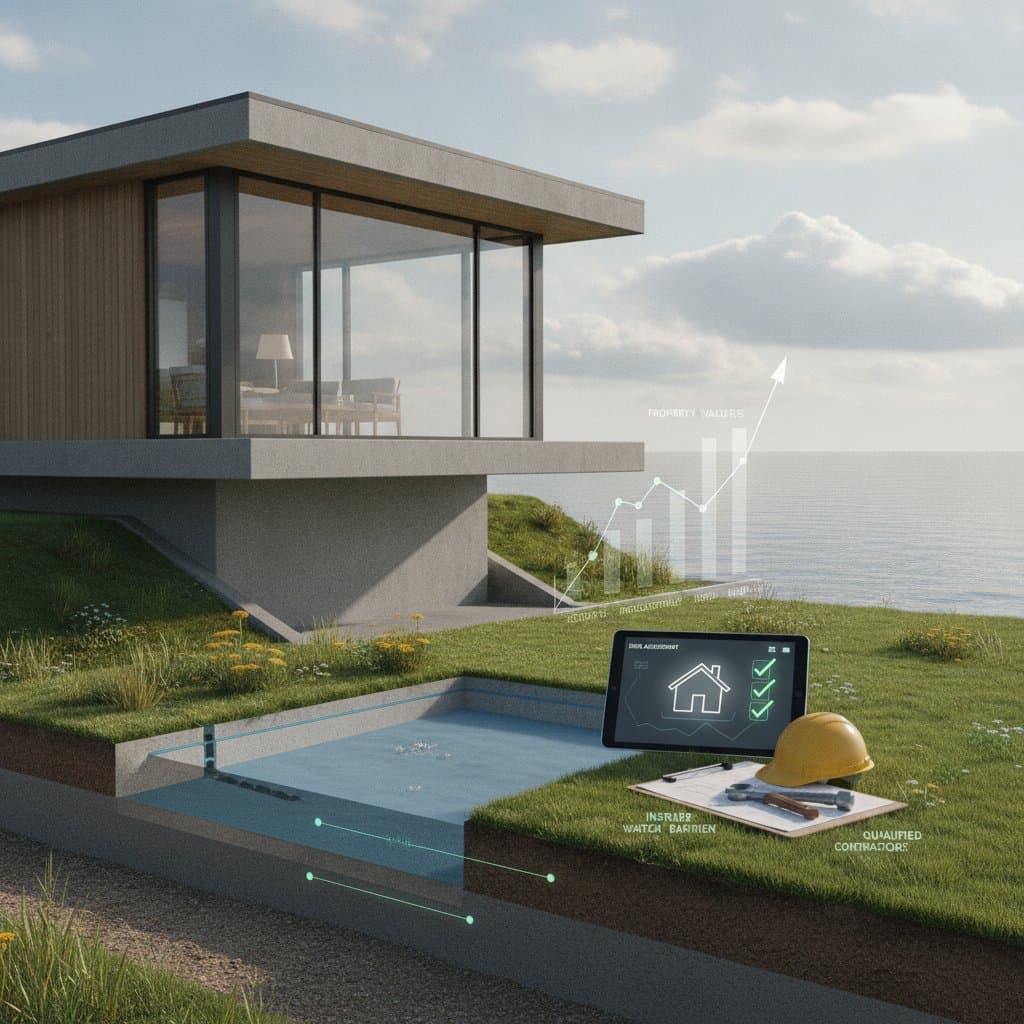
Real estate markets favor homes with hurricane windows due to their protective and efficient qualities. Appraisers factor in these upgrades when assessing value, often adding several thousand dollars to the listing price. In competitive markets, such features attract buyers seeking low-maintenance, resilient properties.
For 2026 projections, experts anticipate rising demand as climate risks intensify. Homes without storm protections may face declining values or longer sale times. Upgrading now positions owners ahead of market trends, ensuring higher returns on investment.
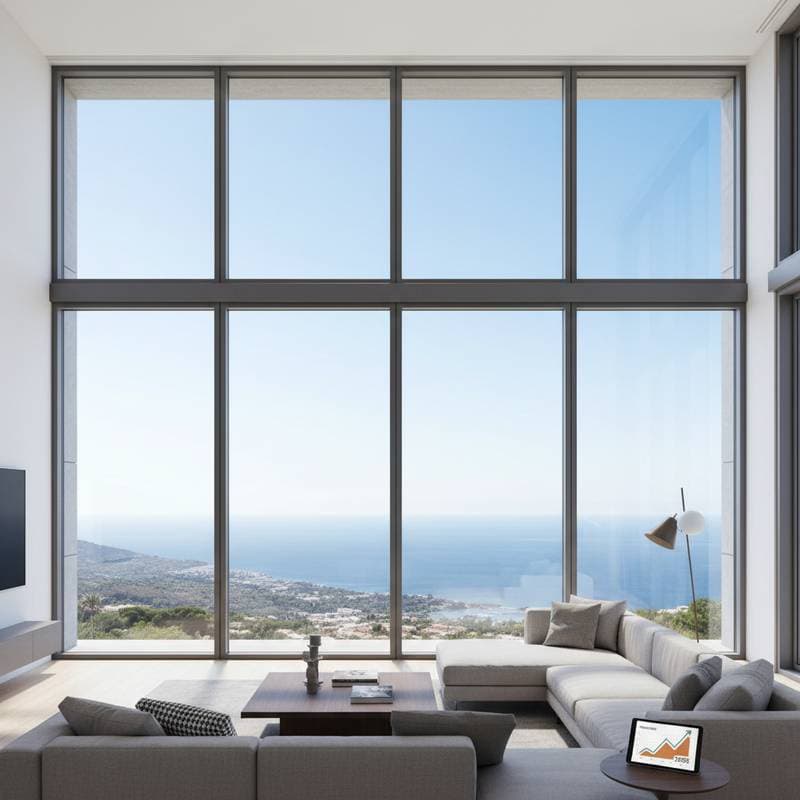
Resale appeal extends to aesthetic enhancements. Modern hurricane windows come in various styles, from sleek casements to traditional double-hungs, blending security with curb appeal. Buyers appreciate the combination of form and function in a single upgrade.
Steps to Upgrade Your Home
Assess your current windows for vulnerabilities, such as single-pane glass or outdated frames. Consult local building codes to understand requirements for your area. A professional inspection reveals specific needs and potential incentives like tax credits for energy-efficient installations.
- Research certified products from reputable manufacturers that meet impact standards.
- Obtain quotes from licensed installers experienced in hurricane retrofits.
- Review financing options, including home equity loans or manufacturer rebates.
- Schedule installation during off-peak seasons to minimize disruption.
- Update your insurance policy immediately after completion to secure discounts.
Budget for the project by considering square footage and window count. Average costs range from 500 to 1500 dollars per window, including labor. Factor in long-term savings to justify the upfront outlay.
Realizing Long-Term Returns
Investing in hurricane windows delivers multifaceted benefits that extend beyond immediate protection. Homeowners enjoy lower insurance rates, energy savings, and elevated property worth, creating a cycle of financial and practical gains. As storms become more frequent, this upgrade safeguards assets while enhancing quality of life.
For those planning to stay in their homes long-term, the decision proves especially rewarding. Families build equity through resilient features that withstand time and weather. In 2026 and beyond, such preparations ensure homes remain valuable havens amid changing conditions.