Essential Upgrades to Shield Your Home from Wildfires
The most effective strategy for protecting a home from wildfire involves integrating fire-resistant materials, ember barriers, and a defensible space around the property. These elements collaborate to delay ignition and provide firefighters with additional time to intervene. This approach addresses the primary threats posed by embers, which can ignite structures from considerable distances.
Summary Overview
Definition: A collection of building modifications and landscaping techniques designed to minimize wildfire vulnerability.
Importance: Embers often travel miles ahead of the main fire front, igniting roofs, vents, and decks even when the flames remain distant.
Cost Range and Influencing Factors: Typically $5 to $50 per square foot, varying based on selected materials, site terrain, and overall home dimensions.
Professional Assistance Recommended For: Roofing installations, vent modifications, and exterior wall replacements.
Project Duration: One to four weeks, contingent on the extent of work involved.
Maintenance Schedule: Annual inspections prior to the dry season.
Key Components of a Fire-Resistant Home
Every section of a residence encounters unique fire hazards. Understanding these allows for targeted reinforcements.
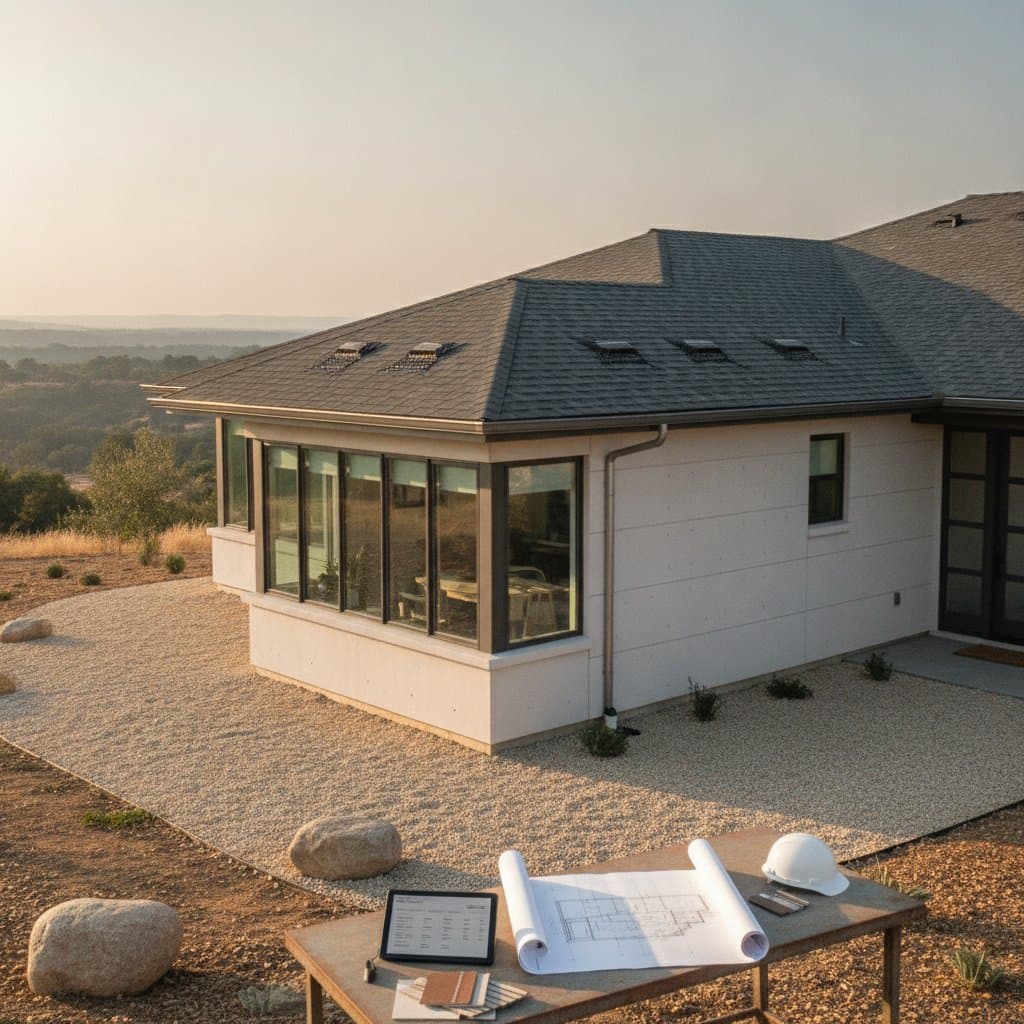
- Roof: As the primary exposure point, it demands Class A fire-rated materials like asphalt composition shingles, metal panels, or concrete tiles to withstand initial ember attacks.
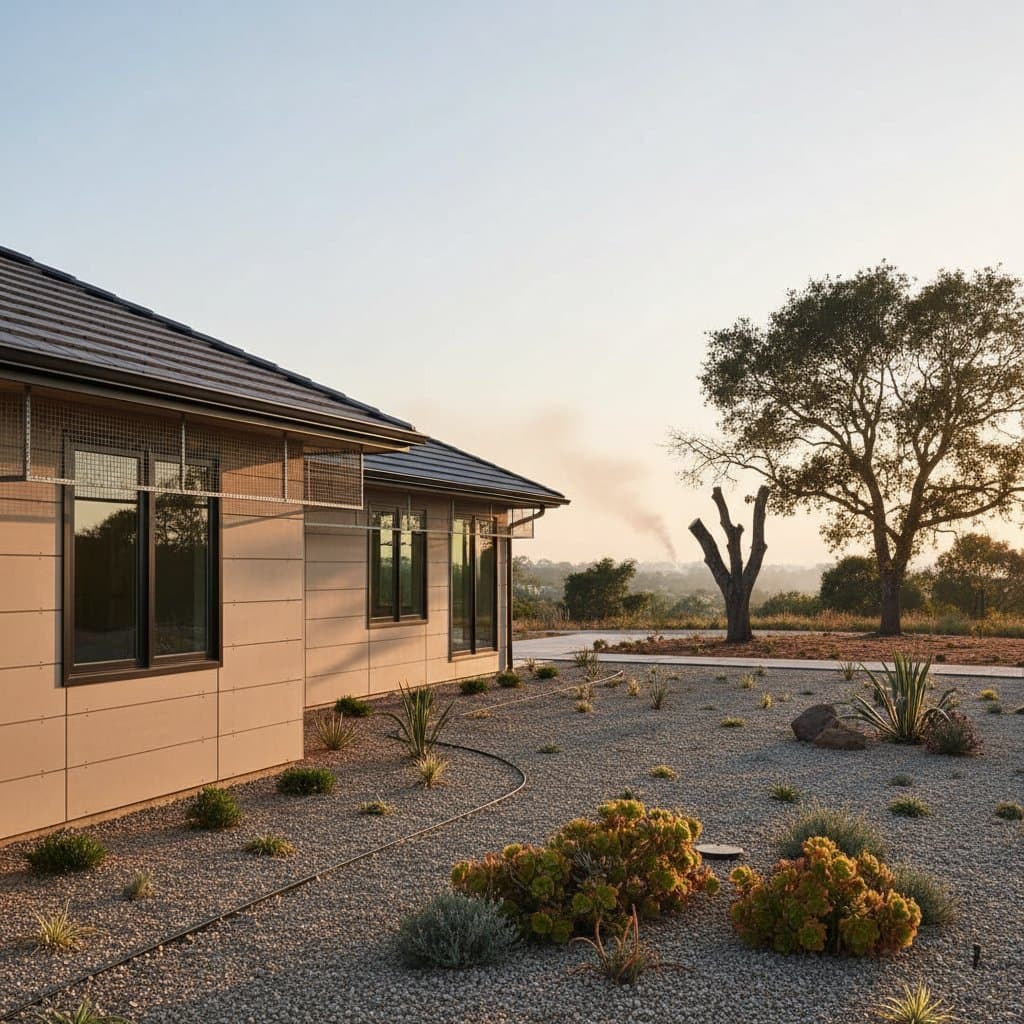
- Vents: Install fine metal mesh screens with openings no larger than 1/8 inch to prevent embers from infiltrating attics or crawl spaces.
- Siding: Opt for fiber cement, stucco, or metal options, which demonstrate superior resistance to ignition compared to traditional wood.
- Windows: Dual-pane tempered glass minimizes heat transmission and reduces the risk of shattering under thermal stress.
- Decks: Select composite materials or fire-rated lumber to limit ember-induced ignition on elevated surfaces.
- Gutters: Choose metal designs equipped with leaf guards to eliminate the accumulation of combustible debris.
- Defensible Space: Establish a vegetation-free buffer zone encircling the home to impede fire progression.
Indicators That Upgrades Are Necessary
Certain visible issues signal heightened risk and the need for immediate action.
- Curling or absent roof shingles that expose underlying layers.
- Weather-induced cracks in wood siding or decking materials.
- Vents featuring plastic screens or lacking any protective covering.
- Trees or shrubs positioned within a few feet of walls or beneath eaves.
- Gutters clogged with leaves, pine needles, or other dry vegetation.
Such conditions provide readily available fuel sources for incoming embers, amplifying the potential for rapid fire spread.
Comprehensive Protection Strategy
Follow this sequential plan to fortify your property systematically.
- Evaluate the Roof: Identify and replace any coverings that fall short of Class A fire-rating standards with approved alternatives.
- Secure Vents: Apply 1/8-inch metal mesh screenings; steer clear of plastic or fiberglass substitutes due to their flammability.
- Enhance Siding: Substitute wood or vinyl exteriors with durable fiber cement or stucco for improved fire resistance.
- Create Defensible Space: Remove all vegetation extending at least five feet from exterior walls; also trim overhanging branches from the roofline.
- Reinforce Decks and Fences: Install noncombustible decking materials and separate wooden fences from the house using metal barriers or masonry dividers.
- Fortify Windows and Doors: Equip with dual-pane tempered glass and apply weather stripping to seal gaps.
- Maintain Gutters and Roof Valleys: Remove all debris accumulation in preparation for fire season.
- Ensure Emergency Access: Clear driveways for fire vehicle entry and clearly designate available water sources.
Investment Breakdown and Variables
Budgeting requires consideration of material choices and site-specific challenges.
| Component | Cost Range | Additional Details |
|---|---|---|
| Class A Roof Replacement | $8 to $15 per square foot | Influenced by roof pitch and installation complexity |
| Fiber Cement Siding | $6 to $12 per square foot | Encompasses removal of existing siding |
| Ember-Resistant Vents | $30 to $80 per unit | Elevated prices for soffit or gable configurations |
| Dual-Pane Tempered Windows | $400 to $900 per window | Varies with frame material selections |
| Composite Deck Resurfacing | $10 to $25 per square foot | Increases for multi-level or elevated structures |
| Defensible Space Landscaping | $1 to $3 per square foot | Covers debris clearance and gravel installation |
Labor expenses typically escalate in isolated or rugged terrains where equipment access proves difficult.
DIY Feasibility Versus Professional Services
Assess each task based on skill level and potential hazards.
| Task | Suitable for DIY | Associated Risks | Necessary Tools | Permit Requirements | Estimated Time | Effect on Warranties |
|---|---|---|---|---|---|---|
| Roof Replacement | Professionals Only | Elevated | Specialized roofing equipment, secure ladders | Generally Mandatory | 1 to 2 Weeks | Preserves Manufacturer Coverage |
| Vent Screening | Intermediate | Minimal | Tin snips, power drill | Typically Unnecessary | 1 Day | No Impact |
| Siding Upgrade | Professionals Preferred | Moderate | Power saws, stable ladders | Frequently Required | 1 to 2 Weeks | Potential Influence on Finish Guarantees |
| Defensible Space Creation | Fully DIY | Low | Pruning shears, rakes | Seldom Needed | 1 to 3 Days | None |
Engage licensed contractors for any work involving structural elements or roofing to ensure compliance and safety.
Safety Protocols and Regulatory Compliance
Prioritize personal protection by donning gloves, safety goggles, and dust masks during cutting or manipulation of materials like fiber cement. Position ladders on stable, even surfaces and refrain from roof activities during gusty conditions. Adhere to local fire regulations, which might stipulate particular vent mesh sizes or minimum distances for decks and fences. Consult the municipal building authority prior to undertaking exterior modifications.
Ongoing Care and Durability
Sustained protection demands regular upkeep to preserve effectiveness.
- Examine vent screens and gutter protectors ahead of every dry period.
- Clear roof valleys and gutters on a biannual basis.
- Renew weather stripping around doors and windows upon detection of cracks.
- Apply fresh paint or sealant to siding at intervals of 10 to 15 years.
- Replenish gravel buffers and conduct vegetation pruning each year.
Implementing Lasting Wildfire Resilience
By methodically applying these upgrades, homeowners establish multiple defensive layers that significantly reduce ignition risks. This proactive investment not only safeguards property but also enhances peace of mind during fire-prone seasons. Begin with a professional assessment to tailor these recommendations to your specific environment and achieve optimal results.