Hidden Costs of Solar Panel Removal for Roof Replacement
Quick Overview
Roof replacement beneath solar panels exceeds the expense of a conventional re-roofing project.
- Panels, mounting racks, and wiring require careful removal and reinstallation.
- Additional labor, electrical work, and permits contribute to unforeseen expenses.
- Early planning mitigates unexpected charges and project delays.
Understanding the Process
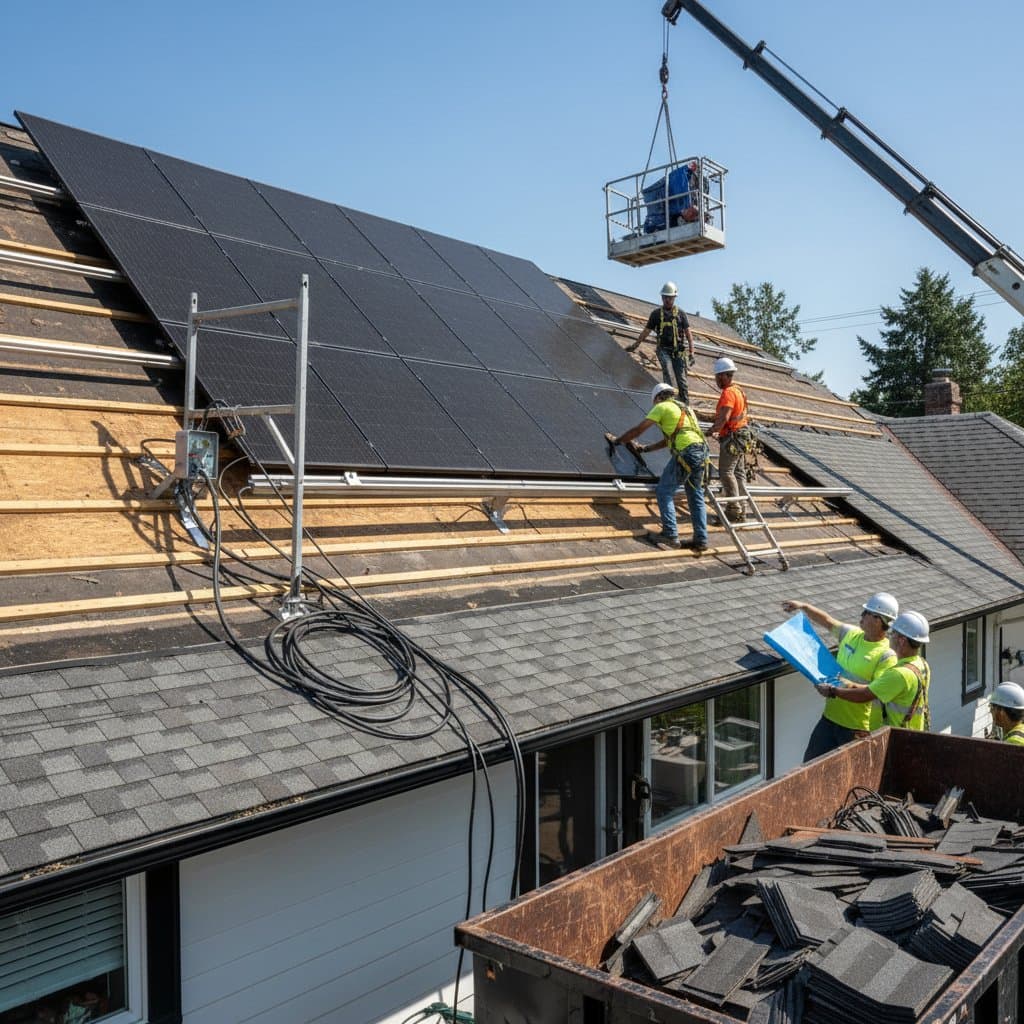
Solar panel removal for roof replacement entails dismantling rooftop photovoltaic panels, support racks, and associated wiring to allow roofers unobstructed access to the surface. After installing the new roof, technicians resecure the system, reconnect components, and conduct performance tests. This methodical approach safeguards both the solar installation and the roof manufacturer's warranty.
Benefits and Drawbacks
Benefits
- Protects solar panels from potential damage during roofing activities.
- Enables roofers to apply proper flashing and underlayment without obstructions.
- Provides an opportunity to examine panels and wiring for wear or defects.
Drawbacks
- Increases overall project costs by several thousand dollars.
- Demands precise coordination between roofing and solar specialists.
- Temporarily disrupts solar energy generation for one to several weeks.
Ideal Scenarios and Potential Pitfalls
Pursue full removal when
- The existing roof approaches the end of its lifespan while supporting operational solar panels.
- Leaks or structural weaknesses appear near mounting points.
- Roofing or solar professionals indicate that removal complies with warranty terms or building codes.
Avoid pitfalls by not
- Attempting superficial repairs around panel mounts without disassembly.
- Allowing improper reinstallation, which could lead to water infiltration or electrical malfunctions.
Detailed Process: Executing Solar Removal
Required Tools and Materials
- Safety harnesses and roof anchors for secure access.
- Specialized disconnect tools and insulated gloves for electrical handling.
- Lifting brackets designed for panel removal.
- Labeling tape and markers for component identification.
- Sturdy storage racks or padded surfaces to protect panels during downtime.
Project Timeline and Complexity
- Removal typically spans two to four days, with reinstallation requiring a comparable duration.
- Complexity level: High, necessitating combined expertise in electrical systems and roofing techniques.
Step 1: Preparation Phase
Deactivate the solar system via the dedicated disconnect switch and the home's main breaker. Clearly label every wire and capture detailed photographs of all connections prior to any disassembly. These measures prevent errors during reassembly.
Step 2: Electrical Disconnection
Engage a licensed electrician or certified solar technician to detach the inverter, junction boxes, and conduit lines. Electrical components demand professional handling with appropriate protective equipment to ensure safety and compliance.
Step 3: Panel Dismantling
Employ lifting brackets to carefully detach each panel from its mounts. Position panels on padded racks in a shaded, weather-protected area, ensuring they remain upright and undamaged.
Step 4: Racking and Mount Removal
Unfasten the rails and mounting hardware from the roof structure. Inspect surrounding flashing and sealants for evidence of deterioration, leaks, or corrosion that may require attention.
Step 5: Roof Installation
Roofers proceed with laying new sheathing, underlayment, and surface materials such as shingles or tiles. Verify that fresh flashing aligns precisely with the planned mount positions for optimal waterproofing.
Step 6: System Reinstallation
Solar technicians reattach the mounting rails, secure the panels, and restore electrical connections. Perform comprehensive tests on voltage, polarity, and inverter functionality prior to reactivating the system.
Step 7: Final Inspection
Conduct a thorough review to confirm secure mounting and electrical integrity. Local building authorities or utility providers may mandate an official reinspection before permitting grid reconnection.
Cost Breakdown
Standard Range: Expect $1,500 to $6,000 for the complete removal and reinstallation process.
Elements That Escalate Expenses
- Expansive solar arrays featuring intricate wiring configurations.
- Delicate roofing surfaces, such as clay tiles or standing-seam metal.
- Challenging roof geometries, including steep pitches or multi-level designs.
- Necessary repairs to mounting hardware or electrical lines.
- Variations in regional labor rates and permitting requirements.
Elements That Reduce Expenses
- Compact solar setups with straightforward layouts.
- Accessible single-story roofs that simplify logistics.
- Integrated services where one contractor manages both removal and full roof replacement.
Strategic Timing for Replacement Over Repair
When a roof retains fewer than five years of expected service life, opt for complete replacement to avoid the doubled labor costs of repeated panel removals within a decade. Proactive replacement preserves long-term affordability.
DIY Considerations Versus Professional Services
Suitable DIY Tasks
- Pre-removal cleaning of panel surfaces to remove accumulated dirt.
- Systematic labeling of wires and documentation through photographs.
- Panel handling solely for individuals with verified training and safety equipment.
Essential Professional Involvement
- All electrical disconnection and reconnection procedures.
- Dismantling of racks and mounts integrated with roof flashing.
- Any work subject to licensing mandates for roof-penetrating installations.
Professional Advantages
- Application of precise torque specifications to mounting fasteners.
- Sealing of roof penetrations using materials approved by building codes.
- Verification of grounding continuity and inverter performance against industry standards.
Amateur errors in this domain risk invalidating both solar and roof warranties, leading to substantial financial repercussions.
Ongoing Maintenance and Preventive Measures
Recommended Schedule
Perform inspections once annually or immediately following severe weather events.
Key Inspection Tasks
Examine mounting hardware for signs of corrosion and sealants for developing cracks. Gently rinse panels with fresh water to clear debris and maintain efficiency.
Desired Results
Secure fastenings, pristine panel surfaces, and absence of leaks or electrical degradation. Routine checks identify issues early, forestalling the need for premature and expensive removals.
Viable Alternatives to Full Removal
Partial Roof Repair
Suitable for isolated leaks distant from mounting areas. This approach cuts removal costs but carries risks of inconsistent roofing materials or undetected underlying issues.
Roof Overlay Application
Ideal for asphalt roofs in moderate condition. It provides interim protection; however, layering may compromise solar or roof warranties.
Ground-Mounted Solar Systems
Optimal for properties with available yard space. These setups eliminate roof-related removal expenses entirely, as panels reside off the structure.
Frequently Asked Questions
Do roofers typically handle solar panel removal?
In most cases, no. Roofers generally lack the required electrical certifications. Delegate disconnection and reconnection to the original solar provider or a qualified electrician.
Is it feasible to replace the roof while leaving panels in place?
Not advisable. Full access remains essential for installing underlayment and flashing. Bypassing mounts invites water leaks and breaches of building codes.
Does panel removal impact the solar warranty?
Potentially, if uncertified personnel perform the work or if documentation lapses. Consult your solar provider in advance to verify coverage and procedures.
Will my electricity bills increase during the removal period?
Yes, on a short-term basis. Expect full dependence on utility power until the system reactivates.
What precautions ensure safe panel storage?
Store panels vertically on cushioned supports in a dry, shaded environment. Refrain from overloading stacks or exposing them to direct sunlight.
Pre-Removal Planning Checklist
- Confirm the necessity of full roof replacement over mere patching.
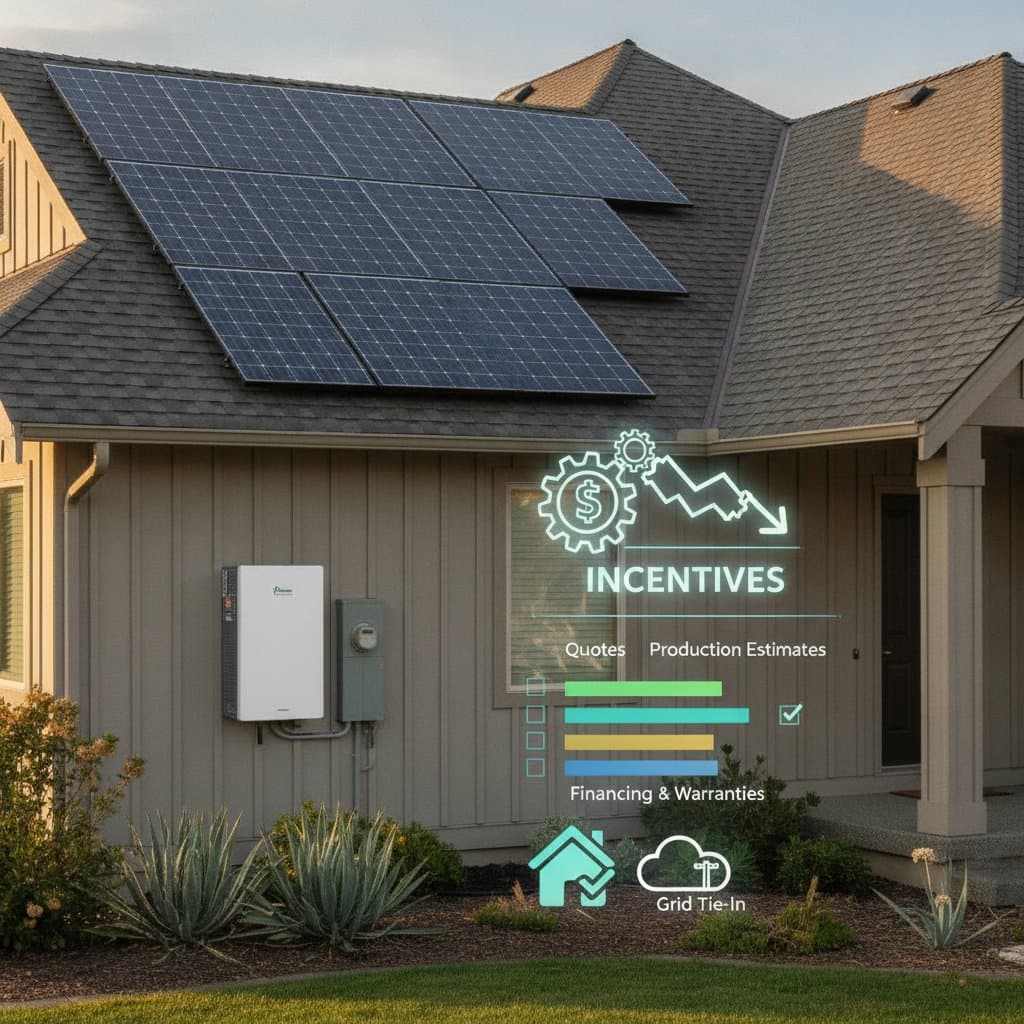
- Obtain detailed quotes from both roofing and solar contractors.
- Inquire about warranty provisions for removal or inspections.
- Verify local permitting needs for system reconnection.
- Time the project for periods of lower energy consumption to curb utility expenses.
- Document all wiring configurations photographically prior to disconnection.
- Prepare padded storage solutions for panels and components.
- Arrange for a conclusive inspection before system energization.
Coordinating a Seamless Roof and Solar Upgrade
Address aging roofs supporting solar installations through strategic timing to avert complications like mount-related leaks or rushed interventions. Proactive scheduling facilitates quote comparisons and unified contractor efforts.
Initiate discussions with your solar installer and roofer to align timelines. Request itemized estimates covering removal, secure storage, and reinstallation phases. Ensure consensus on responsibilities for sealing roof entries and conducting performance validations.
Account for the entire project scope in your budget, extending beyond roofing alone. A well-orchestrated removal strategy upholds panel integrity, warranty protections, and sustained energy benefits, enabling a single roof replacement to support decades of reliable solar output.