How Much Does a Granny Pod Cost? ADU Pricing Guide
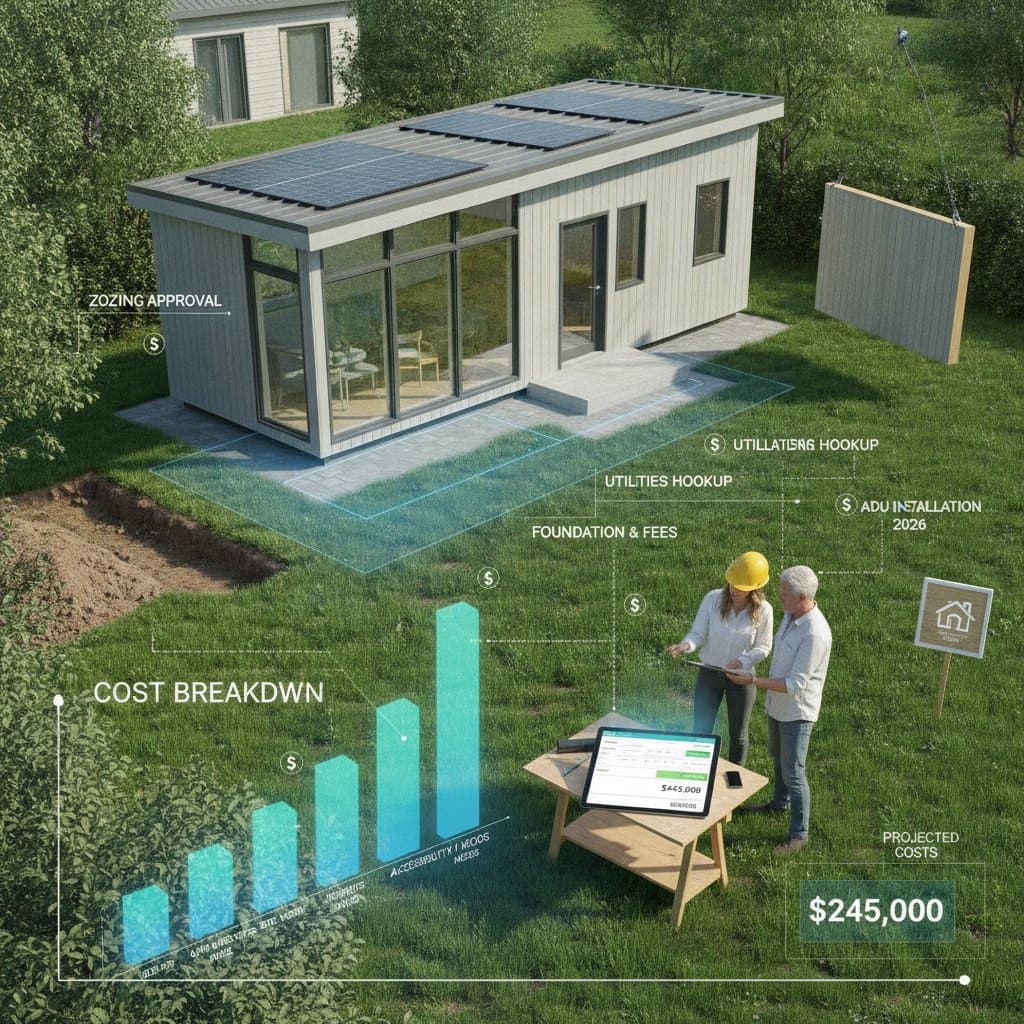
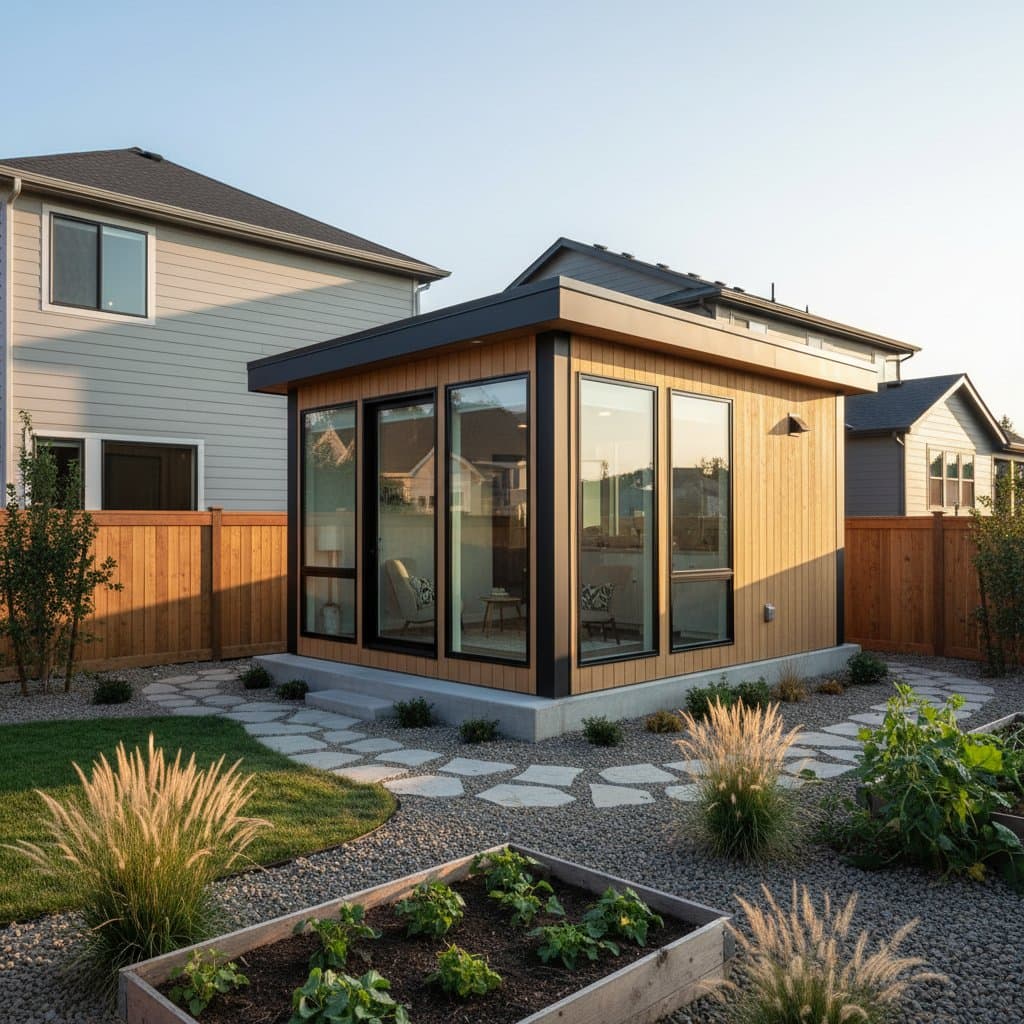
A granny pod converts a backyard into a complete, independent living area. This setup allows family members to remain nearby while maintaining personal space. Professional installation for such a unit ranges from $80,000 to $250,000. Most homeowners invest approximately $145,000 for a complete package that covers site preparation, utility connections, and interior detailing.
Three primary elements determine the overall expense: size and layout, materials and finishes, and site conditions. Regional labor costs and permitting requirements further affect the price. Data from the National Association of Home Builders indicates that a thoughtfully planned accessory dwelling unit can elevate property value by up to 35 percent relative to comparable properties without one. Individuals construct granny pods to accommodate relatives or generate rental income, yielding both practical benefits and enduring financial gains.
Detailed Cost Breakdown
Professionals charge for granny pod installation on a per-square-foot basis, with rates averaging $250 to $500 based on customization levels and geographic location. Units commonly span 250 to 800 square feet, resulting in project costs from $80,000 to $250,000. Builders apply a minimum fee of about $65,000 for compact designs to account for essential expenses like permits and utility hookups.
Nationwide, projects at the 25th percentile total near $95,000, median efforts reach around $145,000, and upscale versions surpass $210,000. Variations of 20 percent or greater occur locally due to differences in labor expenses and material access.
Size and Scope
The dimensions of the accessory dwelling unit exert the strongest impact on expenses. Compact 250-square-foot models, featuring one bedroom and a bathroom, generally cost $80,000 to $100,000. Adding 100 square feet increases the budget by $25,000 to $35,000, contingent on selected finishes. A 600-square-foot configuration with a kitchenette and living space averages $150,000, whereas expansive 800-square-foot versions equipped with full kitchens and laundry facilities range from $200,000 to $250,000.
Companies such as Studio Shed and Boxabl offer modular alternatives priced per square foot. These options provide installation timelines and personalization that align with various budgets. Insights from ADU discussions on Reddit suggest that custom designs become more economical than prefabricated ones at approximately 500 square feet.
Materials and Quality Tiers
Choices in materials influence appearance and durability.
Entry-level constructions employ vinyl siding, laminate flooring, and standard kitchen components at roughly $250 per square foot. These selections support a service life of 20 to 25 years.
Mid-tier selections incorporate fiber cement siding, quartz countertops, and efficient appliances from manufacturers like LG or Samsung. Such upgrades elevate costs to $325 to $400 per square foot while enhancing livability and market appeal.
High-end builds integrate premium elements, including Andersen windows, Kohler fixtures, metal roofing, and superior insulation. These exceed $450 per square foot yet promote energy efficiency and reduced upkeep over time.
Site Complexity and Location
Property features significantly alter budgets. Level terrain with proximate utilities maintains stable pricing. Challenges like sloped ground, tree clearance, or septic modifications each contribute $5,000 to $20,000. Urban settings with rigorous regulations or restricted equipment access can inflate expenses by as much as 25 percent.
Reports from contractors on Angi and Houzz highlight elevated rates in coastal urban centers, stemming from higher labor fees and extended permitting processes. Rural zones benefit from reduced labor costs but face increased delivery charges for supplies.
Service Types and Comprehensive Pricing
Basic or Standard Package
Standard packages encompass foundation work, framing, roofing, drywall installation, electrical systems, plumbing basics, and simple interior elements. These often include a compact kitchen, bathroom, and heating, ventilation, and air conditioning setup. Costs for this level fall between $120,000 and $160,000.
A typical 400-square-foot project demands four to six weeks of on-site work. This option fits homeowners desiring a self-contained space for family without extravagant features.
Premium or Comprehensive Package
Comprehensive packages build upon basics with enhanced materials, smart technology, solar power, and accessibility adaptations compliant with ADA standards. Additions may involve landscaping, decks, and built-in storage.
These command 20 to 35 percent higher fees, totaling $170,000 to $250,000. Such investments support greater resale worth and monthly rental yields of $1,500 to $2,500, varying by area. Recovery through rentals usually occurs in six to eight years.
Add-On Services and Bundles
Contractors frequently provide extras that enhance functionality and appeal:
| Add-On Service | Typical Cost | Value Benefit |
|---|---|---|
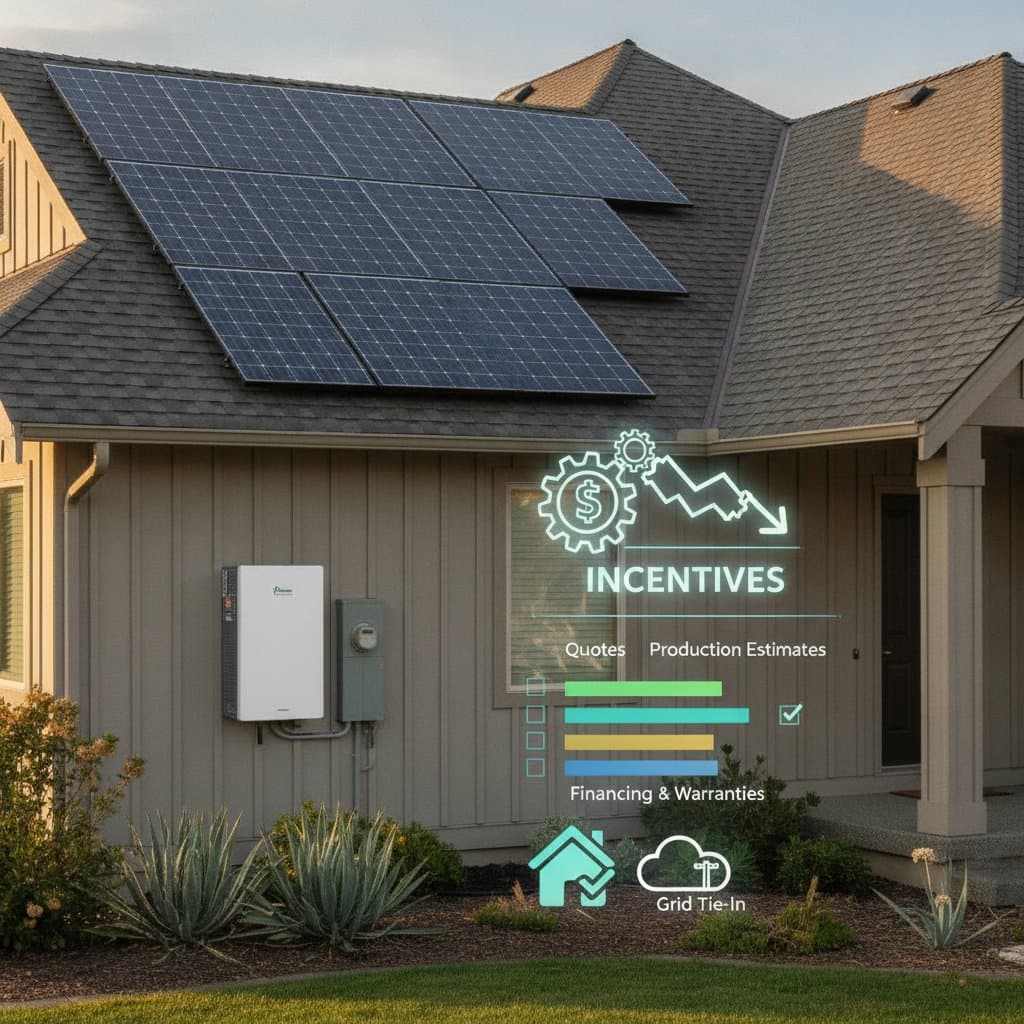
| Solar panel integration | $8,000 to $15,000 | Lowers energy expenses by 30 percent |
| Deck or patio installation | $5,000 to $12,000 | Improves outdoor usability |
| Accessibility upgrades | $3,000 to $8,000 | Promotes safety and ease of use |
| Landscaping and grading | $2,500 to $7,500 | Elevates visual appeal |
| Smart home automation | $2,000 to $6,000 | Introduces contemporary controls |
Combining services often secures 10 to 15 percent discounts over individual arrangements. Platforms like Thumbtack or HomeAdvisor assist in obtaining bids from at least three certified builders for optimal pricing.
Professional vs. DIY Building
DIY Cost Breakdown
Self-construction lowers initial outlays but heightens demands. Kits for a 400-square-foot structure begin at $45,000, covering lumber, insulation, and exterior panels from outlets like Lowe’s or Home Depot.
Essential tools, including nail guns, saws, and mixers, add $2,000 to $4,000 through purchase or rental. Plumbing and electrical supplies approximate $8,000 to $10,000, with permits at $3,000.
Full DIY efforts total $60,000 to $80,000, omitting labor. Participants invest 400 to 600 hours, restricting this approach to skilled individuals. Unforeseen issues, such as corrections or inspections, may offset economies.
Professional Advantages
Engaging certified builders guarantees adherence to codes, warranties, and reliable schedules. Experts utilize advanced equipment valued at tens of thousands and maintain insurance against mishaps.
Professional projects conclude two to three months faster than owner-led ones. Superior craftsmanship boosts appraisals by up to 15 percent, per BuildZoom ADU records. Families often value the assurance and robustness these services deliver.
Decision Framework
Opt for professionals when sites need earthwork, utility extensions, or bespoke plans. DIY suits modest modular units on even ground with ready connections. Account for errors, as a single plumbing issue might exceed $3,000 in repairs.
Actionable Cost-Saving Strategies
Timing Optimization
Builders extend 5 to 10 percent reductions for work during quieter periods. Reserving slots early in the year sidesteps high demand and permitting backlogs. Certain firms apply lower rates for weekday operations with flexible staffing.
Smart Shopping and Preparation
Secure three itemized proposals and negotiate on materials or payments to trim $2,000 to $5,000 from moderate projects. Procure select items from wholesalers for another 5 percent savings.
Pre-clearing sites, identifying utilities, and readying bases prior to crew arrival yields $1,000 to $2,000 in efficiencies.
Market Dynamics and Considerations
Geographic Variations
Expenses fluctuate regionally. West Coast and Northeast cities impose 15 to 25 percent premiums from urban factors. Southern and Midwestern areas present more affordable labor. Rural spots contend with extended deliveries and scarce specialists, potentially prolonging timelines.
Market Conditions
Shifts in lumber and concrete prices affect accessory dwelling unit finances. Supply gaps and code revisions alter totals. Monitoring regional real estate patterns aids in timing builds for optimal outcomes.
Value Indicators
Strategic granny pods lift property worth by 20 to 35 percent and cut annual housing outlays substantially. Efficient materials and solar setups slash utilities by up to 40 percent, positioning these as viable, eco-friendly choices.
Maximizing Your Investment
Granny pods serve as adaptable resources for evolving household requirements. They function as guest quarters, income sources, or caregiver homes, fostering autonomy alongside property enhancement. Collaborating with adept specialists secures regulatory alignment, streamlined layouts, and sustained performance. Through precise foresight and fiscal discipline, transform a backyard into a rewarding, versatile home addition.