Cost Overview for 2026 Flood Protection
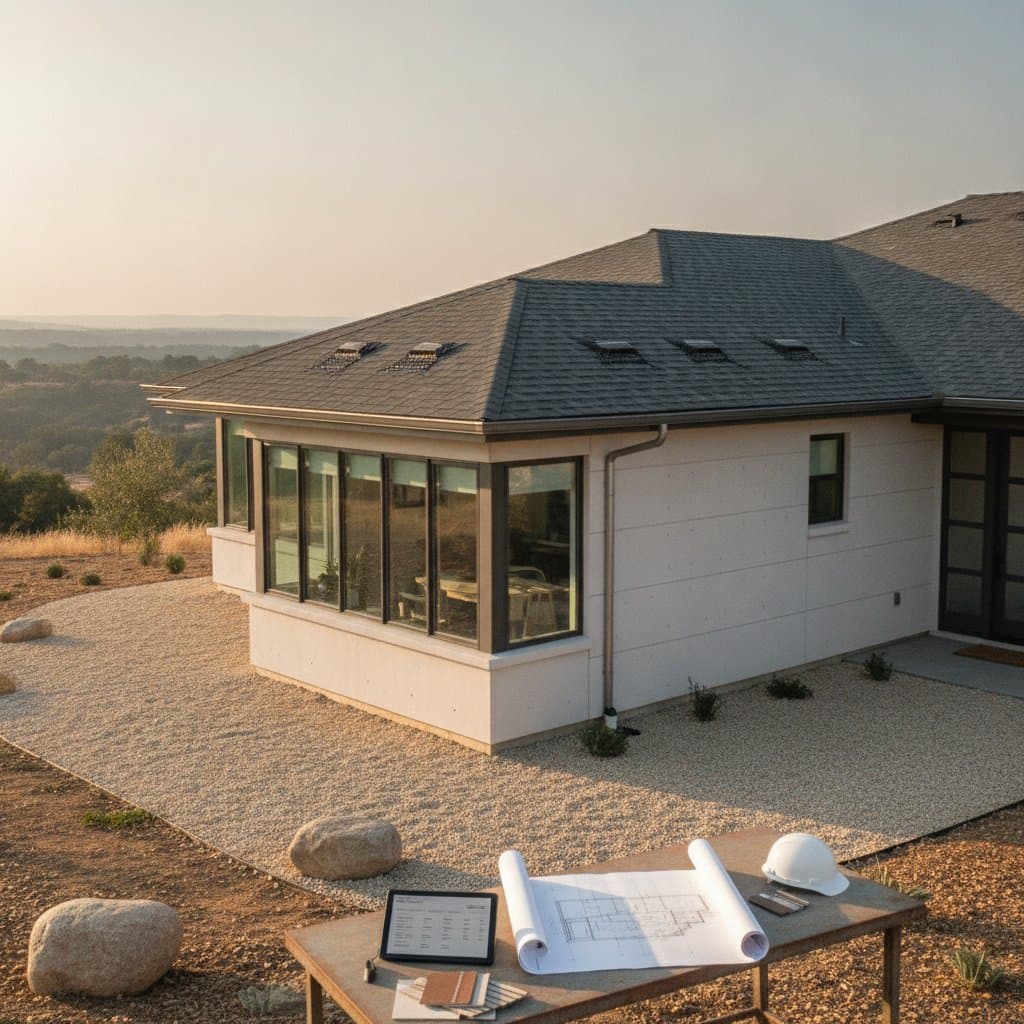
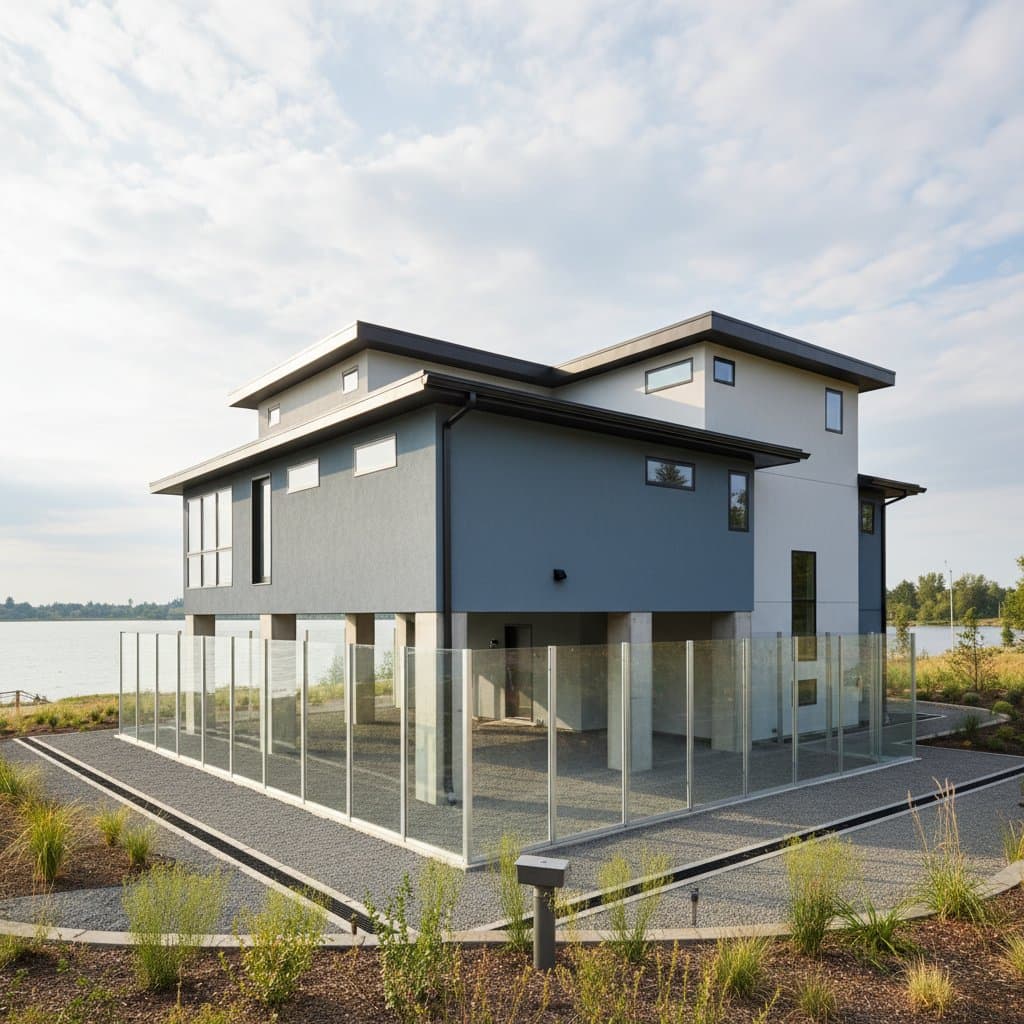
Flood protection investments in 2026 typically range from $7,000 to $24,000, depending on the scope and location. Basic drainage improvements and sealing start at the lower end, around $7,000 for a standard single-family home. Comprehensive systems, including sump pumps and French drains, push costs toward $12,000 to $18,000. Full structural elevation for high-risk areas reaches $24,000 or more, factoring in engineering and permits.
These figures account for material price increases due to supply chain factors and labor rates adjusted for inflation. Homeowners often recover 50 to 75 percent of costs through lower insurance premiums over five years. Resale value gains average 5 to 10 percent in flood-prone regions. Consult local contractors for precise quotes, as soil conditions and zoning rules influence final expenses.
Essential Tools and Safety Gear
Effective floodproofing requires basic construction tools and protective equipment. Gather these items before starting any project to ensure efficiency and safety.
Required tools:
- Shovel and trenching spade for excavation work
- Caulking gun for applying sealants precisely
- Roller or sprayer to distribute waterproof coatings evenly
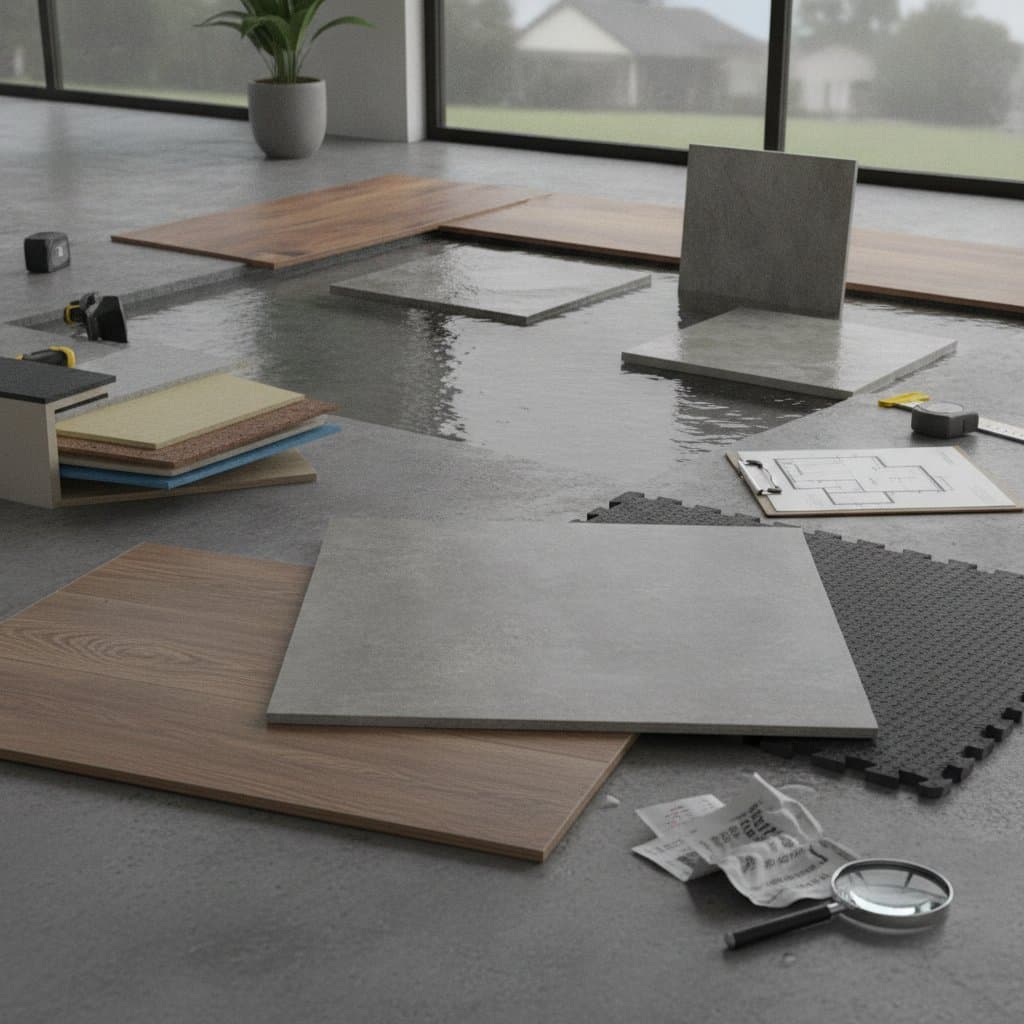
- Level and tape measure for accurate alignments and dimensions
Optional tools:
- Wheelbarrow to transport soil and gravel
- Compacting tamper to firm up backfill materials
- Garden hose for testing slopes and drainage flow
Safety gear:
- Gloves to protect hands from sharp edges and chemicals
- Rubber boots for working in wet or muddy conditions
- Protective eyewear to shield eyes from debris and splashes
- Waterproof coveralls to keep clothing dry and clean
Invest in quality tools to avoid rework. Rent specialized equipment like trenchers from local suppliers if digging extensive perimeters.
Step-by-Step Floodproofing Guide
Follow these structured steps to implement basic flood defenses. Each phase builds on the previous one, creating layered protection against water intrusion. Costs for DIY approaches range from $1,500 to $5,000 in materials, while professional installation adds $3,000 to $10,000 in labor.
-
Assess site grading and gutters. Measure the ground slope to ensure it drops at least 6 inches over the first 10 feet from the foundation. Clear gutters of leaves and debris to direct water away effectively. This initial check prevents 70 percent of surface water issues and costs under $200 in tools.
-
Repair and seal foundation cracks. Use a wire brush to clean cracks thoroughly, then fill them with hydraulic cement for a durable bond. Apply a thick layer of waterproof sealant over the entire foundation exterior using a roller or sprayer. Expect to spend $500 to $1,500 on materials; professional sealing runs $2,000 to $4,000.
-
Construct a perimeter trench or French drain. Excavate a trench 12 inches wide and 18 inches deep around the foundation. Line it with landscape fabric, install perforated pipe at the base, surround with gravel, and backfill carefully. This system redirects groundwater and costs $3,000 to $7,000 installed.
-
Set up sump pump discharge. Connect the sump pump to rigid PVC pipe that extends at least 10 feet from the house. Bury the line to avoid freezing or blockages, ensuring water flows to a safe drainage point. Add $800 to $2,000 for pipes and fittings.
-
Conduct tests under simulated conditions. Simulate rain with a garden hose or wait for natural precipitation to observe water behavior. Check for pooling near the foundation or seepage through walls, then refine grading or adjust drains accordingly. Testing reveals issues early and incurs minimal additional cost.
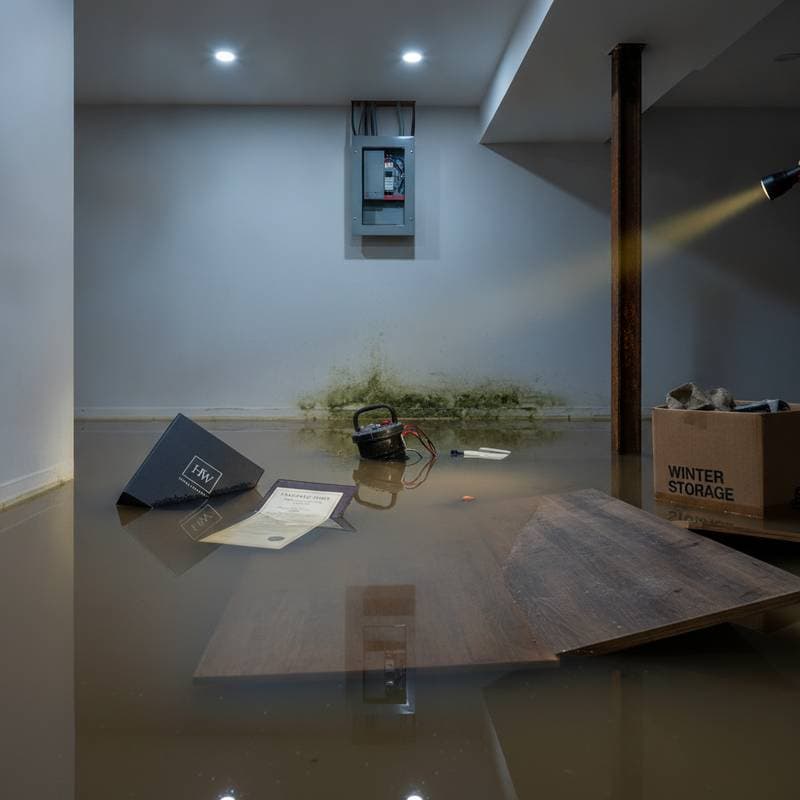
These measures address minor flooding effectively. For persistent problems, such as water penetrating walls or basements, engage a licensed contractor for advanced systems including backup pumps and battery power sources, which add $5,000 to $15,000 to the total.
Project Timeline and Scheduling
Planning timelines helps manage expectations and avoid disruptions. Material availability and weather play key roles in pacing projects.
Lead times for key materials:
- Flood vents and sump pumps arrive in one to two weeks from standard suppliers.
- Structural steel beams or concrete piers require three to four weeks for fabrication and delivery.
- Waterproof coatings and membranes stock readily at most hardware stores.
On-site work duration:
- Foundation sealing takes three to five days with a small crew.
- Installing a French drain and sump pump spans one full week.
- Full home elevation projects last eight to twelve weeks, including engineering approvals.
Critical inspection stages:
- Verify excavation depth and footing stability before pouring concrete.
- Test drains and pumps for proper function prior to backfilling.
- Obtain final certification for elevation work and structural tie-downs.
Account for potential delays from rain or high groundwater, which can pause digging for days. Schedule during dry seasons for smoother progress. Early planning secures permits and coordinates with utility services.
Ongoing Maintenance for Longevity
Regular upkeep extends the life of flood protection systems to 15 to 25 years. Neglect leads to failures during critical events, so integrate these tasks into seasonal routines.
Routine care practices:
- Test sump pumps biannually by filling the pit with water until the float switch activates.
- Inspect and clear discharge lines of leaves, dirt, or ice buildup.
- Clean gutters and downspouts each season to maintain proper water flow.
- Regrade yard low spots annually as soil settles and erodes.
Signs of potential issues:
- Frequent pump cycling without water indicates a faulty float switch.
- White efflorescence stains on walls suggest moisture seeping behind sealants.
- Cracks expanding beyond 1/8 inch signal foundation shifts requiring attention.
Repair versus replacement decisions:
Membranes lasting over 10 years warrant complete reapplication rather than spot fixes for better adhesion. Replace pumps after seven years to prevent unexpected breakdowns during storms. Budget $500 to $2,000 yearly for maintenance to avoid larger $10,000 repairs.
Regional Considerations
Adapt strategies to local conditions for optimal results. Flood zones, soil composition, and regulations dictate material choices and depths.
Coastal regions with elevated water tables demand deeper trenches and materials resistant to saltwater corrosion, increasing costs by 20 percent. Inland areas prone to river overflows prioritize berms, enhanced grading, and sump setups over complex drainage. Urban properties often connect to municipal storm systems, necessitating backflow prevention devices and permits that add $1,000 to $3,000.
Review FEMA flood maps and consult building departments to confirm elevation requirements. Soil tests, costing $300 to $800, reveal if expansive clays or sandy loams affect drain performance. Tailor plans accordingly to comply with codes and maximize insurance discounts.
Building a Resilient Home System
Floodproofing creates a comprehensive defense that safeguards lives, preserves equity, and ensures stability. Begin with foundational drainage and sealing upgrades, then incorporate mechanical elements like pumps and vents. Reserve structural elevation for properties in severe risk zones.
Document every aspect of the project, from permits to warranties, to support insurance claims and appeal to buyers. Schedule maintenance consistently and verify system readiness ahead of wet seasons. View these enhancements as interconnected layers that fortify the entire property.
Resilient homes withstand events that overwhelm unprepared structures. Invest thoughtfully to secure lasting protection and financial benefits.