
Articles tagged with pod
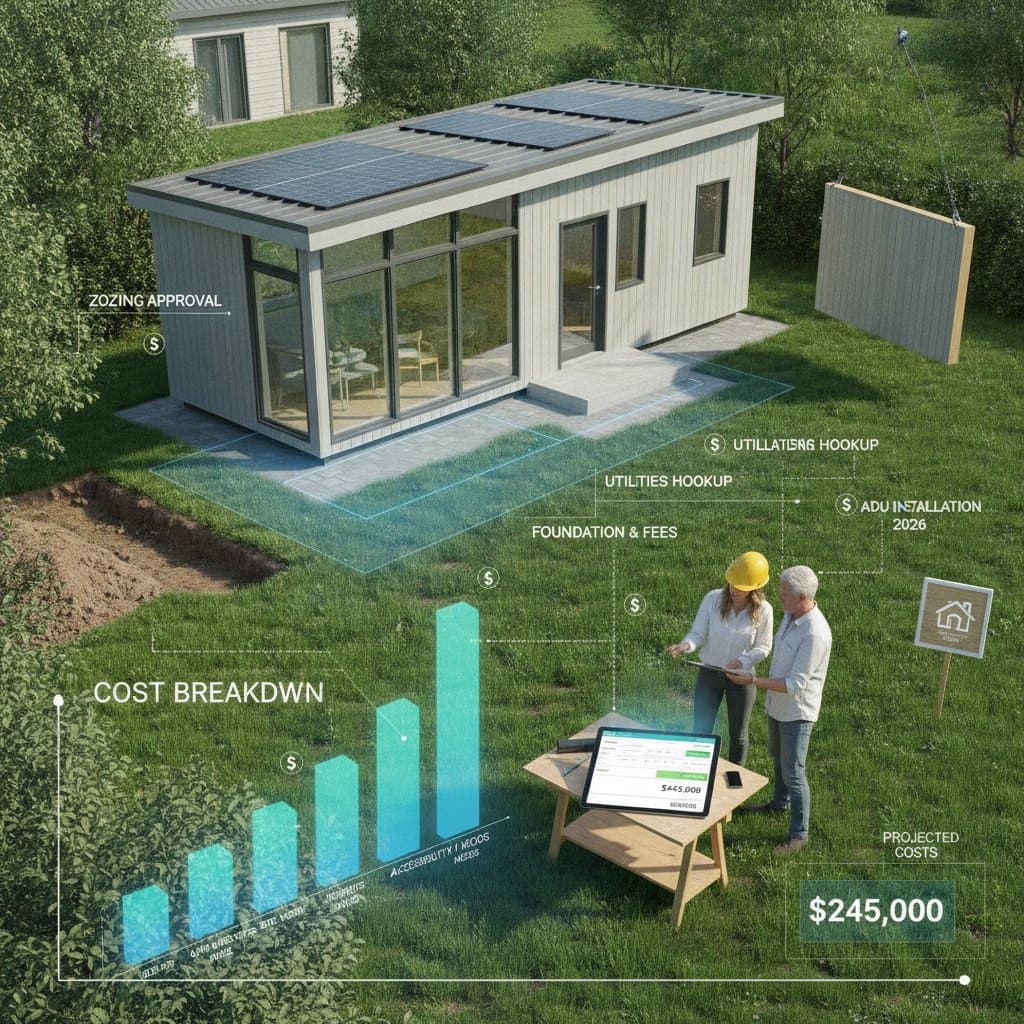
A granny pod typically costs $100,000–$300,000, with size, finishes, site conditions, utilities, and local approvals driving the final price. Before buying, confirm zoning, setbacks, permits, and fees. Compare itemized professional bids, budget 10–15% for surprises, and plan accessibility features early to create affordable, compliant, long-term housing.
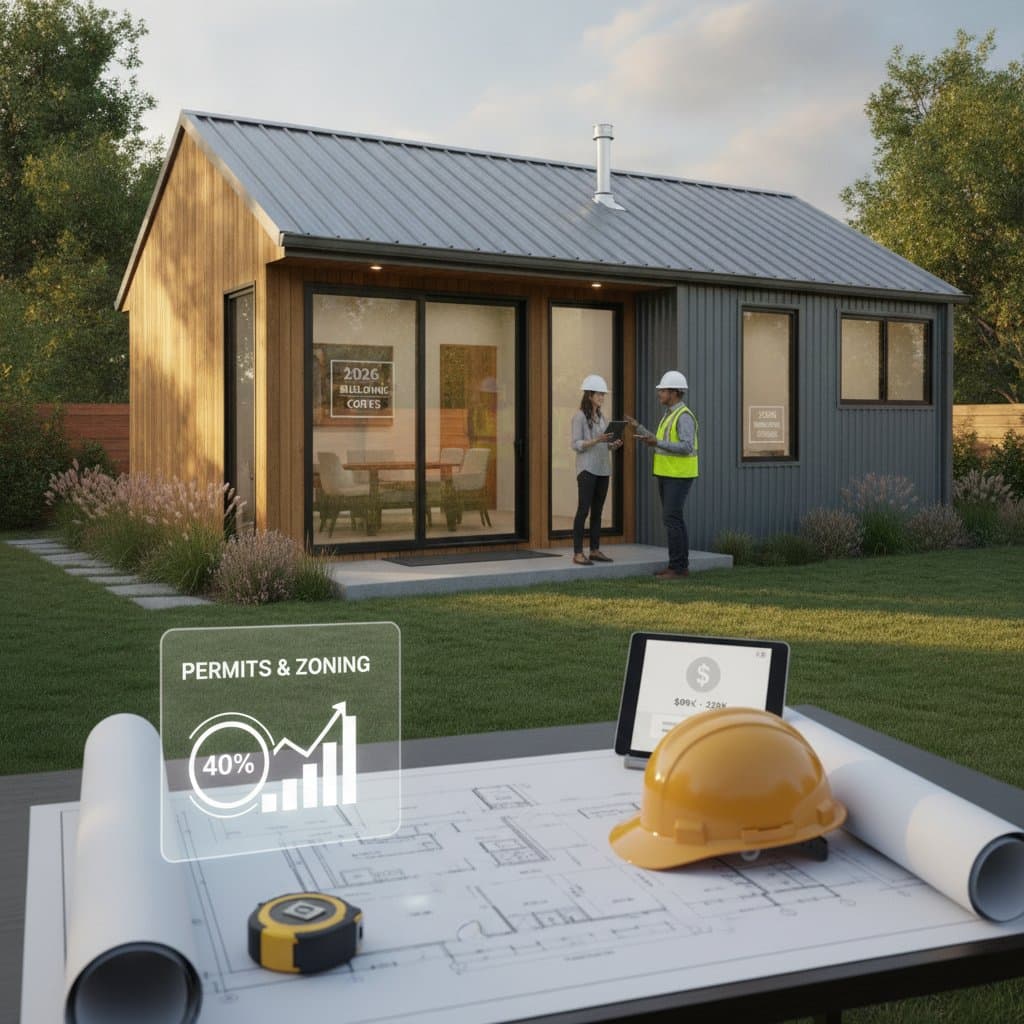
Learn the real expenses of building a granny pod in 2026, including permit processes, zoning constraints, and site conditions. Follow practical steps for design, construction, and compliance to create a durable accessory dwelling unit.
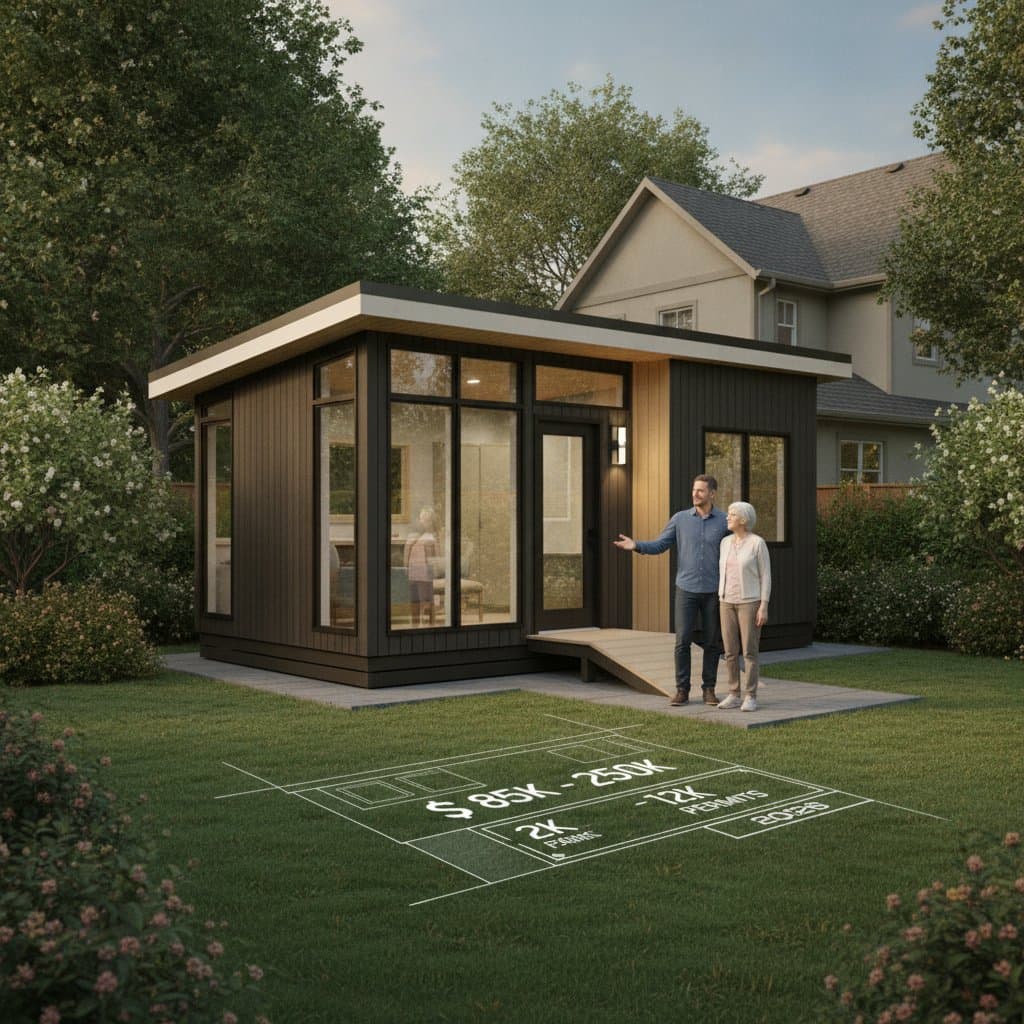
Thinking about adding a granny pod? Expect costs from $85,000 to $250,000 with permits from $2,000 to $12,000. Learn how zoning, design choices, and construction type affect your budget, timeline, and comfort. This guide covers every step from planning and permits to maintenance for a lasting, flexible backyard living solution.
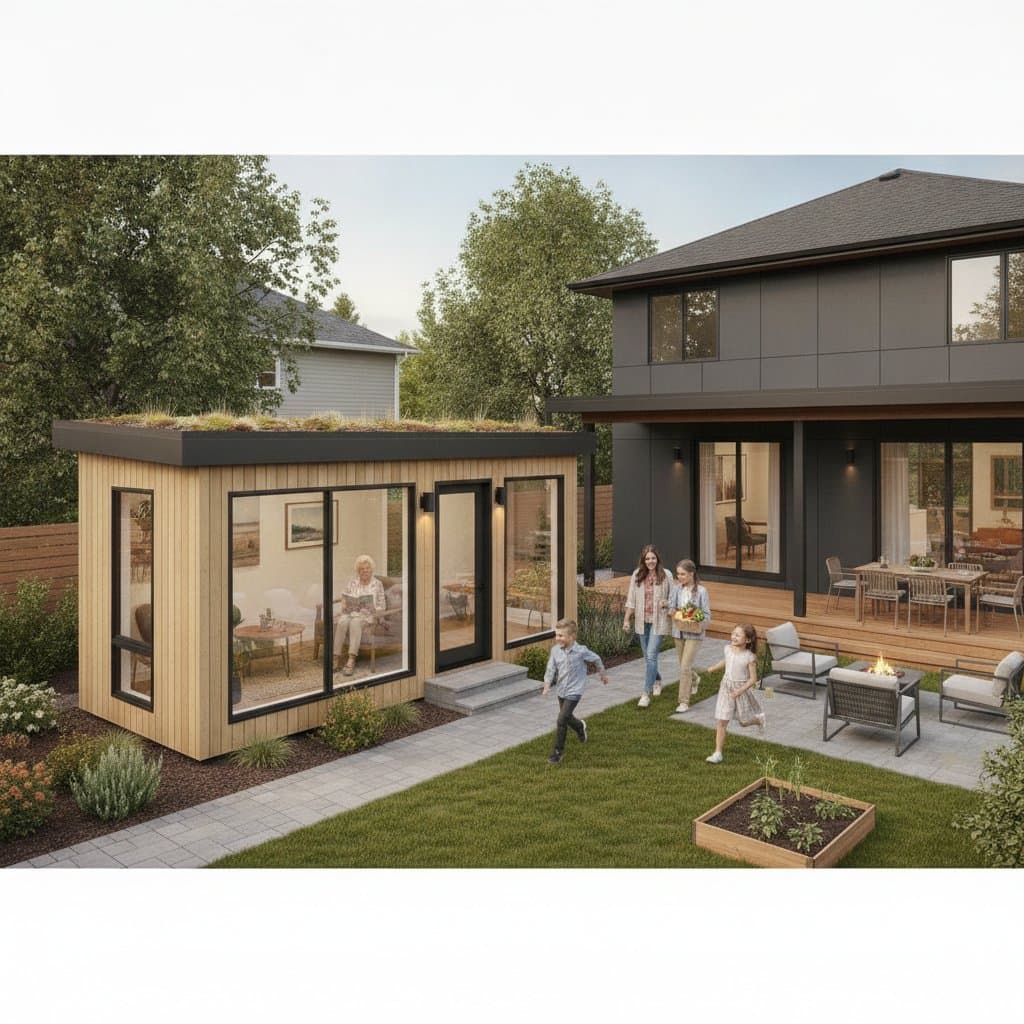
Granny pods deliver private living space near family while controlling care expenses. Costs in 2026 average between 85000 and 180000 dollars depending on size and location. This guide covers zoning checks, permit steps, and maintenance practices that support a successful build.

Discover how much a 2026 granny pod really costs, what permits you’ll need, and the steps to build one safely. From zoning rules and utility tie-ins to cost-saving tips and maintenance essentials, this guide explains everything required to create a comfortable, code-compliant backyard home for aging loved ones.
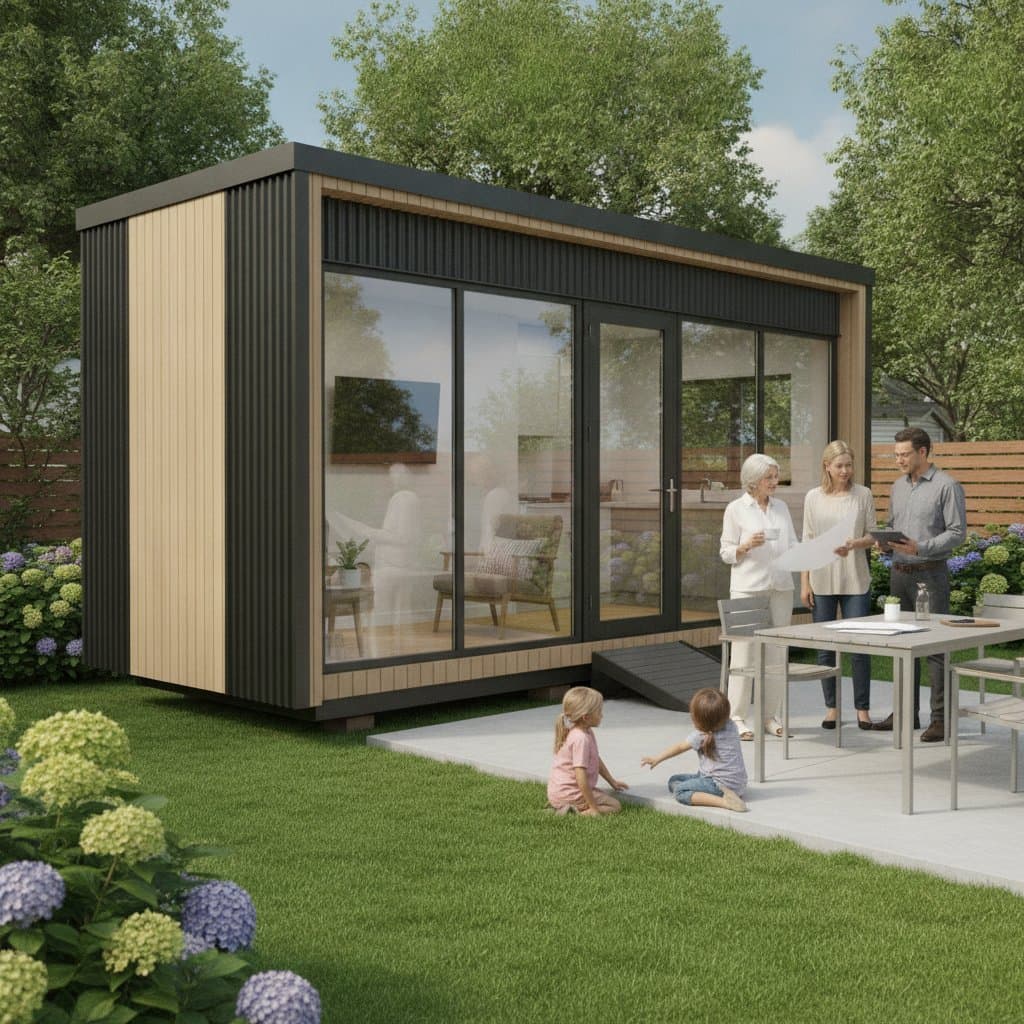
Granny pods offer independent living close to family, but costs range from $55,000 to $195,000 depending on design and site conditions. Zoning rules dictate size, placement, and utilities, making early planning essential. Learn how to navigate permits, choose designs, and avoid costly mistakes before committing to your backyard dwelling.
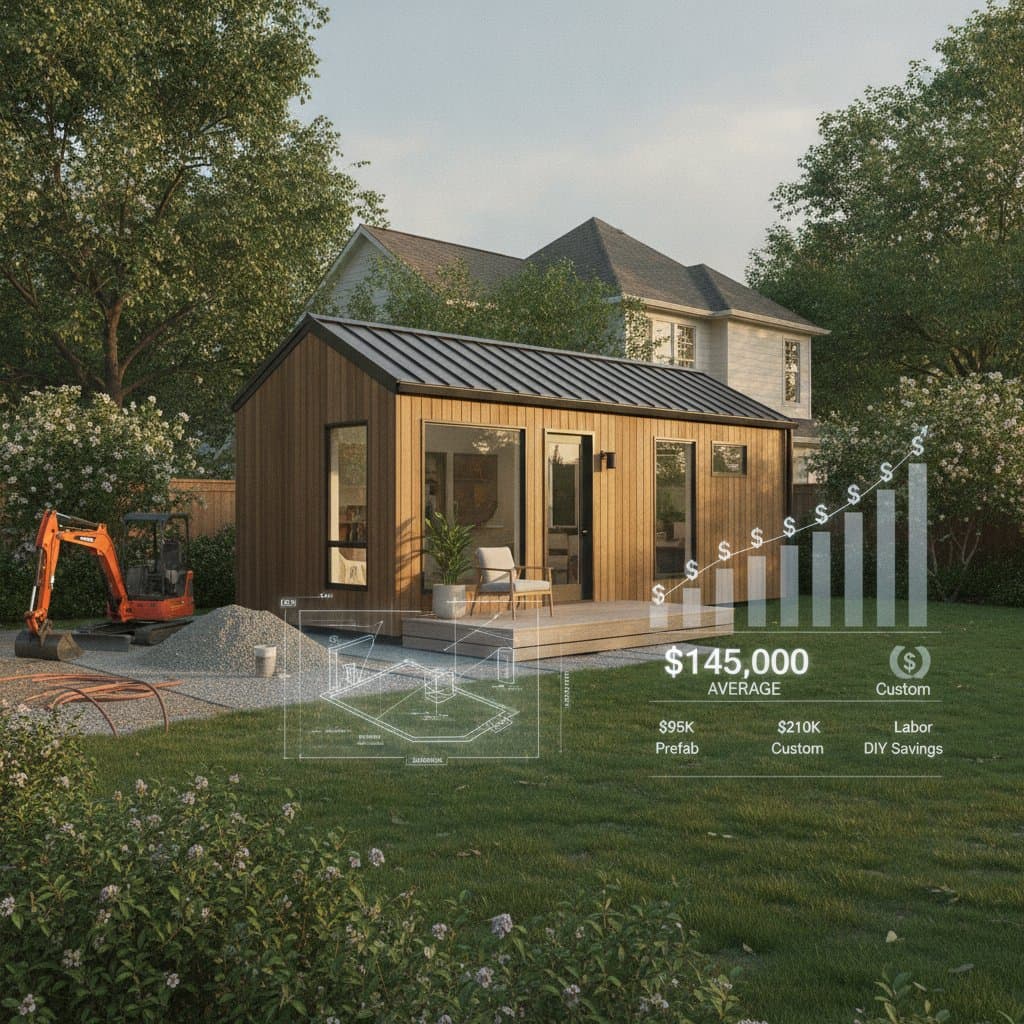
Discover what it really costs to add a granny pod in 2026 from $95,000 prefab builds to $210,000 custom units. Learn how permits, site prep, materials, and labor shape your budget, explore DIY savings, and get expert tips to streamline installation while maximizing comfort, compliance, and long-term value.
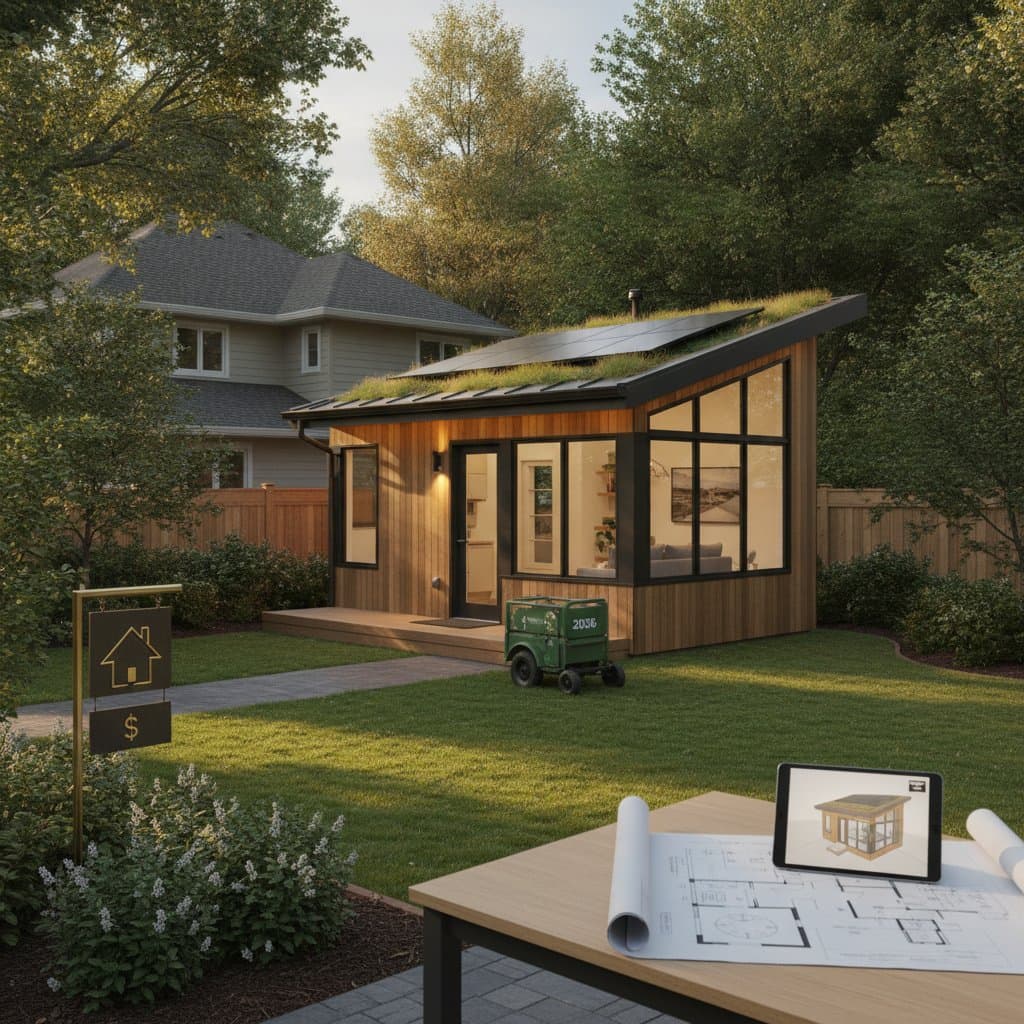
Granny pods deliver independent living options near family members. Costs for 2026 installations fall between 90000 and 250000 dollars based on size, design selections, and utility requirements. Prefabricated models reduce both time and expense while custom projects increase flexibility. The following sections outline cost components, timelines, and preparation guidance.
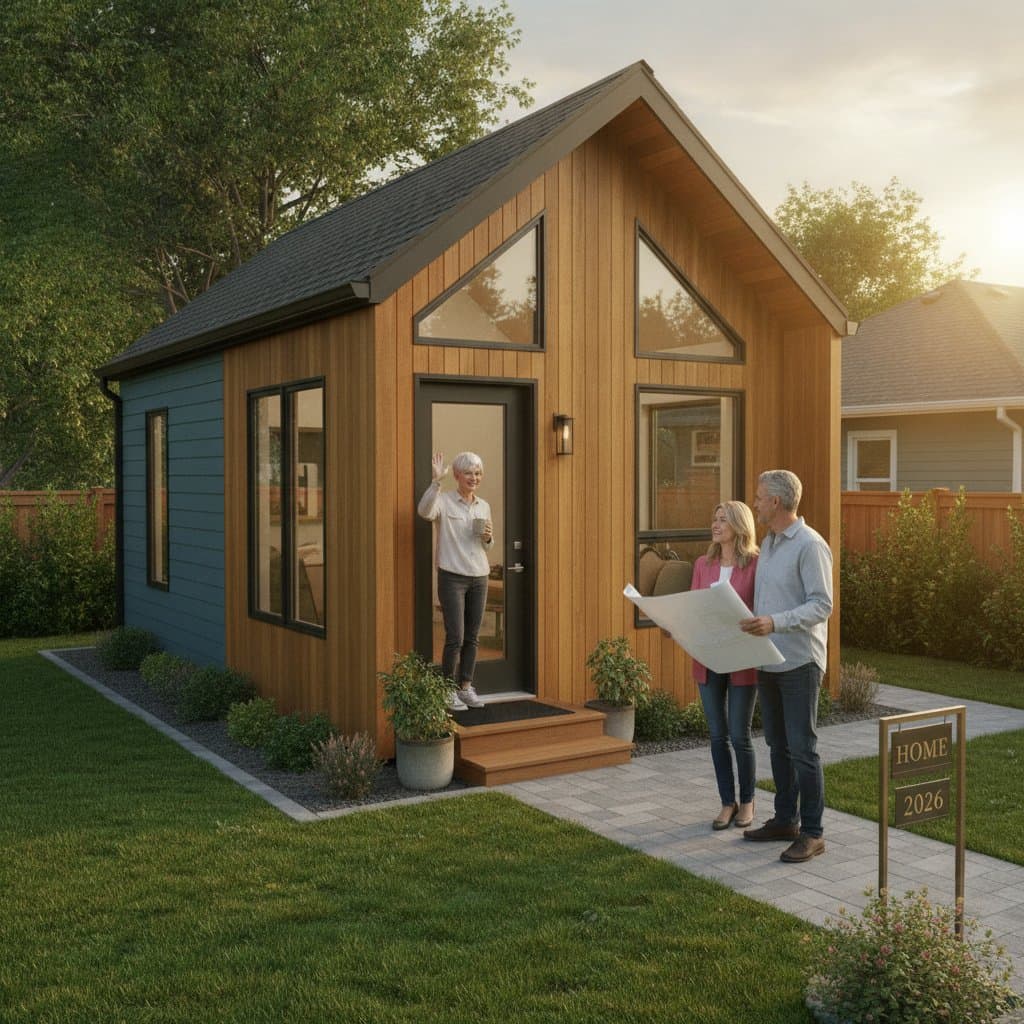
Building a granny pod in 2026 offers independence for loved ones while boosting property value. Expect total costs between $85,000 and $225,000, influenced by size, design, and site conditions. This guide details every stage from permitting to finishing and helps homeowners plan realistic budgets.
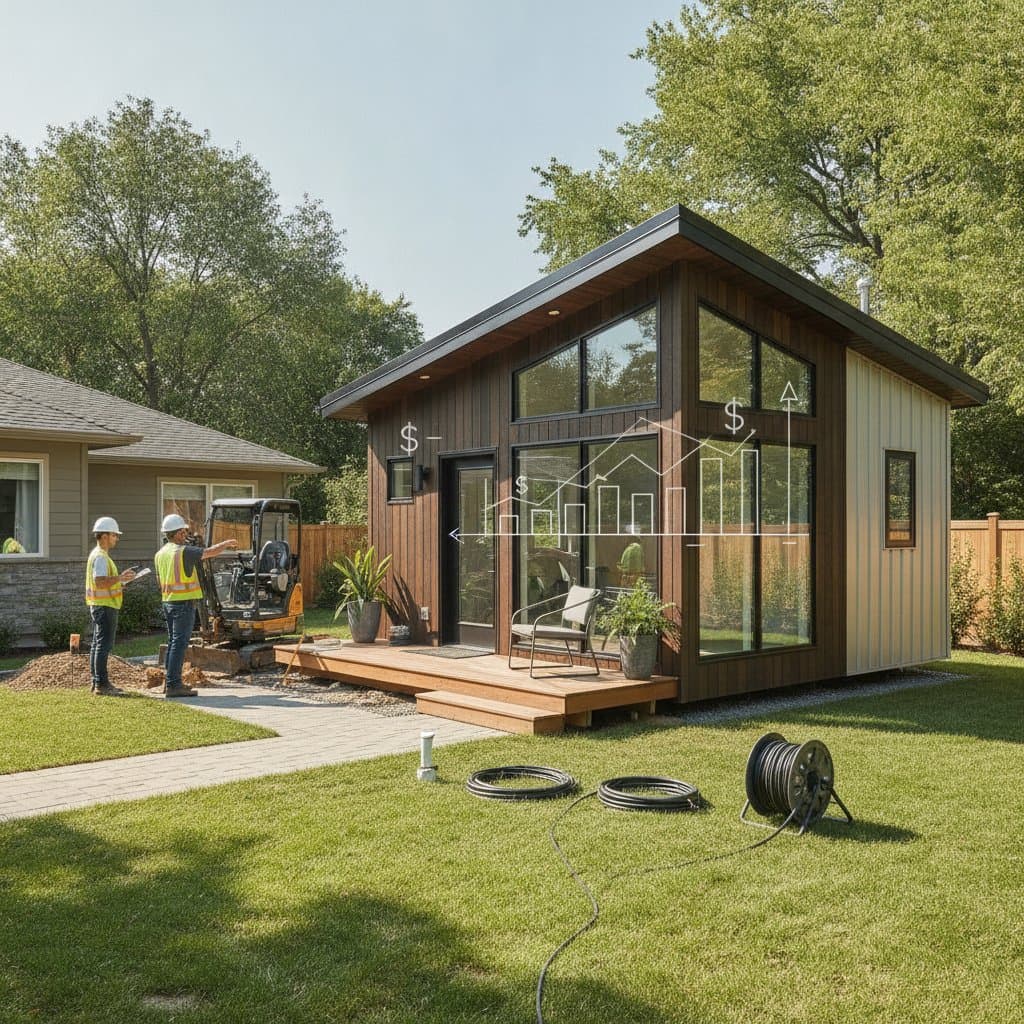
Granny pod and ADU projects range from $80,000 to $250,000 depending on size, site conditions, and utility access. This guide covers cost components, code requirements, and planning steps that help homeowners complete a functional backyard unit.
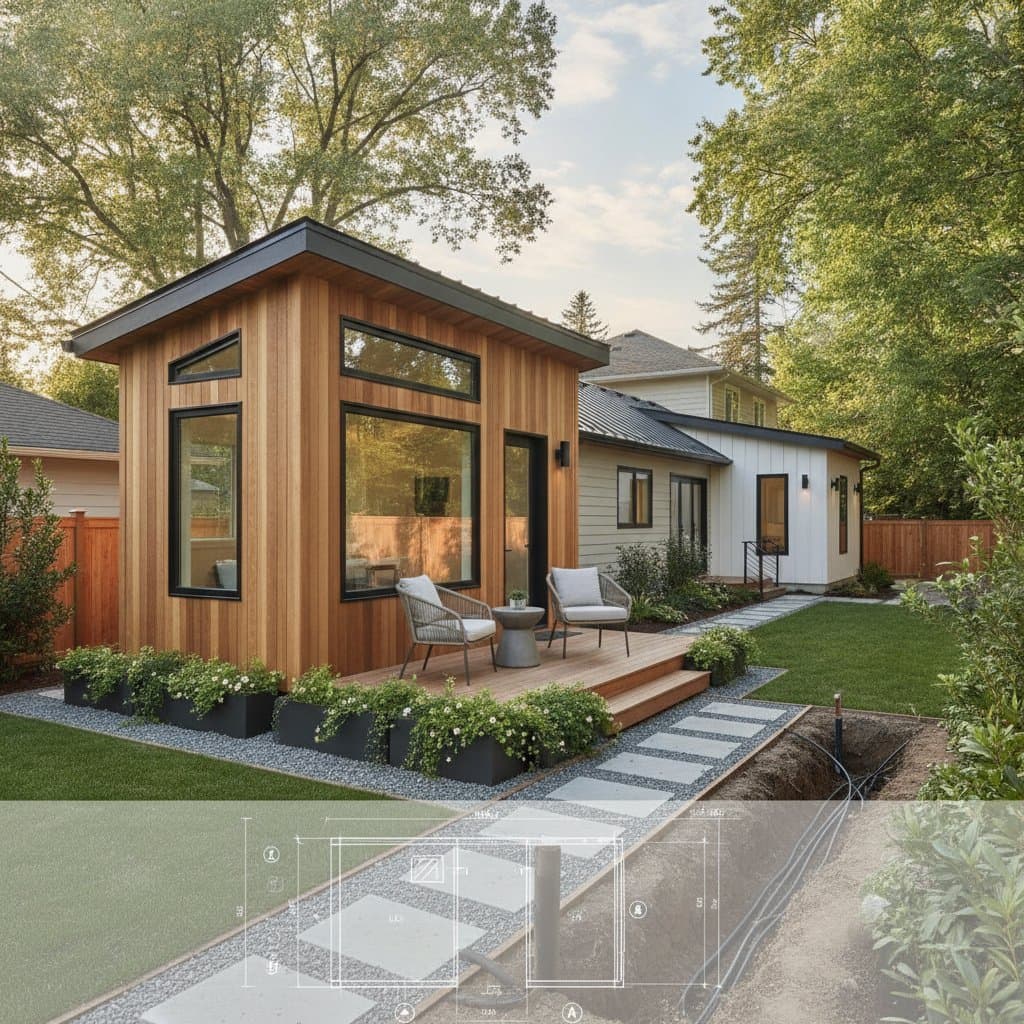
Granny pods are compact backyard homes for relatives or rental income. Expect costs from $90,000 to $280,000, influenced by materials, hookups, and permits. Zoning rules, setbacks, and utility access determine feasibility. Learn how to plan, budget, and navigate regulations before building your own ADU.
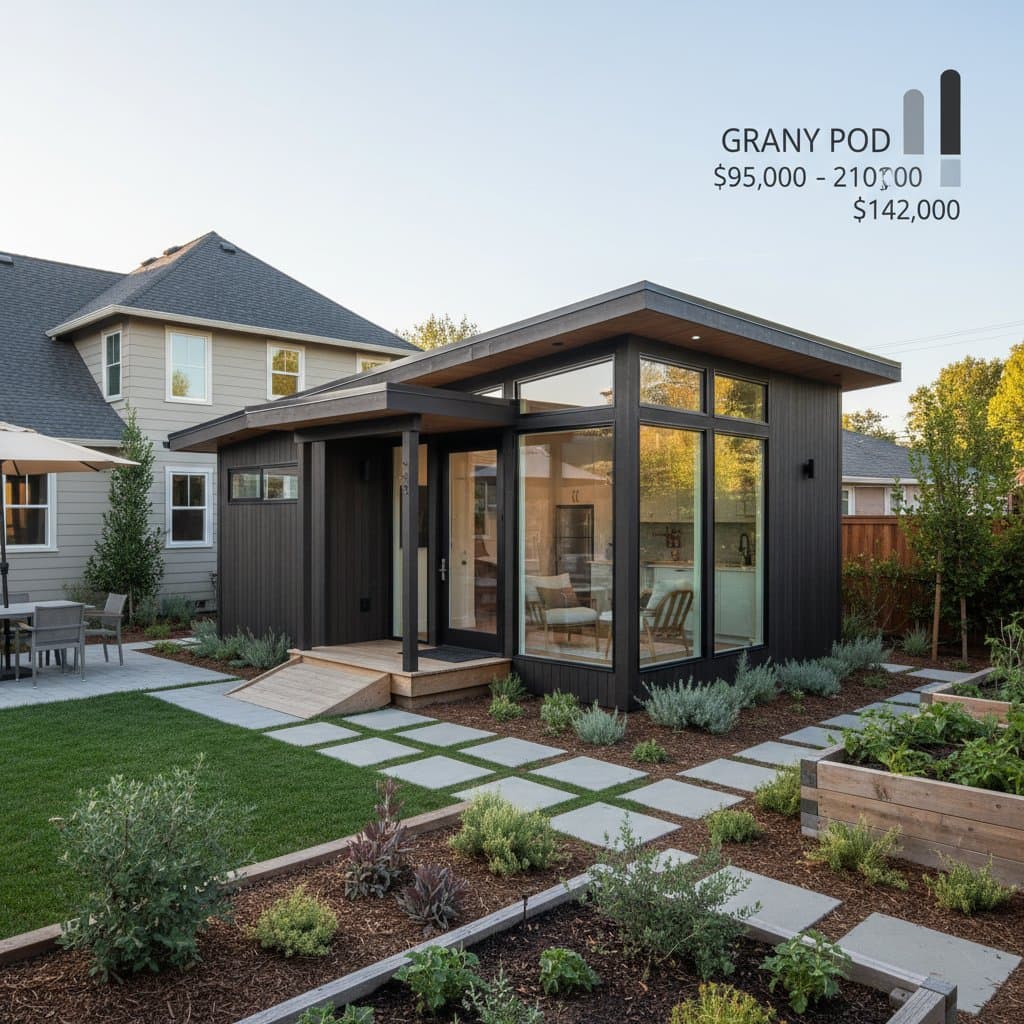
Building a granny pod in 2026 averages $142,000, with prices typically ranging from $95,000 to $210,000 based on size, materials, and site conditions. This guide details expenses, timelines, and cost control methods for functional backyard ADUs.
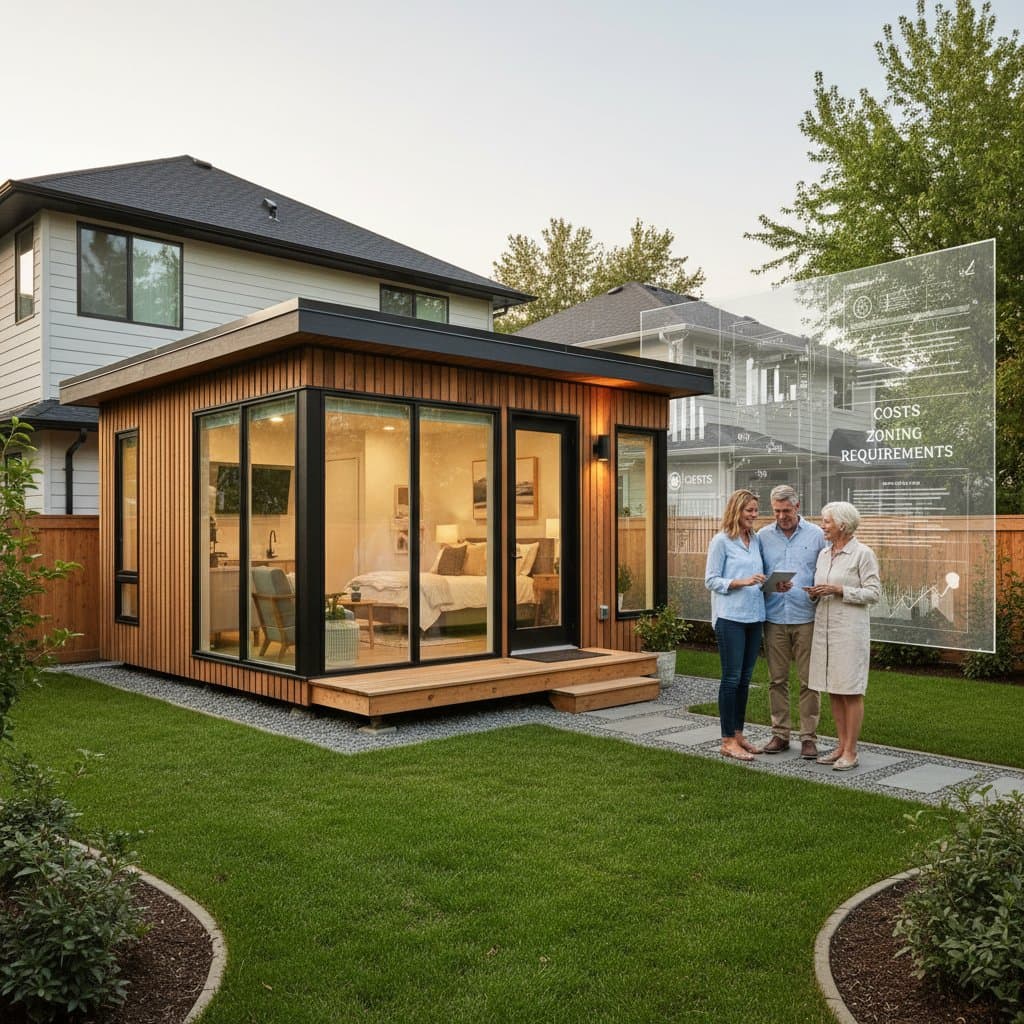
A granny pod blends independence with family proximity. Success depends on accurate budgeting, zoning compliance, and careful construction planning. This guide covers costs, permits, insurance, and maintenance to help homeowners create a compliant backyard dwelling.
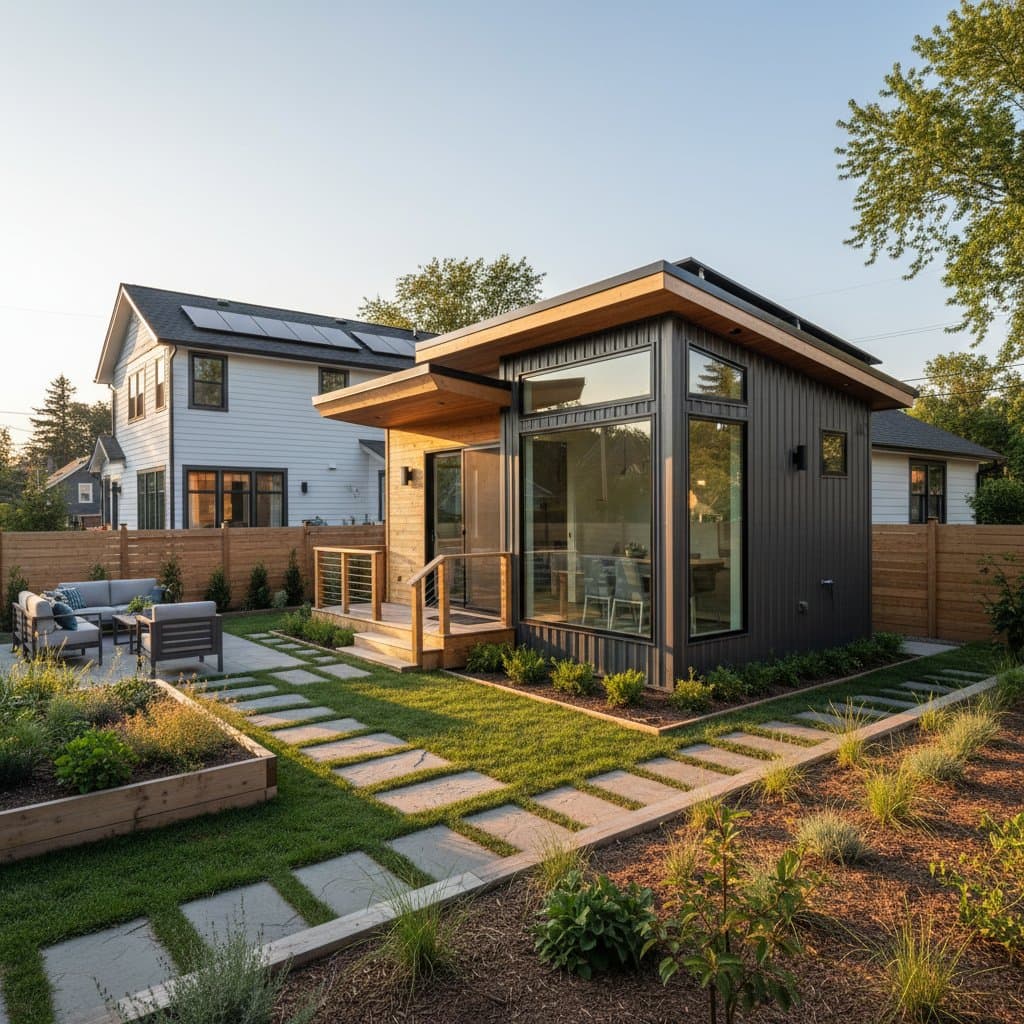
Thinking about adding a backyard granny pod in 2026? Updated rules tighten safety and zoning requirements while costs range from $90,000 to $250,000. Learn how to plan, permit, and build these compact ADUs for aging parents or guests, plus discover cost-saving options, DIY tips, and long-term maintenance essentials.
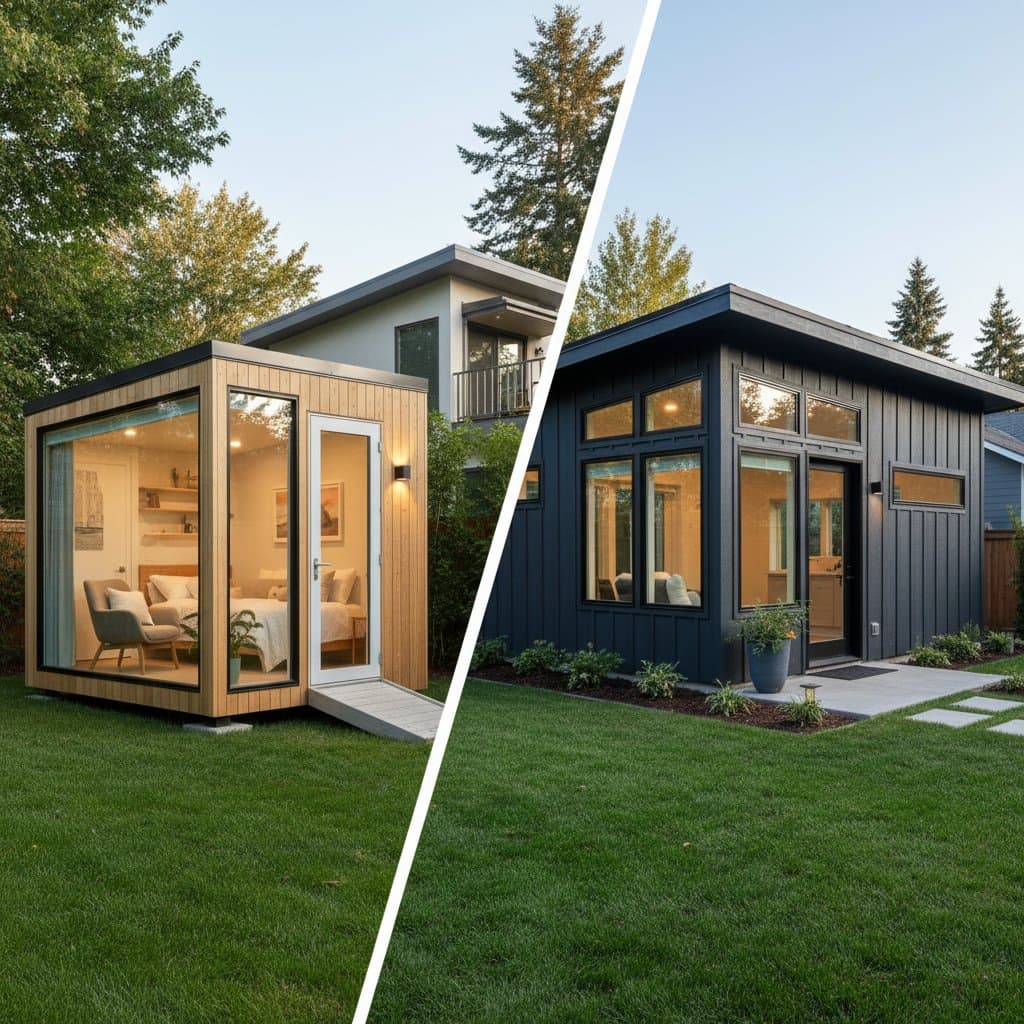
Granny pods deliver lower costs and faster installation while backyard ADUs provide greater space and lasting resale value. Families must balance immediate needs against future property goals when choosing between these independent living options.
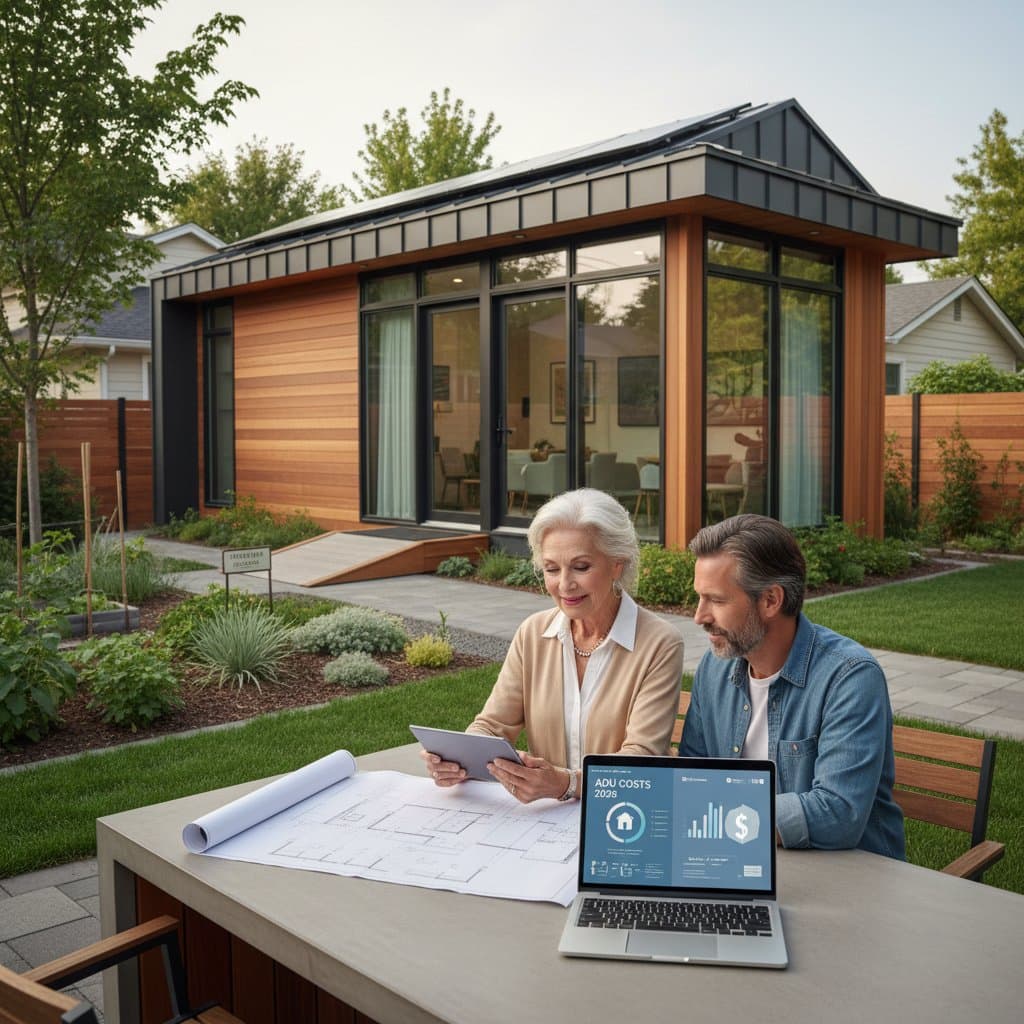
Granny pods offer independence and closeness for aging relatives, yet true costs extend beyond base prices. From eighty thousand dollar builds to zoning requirements, permits, and ongoing taxes, every detail matters. This guide examines 2026 pricing, financing, and legal essentials to help families plan safe and compliant backyard solutions.
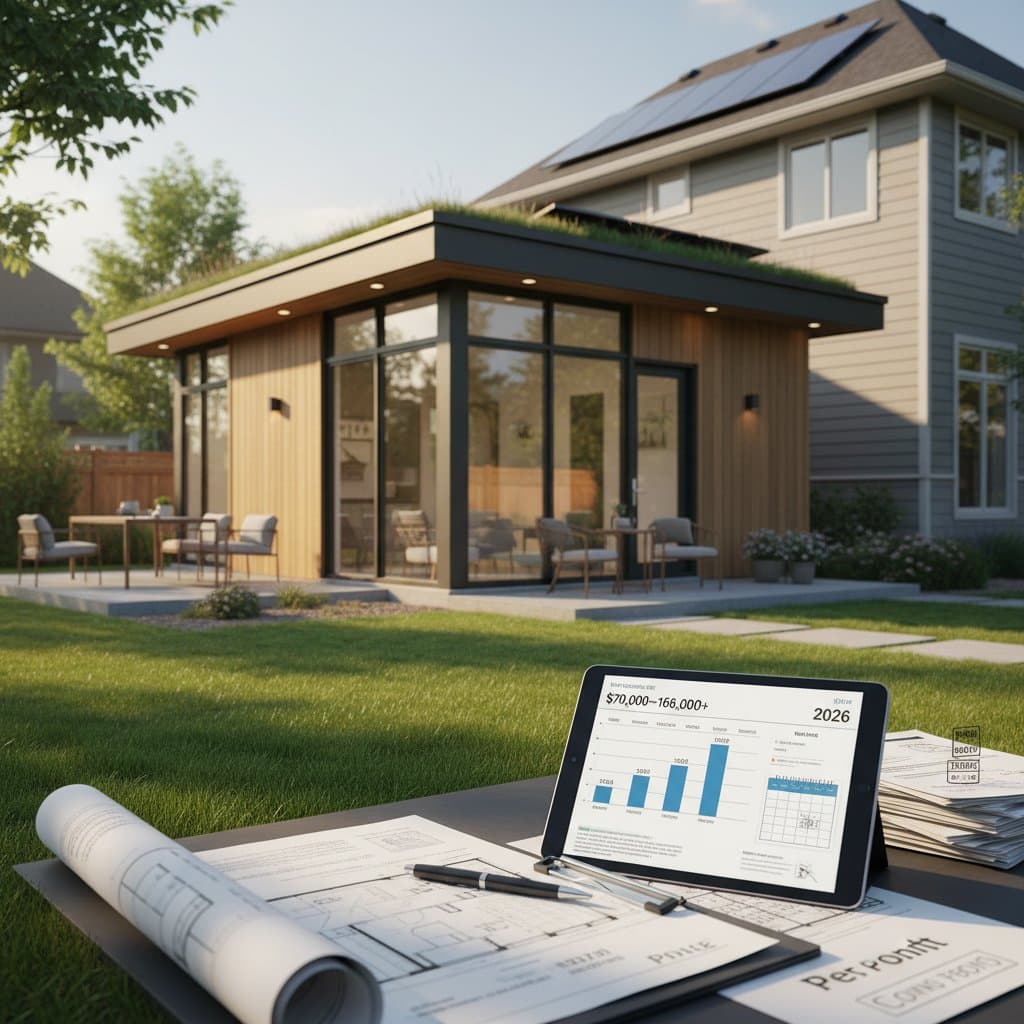
Considering a 2026 granny pod installation? Budget for $70,000 to $160,000 on the build, with additional $2,000 to $15,000 for permits and zoning compliance. Understand how selections in design, utilities, and regulations impact overall expenses, project duration, and investment returns. Evaluate prefab, modular, custom, or conversion alternatives to match your site conditions prior to commencing work.
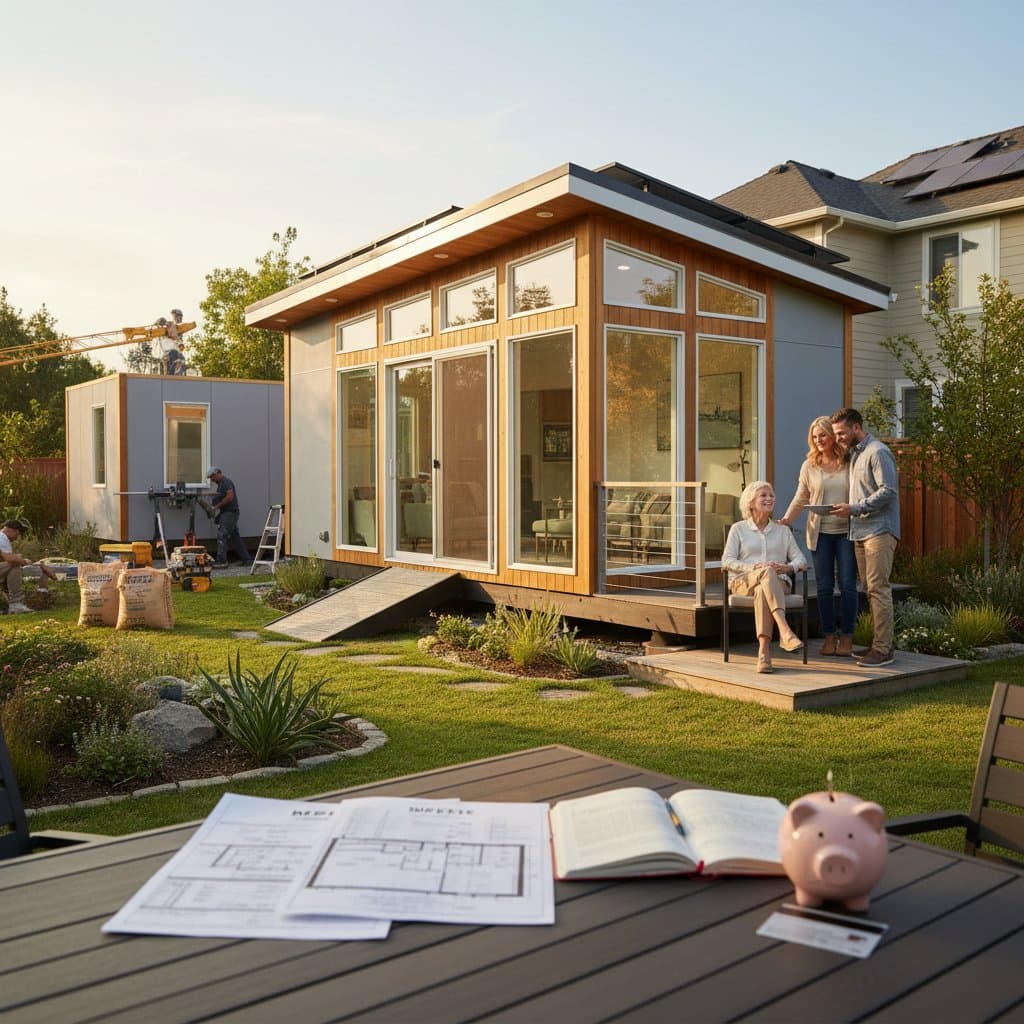
Granny pods provide independent living options for elderly relatives near family, but 2026 installation costs depend on size, location, and features. This guide breaks down expenses from construction to maintenance, with strategies for smart budgeting and maximizing value.
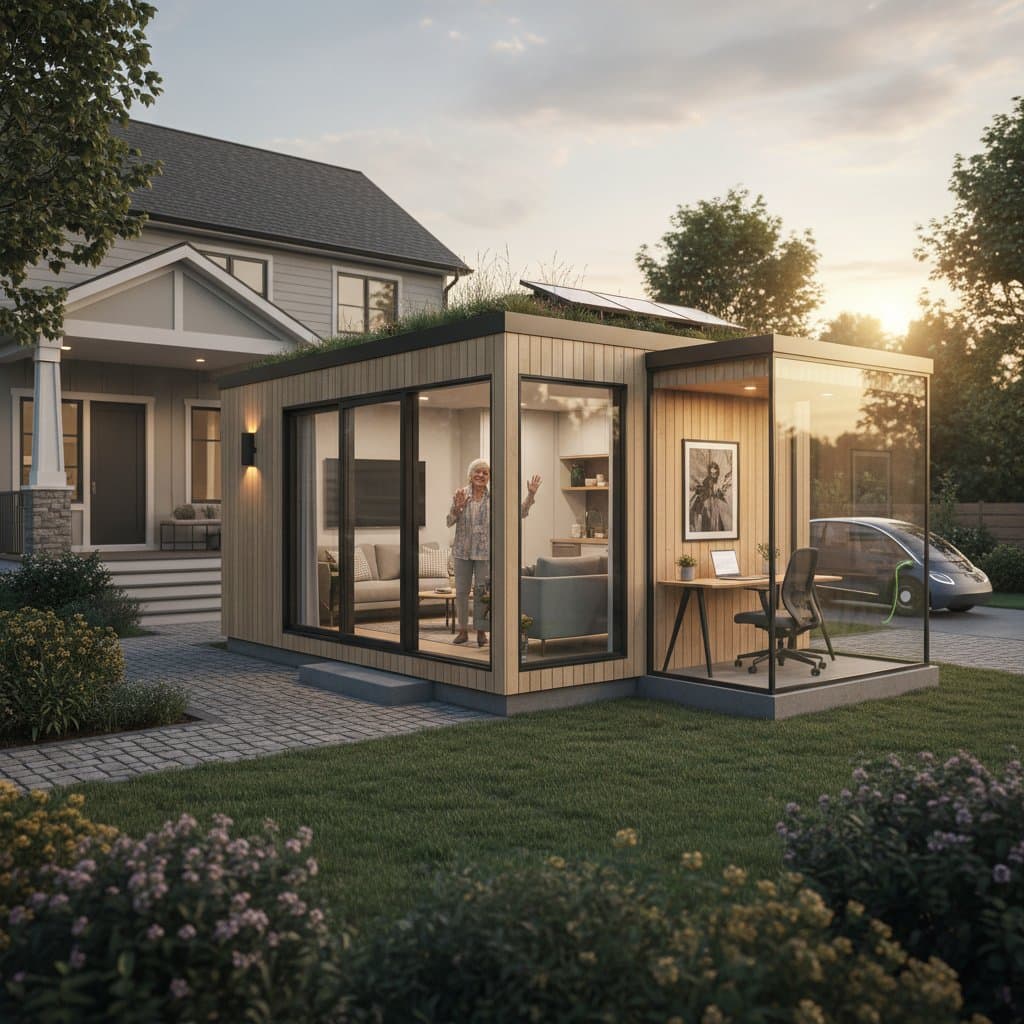
In 2026, granny pods provide families with private, affordable housing options for aging relatives, with total costs between $85,000 and $180,000. Key factors include local zoning laws, permit processes, and choices between prefab and custom designs. Proper planning ensures these backyard dwellings comply with regulations, boost property value, and promote independence and comfort.
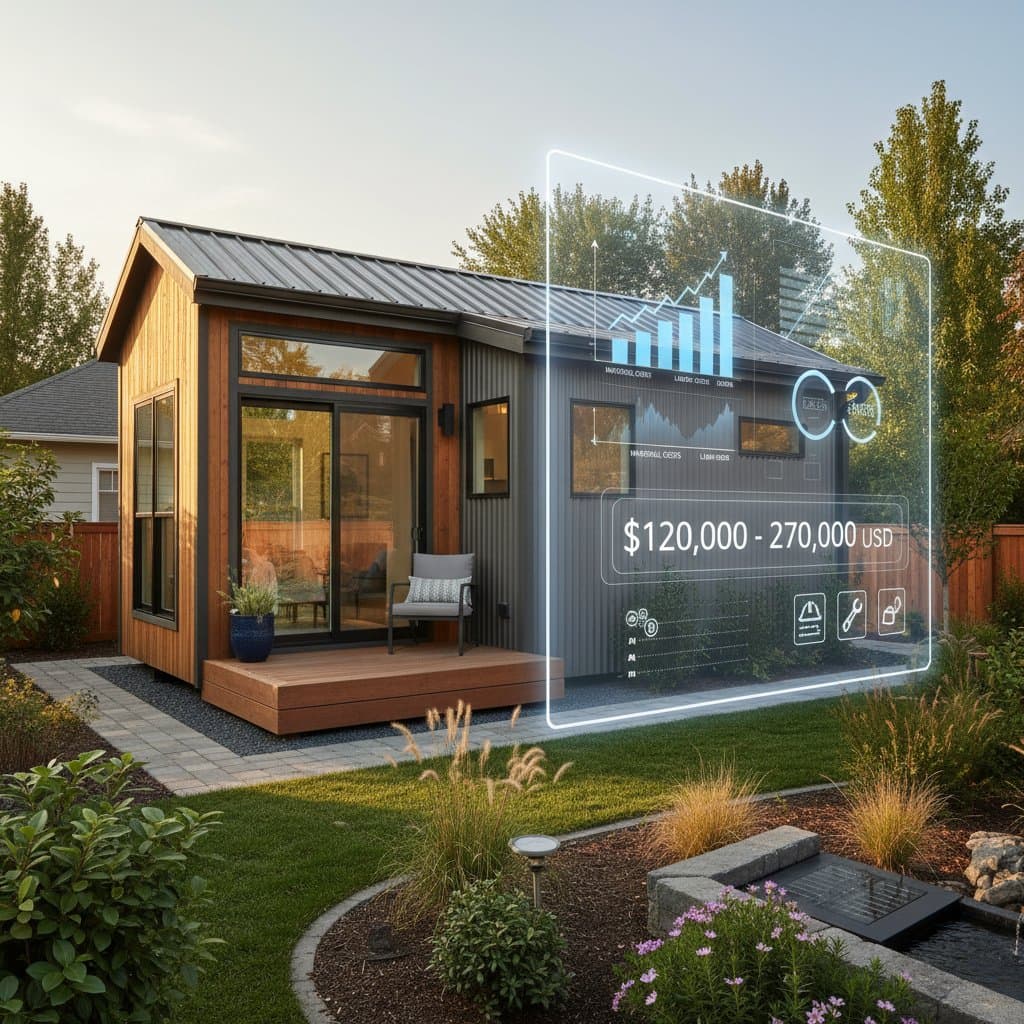
Material and labor expenses continue to influence 2026 backyard ADU budgets, with full installations spanning $120,000 to $270,000. This resource details key cost elements, permitting processes, construction phases, common challenges, upkeep requirements, and DIY boundaries, enabling homeowners to strategize effectively, adhere to regulations, and develop enduring ADUs that deliver comfort, equity, and adaptability.