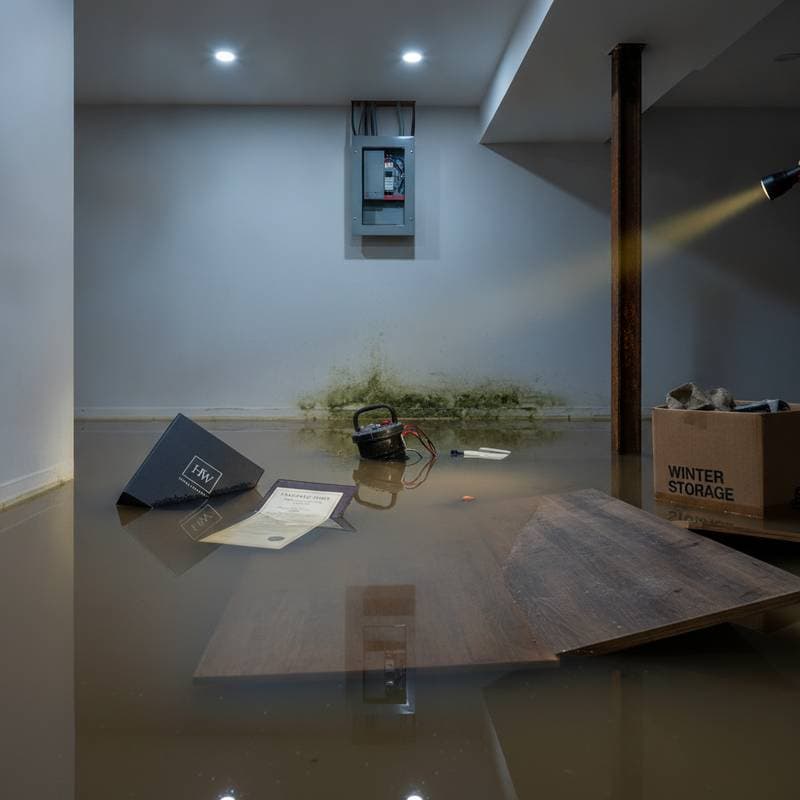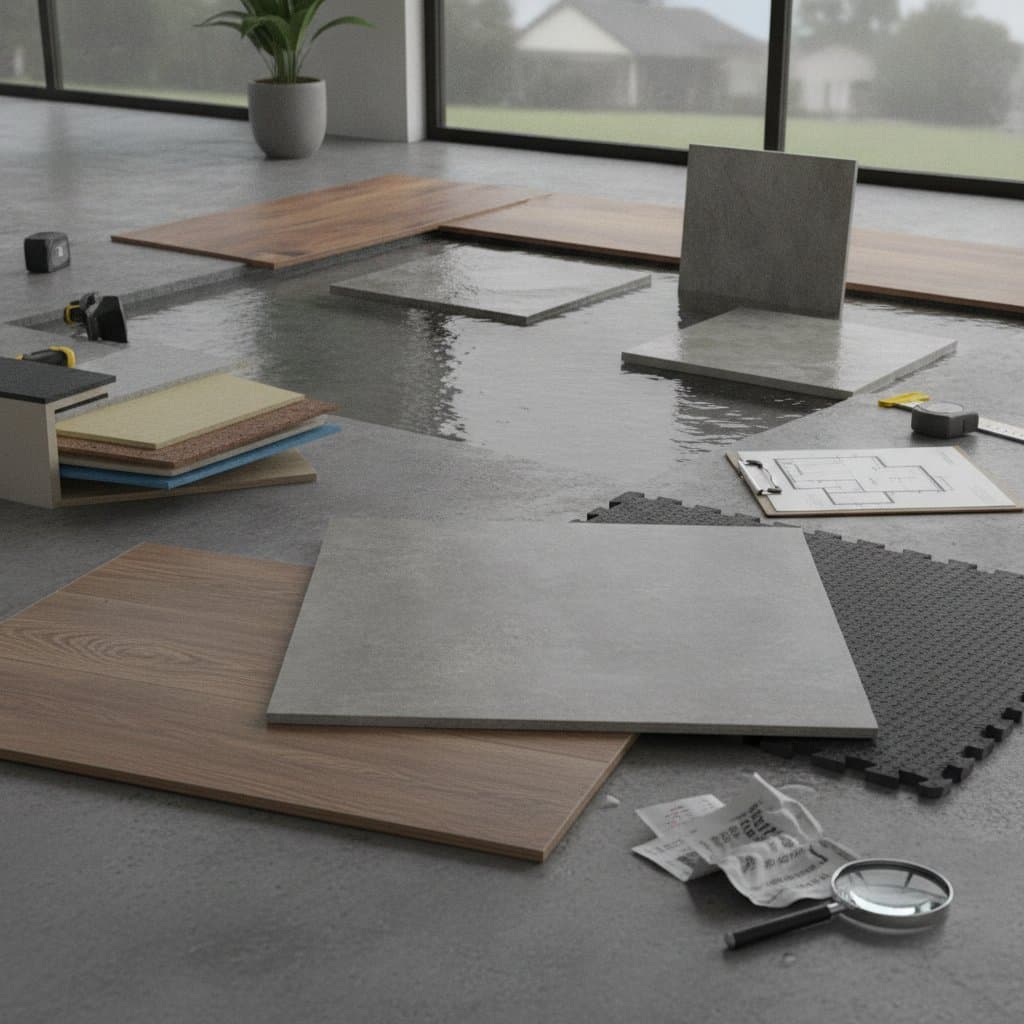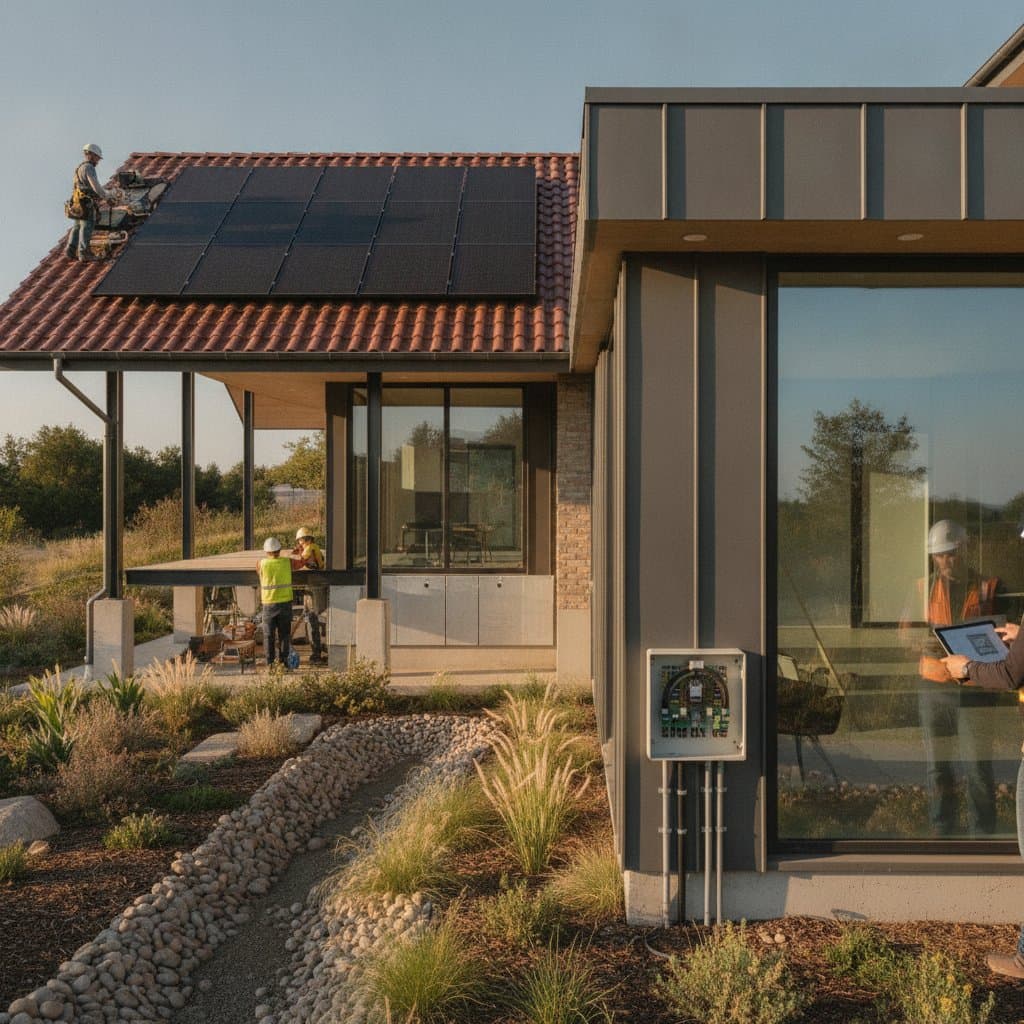
Flood protection evolves from a discretionary enhancement to a vital financial strategy. The forthcoming flood rules reshape how homeowners secure, sustain, and modify properties against severe weather events. Adherence and foresight determine whether repairs remain affordable or lead to substantial losses. National insurance statistics indicate that residents in vulnerable zones pay between $700 and $2,400 annually for flood coverage, with the typical residential policy averaging $1,100.
Three primary elements determine overall flood protection expenses: property location, elevation height, and structural durability. Residences situated below base flood elevation encounter premium increases that may double yearly payments. Conversely, homes equipped with advanced drainage solutions or flood-resistant foundations achieve reductions of up to 35 percent. Targeted investments in features like sump pumps or flood vents diminish ongoing insurance requirements and sustain property worth.
Homeowners who prepare in advance gain reduced premiums, streamlined claims, and assurance of regulatory alignment. These regulations incentivize forward-thinking modifications over post-event responses, establishing elevated benchmarks for durable living spaces.
Understanding Flood Protection Costs
Flood protection expenses comprise insurance premiums, mitigation enhancements, and verification assessments. Basic policies begin at approximately $500 per year in minimal-risk areas, whereas properties near coasts or rivers surpass $3,000.
In the 25th percentile, suburban homes at lower elevations average $850 annually. The median policy reaches $1,100, and the 75th percentile approaches $1,900 for sites with previous claims or obsolete systems.
Property Elevation and Location
Elevation serves as the dominant cost driver. Each foot below base flood elevation contributes $100 to $200 to yearly premiums. FEMA map revisions in flood-prone regions alter risk designations abruptly. Coastal state residents face premiums of $1,800 to $2,200, compared to $1,000 to $1,400 for inland riverfront properties.
Material and Infrastructure Quality
Durable materials decrease vulnerability and insurance rates. Initial waterproofing barriers or simple sump setups range from $300 to $700, with lifespans up to ten years. Intermediate floodproof doors from manufacturers such as FloodShield or Aquabarrier span $900 to $1,500, backed by twenty-year guarantees and eligible for premium reductions. Advanced options like automated barriers or hydraulic panels exceed $5,000, yet qualify for credits that lower rates.
Complexity and Accessibility
Properties featuring multiple basements, crawl spaces, or constrained entry points demand custom sealing and pumping solutions. Such intricacies raise retrofitting costs by $1 to $2 per square foot. City dwellings with restricted access encounter inspection setbacks or elevated labor fees, inflating budgets by as much as 20 percent.
Service Options for Comprehensive Protection
Standard Flood Insurance Package
A fundamental policy addresses structural harm, electrical components, and key mechanical units. Associated labor and processing fees average $1,100 to $1,500 yearly. Activation occurs within one month following approval. These options suit properties outside intense flood zones or those with existing partial safeguards.
Premium Protection Plan
Enhanced plans include personal belongings replacement, relocation support, and expedited claims. They command about 35 percent higher fees but accelerate recovery. In areas prone to repeated flooding, superior coverage improves resolution and trims out-of-pocket costs by thousands.
Add-On Services
| Service | Cost Range | Savings or Benefit |
|---|---|---|
| Flood inspection survey | $300 - $600 | Confirms compliance, supports rating accuracy |
| Foundation sealing | $1,500 - $3,000 | Lowers annual premiums by up to 15 percent |
| Sump pump installation | $800 - $1,200 | Averts basement inundation and mold issues |
| Smart sensor monitoring | $200 - $400 | Provides alerts for water rises and leaks |
Professional Guidance Versus DIY Preparation
Self-directed mitigation seems economical initially, but outcomes fluctuate. Supplies such as sealants, sandbags, and entry-level sump units total $300 to $800; however, improper setup risks collapse in initial floods. Leasing expert pumps and testers adds $200 to $400.
Certified professionals deliver expertise, assurances, and advanced equipment valued in thousands. Industry data reveals that expert floodproofing conserves 20 to 40 hours of effort and cuts maintenance expenses by up to 30 percent. Return on investment materializes within three years through diminished premiums and reduced repairs.
Smart Strategies to Minimize Expenses
Schedule mitigation during quieter seasons to secure 10 to 20 percent labor discounts. Obtain several estimates via accredited platforms to negotiate favorable terms. Perform preliminary tasks like gutter clearing or crack sealing prior to evaluations, often saving $200 to $400.
Maintain precise dialogue with insurers and specialists to define project scopes and avoid duplicate fees. Retain current records to bolster claims and renegotiate renewals effectively.
Sustaining Resilience Over Time
Local expense differences persist amid evolving climate trends. Metropolitan areas anticipate 15 to 25 percent premium hikes from drainage limitations, whereas countryside sites experience gradual changes. Economic factors affect material prices, though deliberate planning counters these effects.
Commitment to anticipatory floodproofing generates tangible gains. Certified upgraded properties retain superior market values and endure fewer interruptions. Alignment with 2026 flood rules through current preparation secures homes, stabilizes finances, and fosters enduring tranquility.