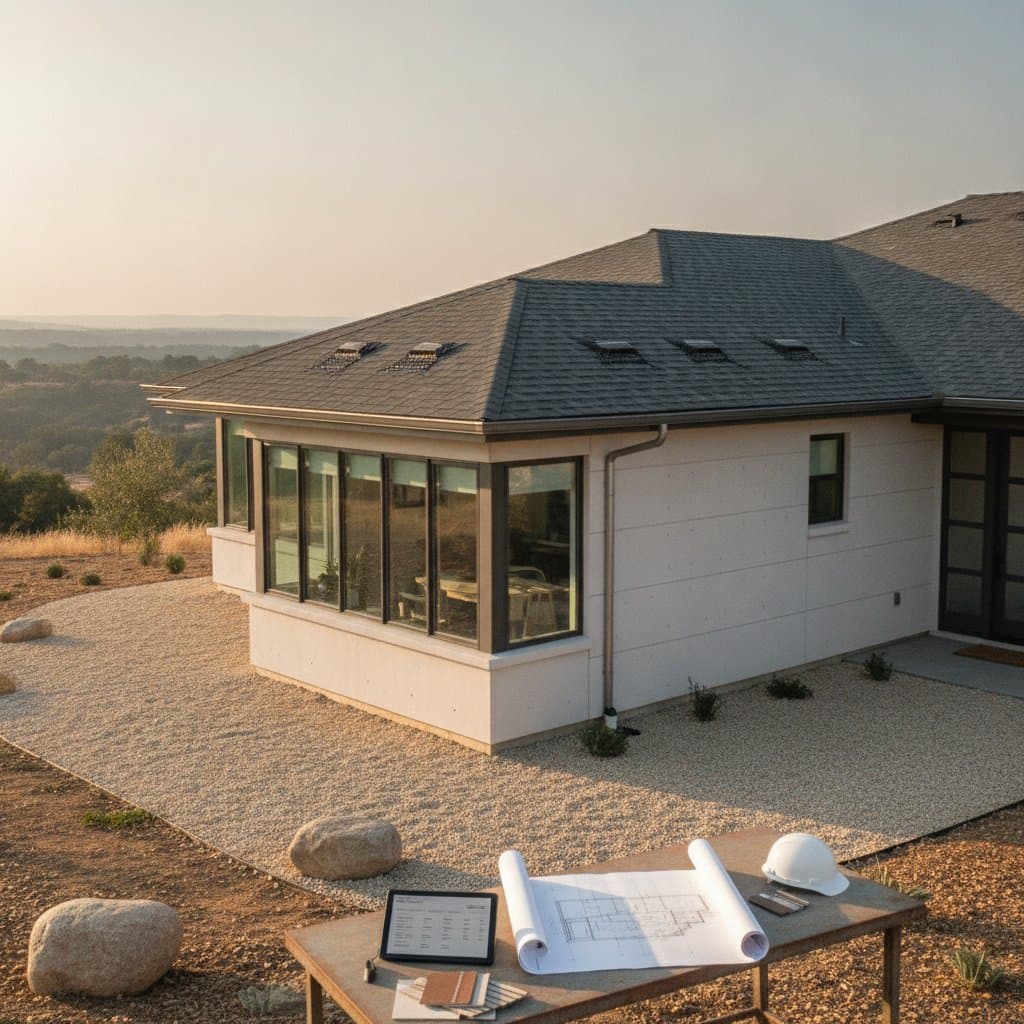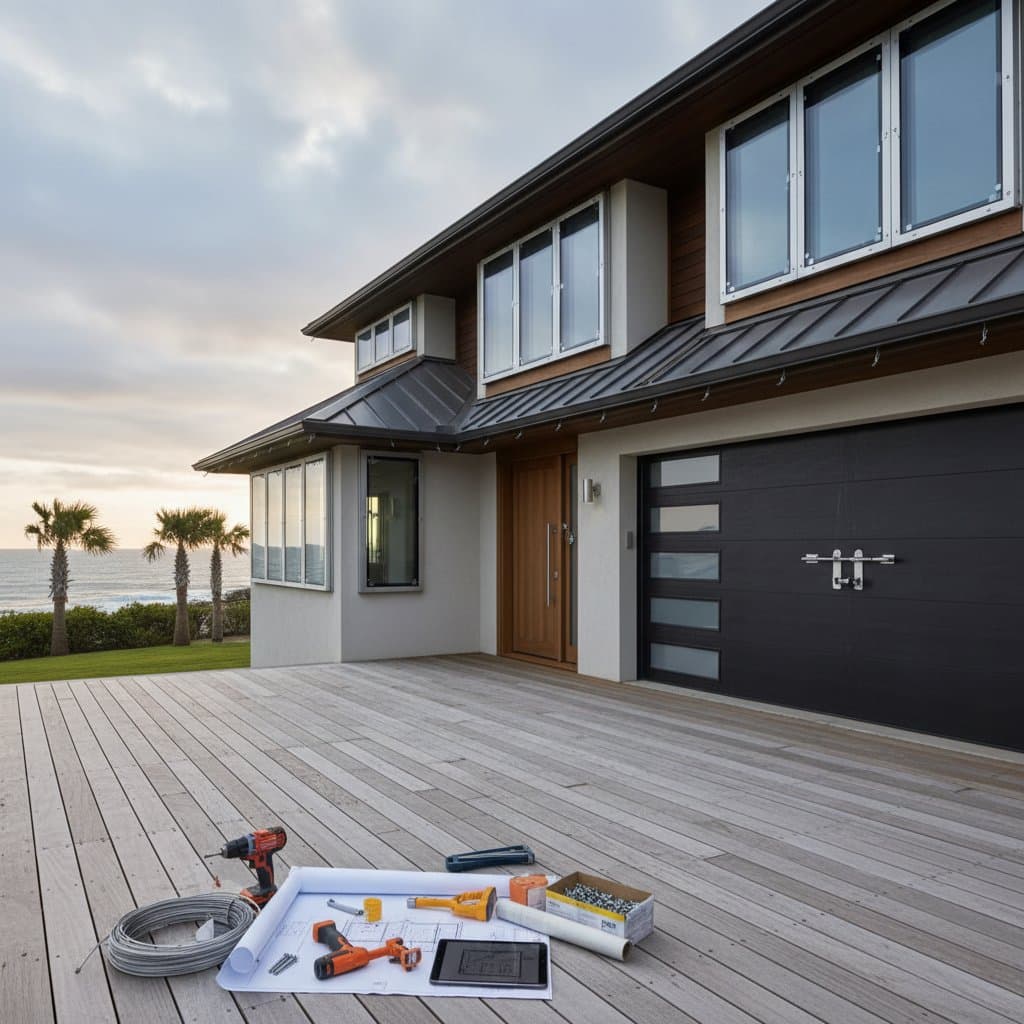
- Complete preliminary tasks: Clear access to the attic for roof work, accurately measure all windows and doors for custom fittings, and label storage areas for plywood panels or hardware.
- Account for environmental factors: Schedule work during dry weather to prevent material damage, ensure stable footing on roofs or ladders, and limit activities to daylight hours for better visibility and safety.
These steps typically require one to two days and cost under two hundred dollars, leaving ample budget for core improvements.
Securing Roof-to-Wall Connections
The roof represents the first line of defense against wind damage, as uplift forces can tear it away from the structure. Reinforcing connections with hurricane straps or clips provides critical stability. These metal fasteners anchor the roof trusses or rafters directly to the walls, distributing wind loads evenly.
Select galvanized steel straps rated for at least one hundred fifty miles per hour winds, available at hardware stores for about five dollars each. For a typical two-thousand-square-foot home, you will need approximately fifty to seventy straps, totaling around three hundred dollars in materials. If your attic allows access, install them yourself by drilling pilot holes and securing with corrosion-resistant screws. Hire a licensed roofer for complex roofs, adding five hundred to one thousand dollars in labor.
Inspect existing connections first; older homes may lack these ties entirely. Adding them not only prevents roof loss but also reduces interior water intrusion from lifted shingles. Complete this step early, as it forms the structural backbone of your protection plan.
Protecting Windows and Large Openings
Windows often shatter under debris impact, allowing wind and rain to enter and pressurize the interior. Installing impact-resistant coverings shields against this while maintaining visibility during storms.
Plywood panels cut to fit each window offer a cost-effective solution at roughly two dollars per square foot. For ten standard windows, expect to spend about four hundred dollars on marine-grade plywood, plus one hundred dollars for fasteners. Pre-cut and label panels for quick deployment, storing them in a garage or shed. Alternatively, consider clip-on metal shutters for two thousand dollars total, which install permanently and require minimal maintenance.
Secure panels with one-and-a-quarter-inch wood screws into the framing around openings, spacing them every six inches. This method exceeds basic code requirements and withstands debris traveling at fifty miles per hour. For DIY confidence, practice on a single window before full installation. Professional fitting ensures airtight seals, particularly for irregularly shaped openings.
Reinforcing Doors and Entry Points
Exterior doors, especially garage and front entries, fail under wind pressure if not braced properly. Standard hollow-core doors offer little resistance, so upgrades focus on solid reinforcement.
Replace vulnerable doors with wind-rated models featuring reinforced frames and deadbolts, costing eight hundred to fifteen hundred dollars for two entries. For budget constraints, brace existing doors with horizontal two-by-four boards nailed across the interior side, using three-inch galvanized nails. This simple addition, under one hundred dollars, prevents inward bowing during gusts.
Garage doors represent a major weak point, as they span large areas prone to collapse. Install vertical bracing kits with heavy-duty tracks for about five hundred dollars, or opt for wind-rated replacement panels at two thousand dollars. Tension these braces to counter uplift, following manufacturer guidelines. Test door operation post-installation to confirm smooth function in non-storm conditions.
Sealing Against Water Intrusion
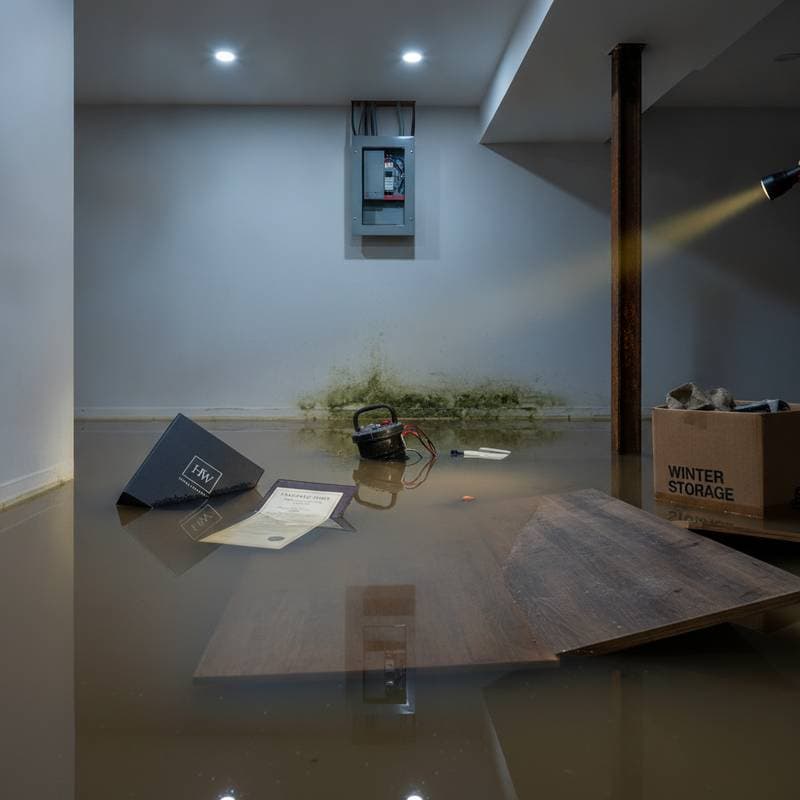
Even with structural protections, water paths through vents, eaves, and seams can cause flooding. Sealing these areas diverts rain and reduces mold risks.
Apply high-quality sealant around roof vents and flashing using a caulking gun, selecting silicone-based products for five dollars per tube. Cover fifteen linear feet of eaves with aluminum flashing at one dollar per foot, totaling under two hundred dollars. Install gutter extensions or downspout diverters to direct water away from foundations, another one hundred dollars investment.
For attics, add ridge vents or soffit baffles to promote airflow while blocking rain entry, costing three hundred dollars in materials. These measures integrate seamlessly with earlier upgrades, enhancing overall water control. Regular inspections post-installation identify any overlooked gaps.
Implementing the Upgrade Sequence
Approach hurricane-proofing methodically to maximize efficiency and stay within budget. Begin with roof connections, as they support subsequent work. Next, address windows and doors to secure openings, followed by water sealing to complete the envelope.
Allocate your five-thousand-dollar budget as follows: one thousand dollars for roof ties, fifteen hundred for window and door protections, eight hundred for garage reinforcements, and five hundred for sealants and miscellaneous supplies. Reserve five hundred dollars for tools or professional consultations if needed. Source materials from local suppliers to avoid shipping costs, and compare prices for bulk fasteners.
Work in teams of two for safety, documenting progress with photos for permit submissions. This sequence typically spans a weekend for DIY enthusiasts, with pros completing it in three to five days. Track expenses in a spreadsheet to monitor spending.
Achieving Long-Term Resilience
These targeted upgrades transform a standard home into a storm-resistant fortress without excessive costs. Structural ties hold the roof firm, protected openings block debris, and sealed paths repel water, collectively reducing damage by up to seventy percent in moderate hurricanes. Homeowners report fewer insurance claims and quicker recovery times after implementing similar measures.
Maintain your investments through annual inspections, tightening fasteners and replacing worn sealants. Consult local authorities for region-specific advice, as wind zones vary. With careful planning, your home gains not only physical strength but also the confidence to weather future storms. Invest now to protect what matters most.