Home Battery Warranties: What Coverage Means for Backup Power in 2026
Quick Take
- Warranties typically span 10 years or a defined cycle count.
- Protection centers on retained capacity rather than full system replacement.
- Review transfer rules, labor exclusions, and prorated terms before purchase.
Core Purpose of These Warranties
A home battery warranty represents a manufacturer commitment that the energy storage unit will maintain stated performance over a defined period or cycle total. It activates when capacity declines prematurely or the unit fails during standard operation. The document specifies repair, replacement, or reimbursement options.
Advantages and Limitations
Advantages
- Shields owners from unexpected early capacity decline.
- Provides cost predictability for major system components.
- Supports home resale value through transferable coverage.
Limitations
- Labor and shipping expenses frequently remain the owner's responsibility.
- Damage from improper installation or external grid issues stays outside scope.
- Capacity guarantees often apply on a prorated basis, reducing payout near term end.
Situations That Trigger or Void Coverage
Coverage Applies
- Capacity falls below the guaranteed threshold before the term expires.
- Error codes or charging restrictions trace to manufacturing defects.
- Ownership changes and the transfer process receives confirmation.
Coverage Ends
- Installation occurred through an unlicensed contractor.
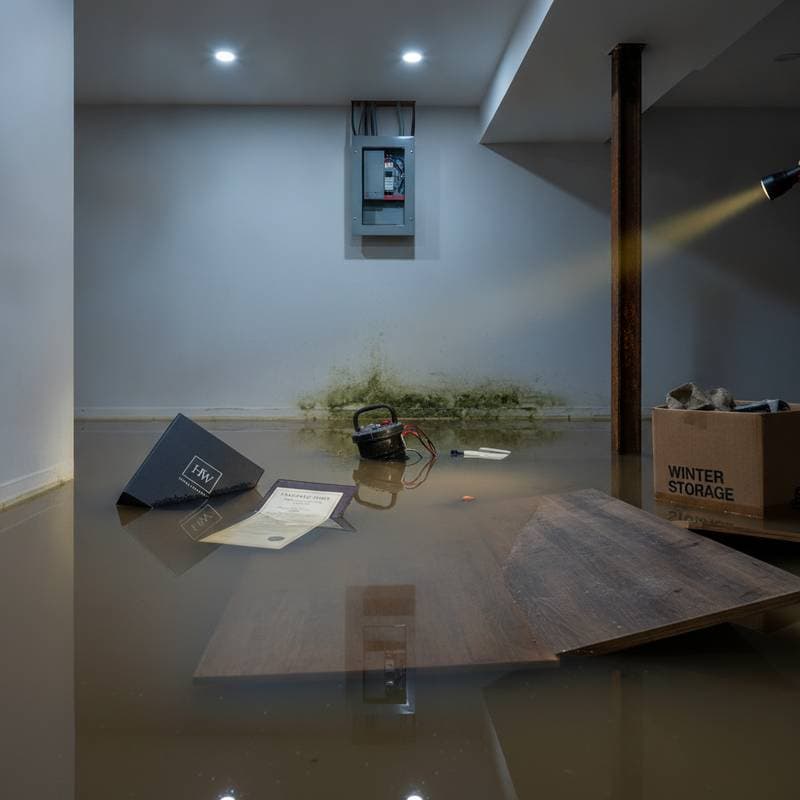
- Exposure to extreme temperatures or moisture occurred.
- Unauthorized component changes took place.
How to Verify Warranty Status
Required items: flashlight, phone or camera, system app login, and printed warranty documents.
Estimated time: 30 minutes.
Skill level: straightforward.
- Record the serial number from the battery label or app display.
- Examine term length, coverage category, and cycle maximums.
- Confirm the capacity retention promise, commonly set between 60 and 80 percent.
- Verify that the original installer held required certifications.
- Capture photos and export performance logs that show any decline.
- Submit the claim through the manufacturer portal or designated form.
- Arrange a technician visit for diagnostic testing.
- Retain every receipt, report, and message for later reference.
Investment Range and Cost Drivers
A complete home battery system with warranty included generally falls between 8000 and 18000 dollars. Premium lithium chemistry, larger capacity, or integrated backup features increase the total. Smaller modular units, available rebates, and standard warranty selections reduce the price. Replacement becomes preferable once capacity drops below 60 percent and added labor or freight costs exceed half the price of a new unit.
Owner Tasks Versus Professional Service
Owners can review documents, track performance in the app, and maintain clear ventilation. Professional involvement becomes necessary with recurring error codes, visible corrosion, or any work that requires main panel disconnection. Licensed technicians perform cell-level diagnostics, confirm code compliance, and submit claims directly, which shortens resolution time while protecting coverage.
Routine Care Practices
Perform a visual inspection each month and schedule a professional review annually. Clean intake vents, apply firmware updates, and log cycle counts. These steps extend service life and reduce the chance of disputed claims.
Other Protection Options
An extended manufacturer plan adds years or cycle allowances for an extra fee and suits households with heavy daily use. Third-party service contracts cover labor and transport when the home sits far from authorized centers. Utility battery programs shift maintenance duties to the provider in exchange for reduced initial cost.
Common Questions
How long does coverage last? Most policies run 10 years or reach a cycle limit, whichever arrives first. Does coverage include labor? Many policies cover parts alone; confirm details in the full text.
Immediate Actions
Locate the warranty documents and note the coverage period, capacity target, and claim steps. Arrange an inspection for any unit showing shorter backup duration. Store installation records and maintain current app settings. Consistent documentation and regular upkeep help secure full protection and reliable power during outages.