Flood Prevention Systems: An Investment of $9,800 That Saves Thousands
Rising flood risks projected for 2026 underscore the urgency of protecting residential properties. Homeowners face increasing threats from heavy rainfall, storm surges, and poor drainage infrastructure. Installing robust flood prevention systems addresses these challenges effectively, minimizing damage and preserving property value.
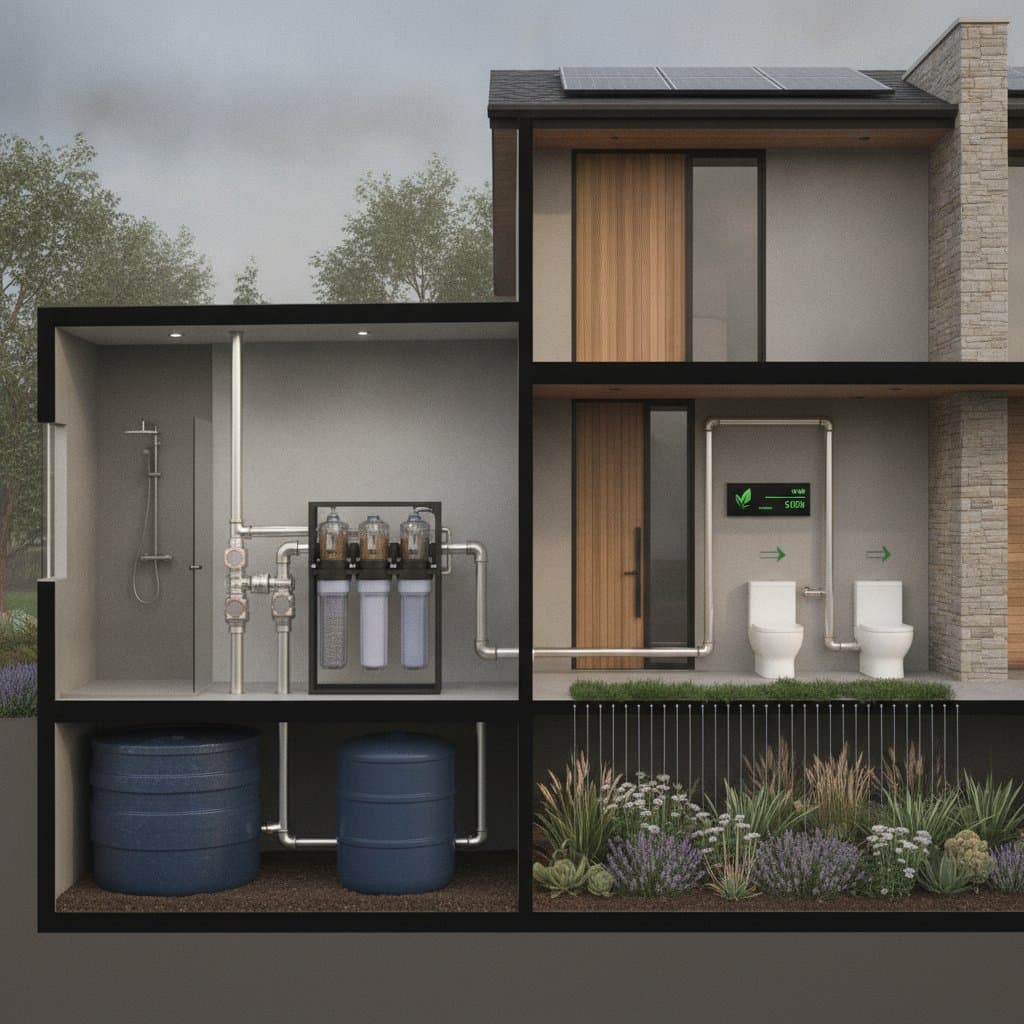
These systems encompass waterproofing barriers, enhanced drainage solutions, and sump pump installations. Such measures can reduce potential flood damage by up to 70 percent. Understanding the costs involved empowers homeowners to make informed decisions about safeguarding their investments.
Breaking Down the Costs
Flood prevention expenses vary based on system type, home size, and installation method. Basic setups focus on foundational improvements, while comprehensive solutions integrate multiple components for maximum protection.
DIY Installation Costs
Homeowners opting for do-it-yourself approaches can implement basic drainage enhancements at a lower upfront cost. Key materials include:
- Drainage pipe and gravel: $200
- Tools such as hammer drill and concrete saw: $150 to $400 for purchase or $75 for rental
- Safety gear and sealants: $100
The total for a DIY project typically ranges from $1,000 to $2,000, excluding labor time. These installations demand 20 to 30 hours of effort. Errors during setup, such as improper sealing, often result in leaks that require costly professional repairs later. Moreover, DIY systems rarely include warranties or utilize professional-grade materials, limiting their durability.
Professional Installation Costs
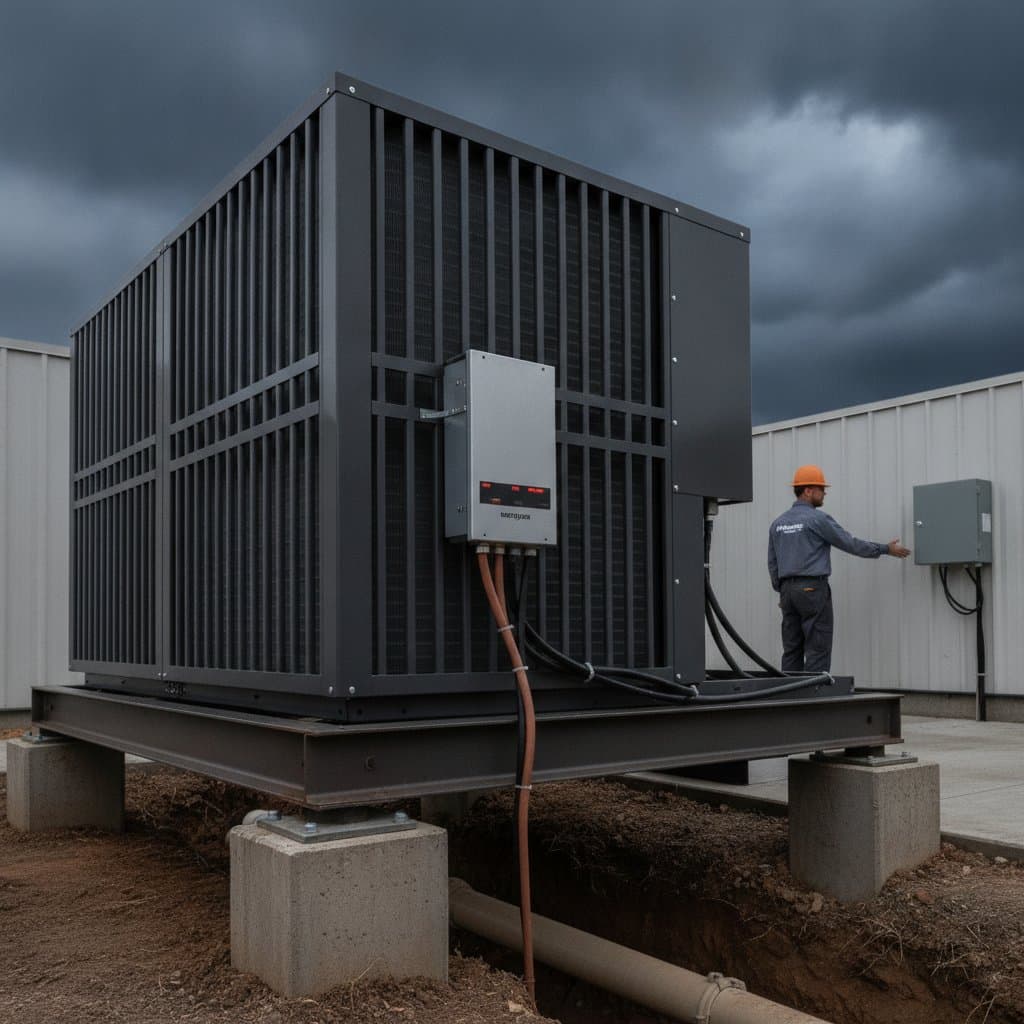
Engaging certified waterproofing specialists ensures reliable outcomes. Average professional installations cost between $3,500 and $18,000, with a typical full-system setup around $9,800. This price covers high-quality components like industrial-grade pumps, impermeable membranes, and advanced diagnostic equipment.
Professionals complete most projects in a single day, minimizing disruption. They provide warranties valued at $5,000 to $10,000, protecting against future failures. Additionally, experts manage permits, inspections, and compliance with local building codes, avoiding potential fines or rework.
A cost-benefit analysis reveals that professional systems recover their expense after averting just one moderate flood, which might otherwise inflict $8,000 to $12,000 in damages. This approach delivers superior long-term value compared to makeshift solutions.
Weighing DIY Versus Professional Options
Selecting the right installation method depends on specific property conditions. Professional services suit homes in floodplains, those with finished basements, or properties with prior water intrusion history. These scenarios demand precision to prevent extensive structural harm.
DIY efforts prove suitable for minor seepage problems in low-risk areas. However, they introduce elevated risks over time, including system failures during severe weather. The expense of rectifying a botched DIY repair frequently matches or surpasses professional fees, underscoring the importance of expertise.
Strategies to Reduce Expenses
Homeowners can implement several tactics to manage flood prevention budgets effectively. These steps focus on timing, vendor selection, and preparatory measures.
Optimizing Installation Timing
Costs for flood prevention services vary with seasonal demand. Scheduling during dry periods yields savings of 10 to 20 percent, as contractors experience reduced workloads. Opting for weekday appointments further lowers fees compared to weekend services.
Effective Vendor Comparison
Obtain quotes from at least three contractors using reputable platforms. Many specialists provide incentives for prompt payments or combined service packages. Purchasing materials directly from wholesalers can trim an additional 5 percent from the total.
Pre-Installation Preparations
Contribute to cost efficiency by preparing the site in advance. Clear debris from foundation perimeters, clean gutters thoroughly, and move furniture away from work areas. Each of these actions shortens labor time, potentially saving $100 to $300 per step. Maintain open dialogue with contractors regarding site access and project expectations to eliminate surprise charges from modifications.
Regional and Market Factors
Variations by Location
Pricing for flood prevention reflects local economic and regulatory differences. Urban centers like New York, Houston, and Miami command 15 to 25 percent premiums due to elevated labor rates and rigorous codes. In contrast, rural areas may offer modest savings, though contractor scarcity can extend wait times.
Assessing Market Conditions
Monitor broader trends, such as material supply fluctuations, which influence quotes. Engaging services during off-peak periods aligns with lower market pressures.
Measuring Return on Investment
Flood mitigation investments yield substantial benefits. Data from the Federal Emergency Management Agency indicate that each dollar allocated to prevention averts six dollars in subsequent repairs. This ratio highlights the financial wisdom of proactive measures.
Enhancing Property Resilience Over Time
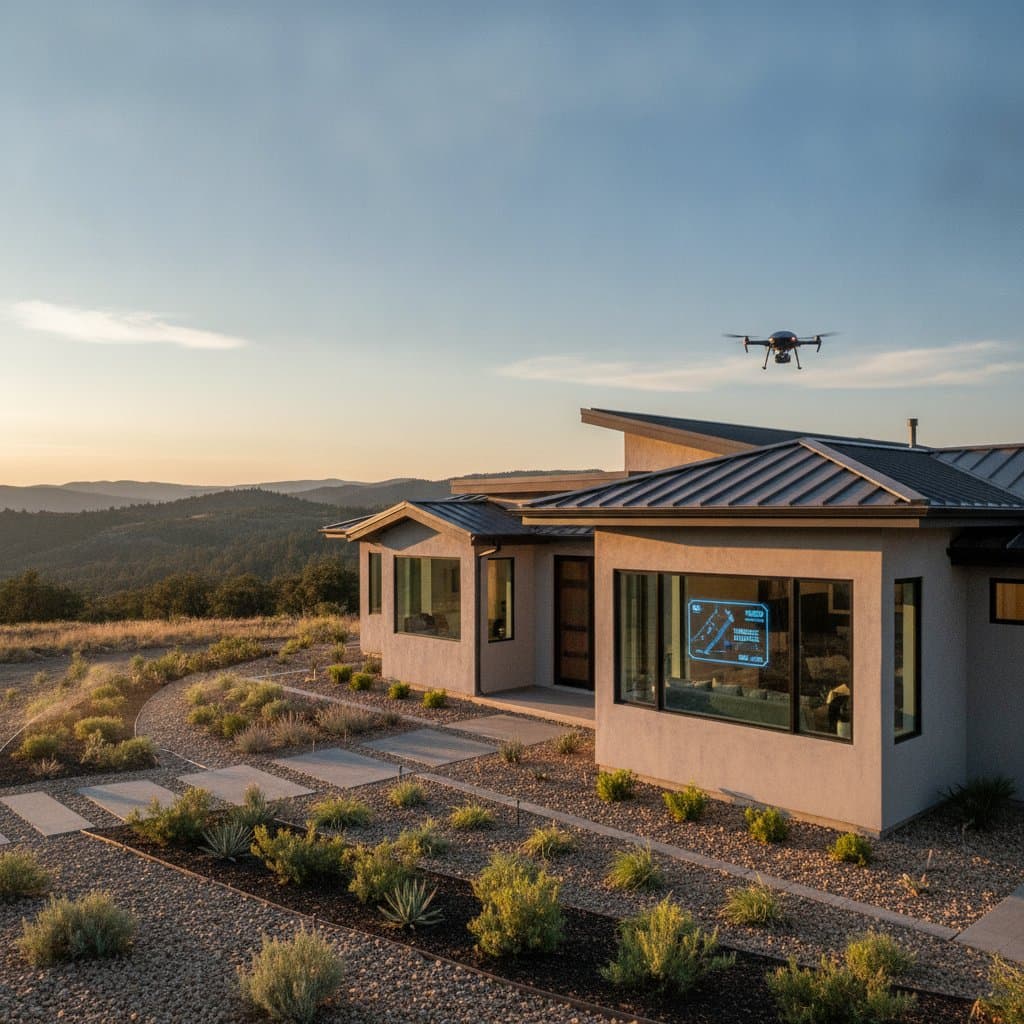
Integrate flood prevention with complementary practices for optimal results. Incorporate strategic landscaping to direct water flow away from structures and install smart sensors for ongoing monitoring. These enhancements reduce lifetime maintenance expenses amid shifting climate conditions.
Immediate implementation fortifies homes against escalating water threats. Collaborate with skilled professionals and perform regular system upkeep to sustain protection. This commitment not only secures personal assets but also contributes to broader community stability.