The Evolving Landscape of Backyard Housing: Granny Pod Expenses in 2026
Families increasingly seek compact living options to accommodate aging relatives while preserving personal space and ease. Granny pods, recognized also as accessory dwelling units or backyard cottages, emerge as viable choices for multigenerational setups. Escalating construction expenses, evolving zoning regulations, and alterations in financing approaches shape the outlays homeowners encounter for setup and upkeep. Grasping the economic and legal facets of these initiatives equips owners to decide wisely prior to launching builds.
What Constitutes a Granny Pod
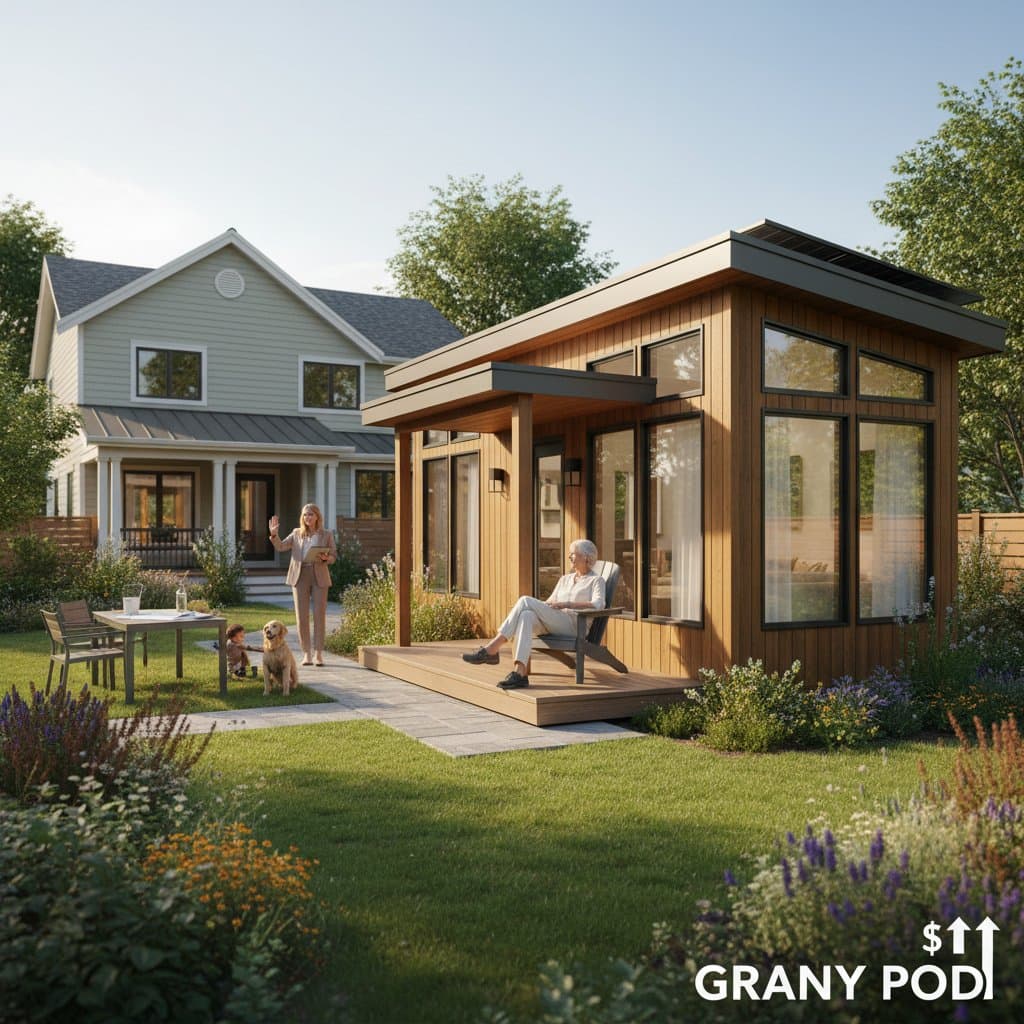
A granny pod functions as a standalone residence placed on a home's lot, often positioned behind or beside the primary structure. These setups commonly feature a bedroom, bathroom, kitchenette, and living space. Certain designs integrate accessibility elements like ramps, broadened doorways, and health monitoring devices. Options range from prefabricated models to bespoke constructions, with dimensions dictated by municipal codes and lot sizes.
The primary draw rests in harmonizing autonomy with nearness. Relatives receive aid from family members without merging households fully. However, this straightforward idea conceals intricate fiscal, regulatory, and operational hurdles that impact overall expenditures.
Breaking Down the Cost Components
Granny pod outlays hinge on build style, material selections, and area-specific labor expenses. Owners confront two principal expense groups: initial setup and continual care. Standard initiatives encompass core structure fees, land readiness, approvals, and utility linkages.
Base rates for a modest prefabricated version start near $100,000. Tailored versions incorporating high-end surfaces or embedded health tech surpass $250,000.
Supplementary fees cover base preparation, power enhancements, waste connections, or terrain modifications. Such elements contribute $20,000 to $50,000 based on terrain specifics.
Homeowners verify that insurance policies address detached additions adequately, reviewing rebuild amounts and wear considerations.
Unexpected costs emerge from unlisted items in bids, including ramp installations or advanced thermal barriers.
Sustained expenses involve energy charges, system servicing, and potential tax hikes following structure registration.
Navigating the Build Sequence
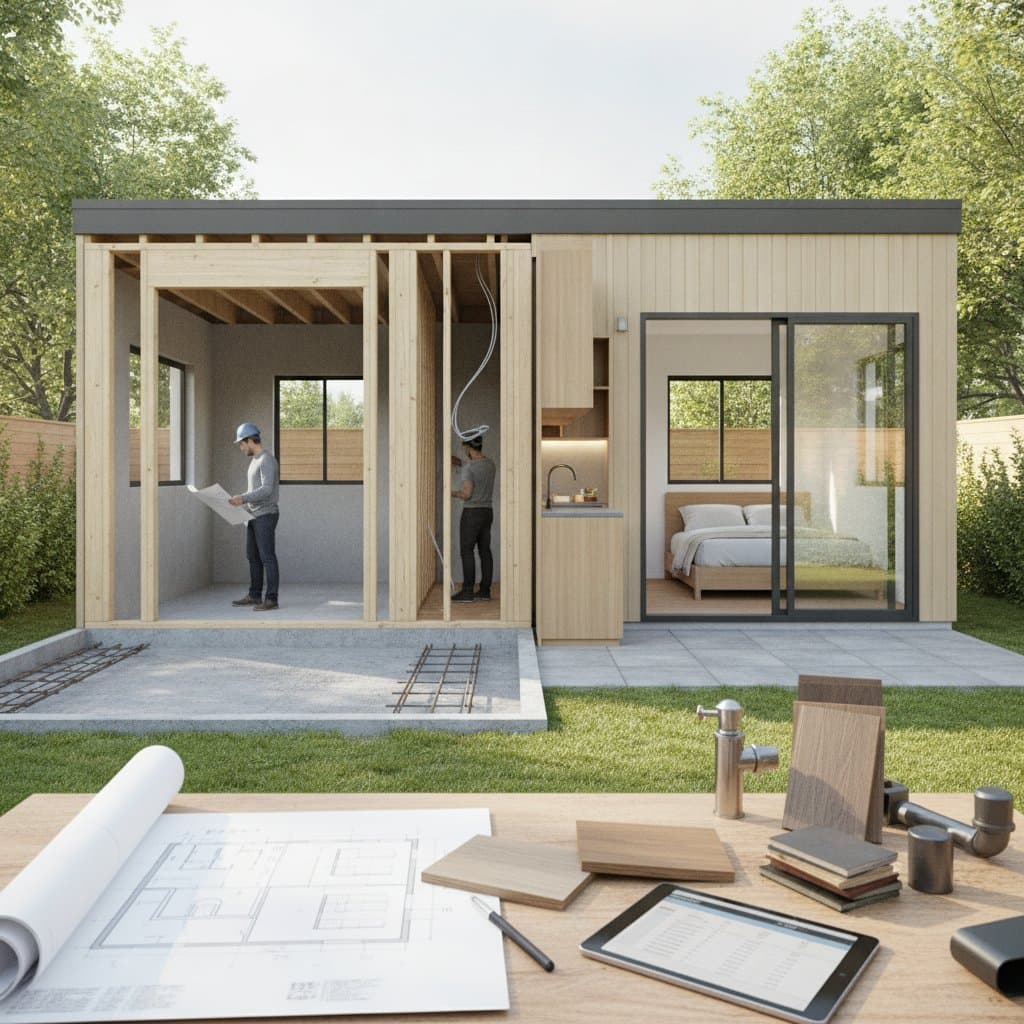
Erecting a granny pod adheres to a structured timeline involving collaboration among owners, builders, and officials.
- First consultation: Owners engage builders or modular specialists. Evaluations assess if current utilities support extra demands.
- Evaluation stage: Professionals examine ground firmness and water flow, while regulators confirm adherence to distance mandates and size caps.
- Permitting stage: Applications undergo scrutiny by municipal offices. Clearances require weeks, varying with administrative demands.
- Execution phase: Post-approval, site work commences. Factory units arrive via heavy equipment or receive on-location assembly.
- Completion checks: Inspectors validate standards and connection security. Builders extend warranties against build flaws for one to three years in select cases.
Identifying Contract Gaps and Constraints
Contracts frequently omit scenarios risking structural soundness or endurance. Owners examine agreements meticulously prior to endorsement.
- Prior site issues, including poor runoff or shaky earth, risk nullifying build guarantees.
- Supply-driven swaps happen during shortages. Confirm substitutes match original quality benchmarks.
- Owner duties demand regular checks on pipes, roofs, and climate controls. Oversight forfeits protections.
- Location barriers exist for flood-prone or fire-risk zones, necessitating unique build techniques.
- Lending curbs limit options from providers viewing units as interim or transportable.
Weighing Economic Impacts and Worth
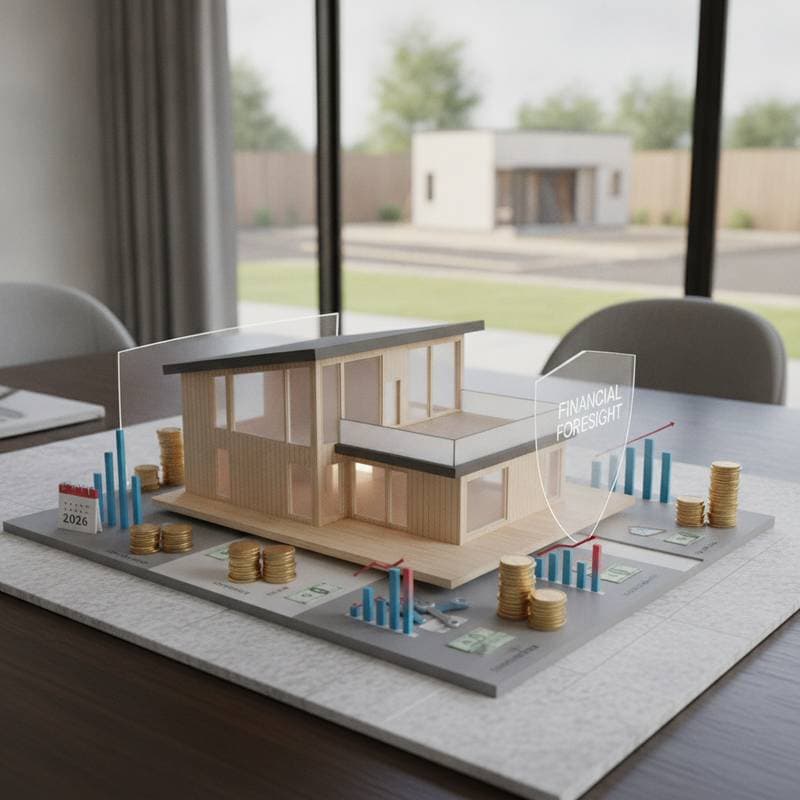
A granny pod demands substantial capital that influences family budgets over time. Owners conduct full ownership cost reviews, factoring direct spends and alternatives forgone. Weighing loan installments or equity loans against rental yields or institutional care reductions reveals enduring gains.
Certain owners lease units after family needs shift. Others regard them as value boosters upon sale. Elevated assessments, though, raise tax and coverage dues. Detailed projections guide commitments.
Evaluating Provider Packages and Agreements
Providers present varied service tiers. The following table details common maintenance plans, aiding systematic comparisons. Note these pertain to post-build care, not initial construction.
| Plan Type | Monthly Rate | Call-Out Charge | Repair Caps | Notable Omissions |
|---|---|---|---|---|
| Basic | $150–$250 | $75 | $500 max | Build flaws only; no alterations |
| Premium | $300–$400 | $100 | $1,500 max | Owner changes excluded |
Owners opt for self-handling fixes or structured plans for steady forecasting.
Safeguarding Your Outlay
Solicit bids from several sources to spot overcharges or concealed add-ons. Review regional dispute logs and oversight bodies for provider track records.
Steps to Proceed Confidently
A granny pod grants loved ones self-reliance and owners versatile assets. Success stems from rigorous budgeting and precise agreement scrutiny. Families who plan meticulously enjoy sustained advantages in supportive, adaptable living.