
Articles tagged with adu-installation

Discover how much a 2026 granny pod really costs, what permits you’ll need, and the steps to build one safely. From zoning rules and utility tie-ins to cost-saving tips and maintenance essentials, this guide explains everything required to create a comfortable, code-compliant backyard home for aging loved ones.
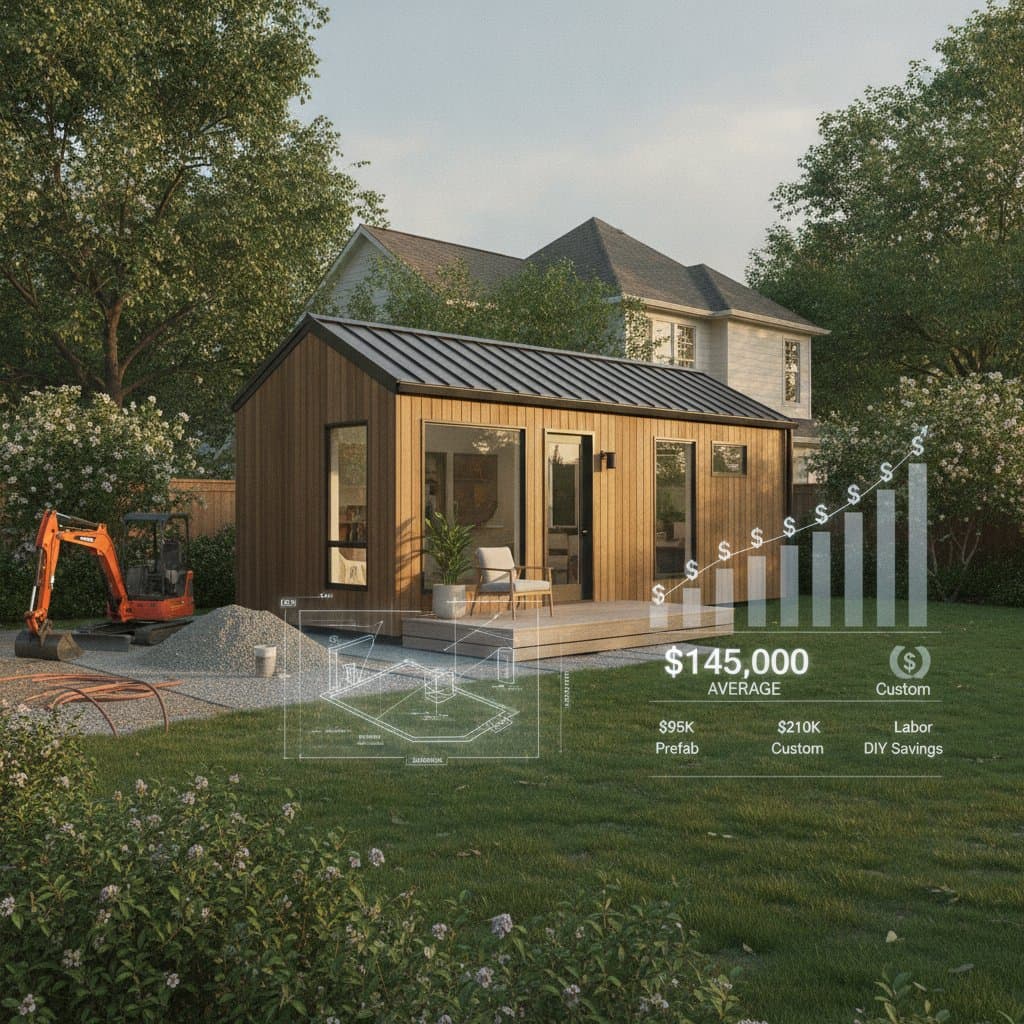
Discover what it really costs to add a granny pod in 2026 from $95,000 prefab builds to $210,000 custom units. Learn how permits, site prep, materials, and labor shape your budget, explore DIY savings, and get expert tips to streamline installation while maximizing comfort, compliance, and long-term value.
Granny pods deliver independent living options near family members. Costs for 2026 installations fall between 90000 and 250000 dollars based on size, design selections, and utility requirements. Prefabricated models reduce both time and expense while custom projects increase flexibility. The following sections outline cost components, timelines, and preparation guidance.
Granny pods offer independence and closeness for aging relatives, yet true costs extend beyond base prices. From eighty thousand dollar builds to zoning requirements, permits, and ongoing taxes, every detail matters. This guide examines 2026 pricing, financing, and legal essentials to help families plan safe and compliant backyard solutions.
Granny pods provide independent living options for elderly relatives near family, but 2026 installation costs depend on size, location, and features. This guide breaks down expenses from construction to maintenance, with strategies for smart budgeting and maximizing value.
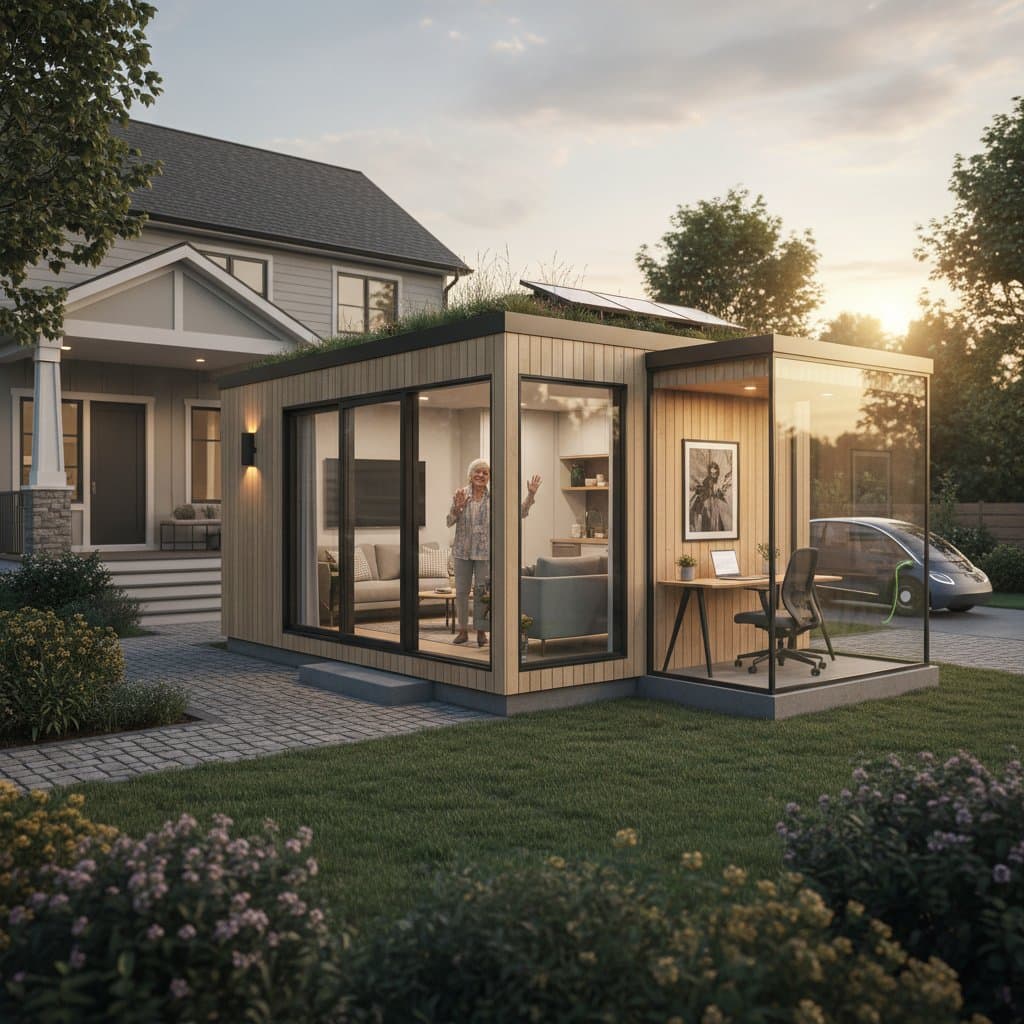
In 2026, granny pods provide families with private, affordable housing options for aging relatives, with total costs between $85,000 and $180,000. Key factors include local zoning laws, permit processes, and choices between prefab and custom designs. Proper planning ensures these backyard dwellings comply with regulations, boost property value, and promote independence and comfort.
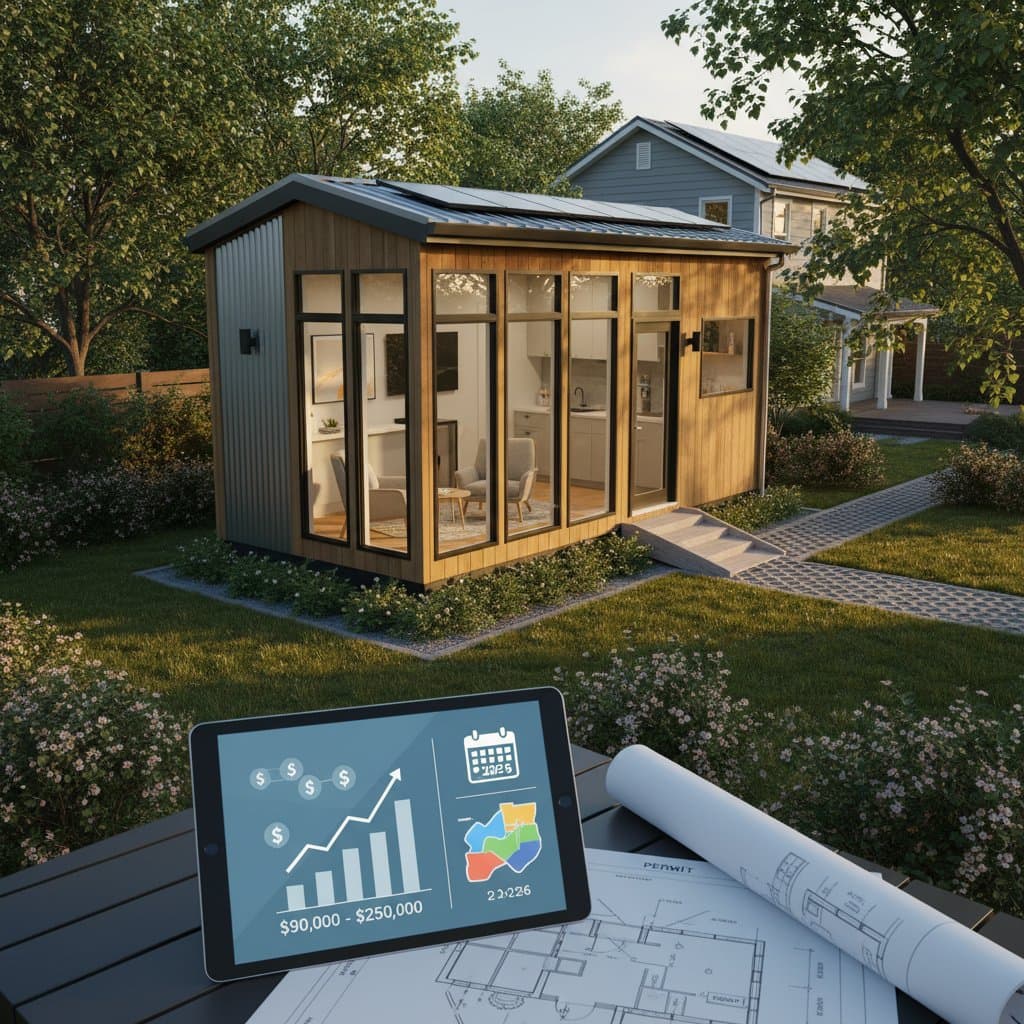
Uncover the essentials of granny pod costs in 2026, including zoning considerations, design influences, and professional hiring needs. This guide details pricing factors, permit navigation, safety compliance, and regional variations to help you build a practical, affordable solution for multigenerational living.
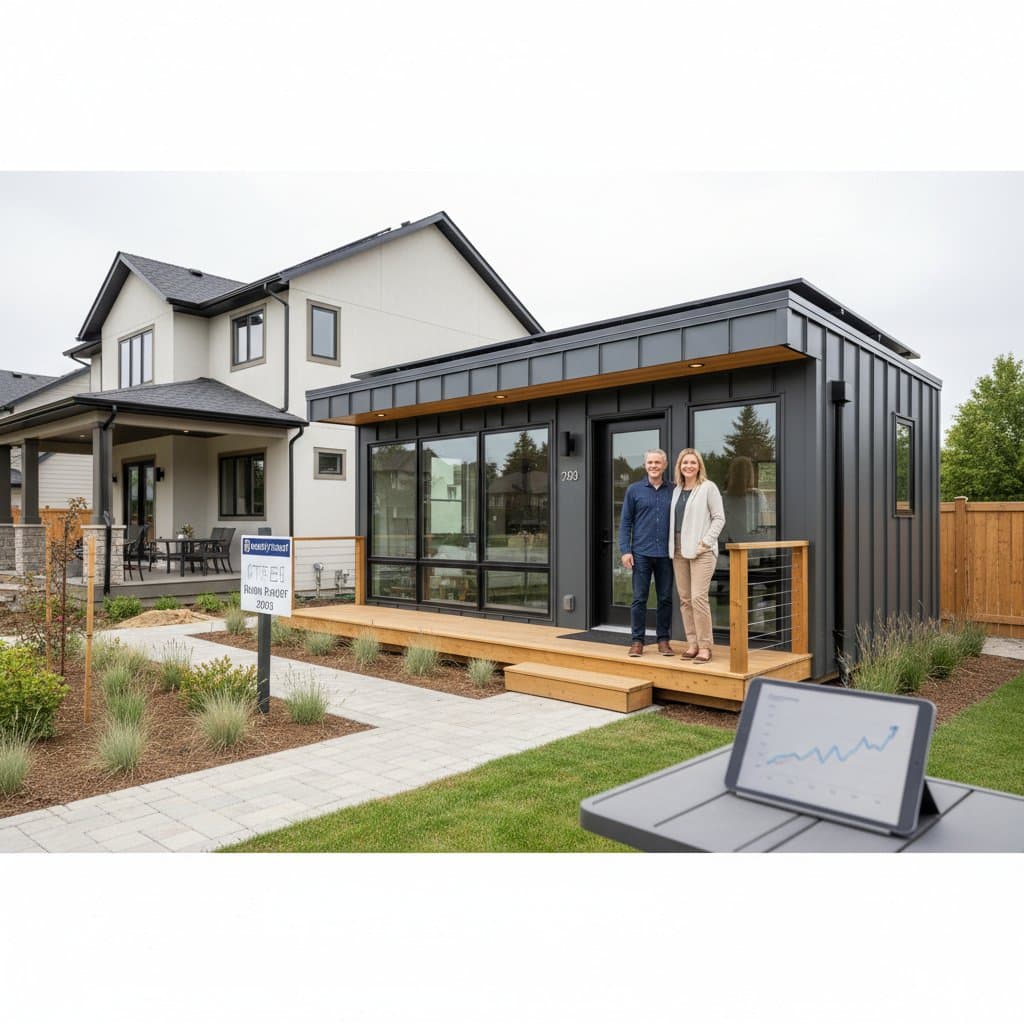
In 2026, constructing a granny pod typically costs between $80,000 and $180,000, with the national average at $125,000. Factors such as unit size, material selections, site preparation, and local permits significantly influence the total expense. Homeowners benefit from understanding zoning requirements, coordinating professional installations, and implementing cost-effective measures to achieve a durable, code-compliant accessory dwelling unit that supports multigenerational living or rental opportunities.
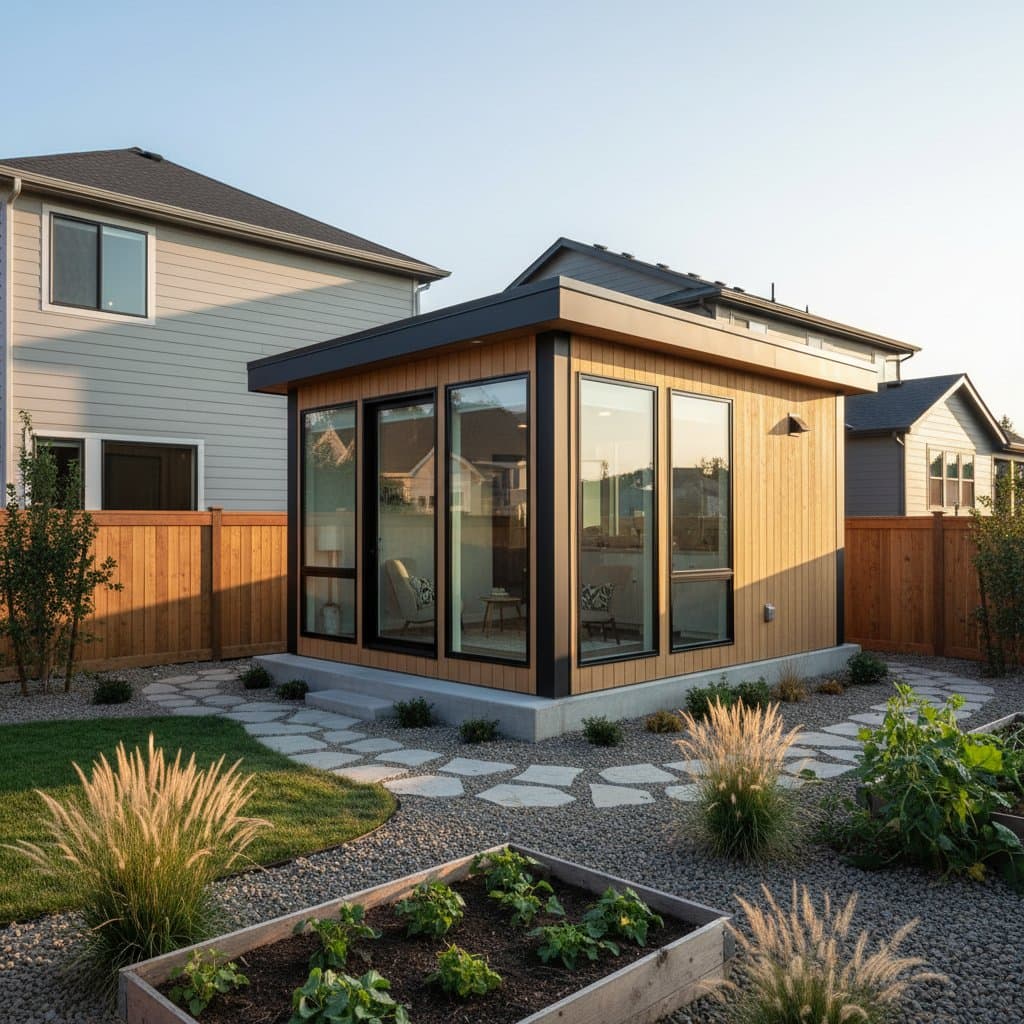
In 2026, granny pod construction ranges from $80,000 to $250,000, averaging $145,000 for professional setups with utilities and finishes. Expert builds can raise home values by 35 percent; DIY saves costs but requires skills. Discover design, location, and planning insights for optimal comfort, economy, and returns.
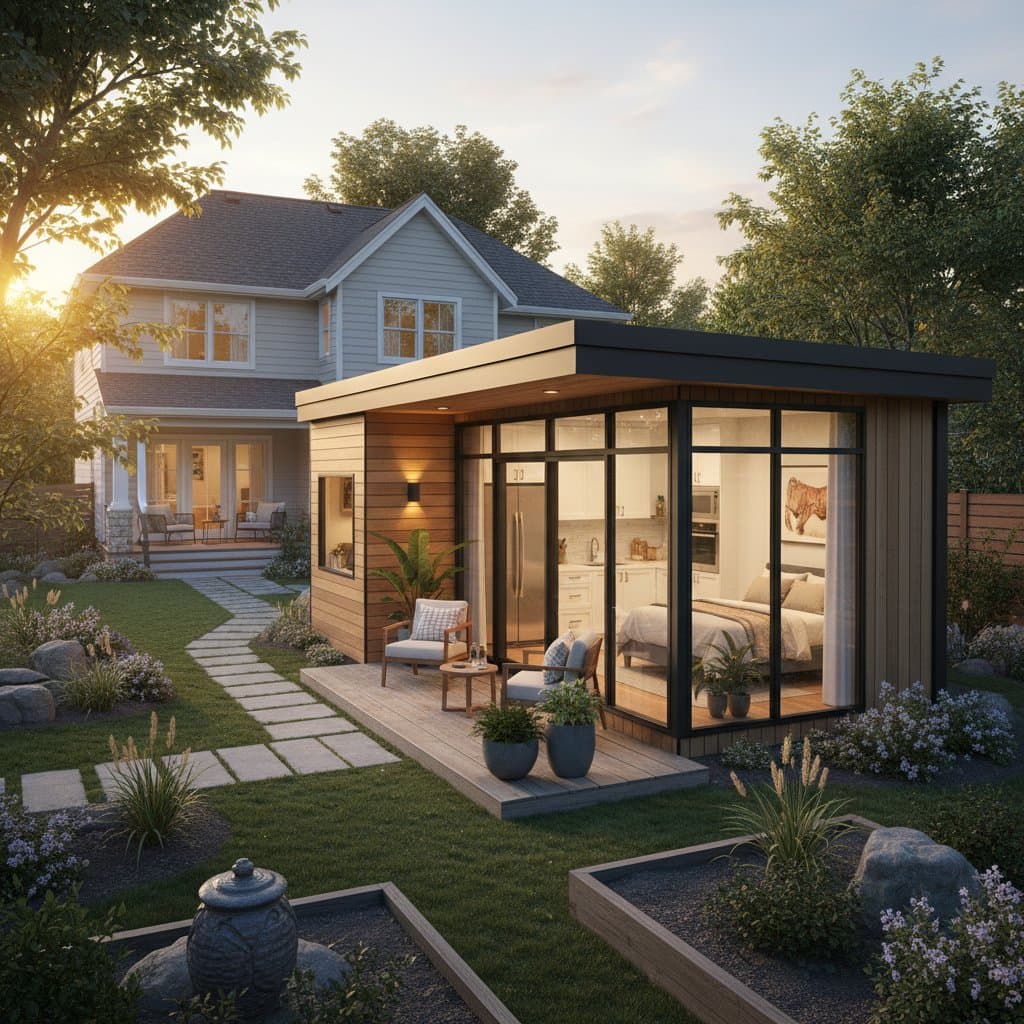
Granny pods deliver autonomy for seniors and closeness for families through compact backyard residences priced at $85,000 to $250,000. Costs fluctuate with unit dimensions, build standards, and zoning requirements. Capable of raising property values by up to 35 percent, these adaptable homes offer a budget-friendly path to senior care, merging accessibility, ease, and investment returns.
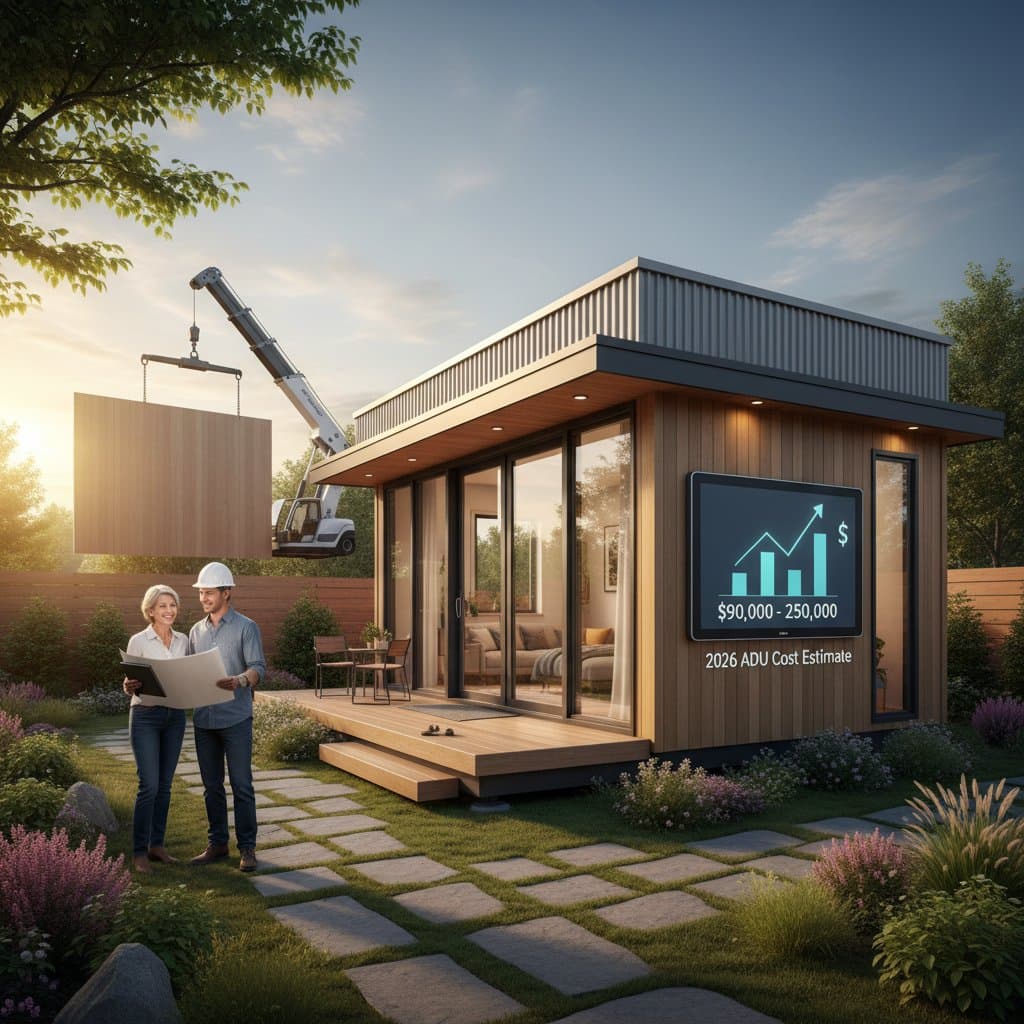
Uncover the true expenses of a 2026 granny pod, a versatile backyard ADU for family support or rental purposes. This guide details how design, location, and features drive costs between $90,000 and $250,000, plus steps for permits, builds, and ongoing care to launch your project confidently.
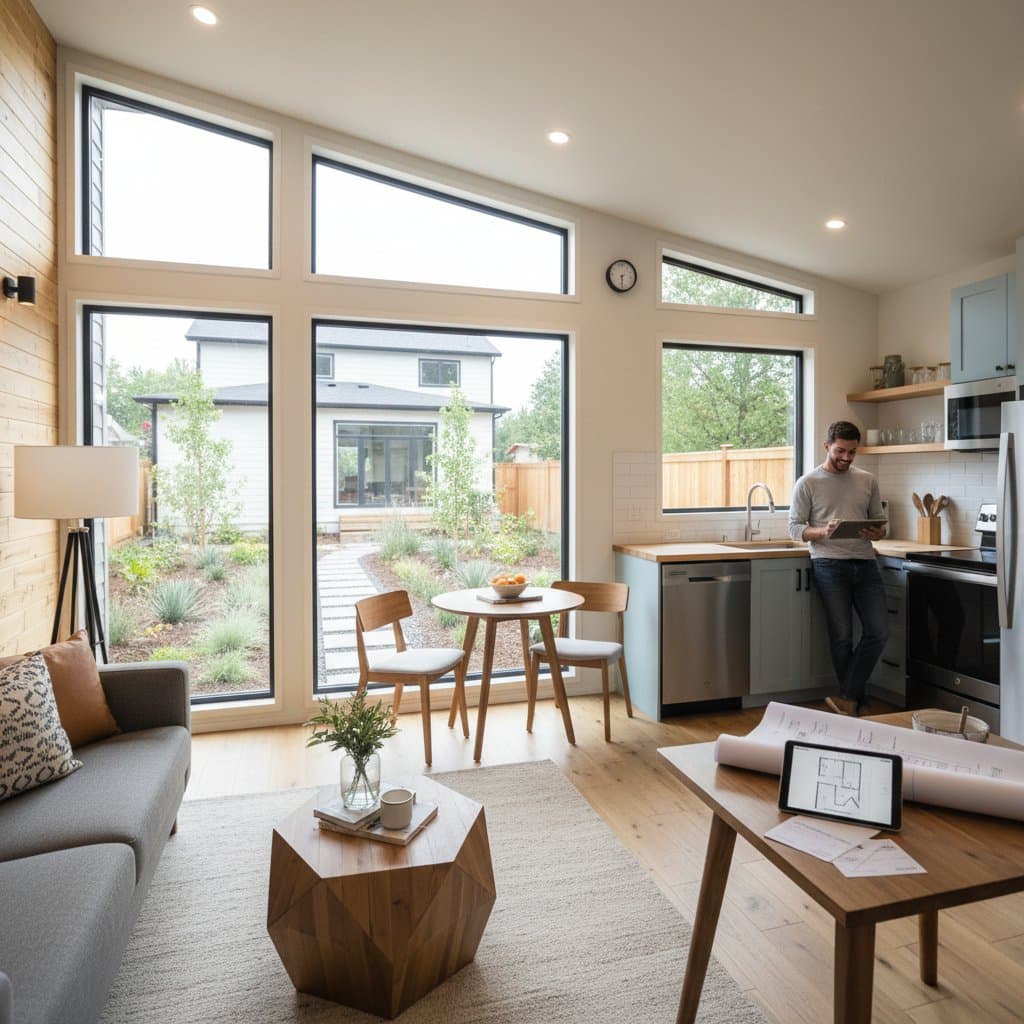
In 2026, granny pod expenses dip below those of main home additions, offering an affordable path to multigenerational living. This guide details full cost breakdowns, essential zoning checks, permit processes, and practical choices between self-build and expert installation to keep your project compliant and cost-effective.
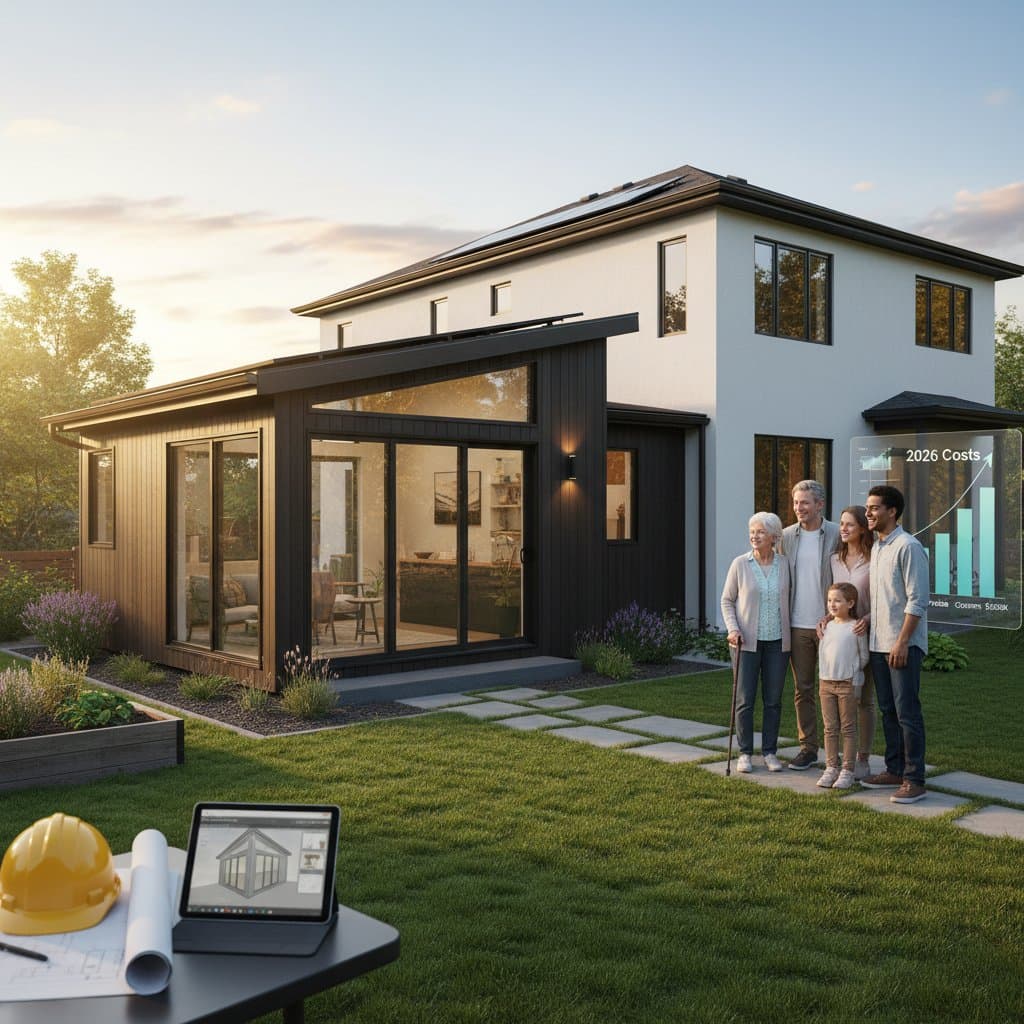
Uncover the true costs of 2026 granny pods, ranging from $80,000 prefab setups to $250,000 custom designs. Gain insights on zoning compliance, utility integration, installation timelines, and accessibility features to build a secure, family-oriented backyard dwelling.
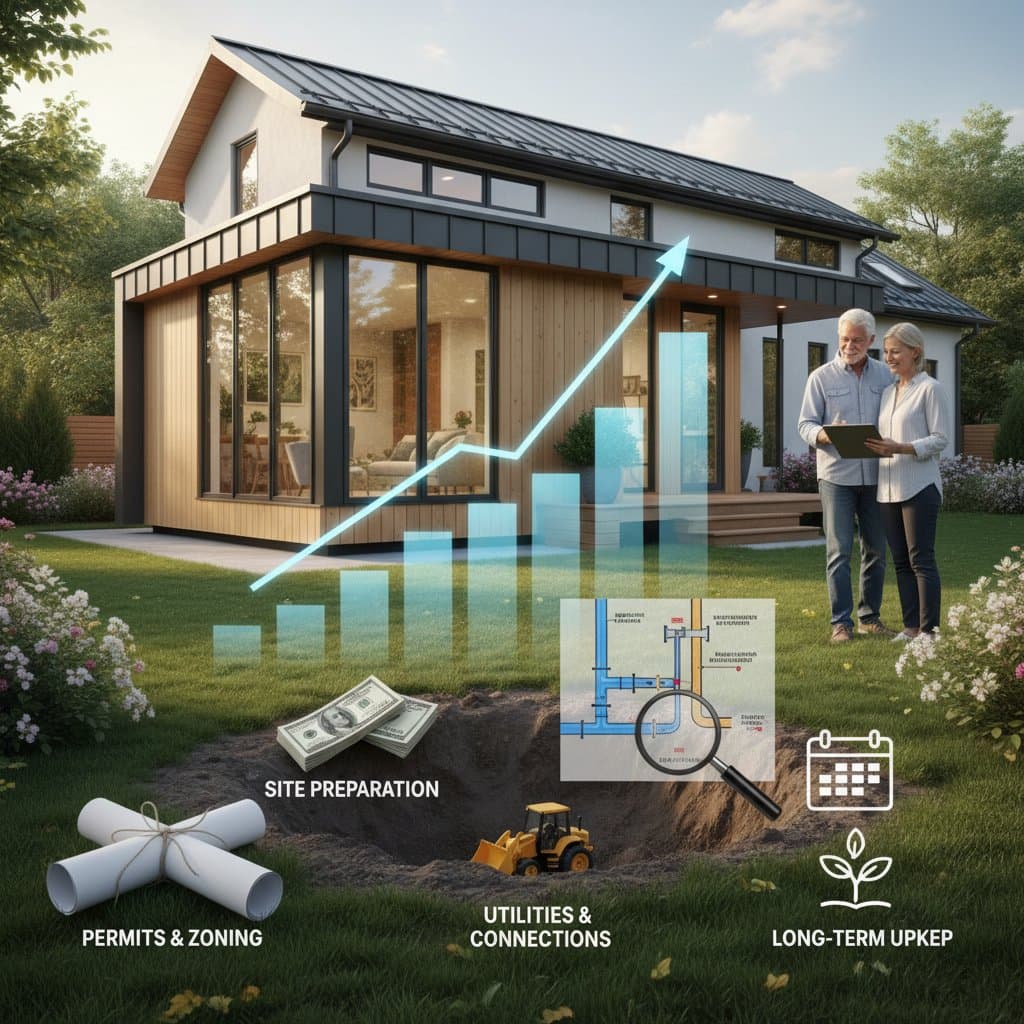
Constructing a granny pod in 2026 demands attention to more than the physical structure. Permits, zoning requirements, and unforeseen expenses can alter budgets considerably. This guide covers regulatory navigation, mistake avoidance, and financing to make the ADU a valuable, enduring addition.

Planning a 2026 granny pod? Costs range from $85,000 to $230,000, shaped by size, materials, and features. Navigate zoning requirements, permitting, and design impacts to increase property value and support loved ones' independence.

Uncover the true expenses of installing a granny pod in 2026, including zoning requirements, permit processes, and design considerations. This guide details how site factors, building codes, and smart planning influence costs, timelines, and the overall value of creating a secure, adaptable living space for seniors.
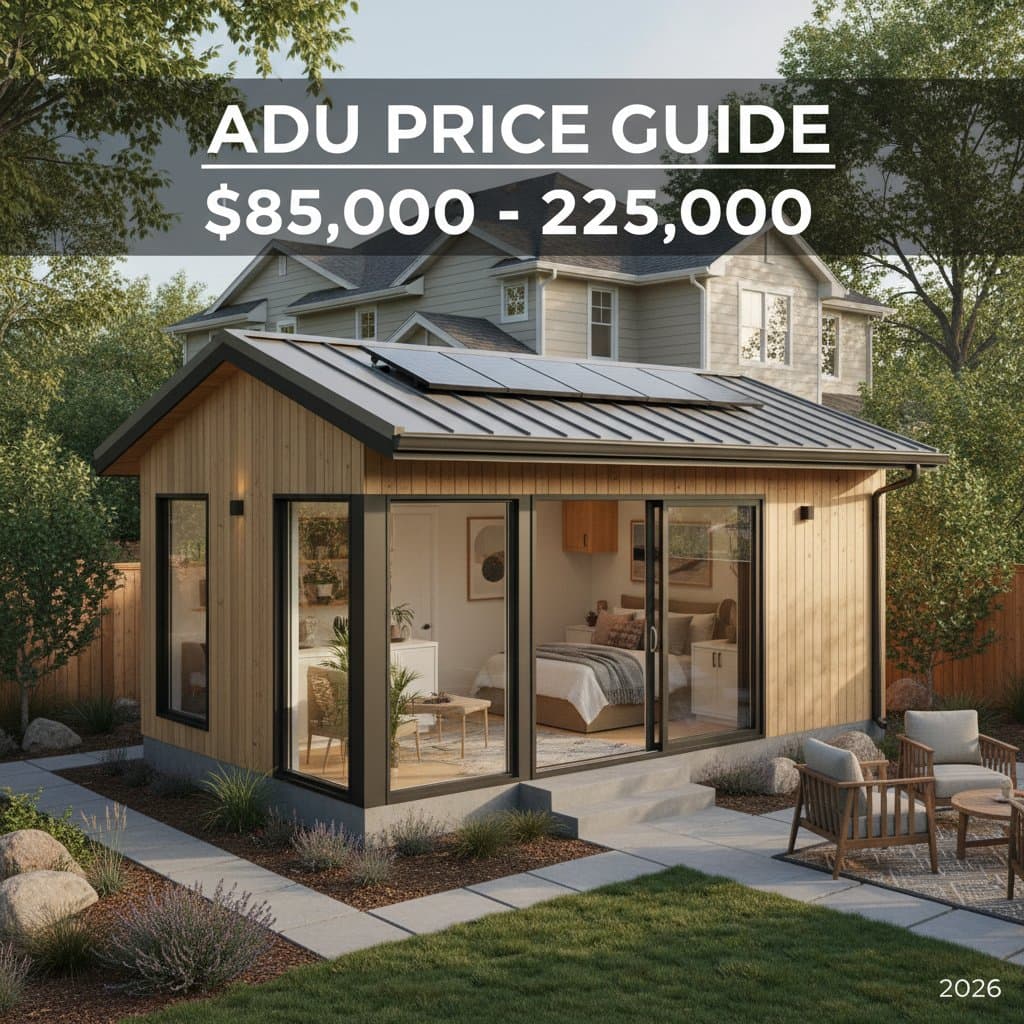
Granny pods deliver flexible, affordable options for multigenerational households. In 2026, complete backyard ADUs average $145,000, shaped by dimensions, materials, and site factors. Expert construction can elevate home values by 35 percent, with efficiency features, optimal scheduling, and planning aiding cost management and sustained gains.
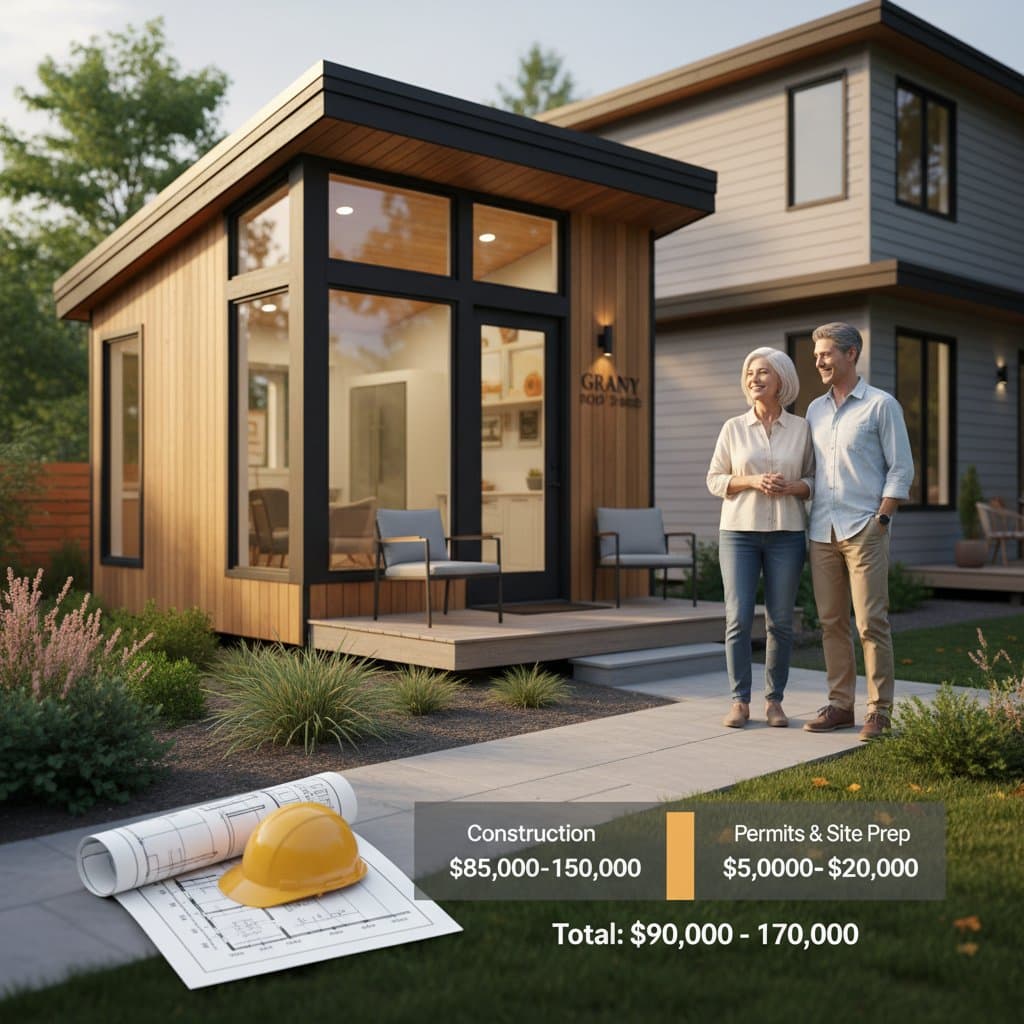
In 2026, granny pod projects range from $85,000 to $150,000, plus $5,000 to $20,000 for permits and preparations. This comprehensive guide details zoning essentials, construction choices, timelines, and regional variances to empower homeowners in budgeting effectively and designing adaptable spaces that boost family bonds and home equity.
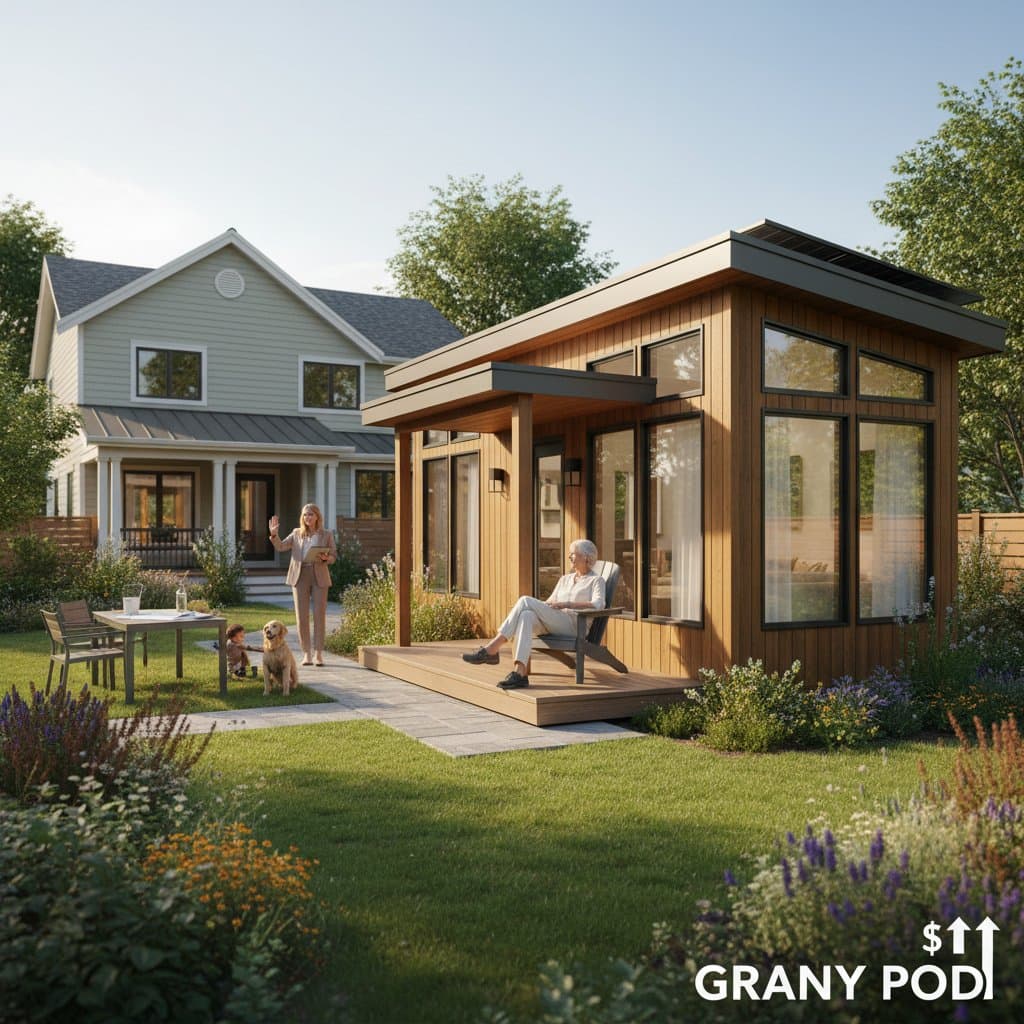
Granny pods transform multigenerational living by delivering independence alongside close family support. In 2026, expenses typically span $100,000 to $250,000, influenced by design choices, materials, and location. Families benefit from mastering zoning requirements, financing pathways, and upkeep responsibilities to secure a wise investment in adaptable backyard residences.
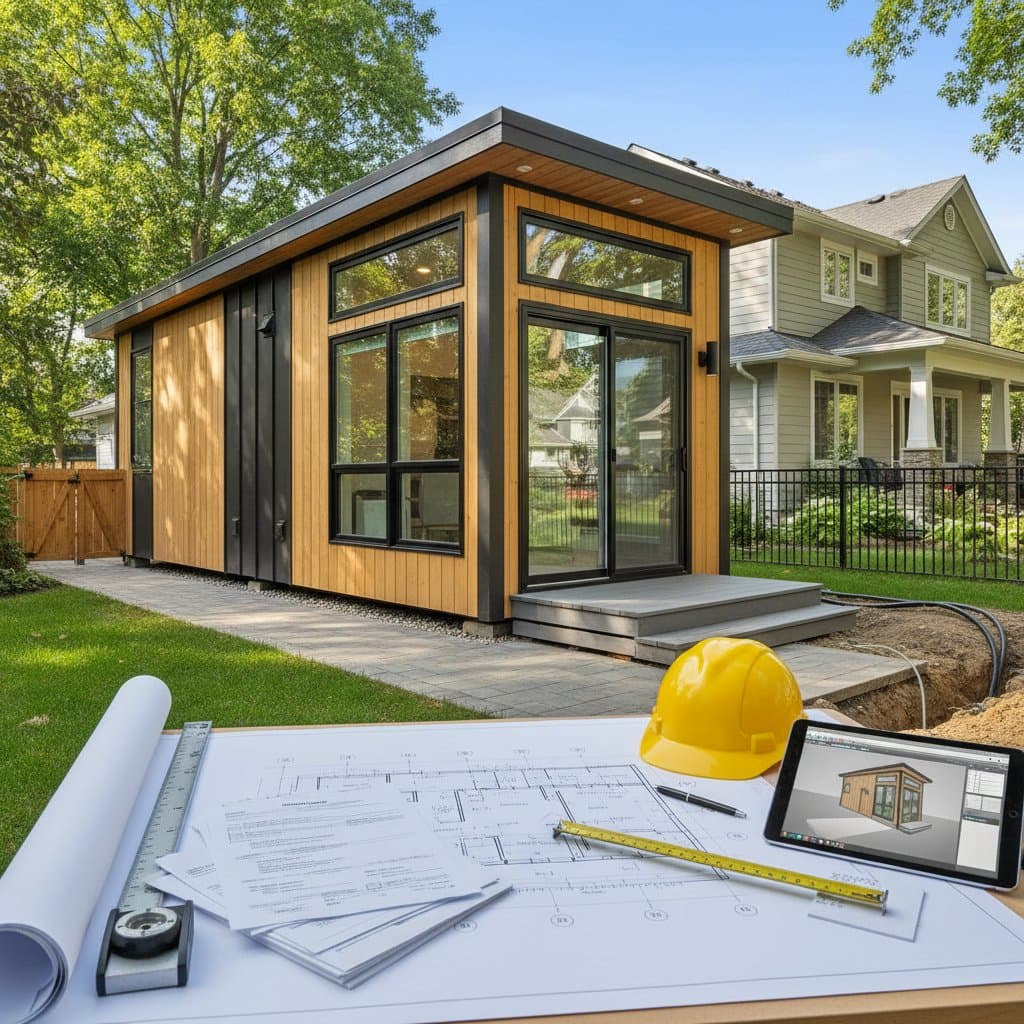
A 2025 granny pod build ranges from $65,000 to $175,000, with permits and zoning boosting costs by 10 to 25 percent. Project success hinges on understanding local regulations, site conditions, and strategic planning. Whether opting for prefab or custom designs, early focus on utilities, approvals, and compliance averts expensive setbacks and delivers a secure, compliant backyard residence.