2026 Home Battery Costs and Coverage Essentials
Home battery systems form a vital component of contemporary energy strategies. These units capture excess electricity from solar panels or the grid for use during peak times or outages, empowering homeowners with reliable power and potential bill reductions. As popularity increases, clarity on costs, warranty protections, and service obligations becomes crucial for sound investments.
Core Components of Home Battery Systems
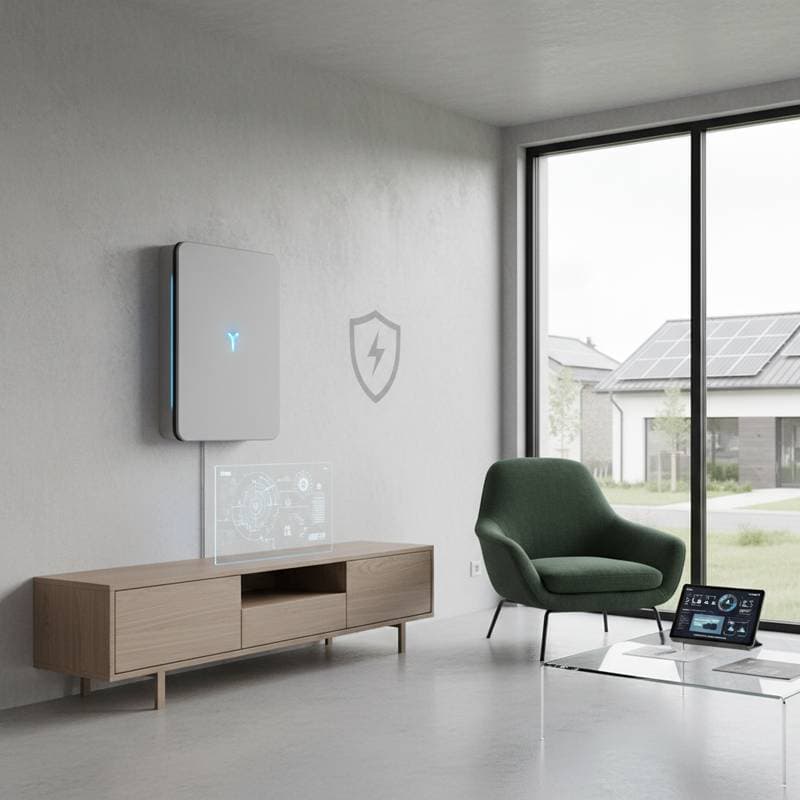
A standard home battery setup includes a lithium-ion storage unit, an inverter for energy conversion, and software for performance monitoring. Installation typically involves mounting the battery indoors, wiring it to home circuits, and linking it to solar arrays or utility connections. Homeowners must consider whether to buy outright, lease, or finance, as each path affects ownership, repair duties, and warranty applicability.
Service variations range from basic hardware provision to full-service packages that include ongoing support. Evaluate provider responsibilities for diagnostics, updates, and replacements to gauge long-term reliability.
Detailed Cost Breakdown
Initial quotes often highlight hardware prices, but total expenses encompass multiple factors. Systems with 10 to 13 kilowatt-hours of capacity generally range from $8,000 to $15,000 before installation.
- Hardware costs: Vary by brand and features, such as integrated smart home compatibility.
- Installation expenses: Labor, permits, and upgrades add $1,000 to $3,000, depending on home electrical infrastructure.
- Ongoing fees: Annual monitoring or maintenance contracts cost $100 to $300.
- Expansion options: Additional modules for greater capacity increase totals by $5,000 or more.
Long-term value hinges on energy savings, which average $400 to $700 annually based on local rates and usage patterns. Factor in financing interest and eventual replacements to project full ownership costs accurately.
Warranty Terms and Service Options
Manufacturers typically guarantee 70 to 80 percent capacity retention over 10 to 15 years or 3,000 to 5,000 charge cycles. Coverage addresses manufacturing defects and performance shortfalls, with options for repairs or full replacements. However, exclusions for labor, transport, or normal wear often apply.
Extended service plans from installers bridge these gaps through tiered coverage. Review terms for diagnostic support, on-site visits, and update provisions to ensure comprehensive protection.
| Coverage Tier | Monthly Fee | Visit Fee | Repair Cap | Primary Exclusions |
|---|---|---|---|---|
| Basic | $25 to $40 | $75 | $500 | Capacity loss, user error |
| Extended | $40 to $60 | $100 | $1,000 | Natural disasters, faulty setup |
| Premium | $60 to $90 | $0 to $50 | Full value | Extreme weather, prior damage |
Basic tiers suit low-risk setups but cap reimbursements, while premium levels offer robust safeguards at higher costs.
Step-by-Step Installation and Claim Process
The journey begins with a consultation to match the system to your energy profile and home layout.
- Consultation: Discuss needs and receive a customized proposal.
- Site evaluation: Technicians inspect wiring, space, and compliance requirements.
- Preparation: Secure permits and financing approvals.
- Installation: Professionals install and test the system, typically over one to two days.
- Activation: Integrate software and train on monitoring tools.
For claims, start with app-based reporting for remote troubleshooting. Persistent issues trigger technician dispatch, followed by eligibility assessment under warranty guidelines. Prompt reporting and maintenance records streamline approvals.
Key Limitations and Avoidance Strategies
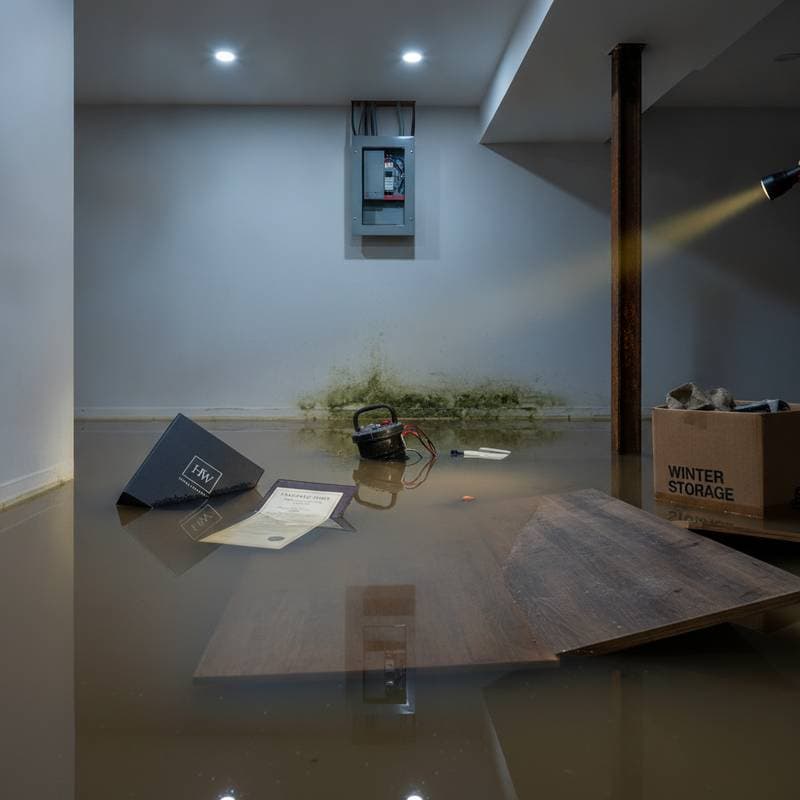
Exclusions frequently undermine claims, including setups by unqualified installers or exposure to humidity above 85 percent. Temperature fluctuations beyond 32 to 95 degrees Fahrenheit, skipped updates, or overlooked initial defects also lead to denials.
Mitigate risks by selecting certified professionals, installing in climate-controlled areas, and logging all upkeep activities. Annual professional audits reinforce compliance and early issue detection.
Assessing Financial Outcomes
Total ownership costs extend beyond purchase to include depreciation and service expenses. With batteries lasting 10 to 15 years, weigh savings against fees; for instance, $300 yearly maintenance offsets part of the $500 average energy reduction.
Financing spreads payments but accumulates interest, potentially delaying payback periods of five to eight years. Compare self-funding repairs versus contracts to align with your budget and risk preferences.
Structured Evaluation Approach
Adopt this framework for confident decisions.
- Identify priorities: Focus on outage protection, cost savings, or scalability.
- Gather quotes: Compare at least three providers on specs, terms, and reviews.
- Project returns: Use online calculators to estimate breakeven timelines.
- Scrutinize agreements: Check transfer options, penalties, and fine print.
- Balance protections: Opt for coverage that matches your maintenance commitment level.
This process uncovers discrepancies between promotions and realities.
Maintenance Strategies for Optimal Performance
Sustain warranty validity through consistent care. Monitor temperatures quarterly, apply firmware updates monthly, and arrange inspections biennially. These steps not only prevent failures but also enhance efficiency, ensuring sustained energy benefits and financial returns.