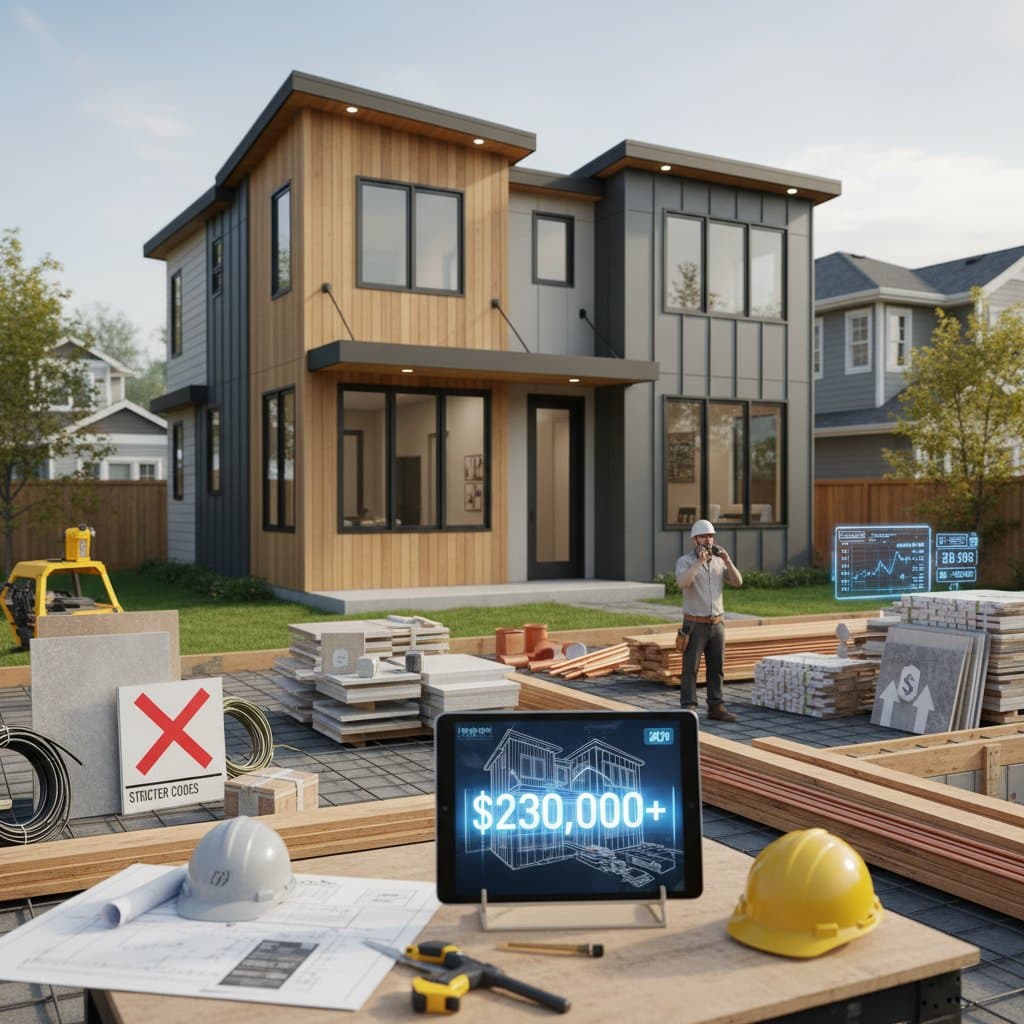
Understanding Why ADU Costs Average $230,000 in 2025
Project Overview
National average cost: $230,000
Typical range: $180,000 to $320,000
Low-end example: $110,000 for a basic garage conversion
High-end example: $400,000 for a spacious detached cottage
Completion timeline: 6 to 12 months, from initial design through final inspection
Construction approach: Professional oversight is essential due to complex utilities, structural demands, and regulatory compliance
Return on investment: 50 to 70 percent, influenced by design execution and rental market viability
Data as of: March 2025
Detailed Cost Breakdown
The following table outlines estimated expenses for a standard 600-square-foot detached ADU. Costs vary by location, design choices, and site specifics.
| Item | Unit Cost | Typical Quantity | Line Total | Notes |
|---|---|---|---|---|
| Site survey and design | $4 to $8 per sq. ft. | 600 sq. ft. | $2,400 to $4,800 | Encompasses architectural drawings and permit-ready plans |
| Permits and fees | Flat fee | 1 | $8,000 to $15,000 | Covers city impact fees, plan reviews, and utility connections |
| Foundation and slab | $10 to $16 per sq. ft. | 600 sq. ft. | $6,000 to $9,600 | Influenced by soil conditions and drainage needs |
| Framing and structure | $40 to $60 per sq. ft. | 600 sq. ft. | $24,000 to $36,000 | Incorporates lumber framing and exterior sheathing |
| Roofing and siding | $12 to $20 per sq. ft. | 600 sq. ft. | $7,200 to $12,000 | Options include asphalt shingles or fiber-cement siding |
| Windows and doors | $500 to $1,200 each | 8 | $4,000 to $9,600 | Must feature energy-efficient glazing to meet code standards |
| Plumbing and electrical | $60 to $90 per sq. ft. | 600 sq. ft. | $36,000 to $54,000 | Includes full kitchen and bathroom integrations |
| HVAC and insulation | $8 to $14 per sq. ft. | 600 sq. ft. | $4,800 to $8,400 | Mini-split systems are prevalent for compact spaces |
| Interior finishes | $30 to $50 per sq. ft. | 600 sq. ft. | $18,000 to $30,000 | Covers flooring, cabinetry, fixtures, and painting |
| Appliances and lighting | Flat fee | 1 set | $5,000 to $10,000 | Ranges from midrange to premium selections |
| Site work and utilities | Flat fee | 1 | $10,000 to $25,000 | Involves trenching, grading, and landscape recovery |
| Contingency reserve | 10 to 20 percent | N/A | $20,000 to $50,000 | Accounts for unexpected site challenges or material fluctuations |
Overall project total: $180,000 to $320,000
Optional Enhancements
- Solar preparation: $3,000 to $8,000, mandated in certain jurisdictions
- Fire sprinkler integration: $2 to $5 per square foot when connected to the primary residence
- Accessibility modifications: $5,000 to $12,000 for elements like wider doorways, ramps, and support bars
- Premium material upgrades: $15,000 to $25,000 for superior finishes or custom architectural elements
- Detached configuration premium: Adds approximately 20 percent due to independent foundations and utility lines
Regulatory and Waste Management Fees
- Building permits: Average $4,000 to $8,000
- Impact and utility charges: $2,000 to $10,000, varying by municipality and water authority
- Debris removal: $1,000 to $2,500 for container rentals and waste hauling
Key Influences on Project Expenses
Project Scale and Dimensions
Smaller detached ADUs, such as an 800-square-foot unit, incur higher per-square-foot costs compared to larger 1,200-square-foot versions because labor and materials do not scale as efficiently. Garage conversions prove more economical since existing foundations and walls minimize foundational work.
Material Quality and Aesthetic Choices
Opting for standard-grade options like vinyl flooring and laminate countertops lowers expenses by 10 to 20 percent. Conversely, selecting luxury materials such as quartz countertops or bespoke cabinetry elevates the total by 25 percent or greater.
Site Characteristics and Access Challenges
Properties with restricted side-yard access, sloped terrain, or mature vegetation demand additional resources for excavation, material delivery, and equipment staging. Unstable soil or inadequate drainage may necessitate thousands more in stabilization or waterproofing measures.
Workforce Availability and Timing
Persistent shortages in skilled labor continue to elevate rates for framing, plumbing, and electrical services. In competitive markets, general contractors apply 10 percent surcharges to ensure subcontractor reliability. Weather-related delays during peak seasons further increase equipment and temporary housing expenses.
Customization and Modifications
Any departure from predefined plans extends coordination efforts for design revisions and inspections. Features like unique roof designs, skylights, or intricate utility connections each contribute at least $5,000. Mid-project material changes frequently disrupt workflows and prolong financing periods.
Professional Construction Versus Self-Managed Efforts
Feasible Tasks for Skilled Homeowners
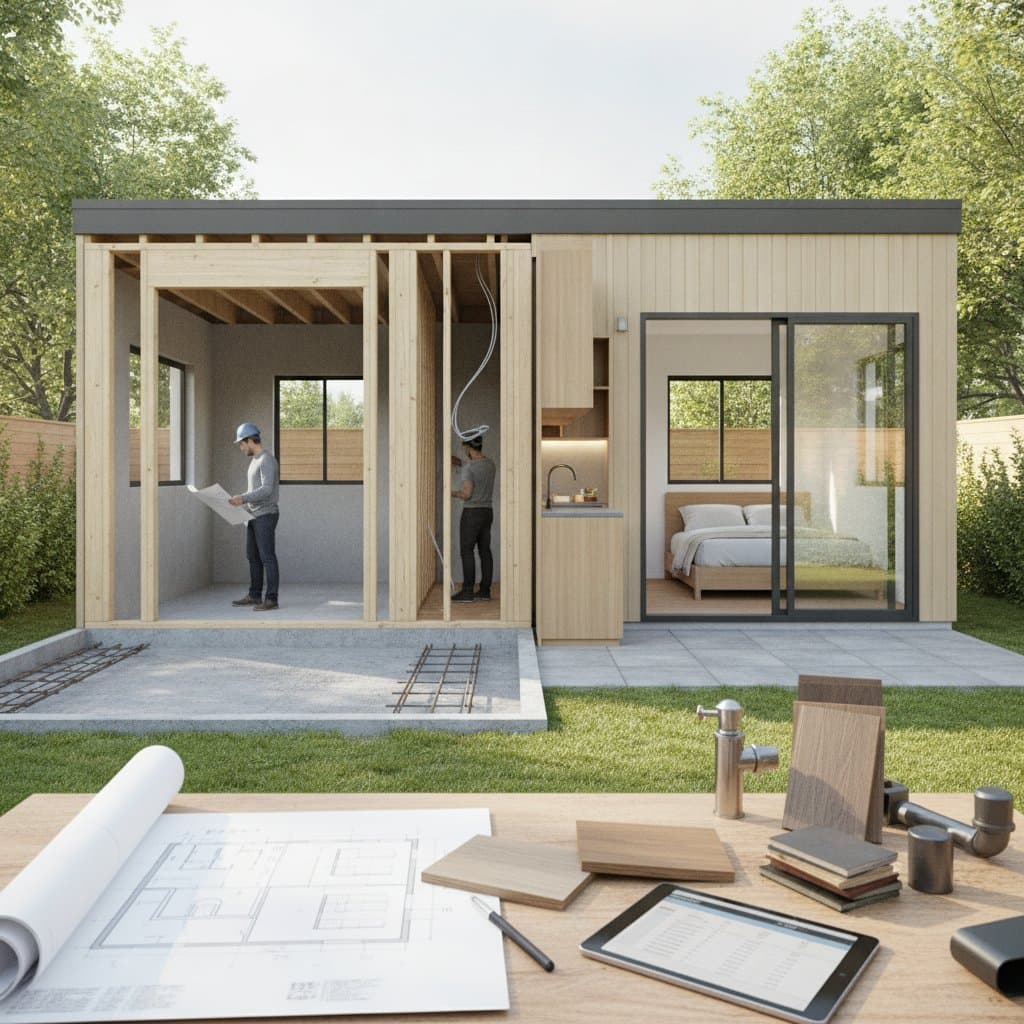
- Apply interior paint, install trim, and lay flooring after the structural shell is in place
- Oversee landscaping, fencing, or deck additions following occupancy approval
- Perform initial demolition and site cleanup to shorten professional labor duration
Elements Requiring Certified Expertise
- Electrical installations and panel connections demand a licensed electrician's involvement
- Plumbing linkages to municipal lines require adherence to codes and subsequent inspections
- Structural components, including framing, roofing, and foundations, necessitate engineering oversight and municipal approval
- Heating, ventilation, and air conditioning setups call for certified technicians to achieve optimal performance and safety
Potential Hazards and Compliance Concerns
Substandard electrical installations pose fire risks. Inadequate plumbing may result in backups or concealed leaks. Errors in framing could undermine resistance to seismic or wind forces. Consult your local building authority prior to undertaking any load-bearing alterations.
Implications for Warranties
Homeowners handling significant portions of the work risk nullifying warranties from manufacturers on systems and materials. Professional contractors typically provide one-year guarantees on labor and transfer product warranties directly.
Strategies to Control Costs Effectively
Cost-Effective Alternatives
- Select prefabricated ADU kits or modular assemblies to reduce framing and planning expenses by 10 to 15 percent
- Install luxury vinyl plank flooring in place of solid hardwood to economize $5 to $8 per square foot
- Incorporate compact washer-dryer combos to simplify space allocation and plumbing requirements
Preparation Steps to Minimize Labor
- Finalize site grading and utility trenching ahead of concrete pouring or framing commencement
- Coordinate inspection phases to avoid prolonged pauses between approvals
- Arrange material deliveries for easy access, thereby decreasing idle time for work crews
Timing and Scale Considerations
Schedule projects during off-peak periods when contractor availability peaks and rates may dip by 5 to 10 percent for winter initiations. Combining an ADU with a primary residence renovation or multiple-unit builds shares permitting and setup costs, lowering per-unit overhead.
Evaluating Contractor Proposals
Review at least three detailed bids using this structured checklist:
Bid Evaluation Criteria
- Itemized breakdown of all project components
- Specified material grades and brands
- Inclusion of surface preparation and post-construction cleanup
- Coverage of permitting and waste disposal charges
- Defined warranty conditions and project timelines
- Payment terms aligned with verifiable milestones
Inquire about anticipated lead times, subcontractor management practices, and warranty claim processes. Proposals with transparent inclusions often yield superior outcomes over the lowest bid alone.
Drivers of Escalating ADU Expenses in 2025
Supply Chain and Material Price Increases
While shortages have moderated, prices for essentials like lumber, insulation, and copper wiring linger 20 to 30 percent above long-term norms. Overseas-sourced fixtures encounter additional tariffs, freight costs, and port delays.
Evolving Building Regulations
Municipalities enforce stricter standards for energy use, fire protection, and resource conservation. Requirements such as Title 24 compliance, solar infrastructure preparation, and water-efficient fixtures incrementally raise design, material, and verification expenses.
Utility Infrastructure Charges
Providers of water and sewage services impose per-unit connection fees for ADUs, sometimes surpassing $10,000. Although some areas consider exemptions, most mandate comprehensive system enhancements to accommodate increased demand.
Skilled Labor Constraints
Demand for qualified tradespeople outpaces supply, with experienced electricians and plumbers billing up to $150 per hour. Contractors incorporate these premiums into estimates and include buffers for potential scheduling disruptions.
Financing Pressures
Elevated interest rates amplify expenses on construction financing and home equity loans. Delays of even one month accumulate substantial interest. Owners with constrained funds may need to scale back non-essential upgrades.
Increasing Design Ambitions
Property owners favor tailored floor plans, high ceilings, and refined interiors to appeal to tenants or relatives. Such specifications demand extended planning and specialized labor. Standardized or prefabricated designs offer savings at the expense of personalization.
Variations by Location
Coastal and Urban Zones
Premiums peak in coastal locales due to constrained access, wind-resistant specifications, and elevation mandates against flooding. Detached ADUs here range from $300 to $500 per square foot.
Inland Suburban Areas
Expenses moderate in flatter, more accessible inland suburbs, typically $220 to $350 per square foot. Modular options proliferate, and permitting processes accelerate.
Rural Settings
Lower labor costs in rural zones offset by extended utility extensions. Preparations for septic systems, wells, and extensive grading add $10,000 to $25,000.
Guide to Selecting a Reliable Contractor
-
Outline Project Parameters
Draft a concise document specifying desired size, bedroom count, intended occupancy, and essential features to ensure uniform pricing. -
Obtain Initial Blueprints
Engage an architect or design-build specialist for preliminary schematics. Verify zoning restrictions on dimensions, placement, and coverage limits. -
Solicit Competitive Bids
Distribute identical plans to three or more licensed firms, requesting granular cost breakdowns with material details and contingencies. -
Validate Qualifications
Confirm active licenses, liability insurance, and client references. Screen for unresolved disputes or financial instability. -
Assess Proposed Timelines
Request a phased schedule covering foundational work, framing, installations, and completions. Align inspections and payments with progress markers. -
Finalize a Comprehensive Agreement
Document full scope, procedures for alterations, and resolution mechanisms for conflicts. Limit initial payments to one-third of the total. -
Monitor Execution
Conduct regular site visits. Maintain logs of disbursements, approvals, and adjustments.
Standard Project Phases
- Planning and approvals: 2 to 4 months
- Site preparation and base: 3 to 5 weeks
- Structural assembly and systems: 6 to 8 weeks
- Finishing touches: 4 to 6 weeks
- Final reviews and corrections: 2 weeks
Long-Term Upkeep for Durability
Routine Preservation Practices
- Clear gutters and downspouts biannually to prevent water damage.
- Refresh exterior siding paint or sealant every 5 to 7 years based on environmental exposure.
- Verify smoke and carbon monoxide alarms each month.
- Drain and service the water heater yearly to clear buildup.
Indicators of Emerging Issues
- Water penetration around window frames or roof joints.
- Fissures in the foundation slab or adjacent pavement near service lines.
- Dripping from HVAC drain lines due to insufficient insulation.
- Overloaded electrical panels from additional household loads.
Decision Framework for Interventions
Patch and recoat minor exterior wear. Address roof imperfections under a decade old through targeted fixes. Comprehensive overhauls suit aged plumbing or wiring systems in established ADUs.
Securing Lasting Value from Your ADU
Investing in a well-planned ADU enhances property utility and generates revenue potential. By addressing cost drivers early and partnering with vetted professionals, owners achieve compliant, efficient structures that withstand time and market shifts. Regular maintenance ensures sustained performance, maximizing returns through rental income or family housing solutions.