Understanding Flood-Resistant Flooring Costs
Flood-resistant flooring protects homes in vulnerable areas by withstanding water exposure without warping or deteriorating. Average installation for a 1,000-square-foot space ranges from $4,500 to $11,000, depending on material selection and labor complexity. This investment not only prevents damage but also boosts property value through proven moisture resistance.
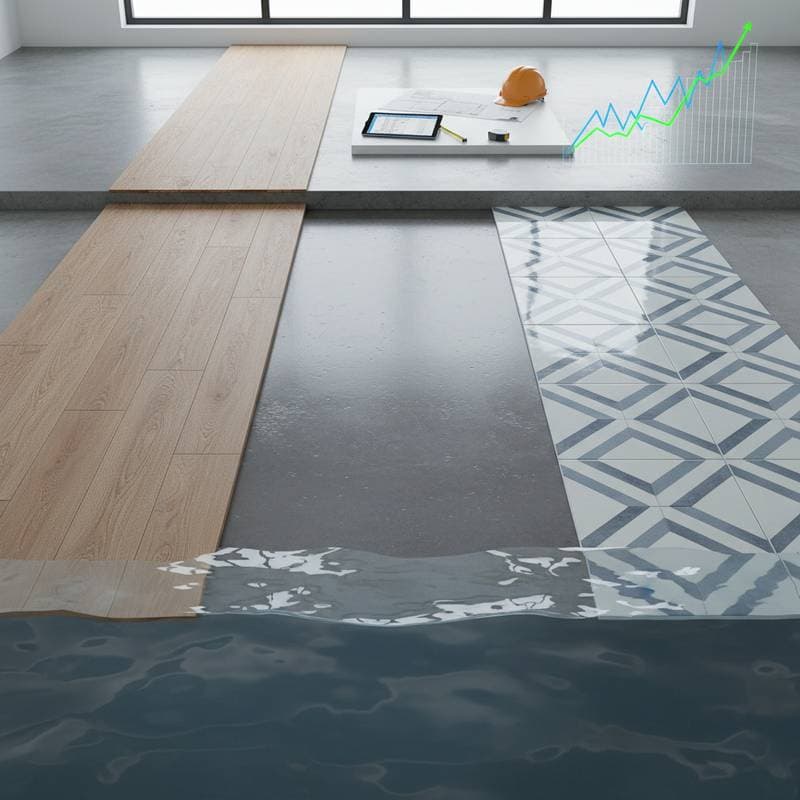
Pricing varies by material type. Vinyl plank flooring starts at $4.50 per square foot, making it an affordable entry point with easy installation. Premium options like porcelain tile or epoxy coatings reach $11 per square foot, providing superior longevity and aesthetic appeal.
Labor accounts for 40 to 60 percent of total costs, influenced by regional rates and subfloor preparation needs. In high-risk zones, additional features such as enhanced vapor barriers increase expenses by 15 to 20 percent. Homeowners benefit from comparing quotes to identify value-driven solutions.
Key Materials and Their Pricing
Vinyl plank flooring offers waterproof cores and realistic wood or stone visuals, priced at $4.50 to $7 per square foot installed. It suits basements and kitchens where moisture lingers. Durability reaches 20 to 30 years with proper care.
Porcelain or ceramic tiles provide exceptional water resistance, costing $6 to $10 per square foot including grout and sealing. These materials excel in high-traffic areas and resist staining from spills. Installation requires skilled professionals to ensure level surfaces and tight joints.
Sealed concrete or epoxy systems transform existing slabs into impermeable floors for $5 to $9 per square foot. Epoxy adds a seamless, glossy finish ideal for garages. Concrete sealing extends subfloor life, reducing future repair needs.
Engineered waterproof laminates fall between vinyl and tile at $5.50 to $8 per square foot. They mimic hardwood textures while repelling water. Selection depends on room use, aesthetics, and budget constraints.
Tools and Safety for Installation
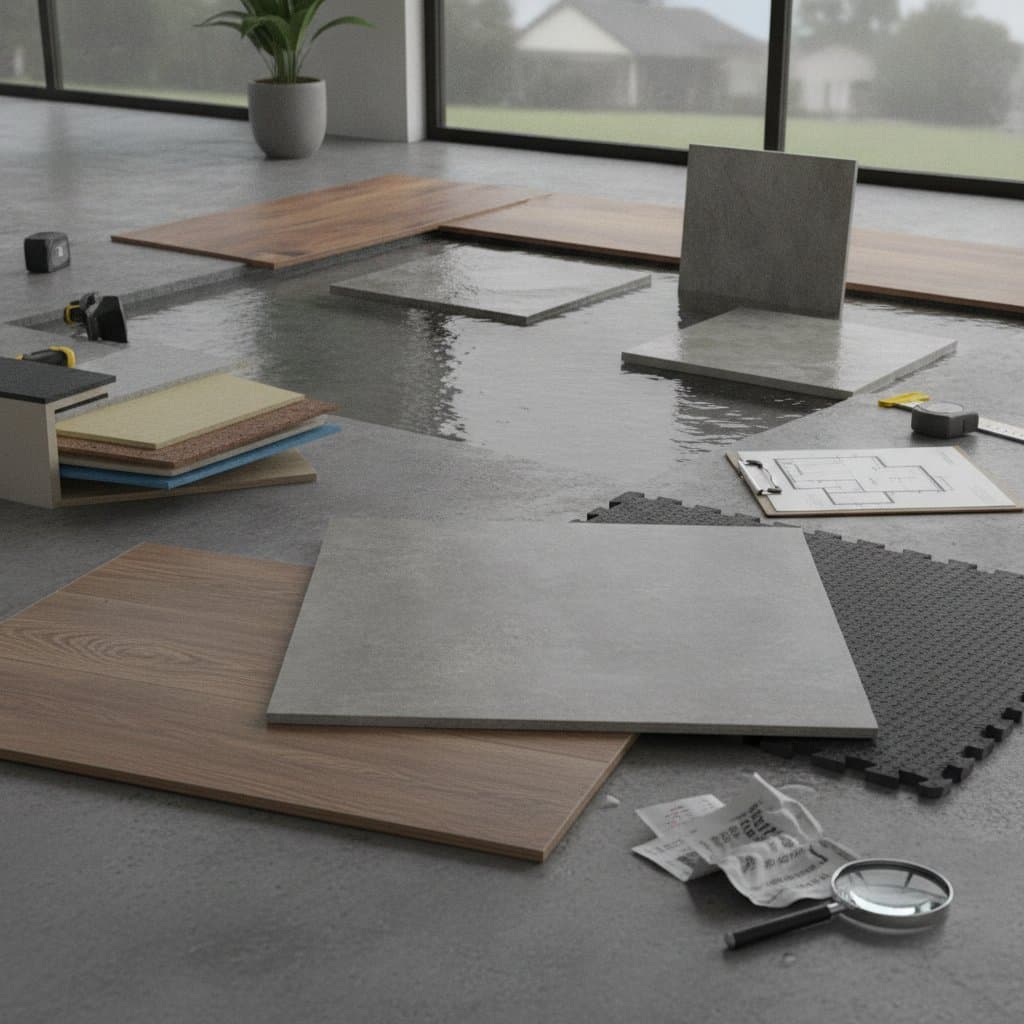
Essential tools include a utility knife, tapping block, spacers, and measuring tape. Optional items such as a circular saw, jigsaw, and floor roller aid in precise cuts and smoothing. These ensure professional results without excessive wear on materials.
Safety gear comprises gloves, respirator, knee pads, and safety glasses. Proper equipment protects against dust, sharp edges, and repetitive strain. Always work in well-ventilated spaces to avoid inhaling adhesives or sealers.
Step-by-Step Installation Guide
Preparation Phase
Test subfloor moisture with a digital meter; readings must stay below 5 percent per manufacturer guidelines. Remove existing flooring like carpet or laminate, then scrape away adhesive remnants. Inspect for damage and repair cracks using hydraulic cement or level uneven areas with self-leveling compound.
Install a vapor barrier by unrolling 6-mil polyethylene sheeting with 6-inch overlaps. Secure seams using waterproof tape to block moisture migration. This foundational step prevents long-term issues in damp environments.
Layout and Cutting
Measure room dimensions and dry-fit the first row to verify even edge cuts. Acclimate materials indoors for 48 hours to match ambient humidity. Plan staggering to distribute seams evenly across the floor.
Cut vinyl planks by scoring with a utility knife and snapping along the line. Employ a jigsaw for obstacles like vents or door frames. Precision here minimizes waste and ensures seamless fits.
Assembly and Finishing
Position the first row using 1/4-inch spacers along walls for expansion. Lock planks together end-to-end, maintaining alignment. Proceed with subsequent rows, offsetting seams by at least 6 inches and tapping joints firmly with a block.
Fit the final row to width, remove spacers, and reinstall baseboards. Inspect all seams for tightness, wiping the surface clean. Apply vinyl seam sealer to any minor gaps for added protection.
Quality Checkpoints
- Verify a solid feel underfoot with no hollow echoes.
- Confirm all joints lock securely without visible separations.
- Ensure consistent expansion gaps around perimeter edges.
Project Timeline and Logistics
Material lead times differ by type. Stock items like standard vinyl arrive quickly, while custom tiles or imports require 4 to 6 weeks. Order ahead of demolition to maintain project momentum.
Crew timelines vary with scope. A small room takes 1 to 2 days, a full replacement spans 3 to 5 days, and tile or epoxy installations extend to 7 days due to curing periods. Factor in drying times to avoid rushed finishes.
Incorporate inspections at key stages. Examine the subfloor post-removal for rot or structural flaws. Review vapor barrier placement before proceeding, and conduct a final walkthrough to approve work quality prior to payment.
Ongoing Maintenance Practices
Maintain floors through weekly sweeping or vacuuming with soft brushes. Clean using pH-neutral solutions to preserve seals and finishes. Avoid steam mops on vinyl or laminate surfaces, as heat can compromise adhesives.
Place thin area rugs to distribute weight without trapping humidity. Promptly address spills to prevent seepage. Regular upkeep extends lifespan and preserves warranty coverage.
Identifying Issues Early
Peeling seams suggest moisture entrapment or adhesive failure. Cloudy spots on sealed concrete indicate surface penetration. Grout cracks in tiles point to subfloor shifts or inadequate bonding.
Repair Decisions
Replace individual damaged planks for minor issues. Opt for full replacement if widespread lifting or subfloor distortion occurs. Reseal epoxy or concrete every 5 to 7 years to sustain waterproofing.
Considerations by Region
In coastal or riverine areas, labor rates rise due to high demand and rigorous building codes. Select barriers with elevated perm ratings for optimal protection, though they elevate initial costs.
Inland dry zones benefit from flood-resistant choices in moisture-prone spots like basements. Acclimate planks for 48 hours to counteract low humidity shrinkage. These adaptations ensure stable performance.
Cold regions face freeze-thaw stresses on concrete bases. Choose flexible sealers designed for temperature fluctuations. Integrate radiant heating under tiles or vinyl to enhance drying and comfort.
Finalizing Your Flood-Resistant Upgrade
Effective planning transcends material selection to encompass risk assessment, foundation analysis, and thorough preparation. Prioritize subfloor treatments and vapor safeguards before aesthetic decisions. Documentation of installations supports insurance claims and appeals to future buyers seeking verified protections.
Allocate budget across the entire system, including barriers, adhesives, and transitions. This comprehensive approach yields upfront savings against flood-induced losses. With detailed quotes and methodical execution, your flooring endures rising waters while enhancing home resilience.