Granny Flat Costs in 2026: Essential Insights for Smart ADU Investments
Accessory dwelling units, commonly known as granny flats, attract homeowners who desire extra income, adaptable family living arrangements, or enhanced property value. These structures function as separate backyard units or additions to existing homes and introduce both benefits and challenges. Homeowners must grasp the financial and operational details prior to starting construction. This guide examines the cost breakdown, service approaches, and protective measures that shape the success of a granny flat project.
Defining the Project Scope
A granny flat initiative encompasses design, permitting, site preparation, construction, utility connections, and final inspections. Distinct experts handle each phase, including architects, contractors, and municipal officials. Coordination among these parties demands careful attention, which many homeowners overlook. Service providers frequently present integrated packages for ease, but concealed expenses and restrictions often surface during permitting or utility work. Homeowners benefit from scrutinizing every contract provision to avoid unforeseen costs.
Key Cost Elements
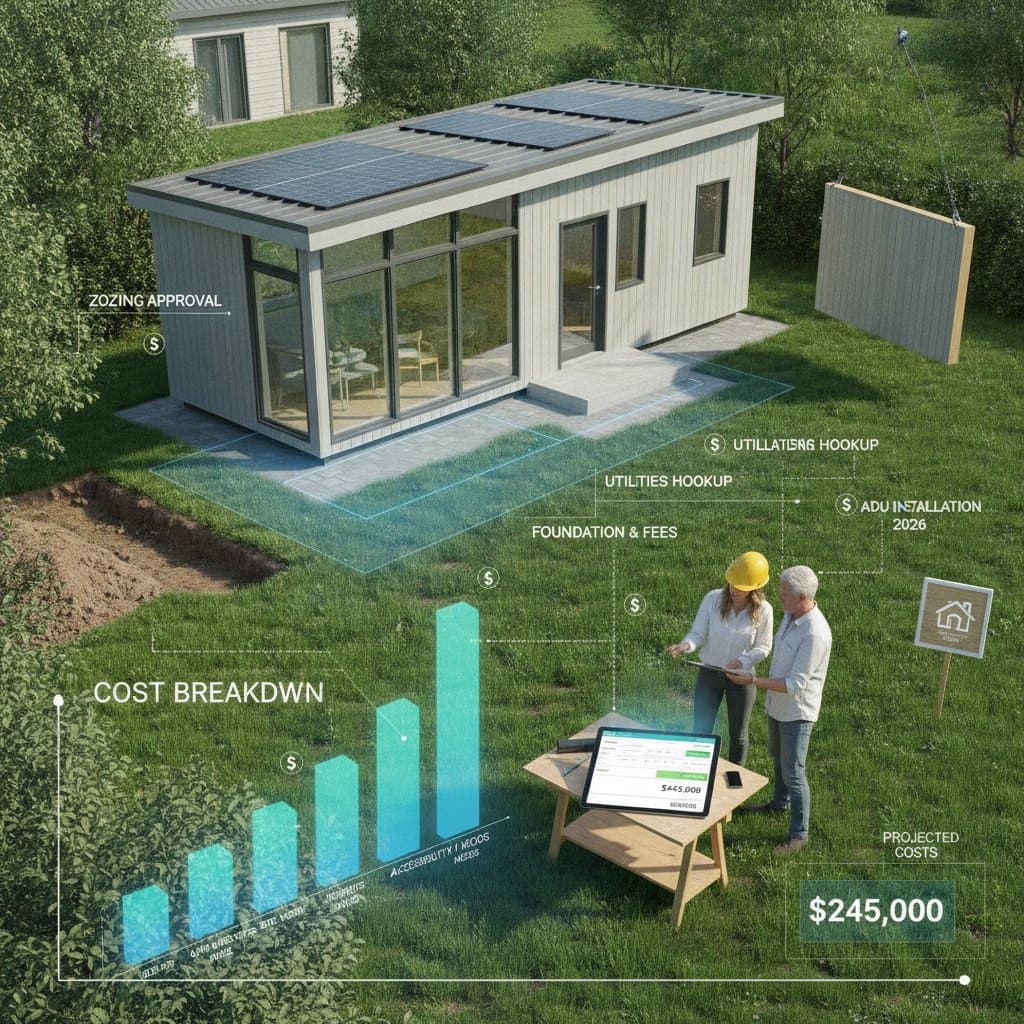
Costs for granny flats fluctuate based on unit size, material selections, and site specifics. The primary components include the following:
- Design and Permitting: Fees cover architectural plans, engineering assessments, and city approvals. Expenses increase with needs for zoning exceptions or geotechnical reports.
- Foundation and Framing: Labor and materials for concrete bases, wooden frameworks, and structural supports form a substantial portion. Site adjustments for grading or drainage often generate additional charges.
- Utility Integrations: Connections for electricity, water, and sewage rely on proximity to the primary home. Utility providers impose separate fees for hookups and verifications.
- Interior Elements: Choices in flooring, cabinets, illumination, and appliances influence this category. Premium selections typically exceed preliminary estimates.
- Site Finishing: Tasks such as driveway additions, boundary fencing, and landscape recovery finalize the work, yet these items seldom appear in base proposals.
Homeowners secure better control by obtaining detailed, itemized estimates that highlight potential add-ons or omissions.
Assessing Financial Returns and Projections
The worth of a granny flat hinges on build quality, regional rental markets, and appraisal guidelines. Rental revenue appears promising at first, but deductions for taxes, insurance, and upkeep diminish net gains. Conduct a break-even calculation by pitting total build expenses against anticipated earnings across several years.
Consider a standard 600-square-foot unit with a construction price of $150,000 to $250,000, plus yearly upkeep of $2,000 to $4,000 for utilities and repairs. If area rents average $1,500 monthly, recovery spans eight to fifteen years. For those prioritizing family accommodations over income, the focus shifts to utility and convenience. This dual evaluation of monetary and lifestyle factors guides informed choices.
Reviewing Contract Details and Protections
Design-build companies provide all-inclusive packages that simplify the process. Such agreements, however, feature intricate terms on budget excesses, modifications, and guarantees. Prior to commitment, examine these aspects:
- Work Scope Outlines: Verify listings for all stages, from permit acquisition to inspection handling.
- Modification Protocols: Clarify procedures for approving and recording cost changes.
- Guarantee Provisions: Confirm coverage for issues like foundation shifts, roof defects, or system malfunctions.
- Payment Timelines: Opt for schedules tied to project milestones over large initial sums.
- Conflict Mechanisms: Note requirements for negotiation or arbitration prior to court proceedings.
Ambiguous wording typically advantages the provider. Engage a legal expert or construction advisor for contract evaluation to safeguard interests.
Identifying Common Omissions
Knowledge of contract gaps proves vital alongside inclusions. Frequent exclusions encompass:
- Charges from utilities for infrastructure enhancements
- Landscape design and hardscaping
- Municipal development or educational levies
- Modifications to primary residence systems for regulatory adherence
- Remedies for unforeseen ground or water flow problems
Contractors may disclaim these responsibilities, shifting burdens to owners. Develop a comprehensive pre-build inventory to confirm coverage of all essentials and avert conflicts during execution.
Evaluating Construction Approaches
Three primary methods exist for granny flat development:
| Approach | Cost Structure | Included Services | Limitations | Notable Gaps |
|---|---|---|---|---|
| Design-Build | Fixed or variable total | Full project management from plans to finish | Reduced customization | Utility upgrades, site restoration |
| General Contractor | Hourly or project fee | On-site building and oversight | No planning or approvals | Architectural design, permitting |
| Owner-Led | Direct payments to vendors | Customizable elements | Owner handles all logistics | Risk of delays, compliance errors |
Design-build options streamline efforts at the expense of adaptability. General contractors grant oversight while necessitating external planning support. Self-management lowers expenses but invites pitfalls from coordination lapses or regulatory oversights. Analyze each under uniform budget scenarios to select the optimal route.
Navigating the Construction Timeline
- Preliminary Meeting: Share site details, regulations, and objectives with a designer.
- Site Assessment: Surveys evaluate boundaries, utilities, and ground conditions.
- Planning and Calculations: Develop blueprints and engineering data for submission.
- Approval Process: Await city feedback, which may span one to three months with possible alterations.
- Building Phases: Progress through base work, structural assembly, systems installation, and interiors.
- Closing Verification: Officials inspect for standards conformity before certifying use.
- Handover Procedures: Receive warranty details and care guidelines.
Anticipating this sequence facilitates accurate timelines and budgeting. Interruptions at any point elevate financing charges or defer revenue.
Implementing Safeguards for Finances
Strengthen project security with these tactics:
- Fixed-Cost Agreements: Shield against rising material prices.
- Completion Guarantees: Bind contractors to deliverables via bonds.
- Release Forms: Block subcontractor claims post-payment.
- Third-Party Checks: Employ neutral experts at critical junctures for quality assurance.
- Buffer Funds: Allocate ten to fifteen percent of the budget for surprises.
These steps establish a robust defense, minimizing chances of incomplete or inferior results.
Managing Post-Build Expenses and Care
Once operational, a granny flat incurs routine costs. Systems for water, heating, and roofing need regular checks. Overlooking small fixes accelerates deterioration and impairs leasing potential. Allocate one to two percent of build costs annually for preservation. Consistent attention upholds code compliance, influencing coverage and tenant suitability.
Maximizing Investment Outcomes
Effective granny flat ventures integrate build efficiency, enduring functionality, and economic viability. Treat the endeavor as a structured enterprise to yield superior results. Solicit competitive proposals, authenticate provider qualifications, and monitor spending for cost transparency.
This disciplined method transforms potential hazards into dependable assets. Through meticulous cost review, agreement documentation, and sustained supervision, homeowners secure enhanced value, versatile spaces, and lasting financial steadiness.