Concealed Costs to Anticipate
Structural Enhancements
Solar tiles add 3 to 5 pounds per square foot more weight than standard shingles. Roofs built before 1980 often require supplemental rafters, sistering beams, or truss modifications. These upgrades typically cost $500 to $5,000, varying with the extent of reinforcement and chosen materials like engineered lumber.
Electrical System Modifications
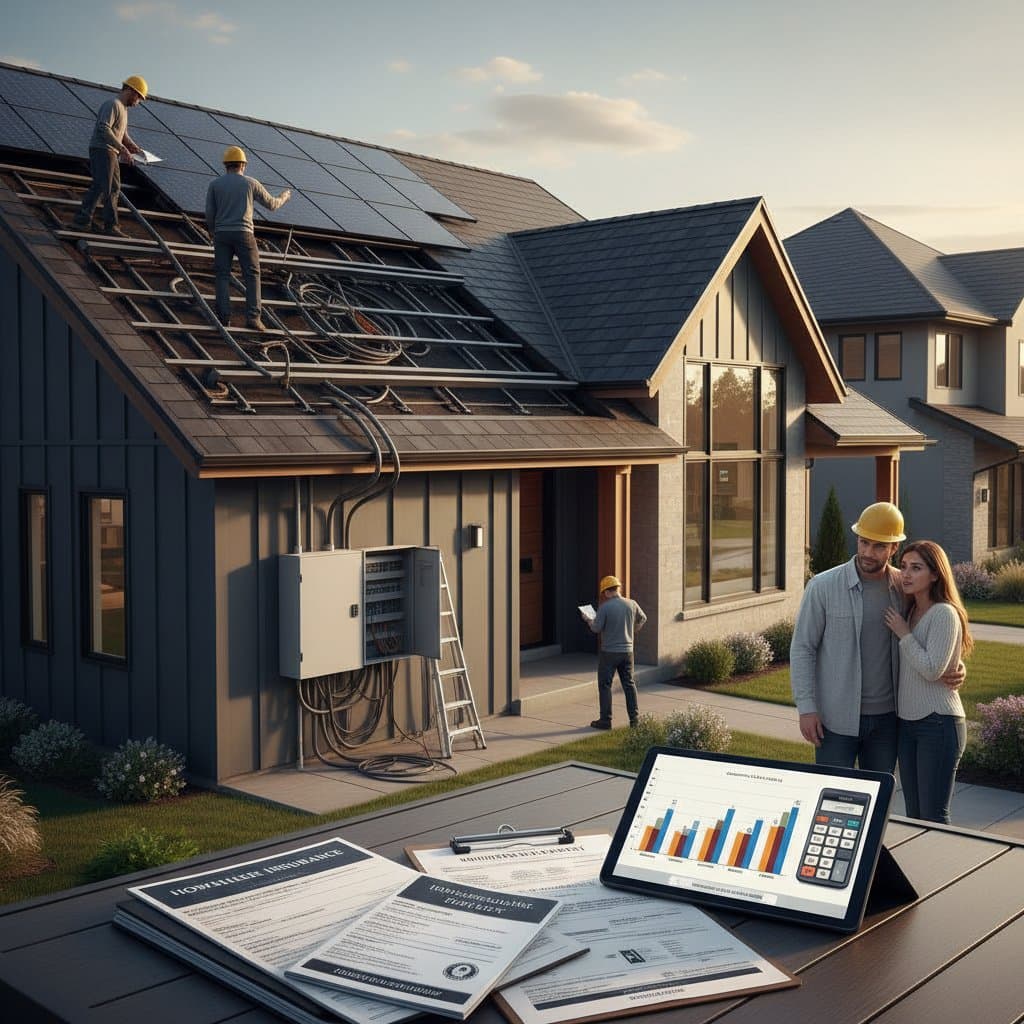
Many homes feature 100- or 200-amp service panels insufficient for solar input. Expanding to a 400-amp panel or installing a dedicated subpanel involves rewiring and may require trenching for new conduits. Such work adds $1,000 to $3,000 to the total.
Pre-Installation Roof Repairs
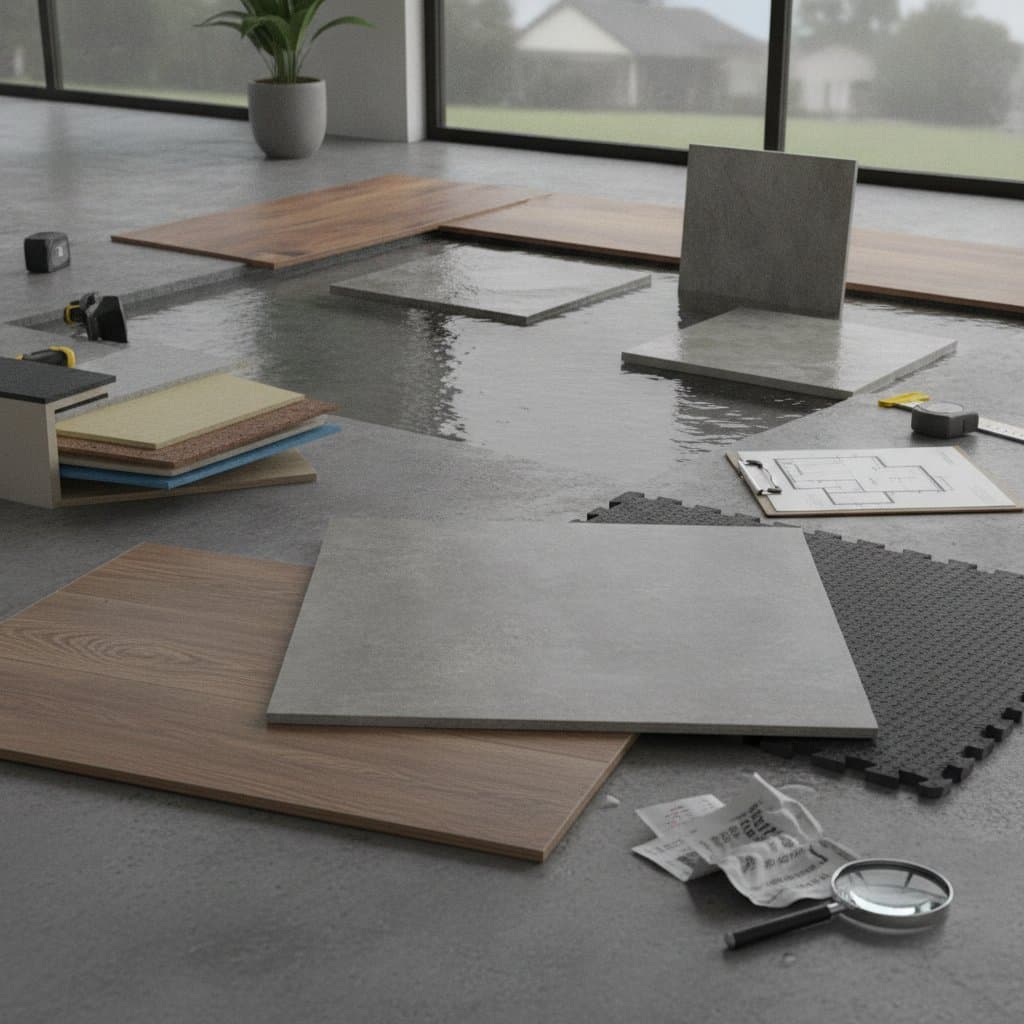
During tear-off, inspectors frequently discover moisture damage, pest infestations, or weakened sheathing. Remediation, including drying out affected areas and installing new OSB panels, costs $1,000 to $4,000 for an average-sized roof.
Permitting and Engineering Expenses
Beyond basic fees, complex projects demand stamped drawings from structural engineers and electrical schematics. In areas with historic preservation overlays or seismic requirements, additional consultations push costs to $1,000 or more.
Energy Storage Additions
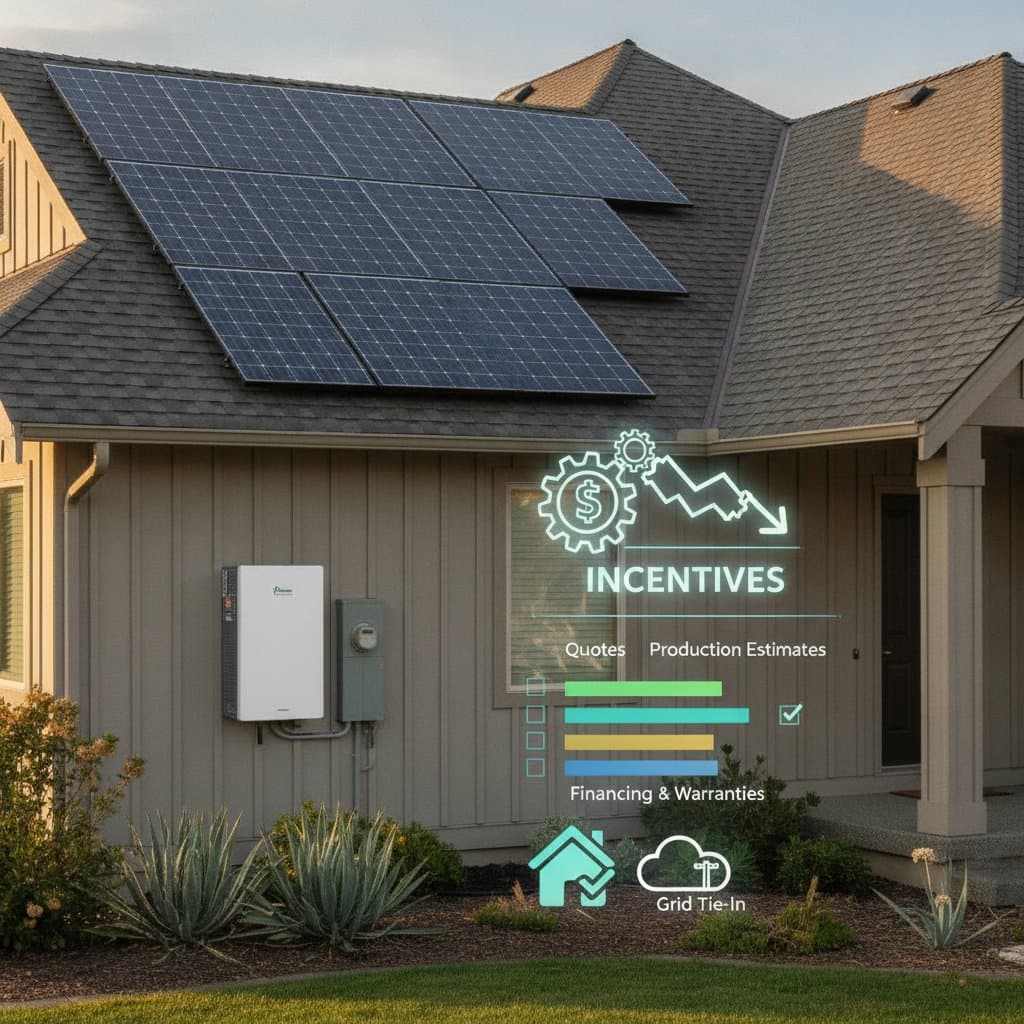
Solar roofs generate power but do not retain it without batteries. Integrating a system like a 10-13 kWh unit requires dedicated space, reinforced mounting, and compatible inverters, totaling $5,000 to $15,000.
Warranty Limitations
Traditional roof warranties may become invalid upon integration of solar components. Solar manufacturers provide coverage for power output, typically 25 years, but separate policies for leaks or structural integrity add $500 to $2,000 annually if not bundled.
Insurance Premium Adjustments
The elevated replacement value of a solar roof increases policy premiums by 10 to 20 percent. Insurers often stipulate proof of professional installation, annual inspections, and coverage for electrical hazards.
Future Removal and Reinstallation
Repairing leaks or replacing sections involves disconnecting and lifting multiple tiles, far more labor-intensive than panel arrays. This process can double costs to $10,000 or higher for partial roof work.
Overall Cost Breakdown
Standard price range: $45,000 to $80,000 for a complete 2,000- to 3,000-square-foot installation.
Cost escalators: Larger roof areas, multi-pitched designs, inclusion of battery storage, high-end tile materials, and elevated labor rates in urban markets.
Cost reducers: Straightforward gable roofs, partial south-facing coverage, and federal tax credits up to 30 percent or state rebates.
Replacement threshold: Opt for full replacement if over 30 percent of tiles malfunction or the underlying deck shows signs of 20-plus years of wear.
DIY Feasibility Versus Professional Services
Suitable DIY tasks: Preliminary site preparation, such as attic ventilation improvements, tree pruning for better sunlight, or insulation enhancements to optimize efficiency.
Essential professional involvement: Any structural alterations, electrical connections, or permitting submissions. Errors in these areas risk warranty invalidation, safety hazards like electrical fires, or fines from code violations.
Professional advantages: Experts manage integrated inspections, apply industrial-grade sealants to prevent leaks, and conduct comprehensive performance testing with calibrated equipment.
Ongoing Maintenance Strategies
Recommended schedule: Biannual visual and functional checks, ideally in spring and fall.
Key activities:
- Gently clean tiles using a garden hose on low pressure to clear debris and pollen buildup.
- Examine flashing, seals, and tile edges for cracks or displacement.
- Monitor inverter displays and app data for output anomalies, such as sudden 10 to 20 percent drops indicating shading or faults.
Expected benefits: Consistent energy production, extended system lifespan beyond 25 years, and minimized repair needs.
Viable Alternatives
Traditional Rooftop Panels: Prioritize affordability and straightforward upkeep. The main compromise involves a less integrated visual profile with visible racking.
Hybrid Solar Shingles: Apply to sun-exposed sections only, reducing material needs by 40 to 60 percent compared to full replacement.
Ground-Mounted Arrays: Ideal for shaded or aging roofs. Requires available land and underground cabling, but simplifies future expansions.
Common Questions
Will a solar roof lead to leaks?
Proper installation minimizes risks, as tiles overlap like traditional materials. Leaks typically stem from improper flashing or sealant application; confirm the installer's credentials in both roofing and solar specialties.
Is individual tile replacement possible?
Yes, but it entails accessing and detaching wiring from adjacent units. Expect labor charges of $200 to $500 per tile, plus potential downtime during repairs.
Steps to Proceed Confidently
Request a comprehensive quote that itemizes every phase, from structural assessments to final activations. Confirm licensing for all trades involved and review insurance proofs. Weigh the solar roof against combining a standard re-roofing with bolt-on panels, which often proves more cost-effective and serviceable. With thorough preparation, homeowners secure the aesthetic and efficiency benefits while sidestepping common financial pitfalls.