Expected ROI: 55 to 70 percent, with greater returns in high-risk areas
Data as of: March 2026
Detailed Cost Analysis
Cost Components
| Item | Unit Cost | Typical Quantity | Line Total | Notes |
|---|---|---|---|---|
| Impact-resistant shingles (Class 4) | $4.50 to $8.00 per sq. ft. | 2,000 sq. ft. | $9,000 to $16,000 | Varies by brand and warranty length |
| Underlayment and ice barrier | $0.75 to $1.25 per sq. ft. | 2,000 sq. ft. | $1,500 to $2,500 | Essential for water resistance |
| Roof deck repairs (if required) | $2.00 to $4.00 per sq. ft. | 300 sq. ft. | $600 to $1,200 | Addresses sheathing damage or rot |
| Flashing, vents, sealants | Lump sum | N/A | $800 to $1,500 | Standard for average homes |
| Labor | $3.50 to $6.00 per sq. ft. | 2,000 sq. ft. | $7,000 to $12,000 | Includes skilled workers and safety equipment |
| Disposal and cleanup | Lump sum | N/A | $400 to $800 | Covers dumpster rental and site restoration |
| Permit and inspection fees | Lump sum | N/A | $150 to $400 | Depends on local regulations |
Overall estimate: $10,200 to $26,000
Premium options (metal, composite, cool membranes): $25,000 to $45,000
Optional Upgrades
- Solar-ready flashing: $500 to $1,200 for future panel compatibility
- Gutter replacement: $1,000 to $2,500
- Attic ventilation improvements: $700 to $1,500
- Insurance documentation: $200 to $400 for certified reports
Influences on Total Cost
Project expenses depend on several elements. Roof size and complexity dictate material needs and labor time; intricate designs with multiple angles demand extra flashing and waste management. Higher-grade materials like metal tiles for hail and fire resistance exceed basic shingle prices, while cool-roof coatings add 10 to 20 percent for reflectivity.
Site challenges, such as steep pitches or poor access, require additional equipment and time. Labor rates fluctuate with seasonal demand; post-storm periods elevate costs, but off-peak timing offers 5 to 15 percent savings. Unexpected repairs, like fascia work or insulation additions, can increase the budget significantly.
Professional Installation Essentials
Homeowners should limit involvement to preparatory steps. Clear yard debris, protect landscaping, and disconnect accessible fixtures like satellite dishes. Note any attic issues, such as insulation gaps or moisture, for the crew.
Professionals manage critical phases: roof removal, structural assessments, underlayment application, and secure fastening per manufacturer guidelines. They ensure proper ventilation and waterproofing details. Attempting these tasks risks falls, electrical hazards, and code violations that could invalidate insurance or warranties.
Certified installers qualify for full manufacturer coverage, often 5 to 15 years on labor. DIY efforts typically restrict protection to material defects alone.
Strategies to Reduce Expenses
Obtain itemized bids from three contractors to identify value differences. Inquire about rebates from utilities or states for energy-efficient roofs. Select mid-tier Class 4 shingles for reliable performance at a reasonable premium over basic options.
Time projects for slower seasons to avoid rate hikes. Combine related upgrades, like gutters, to share setup costs. Steer clear of unproven products that might fail under stress or inspections.
Bid Evaluation Guide
- Verify itemized breakdown of materials and labor
- Confirm material specifications and brands
- Ensure inclusion of preparation, cleanup, permits, and disposal
- Review warranty details and project timeline
- Link payments to completion milestones
Area-Specific Considerations
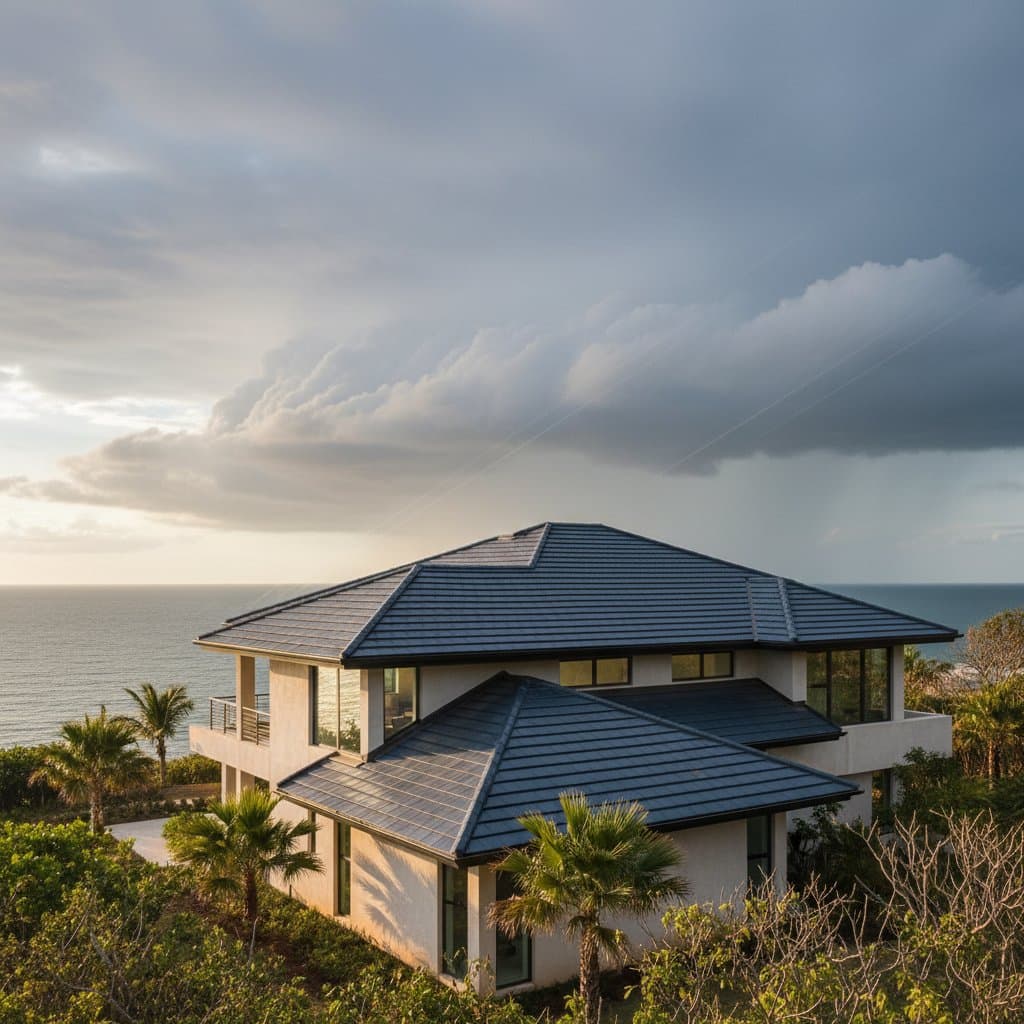
In coastal areas, opt for corrosion-resistant stainless steel components to combat salt exposure. Hail-prone zones benefit from Class 4 ratings or metal panels to secure insurance reductions. Wildfire regions require Class A fire-rated choices like clay or metal.
For intense sun exposure, prioritize high solar reflectance index (SRI) materials above 75 to cut attic heat and cooling demands.
Contractor Selection Process
Seek licensed professionals with liability and workers compensation insurance. Confirm certifications for specific materials to uphold warranties. Contact recent clients for feedback on similar projects.
Examine sample products for quality indicators like thickness and reinforcement. Discuss ventilation plans to prolong roof integrity. Secure a detailed contract outlining scope, timeline, and payments.
Standard Payment Structure
- Initial deposit: 10 to 20 percent for materials
- Progress payment: Upon underlayment completion
- Balance: After final inspection and cleanup
For oversight, focus on ground-level tasks like attic checks. Avoid roof access without proper safety gear.
Project Timeline
Materials arrive in 1 to 3 weeks for shingles, 3 to 6 weeks for metal systems, and up to 8 weeks for custom finishes. On-site work spans 4 to 10 days: 1 to 2 for demolition and repairs, 1 for underlayment, 2 to 5 for installation, and 1 for finishing touches.
Schedule inspections at key stages: deck integrity, fastening accuracy, sealing quality, and overall resilience.
Ongoing Upkeep and Durability
Conduct ground-based inspections biannually with binoculars. Maintain clear gutters and trim overhanging branches. Monitor attics post-storm for signs of intrusion.
Watch for granule erosion indicating wear, curling from ventilation issues, loose seals from movement, or discoloration signaling leaks. Seal minor damages promptly; pursue full replacement for extensive issues like rot.
These roofs endure 25 to 50 years based on material and conditions.
Securing Your Upgrade
A resilient roof safeguards against weather extremes, enhances efficiency, and boosts property appeal. It minimizes repair needs, qualifies for premium discounts, and trims energy use. Longevity also supports environmental goals by reducing replacements.
Assess local threats like wind or heat to justify the investment. Gather bids from qualified experts, scrutinize warranties, and align ratings with hazards.
For aging roofs, this upgrade delivers security and market value. Transferable protections attract buyers, while daily benefits include cooler interiors and reliability.
Essential Implementation Advice
- Archive all documentation, from specs to photos
- Observe demolition to identify concealed problems
- Evaluate ridge cap options for sealing and aesthetics
- Specify self-sealing fasteners to prevent leaks
- Verify ventilation balance to avoid heat buildup
- Conduct a thorough final review of installations
This investment fortifies your home, optimizes comfort, and preserves equity amid evolving climates. Professional execution ensures enduring protection.