2025 Design and Build Costs for Multigenerational Homes
Multigenerational homes go beyond basic design to accommodate diverse family needs. These structures require a comprehensive financial strategy that covers every construction phase, from initial sketches to final walkthroughs. Families navigating this project must weigh decisions on space allocation, accessibility features, privacy levels, and communal areas. A methodical process integrating cost reviews, service assessments, and future-oriented planning safeguards investments while fulfilling practical and relational requirements.
Defining Multigenerational Design Essentials
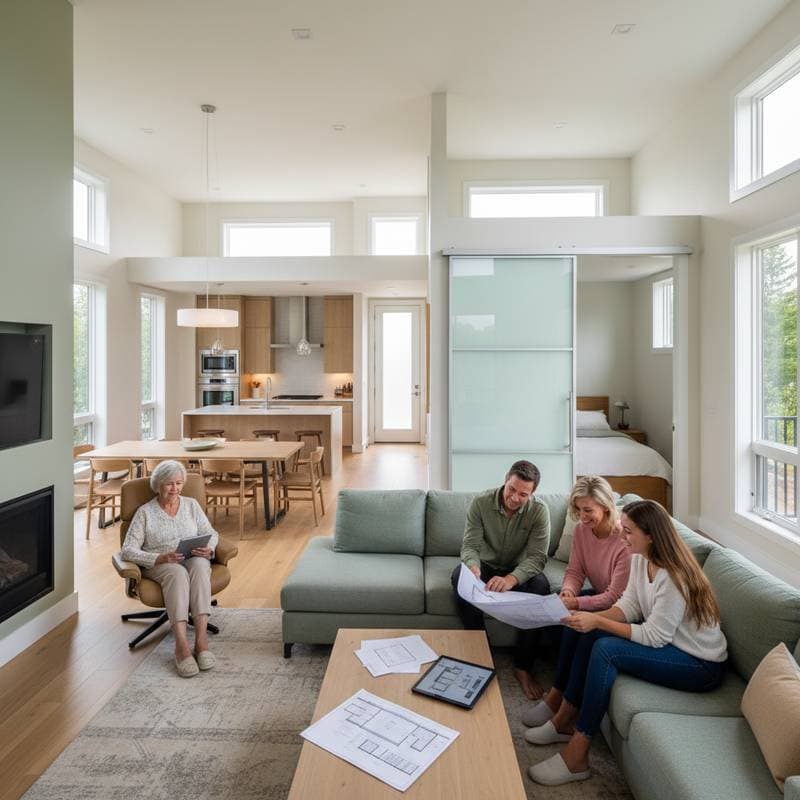
Multigenerational homes combine living areas under one roof or in linked buildings. Configurations often feature a main house, a dedicated suite for elders, and an accessory dwelling unit known as an ADU. The objective centers on promoting autonomy alongside family connectivity.
Design professionals typically organize these homes into three functional tiers. Shared zones encompass kitchens and gathering rooms for collective use. Semi-private areas include guest rooms or lower-level apartments with partial separation. Independent units provide full amenities like separate kitchens, bathrooms, and exterior access. Each tier introduces added layers of intricacy, influencing design expenses, regulatory approvals, and building outlays.
Breaking Down the Cost Structure
Multigenerational project pricing varies based on scale, material choices, and service providers. A detailed cost dissection clarifies fund allocation for homeowners.
Base costs start with design fees, which architects charge at six to ten percent of the overall budget. Engineering evaluations, structural analyses, and permit filings contribute another two to five percent. Site work, such as land grading and foundation laying, accounts for ten to fifteen percent of expenses.
Supplementary expenses arise from accessibility enhancements and sustainability features. Elements like broader doorways, level entries, and support bars add thousands to the total. Upgrades including advanced insulation, solar-compatible wiring, and partitioned heating systems elevate initial costs yet lower future utility bills.
Allowance restrictions in contracts often limit standard materials and labor. Builders provide basic finishes within a set budget, with upgrades for superior flooring, cabinets, or fixtures billed additionally. Such extras frequently comprise ten to twenty percent over preliminary quotes.
Ongoing expenses encompass upkeep, elevated property taxes, and higher utilities due to expanded square footage. Families should allocate funds for later modifications, like adapting ground-floor areas for mobility needs as residents age.
Navigating the Design and Build Phases
Homeowners gain advantages by grasping each project stage prior to contract execution.
- Initial consultation allows owners to outline objectives, household details, and financial limits.
- Evaluation stage entails viability checks, zoning reviews, and property surveys. Designers confirm compliance with local rules for multiple kitchens or distinct entries.
- Approval sequence handles permit submissions and blueprint examinations. Certain areas mandate individual utility meters for ADUs, potentially extending timelines.
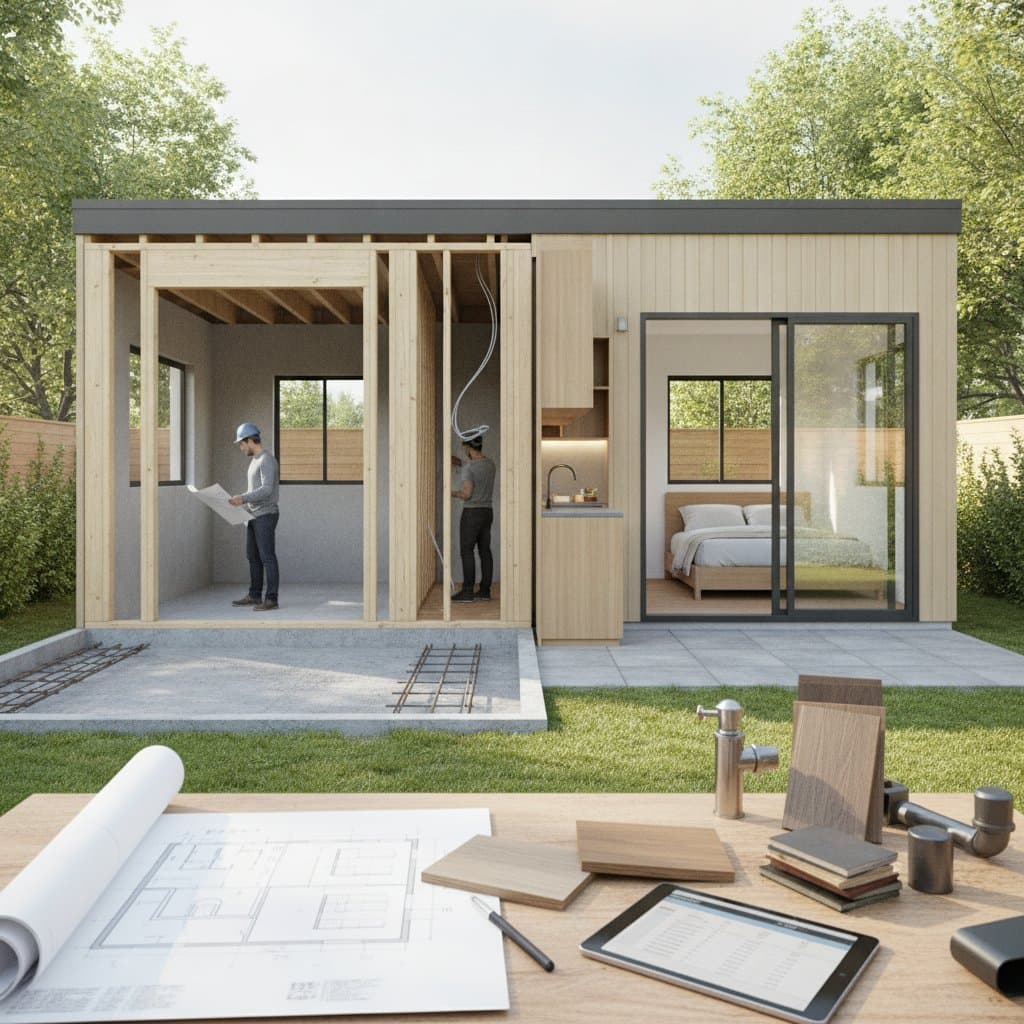
- Construction execution manages framing, piping, wiring, and interior work. Regular quality checks occur at key intervals.
- Completion tasks involve warranty activations, final corrections, and optional occupancy assessments.
Variations in costs emerge across phases. Alterations, unforeseen ground issues, or regulatory updates may increase expenditures by thousands. Strong dialogue with builders and thorough documentation shield owners from unwarranted fees.
Identifying Key Exclusions and Constraints
Contracts for design and construction often omit items that catch owners off guard. Outdoor elements like gardens, barriers, and pathway illumination typically exclude from base bids. Utility hookups for water, sewage, and electricity may incur separate charges.
Site-unique issues also prompt add-ons. Tasks such as boulder extraction, earth reinforcement, or water management arise during digging. Owners benefit from securing documented projections for these contingencies before budget finalization.
Existing site conditions influence totals as well. In established homes, abatement of hazards like asbestos or bolstering foundations for expansions counts as distinct undertakings with standalone billing. Overlooking these during initial reviews risks substantial later burdens.
Assessing Financial Impacts and Lifetime Costs
Ownership expenses for multigenerational homes surpass construction outlays. Considerations include shifts in insurance rates, tax assessments, and energy consumption over time.
Insurers might raise premiums for ADUs due to greater occupancy hazards. Appraisers assign higher valuations to multi-unit properties, raising yearly taxes. Conversely, leasing an autonomous unit generates revenue to counterbalance, subject to zoning laws and family dynamics.
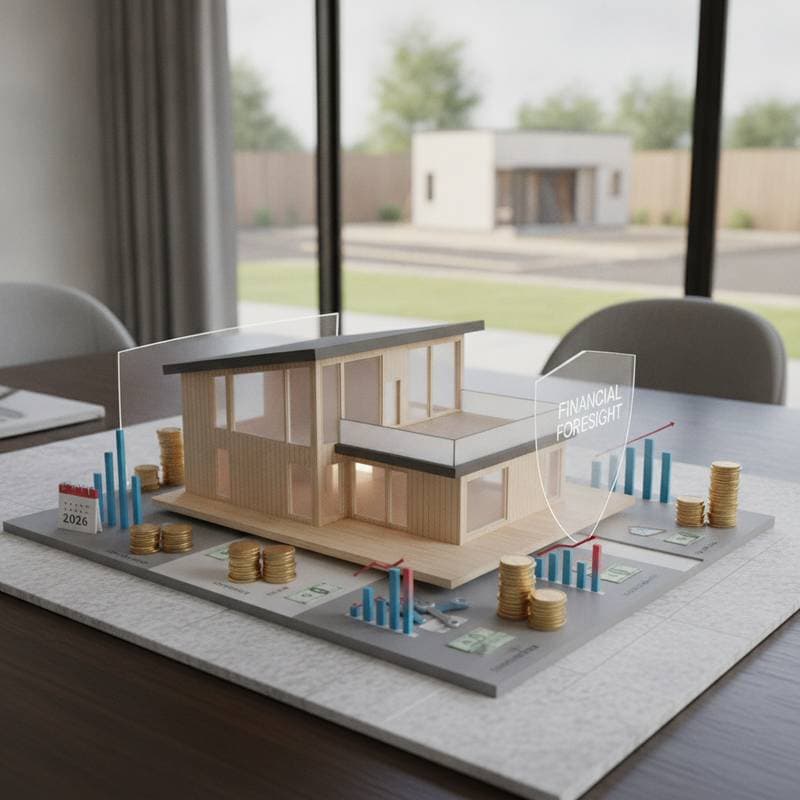
Conduct a break-even calculation to compare options like ADU additions versus standalone purchases. For instance, a $200,000 attached unit that eliminates $1,800 monthly rental for a family member recoups value in under a decade. Such evaluations ground choices in data, beyond sentiment.
Selecting Reliable Service Providers
Choosing a design-build team demands thorough vetting. Confirm credentials, coverage policies, and past performance records. Client testimonials highlight responses to surprises and budget drifts.
Scrutinize contracts meticulously. Seek definitions for modification protocols, alternate material approvals, and conflict resolutions. Steer clear of terms permitting one-sided price hikes absent documentation. Reputable firms detail inclusions and omissions upfront, clarifying fiscal duties.
Decoding Contract Details
Agreements outline payments linked to milestones. This framework benefits all sides but risks early disbursements if benchmarks lack precision. Tie releases to confirmed advances, backed by audits or visuals.
Warranties require close examination. Providers might restrict to framework elements, omitting craft errors or equipment malfunctions. Verify one-year protection for systems like plumbing and wiring. Extended terms become available through minor premium adjustments.
Safeguarding Your Multigenerational Investment
This home type embodies lifestyle and economic dedication. Protection starts with rigorous preparation. Keep records of discussions, sanctions, and transactions. Conduct interim site visits over end-stage reliance. Hire neutral experts for quality and adherence verification if needed.
Proactive upkeep forms another defense. Create a collective reserve for fixes and improvements. Regular attention to heating, roofs, and pipes averts minor problems from major crises. Consistent logs bolster asset worth and market appeal long-term.
Implementing Cost-Effective Strategies
Erecting a multigenerational home blends innovation with precision. It requires fiscal analysis, contractual acumen, and phased oversight. Approaching elements as strategic moves yields balanced, resilient family havens.