The Shift to Electric Appliances: A Smart Move for 2026
Homeowners face increasing pressure to adopt energy-efficient solutions amid rising utility costs and environmental concerns. In 2026, switching from gas-powered appliances to electric alternatives emerges as a practical choice. This transition not only aligns with broader sustainability goals but also delivers tangible financial and health benefits.
Gas appliances, while reliable, contribute to higher operational expenses over time. Electric models, powered by modern technologies, offer superior performance and integration with renewable energy sources. As utility providers incentivize electrification, the timing for upgrades proves ideal.
Financial Advantages of the Switch
One primary driver for change involves cost savings on energy bills. Electric appliances typically consume less power due to their efficient designs. For instance, an electric heat pump can reduce heating costs by up to 50 percent compared to a gas furnace, according to efficiency standards.
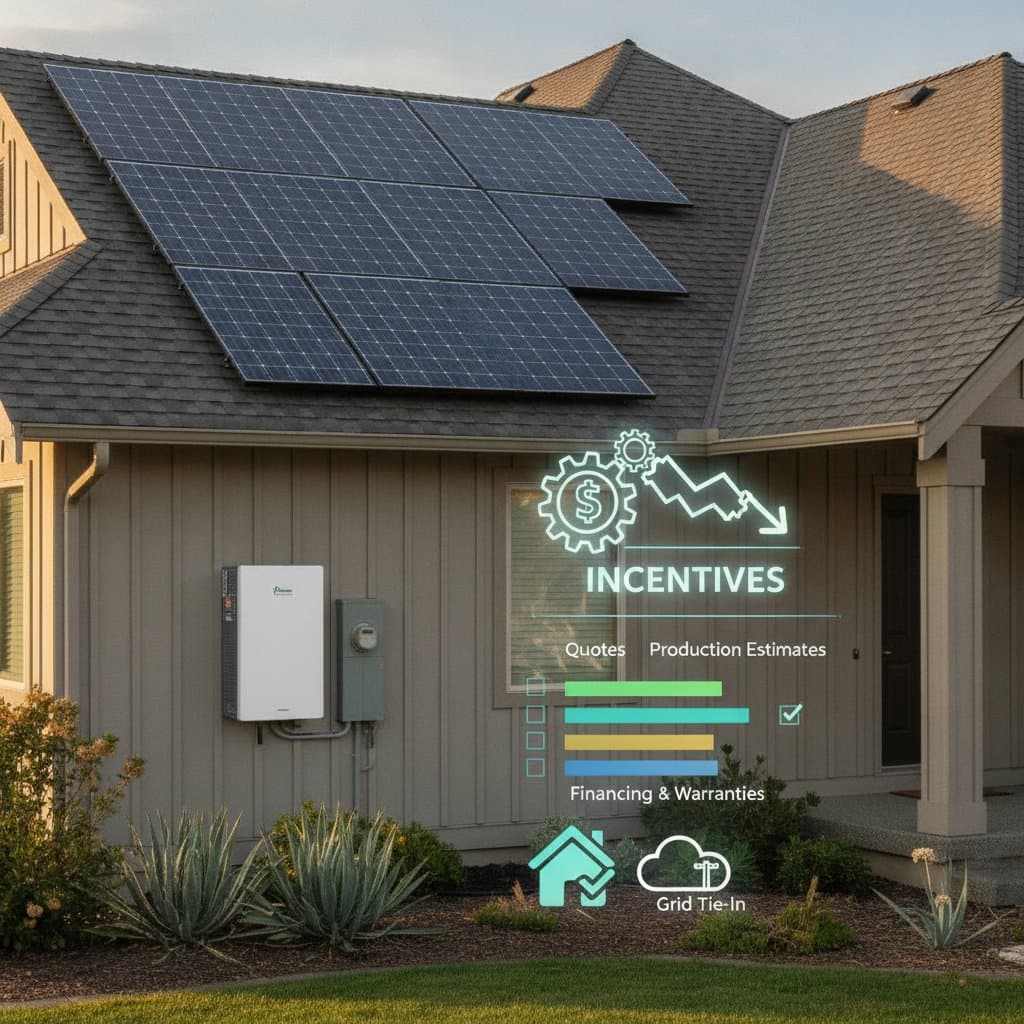
Rebates and incentives further accelerate returns on investment. Federal and state programs in 2026 provide credits for installing qualified electric systems. Homeowners might recover 30 to 50 percent of upfront costs through these measures, shortening payback periods to three to five years.
Long-term savings extend beyond immediate bills. Electric systems integrate seamlessly with solar panels, potentially eliminating energy expenses entirely in sunny regions. This setup positions households for financial stability as energy prices fluctuate.
Technological Efficiency and Performance
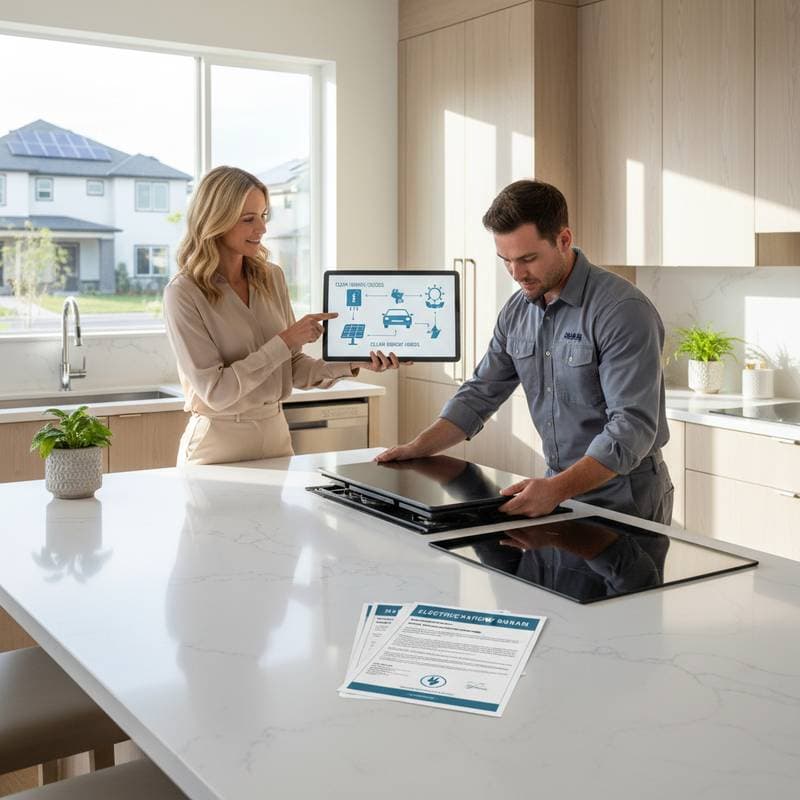
Electric appliances incorporate cutting-edge features that outperform their gas counterparts. Induction cooktops heat pots directly using electromagnetic fields, achieving precise temperature control and faster boiling times. These units also cool down quickly, enhancing kitchen safety.
Heat pumps serve as versatile solutions for heating, cooling, and water heating. Unlike gas systems that burn fuel, heat pumps transfer existing heat from the air or ground, operating at efficiencies exceeding 300 percent. In moderate climates, they maintain comfort with minimal electricity use.
Smart controls elevate usability. Many electric models connect to home automation systems, allowing remote adjustments and energy monitoring. This connectivity optimizes consumption, ensuring appliances run only when needed.
Health and Safety Improvements
Gas appliances release combustion byproducts like carbon monoxide and nitrogen dioxide, which can compromise indoor air quality. Electric options eliminate these emissions at the point of use, fostering a healthier living environment. Families with respiratory conditions benefit particularly from this cleaner operation.
Safety risks associated with gas lines, such as leaks, diminish with electrification. Electric systems require no venting or fuel storage, reducing fire hazards and maintenance demands. Regular inspections become simpler, focusing on electrical components rather than complex gas infrastructure.
On a broader scale, widespread adoption curbs reliance on fossil fuels. This shift supports community efforts to lower greenhouse gas emissions, contributing to improved regional air quality and public health outcomes.
Environmental Impact and Sustainability
The environmental case for electric appliances strengthens in 2026 as grids incorporate more renewables. Electricity from wind, solar, and hydro sources powers these devices with a lower carbon footprint than gas combustion. Over the appliance lifecycle, electric models generate fewer emissions.
Resource conservation plays a key role. Gas extraction and distribution strain natural habitats, whereas electric production leverages abundant materials. Upgrading to electric aligns homes with circular economy principles, where durable appliances last longer and recycle easily.
Future-proofing extends to regulatory compliance. As policies phase out gas infrastructure, electric homes avoid costly retrofits. This proactive approach safeguards property values and ensures adaptability to evolving standards.
Step-by-Step Guide to Upgrading
Assess your current setup before proceeding. Identify gas-dependent appliances like stoves, dryers, water heaters, and furnaces. Calculate potential savings using online energy calculators tailored to your location and usage patterns.
- Research eligible models: Select ENERGY STAR-rated electric appliances that meet efficiency benchmarks.
- Check incentives: Review available rebates from utilities and government programs specific to 2026.
- Consult professionals: Hire licensed electricians to evaluate your home's electrical capacity and recommend panel upgrades if necessary.
- Plan the installation: Schedule phased upgrades to minimize disruption, starting with high-impact items like heating systems.
- Monitor performance: After installation, track energy use to verify savings and adjust habits for optimal results.
Budgeting proves straightforward with financing options. Many manufacturers offer low-interest loans for efficient purchases, spreading costs over time.
Maximizing Rebates and Incentives
In 2026, incentive landscapes expand significantly. The Inflation Reduction Act continues to fund electrification, providing point-of-sale rebates up to $8,000 for heat pumps. State initiatives add layers, such as California's targeted credits for low-income households.
Utility companies roll out additional perks. Time-of-use rates reward off-peak electric usage, further trimming bills. Pairing upgrades with home insulation improvements amplifies rebate eligibility.
To claim benefits, gather documentation early. Receipts, model numbers, and installation proofs streamline applications. Professional audits, often subsidized, confirm compliance and unlock maximum funding.
Building a Resilient, Electric-Powered Home
Electrifying appliances transforms homes into efficient, secure havens. Savings accumulate steadily, health risks fade, and environmental contributions grow. Homeowners who act in 2026 position themselves ahead of the curve.
Start small if full overhauls seem daunting. A single induction cooktop upgrade demonstrates immediate benefits, paving the way for comprehensive changes. Embrace this evolution to enjoy a home that supports wellness, economy, and planetary health for years ahead.