1. Sealing the Foundation
Water infiltration through foundation cracks poses a primary threat during floods. Applying waterproof sealants and membranes creates a robust barrier that prevents moisture from seeping into walls and basements. Professionals often use epoxy injections for hairline fractures and sheet membranes for broader coverage, ensuring compliance with updated 2026 building codes that mandate enhanced hydrostatic pressure resistance.
Homeowners should prioritize this upgrade in flood-prone zones, as it directly reduces structural damage. The process involves cleaning surfaces, applying primer, and layering sealant, typically completed in one to two days. Regular inspections every two years help maintain effectiveness, extending the home's lifespan amid rising water levels.
2. Installing Flood Vents
Flood vents allow water to flow through enclosed spaces like crawlspaces, equalizing pressure and preventing wall collapse. Modern 2026 models feature automatic shutters that close during dry conditions to block pests and debris while opening under water force. These devices must meet FEMA standards, with one square inch of venting per square foot of enclosed area.
Installation requires precise placement at the lowest wall points, often involving cutting openings and securing frames. This upgrade not only averts costly foundation shifts but also qualifies homes for insurance discounts. Expect the work to take half a day per vent, with mechanical versions adding smart sensors for remote monitoring.
3. Raising Utilities
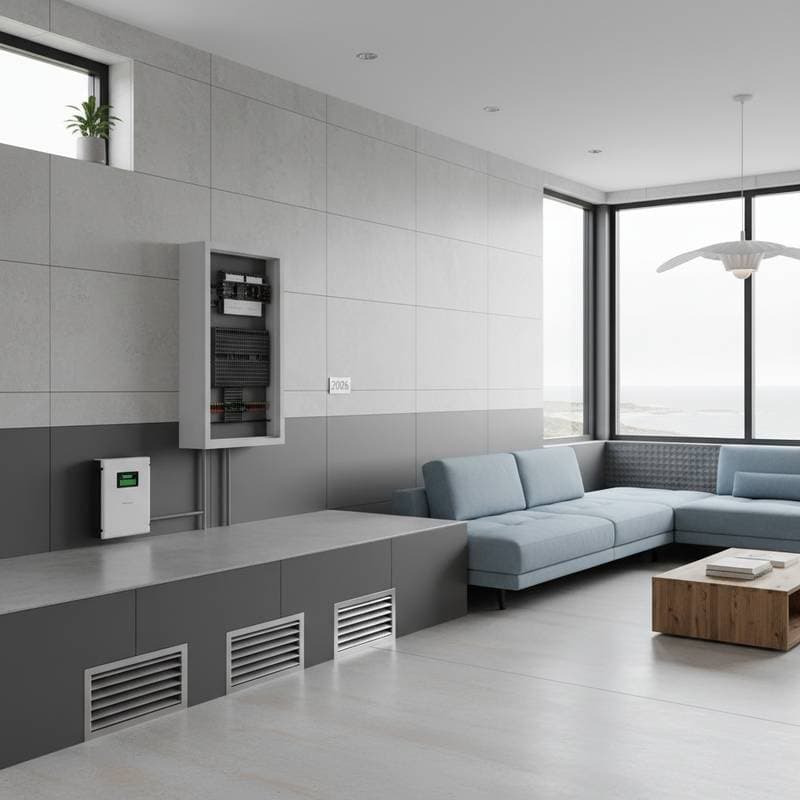
Exposing electrical panels, HVAC units, and water heaters to floodwaters risks fire hazards and system failures. Elevating these components to at least one foot above the base flood elevation protects against submersion. In 2026, codes emphasize modular platforms and watertight enclosures for seamless integration.
Contractors assess site specifics to reroute wiring and plumbing safely, often using elevated pedestals or relocating to upper levels. This preventive measure minimizes downtime after events and preserves warranty coverage. The project spans several days, depending on system complexity, and integrates well with other retrofits for efficiency.
4. Improving Site Drainage with Grading and Swales
Proper land grading directs water away from the home, reducing pooling risks. Creating swales, or shallow ditches, channels runoff toward streets or retention areas, complementing foundation efforts. 2026 guidelines stress permeable surfaces to enhance natural absorption, mitigating urban flood intensification.
Surveyors map slopes to recommend adjustments, typically lowering soil near the foundation and building berms for diversion. This low-tech solution yields immediate benefits, preventing soil erosion and basement seepage. Implementation involves heavy equipment for larger lots, finishing with sod or gravel in a weekend for modest properties.
5. Incorporating Flood-Resistant Materials
Traditional drywall and carpet absorb water rapidly, fostering mold growth. Switching to flood-resistant alternatives like cement board, vinyl siding, and elevated flooring withstands saturation and dries quickly. 2026 innovations include antimicrobial coatings that inhibit bacterial proliferation post-exposure.
Renovations focus on lower levels, replacing vulnerable elements during remodels for cost savings. These materials maintain aesthetics while boosting recovery speed, often covered under resilience grants. Labor-intensive swaps require precise cuts and seals, but the investment pays off through reduced remediation needs.
6. Constructing Barriers and Berms
Temporary or permanent barriers shield entry points from rising waters. Berms, earthen mounds, provide a natural buffer, while flood walls offer engineered protection up to several feet high. Updated 2026 standards require geotechnical analysis to ensure stability against surge forces.
Site preparation includes compacting soil and installing drainage behind barriers to avoid pressure buildup. These features suit properties with predictable flood paths, integrating landscaping for visual appeal. Construction timelines vary from days for berms to weeks for walls, with ongoing reinforcement advised.
7. Backup Power and Pump Systems
Reliable sump pumps with backup power sources halt basement flooding amid outages. Dual-pump configurations ensure continuous operation if one unit fails. Battery backups activate seamlessly, while generators provide extended runtime for prolonged events.
Typical setup:
- Primary pump: $300 to $800
- Battery or generator backup: $500 to $2,500
- Installation: $600 to $1,200
Maintenance involves quarterly testing of pumps, battery replacement every three to five years, and clearing discharge lines to sustain peak performance. This system not only averts water damage but also supports essential appliances during disruptions.
Cost Table: Typical Floodproofing Scope
| Scope item | Material cost range | Labor cost range | Total range | Notes on drivers |
|---|---|---|---|---|
| Foundation sealing | $4–$12/sf | $3–$8/sf | $7–$20/sf | Depth, soil, access |
| Flood vents | $150–$400 each | $50–$100 each | $200–$500 each | Wall type, code size |
| Raised utilities | $2,000–$8,000 | Included | $2,000–$8,000 | System size, permits |
| Grading and swales | $0.75–$2.50/sf | $1.50–$4.00/sf | $2.25–$6.50/sf | Lot slope, soil type |
| Flood-resistant materials | $2–$6/sf | $1–$3/sf | $3–$9/sf | Material grade |
| Barriers and berms | $20–$150/lf | Included | $20–$150/lf | Height, engineering |
Common Mistakes to Avoid
- Overlooking site drainage. Superior seals prove ineffective if water accumulates against exterior walls.
- Underestimating hydrostatic forces. Flood vents become essential in areas anticipating water depths over one foot.
- Incompatible material combinations. Placing wood accents or standard drywall behind barriers invites decay from retained dampness.
- Neglecting routine upkeep. Inactive pumps develop mechanical issues, and unmaintained coatings develop fissures over time.
- Attempting complex tasks without expertise. Alterations to load-bearing elements or wiring demand adherence to codes beyond basic functionality.
Pro vs DIY Decision Rules
Apply these guidelines to determine the best approach:
- Assess personal skills: Handle DIY for straightforward tasks such as basic grading, surface sealing, or laying resilient flooring.
- Evaluate safety factors: Engage professionals for high-risk work including electrical elevations, foundation reinforcements, or barrier engineering.
- Check equipment needs: Tasks like trenching, concrete pouring, or sealant application require specialized tools unavailable to most homeowners.
Potential repercussions of errors: Inadequate waterproofing leads to subsidence, faulty wiring sparks hazards, and non-compliant work voids coverage. Consult licensed experts versed in regional flood ordinances when uncertainty arises.
Comparing Contractor Bids
Securing multiple quotes ensures value without sacrificing quality. Request itemized breakdowns covering materials, labor, timelines, and warranties. Prioritize contractors with flood certification, verifiable references from similar projects, and adherence to 2026 codes.
Compare not just totals but inclusions like permits and cleanup. Red flags include vague scopes or pressure for quick decisions. Aim for bids within 20 percent variance; negotiate on flexible elements like material brands to align with budgets while upholding standards.
Implementing Your Floodproofing Plan
Follow this phased approach for optimal results:
- Address water diversion upfront. Complete grading and swale installations to redirect flows away from the structure.
- Fortify core elements. Proceed with foundation sealing, vent placement, and utility elevations once drainage is set.
- Enhance interior defenses. Conclude by applying resistant materials and activating backup systems for comprehensive protection.
Securing Long-Term Benefits
These upgrades transform vulnerability into strength, slashing repair bills by up to 50 percent and unlocking premium reductions. Homeowners gain peace of mind knowing their investment withstands escalating climate challenges. Regular audits and incremental additions keep defenses current, preserving property value for generations.