AMS Home Guides Logo
Home
Remodeling Cost ComparisonsAbout
AMS Home Guides Logo

Your comprehensive resource for home guides, cost guides, and home warranty information.

HomeAboutAll ArticlesSearchPrivacyTerms

© 2026 AMS Home Guides. All rights reserved.

  1. Home
  2. /
  3. Home Guides
  4. /
  5. Greywater Systems Cut Household Water Use in Half
Home Guides

Greywater Systems Cut Household Water Use in Half

bySusan Weiland
2026-01-09 04:27:33January 9, 2026
5 min read
Featured image for Greywater Systems Cut Household Water Use in Half
2026-01-09 04:27:33
AMS - Home Guides, Cost Guides, Home Warranty

Greywater Systems Cut Household Water Use in Half

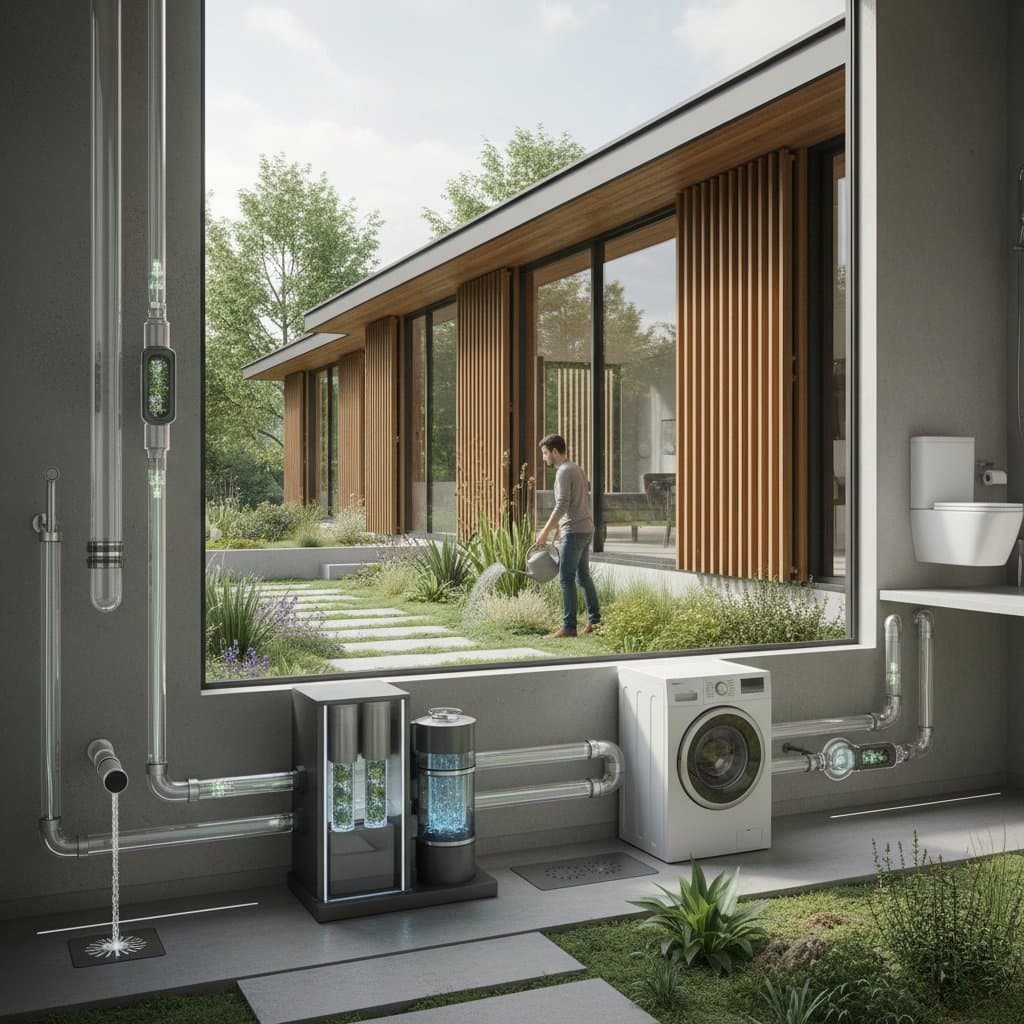
Greywater systems offer a straightforward way to reuse household wastewater, reducing overall water consumption significantly. These systems capture water from sinks, showers, and laundry for non-potable uses like garden irrigation or toilet flushing. By implementing one, households can achieve up to 50 percent savings on water bills while promoting environmental sustainability.

Understanding Greywater and Its Benefits

Greywater refers to lightly used water from bathroom sinks, showers, bathtubs, and washing machines, excluding toilet waste. This resource represents about 50 to 80 percent of a home's indoor water use. Redirecting it prevents discharge into sewers and allows reuse in landscapes or fixtures.

The primary benefit lies in conservation. In areas facing water shortages, greywater eases demand on municipal supplies. Homeowners also lower utility costs; a typical family might save hundreds of dollars annually. Additionally, these systems support healthier gardens by providing consistent moisture without relying on potable water.

Environmental advantages extend further. Reduced freshwater extraction preserves aquifers and rivers. Less wastewater entering treatment plants cuts energy use in processing. Over time, greywater integration contributes to broader water resilience in communities.

Types of Greywater Systems

Simple systems, often called laundry-to-landscape, divert water directly from washing machines to outdoor plants. These require minimal equipment and suit small-scale applications. They rely on gravity for distribution, making installation accessible for most homeowners.

Advanced setups handle water from multiple sources, including showers and sinks. These incorporate filtration, pumps, and storage for broader uses like toilet flushing. Such systems demand more investment but offer greater efficiency in larger homes or arid regions.

Choosing between types depends on household size, water needs, and local regulations. Simple designs work well for irrigation-focused goals. Advanced options provide versatility, especially where space limits direct outdoor discharge.

Materials for Simple Greywater Systems

Assembling a basic system involves selecting durable, easy-to-source components. Start with a 3-way diverter valve to switch between sewer and reuse modes. Use 1-inch flexible tubing for conveyance from the laundry outlet.

For distribution, install mulch basins or a drip line to deliver water evenly to soil. Secure connections with hose clamps and PVC fittings. Essential tools include a shovel for trenching and pipe tape with sealant for leak prevention.

Include a bucket or filter basket to capture lint and debris at the source. These items ensure smooth operation and compliance with basic hygiene standards. Source materials from hardware stores or plumbing suppliers for reliability.

Materials for Advanced Systems

  • Pump and controller to move water uphill or to storage
  • Filtration unit or sand filter for clearer output
  • Storage tank rated for greywater to hold treated water
  • Backflow preventer to protect potable lines
  • Electrical connections for pump control

These components elevate performance in complex setups. Pumps handle elevation changes, while filters remove solids. Tanks allow timed release, optimizing use during peak demand.

Step-by-Step Installation Guide

Begin by assessing your site. Map plumbing access and identify irrigation zones like garden beds or tree roots. Check soil type; loamy areas absorb best, while clay may require amendments.

Install the diverter valve at the washing machine outlet. Connect flexible tubing, routing it outdoors through a wall penetration sealed against leaks. Trench lines to plant areas, burying them 6 to 12 inches deep for protection.

Set up distribution with mulch basins around plants or drip lines along rows. Use fittings to branch lines as needed. Test the system by running a load and observing flow; adjust for even coverage.

For advanced installations, position the pump near the source and wire it to a controller. Integrate the filtration unit inline and plumb the storage tank. Engage a professional for electrical work to ensure safety.

Follow local codes throughout. Some areas mandate setbacks from wells or edible gardens. Document each step, including materials used, for permit applications or future reference.

Maintenance, Care, and Lifespan

Greywater systems last 10 to 20 years with proper care. Maintain consistent flow to avoid stagnation, and never store untreated water longer than necessary. Rinse filters monthly to remove debris, and flush lines seasonally to clear buildup.

Inspect irrigation emitters each spring for clogs or root intrusion. In advanced systems, replace filter media every 6 to 12 months. Check pump seals and float switches annually for wear.

Record all maintenance activities, such as plumbing adjustments. This log aids troubleshooting and proves diligence during inspections. With routine attention, systems operate efficiently year after year.

Regional and Climate Considerations

Greywater systems excel in regions with extended dry periods or scarce rainfall. They provide reliable irrigation when natural sources dwindle. In humid climates, use them to supplement during brief dry spells, avoiding overload in saturated soils.

Frost-prone areas need buried or insulated piping to guard against freezing. Sandy or loamy soils facilitate quick absorption, while clay types benefit from wider distribution to prevent ponding.

Drought zones find value in sustaining trees, shrubs, and perennials amid restrictions. Municipalities in such areas often provide rebates or guidance for compliant installations. Adapt designs to local conditions for optimal results.

Frequently Asked Questions

Can I use greywater on vegetables?

Apply only through subsurface irrigation for fruit trees or ornamentals. Direct contact with edible leaves or root crops poses health risks due to potential contaminants.

Do I need a permit?

Laundry-to-landscape systems may qualify for permit exemptions if they adhere to guidelines. Whole-house configurations typically require professional inspection and approval.

What detergents are safe?

Select products marked as greywater safe or biodegradable. Steer clear of bleach or boron-based cleaners, which harm plants and soil.

Can greywater smell?

Well-designed systems remain odor-free. Smells arise from prolonged storage or clogged filters; address promptly to restore balance.

Will this affect home resale?

Permitted systems enhance value in water-conscious markets. Maintain records of permits and upkeep to demonstrate quality.

Implementing Greywater for Lasting Impact

Adopting a greywater system marks a tangible commitment to resource efficiency. It alleviates pressure on water infrastructure, nurtures landscapes, and maximizes every gallon used. Homeowners gain practical tools for resilience, yielding savings and satisfaction over time.


You may also like

Image for HVAC Maintenance Cuts Costs Better Than Warranties

HVAC Maintenance Cuts Costs Better Than Warranties

July 11, 2026
Image for Greywater Systems Add 5-10% Value in Dry Markets

Greywater Systems Add 5-10% Value in Dry Markets

July 11, 2026
Image for Greywater Systems: Real Costs and Payback Timeline

Greywater Systems: Real Costs and Payback Timeline

July 11, 2026

Tagged:

home,sustainable,upgrades,greywater,greywater systems,water,water recycling,systems,recycling,sustainable-home-upgrades

Related: home

Image for HVAC Maintenance Cuts Costs Better Than Warranties

HVAC Maintenance Cuts Costs Better Than Warranties

July 11, 2026
Image for Greywater Systems Add 5-10% Value in Dry Markets

Greywater Systems Add 5-10% Value in Dry Markets

July 11, 2026
Image for Greywater Systems: Real Costs and Payback Timeline

Greywater Systems: Real Costs and Payback Timeline

July 11, 2026
Image for Home Battery Backup Costs Between $9K and $18K Installed

Home Battery Backup Costs Between $9K and $18K Installed

July 11, 2026
Image for Flood Proofing Costs: $10K to $65K for Climate Defense

Flood Proofing Costs: $10K to $65K for Climate Defense

July 10, 2026

Home Guides

Greywater Systems Add 5-10% Value in Dry Markets

Greywater recycling can raise home resale value by up to 10 percent while cutting irrigation costs. With installation ranging from 3500 to 12000 dollars, these systems offer fast payback in water-restricted regions. Learn cost factors, DIY versus professional steps, and smart savings strategies that make sustainable water reuse a high-ROI upgrade.

July 11, 2026

Greywater Systems: Real Costs and Payback Timeline

Greywater recycling offers homeowners measurable financial returns alongside sustainability benefits in 2026. This guide details costs, incentives, system options, and ROI considerations to support informed decisions on installation and long-term operation.

July 11, 2026

Greywater Permits: What Most Homeowners Get Wrong

Greywater recycling reuses water from sinks, showers, and laundry to irrigate landscapes and save resources. This guide covers permits, safe installation, filtration, and maintenance essentials. Learn when DIY works, when to hire a pro, and how proper planning prevents contamination while maximizing sustainability, efficiency, and compliance with local regulations.

July 10, 2026

Flood Proofing Cuts Damage Risk by 80 Percent

Flood proofing upgrades in 2026 cost $3,000 to $25,000, averaging $11,500. Professionally installed systems can cut damage by up to 80 percent, boost property value, and lower insurance premiums for long term climate resilience.

July 10, 2026

Solar Panels Add $18,500 to New Home Build Costs

Installing solar panels on new homes in 2026 adds roughly $14,000 to $24,000, averaging $18,500 for a 6-kilowatt system. Early planning during construction cuts labor costs and boosts resale value by up to 5%. Learn how system size, materials, and timing shape your investment, payback, and long-term energy savings.

July 9, 2026

Smart Flood Proofing Costs $8,500-$38,000 in 2026

Smart flood proofing blends sensors, automation, and structural upgrades. Costs range from $8,500 to $38,000. Most homeowners spend about $19,600 for systems that cut damage risk by up to 65 percent.

July 8, 2026

Materials That Cut Wildfire Insurance Premiums in 2026

Discover how wildfire resistant materials can cut insurance premiums up to 20 percent while safeguarding your home. Learn which products qualify, what they cost, and how to retrofit safely. From Class A roofing to ember proof vents, this 2026 guide explains smart upgrades, code requirements, and maintenance tips for fire prone properties.

July 8, 2026

Cut Household Water Use in Half with Greywater Systems

Install a legal greywater system to reuse water from sinks, showers, and laundry. Compare system types, review costs from 800 to 6000 dollars, follow permit steps, and achieve up to 50 percent lower household water use.

July 4, 2026

Balance Privacy and Togetherness in One Home

Multigenerational living succeeds when homes provide both private retreats and shared gathering spaces. This guide outlines zoning checks, soundproofing methods, utility planning, and safety measures to create functional layouts that support every generation.

July 3, 2026

Flood Resilience Upgrades That Protect Your Investment

Rising flood risks require targeted home protection. This guide details 2026 flood resilience upgrades from foundation sealing to utility elevation, along with cost ranges, practical steps, and maintenance guidance to protect property and speed recovery after storms.

July 1, 2026

ADU Garage Conversions Cost $90K–$180K in 2026

Transforming a garage into an ADU creates flexible multigenerational living space without expanding the home footprint. Expect costs from $90,000 to $180,000, timelines of 12 to 20 weeks, and strict code compliance. Smart design and professional guidance add lasting comfort and value.

June 30, 2026

Multigenerational Home Conversions Cost $60K-$250K in 2026

Multigenerational home conversions cost $60,000 to $250,000, with most projects averaging $145,000. Discover how scope, materials, and location affect pricing while strategic planning improves comfort and long-term returns.

June 30, 2026

Multigenerational Homes Cost $150K-$450K to Build

Multigenerational homes cost $150,000 to $450,000 to build or convert. Explore detailed pricing, material options, and planning steps that support family living and long-term value.

June 29, 2026

Multigenerational Renovations Cost $80K-$250K in 2024

Multigenerational renovations balance comfort, privacy, and future adaptability, typically costing $80,000 to $250,000. Smart layouts, material choices, and professional planning can boost property value substantially. Learn how size, design complexity, and finish tiers shape budgets along with cost saving strategies that maximize return on investment and long term livability.

June 28, 2026

Flood Proofing Cuts Damage Risk 80% for $22,500

Flood proofing upgrades in 2026 cost 5000 to 48000 dollars and deliver strong protection, insurance savings, and higher property value. Costs depend on home size, materials, and location. Professional installation ensures compliance and durability.

June 26, 2026

Home Battery Backup Beats Generators in 2026

Home battery backup systems offer quiet, fuel free power during outages and can pair with solar for savings. Expect costs between $8,000 and $18,000 installed. Lithium batteries, professional setup, and annual maintenance ensure reliability. Ideal for frequent outages, these systems deliver energy security, lower bills, and long term peace of mind.

June 25, 2026

Flood-Resistant Flooring Cuts Repair Costs 70%

Discover how flood-resistant flooring can safeguard your home and budget. This guide breaks down material options, installation costs, DIY versus professional value, and cost-saving strategies. Learn why investing $4 to $14 per square foot today can cut future flood repair expenses by up to 70 percent while boosting property value.

June 25, 2026

Garage ADU Conversion Runs $80K to $175K in 2026

Transforming a garage into an ADU in 2026 costs $80,000 to $175,000 on average, with permits, design, and skilled labor driving expenses. Learn how size, materials, and site conditions affect pricing, what permits you will need, and smart ways to save without cutting corners plus expert tips for hiring, scheduling, and maximizing ROI.

June 25, 2026

Flood-Proofing Your Home: $3K to $25K in 2026

Strengthen your home against rising water with targeted 2026 upgrades. Review sump pumps, French drains, grading, and waterproofing options along with cost ranges, DIY tasks, and professional requirements. Balance protection, budget, and long term value through careful planning and maintenance.

June 24, 2026

Greywater Systems Cut Home Water Use by 40 Percent

Greywater systems capture water from sinks, showers, and laundry for garden irrigation and toilet flushing. This guide covers system options, costs, installation, safety requirements, and upkeep to help homeowners lower consumption while meeting local codes.

June 22, 2026

Categories

Appliance & System Coverage
Cost Guides
Home Guides
Home Warranty Basics
Outdoor & Exterior Guides
Remodeling Cost Comparisons
Room-by-Room Guides