The Cost of Flood-Proofing Your Home in 2026: A Comprehensive Pricing Guide
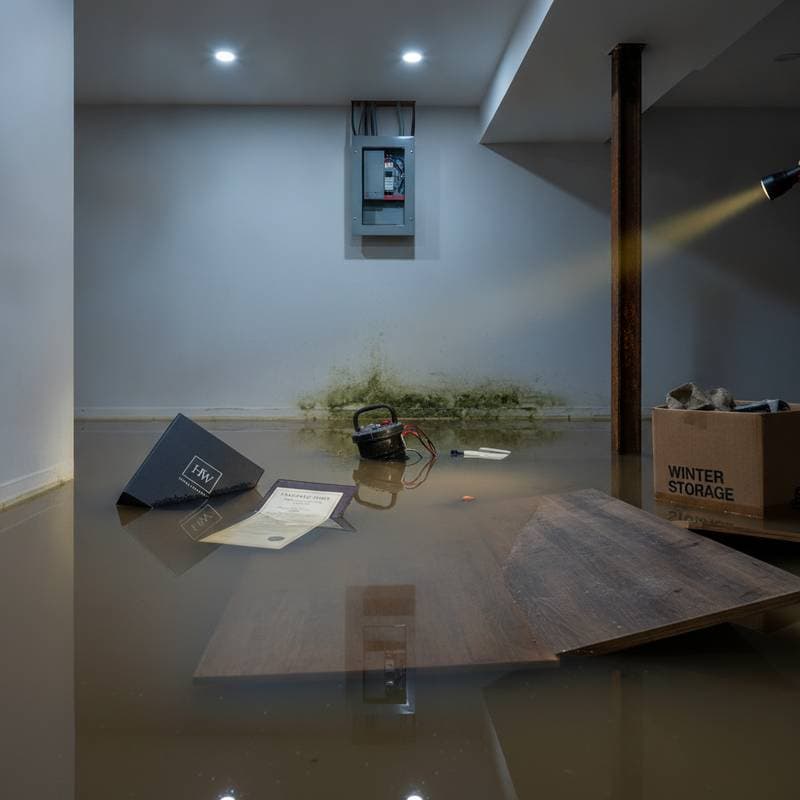
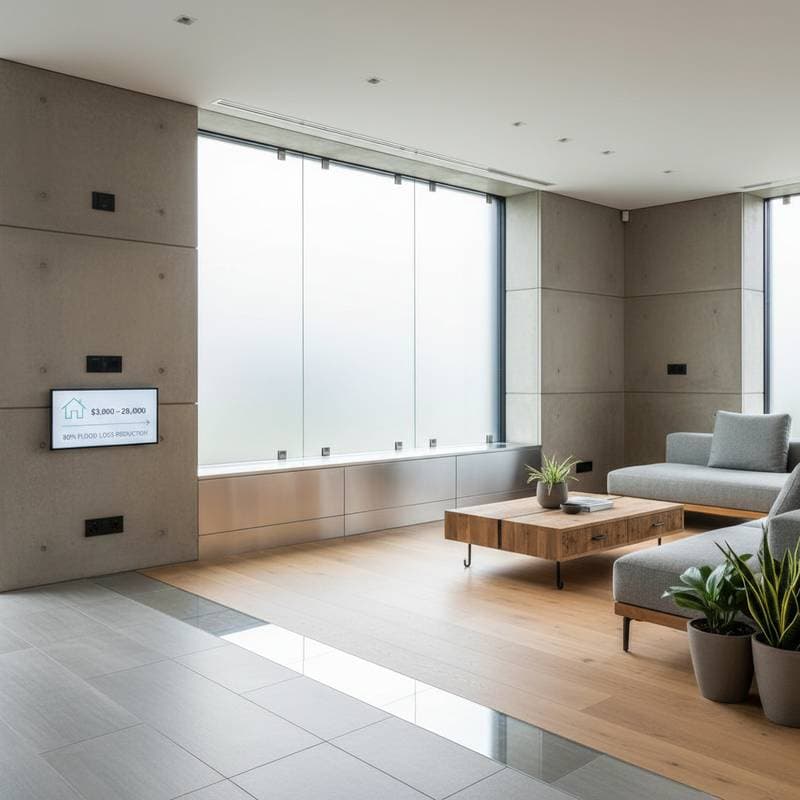
Flood-proofing transforms a vulnerable home into a resilient one. Professional upgrades for flood prevention range from $3,000 to $28,000, with the average project costing about $12,500. These investments incorporate waterproofing, improved drainage, and elevation techniques. Key factors influencing expenses include the size of the house and its foundation, the quality of materials and systems, and the level of regional flood risk. Properties in high-risk areas, such as coastal zones, typically incur higher costs for both installation and insurance. Data from the National Flood Insurance Program indicates that effective mitigation reduces potential flood damage by up to 80 percent. Such measures safeguard the property, decrease insurance premiums, and enhance overall value over time.
Detailed Cost Breakdown
Pricing for flood-proofing aligns with the home's square footage and foundation configuration. Basic waterproofing runs $4 to $10 per square foot. Advanced setups, including sump pumps, drainage channels, and sealants, climb to $15 per square foot. Smaller homes start with minimum fees around $1,500 for inspections and basic sealing.
Nationally, projects at the 25th percentile average $5,000, those at the 50th percentile reach $12,500, and 75th percentile efforts approach $20,000. These estimates cover labor, materials, and standard finishing work.
Impact of Size and Project Scope
For a compact single-story home, localized waterproofing paired with a sump pump system costs $3,000 to $6,000. Adding every 500 square feet increases the bill by $1,000 to $2,500, based on site accessibility. Multi-level homes or those with basements demand sophisticated drainage and backflow prevention, elevating totals to $25,000 or higher. Federal Emergency Management Agency guidelines note that elevating a structure above the base flood level can surpass $40,000 in certain areas.
Material and Quality Options
Entry-level options rely on simple concrete sealants and portable sump pumps, priced at $4,000 to $7,000. These provide basic, short-term defense with a lifespan under ten years.
Mid-range selections feature French drains, durable vapor barriers, and battery-backed pumps from brands like Zoeller or Basement Systems. Prices span $8,000 to $14,000, balancing reliability with manageable upkeep.
Premium configurations incorporate smart flood sensors, fortified wall membranes, and comprehensive drainage overhauls. These range from $18,000 to $28,000 and include warranties lasting over twenty years for sustained protection.
Regional and Complexity Influences
Properties with challenging access or prior water damage raise labor expenses by 20 to 35 percent. Urban centers like New York or San Francisco add a 10 to 25 percent premium due to higher operational costs. Rural locations benefit from reduced labor rates. Local building codes, elevation mandates, and flood zone designations further shape the overall budget.
Types of Flood-Proofing Services and Their Prices
Basic Flood Prevention Package
This package encompasses foundation sealing, sump pump setup, site grading, and a thorough inspection. Work spans two to four days. Costs range from $3,000 to $7,000, ideal for homes facing minor water issues in moderate-risk areas.
Premium Flood Resilience Package
Building on basics, this includes perimeter drainage, intelligent water sensors, wall strengthening, and redundant pumps. Pricing falls between $10,000 and $20,000, a 40 to 60 percent increase over entry-level services. In high-flood zones, insurance reductions often recoup the expense quickly.
Essential Add-On Services
- Backflow valve: $800 to $2,000
- Foundation crack repairs: $300 to $700 per section
- Exterior grading and landscaping: $1,500 to $4,000
- Post-waterproofing basement finishing: $10,000 to $25,000
Combining services yields 10 to 15 percent savings, particularly during contractors' slower periods.
Weighing Professional Installation Against DIY Efforts
DIY approaches appear cost-effective initially, yet hidden costs emerge. Core supplies like concrete sealant, drainage pipes, and a standard sump pump total about $1,200. Tool rentals for digging and sealing add $300 to $600. Including time spent over weekends, DIY totals $2,000 to $3,000, not accounting for fixes from errors.
Hiring experts yields clear advantages. Certified teams offer valuable warranties, navigate regulations, and apply waterproofing correctly. Insights from platforms like Angi show professional installations cut ongoing maintenance by 40 percent versus amateur attempts. The added $1,000 to $3,000 for expertise ensures dependability.
Opt for professionals in cases involving basements, intricate drainage, or past floods. DIY suits only simple fixes, but poor sealing risks future leaks.
Strategies to Lower Flood-Proofing Expenses
Schedule projects for late summer or winter to capitalize on lower demand. Contractors frequently provide 5 to 10 percent reductions for off-season work. Early-week bookings can trim labor fees further.
Obtain multiple quotes from licensed specialists to compare options. Prioritize those with flood mitigation certifications. Bundling add-ons or addressing issues in one phase maximizes discounts.
Explore local grants or rebates through community programs focused on disaster resilience. These incentives can offset 10 to 30 percent of costs in eligible zones.
Securing Long-Term Value Through Flood Protection
Flood-proofing stands as a proactive step toward enduring home security. Beyond immediate safeguards, it stabilizes insurance costs and elevates market appeal. Homeowners who invest wisely report peace of mind amid rising climate challenges. Consult local experts to tailor a plan that fits your property and budget, ensuring resilience for years ahead.