How Much Does a Multigenerational Home Renovation Cost? A Comprehensive 2026 Pricing Guide
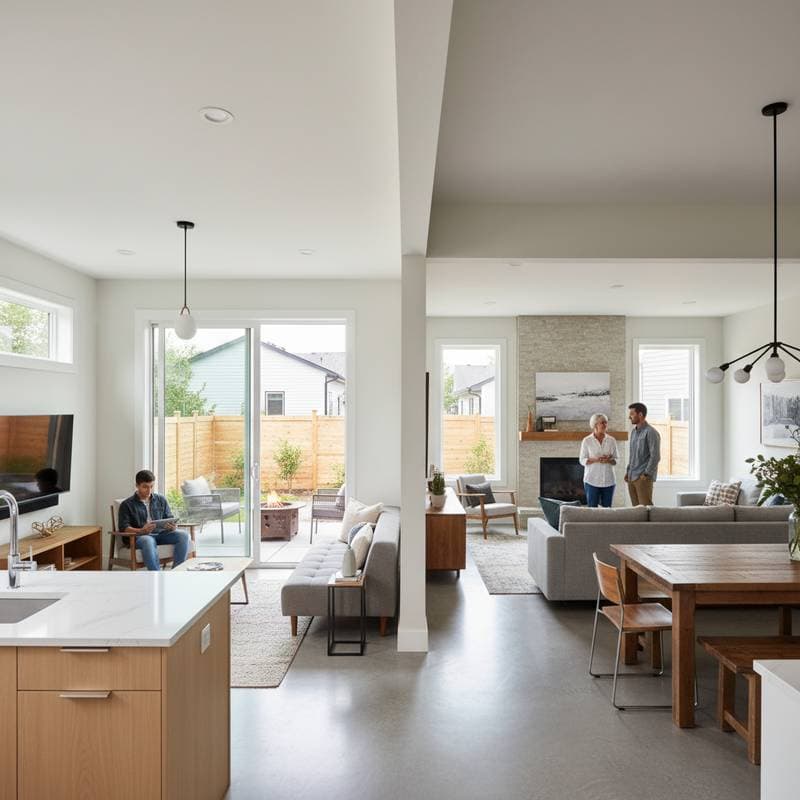
Multigenerational homes foster family closeness through designs that offer private areas alongside communal spaces. Professional renovations for such homes generally cost between $125,000 and $350,000, with the average project totaling about $210,000. These investments typically encompass separate suites, accessibility enhancements, and integrated common areas.
Three primary elements determine the overall expense: square footage, structural changes, and finish selections. Projects featuring standalone kitchenettes or accessory dwelling units (ADUs) often fall toward the higher end of the spectrum. Variations in local labor rates and material options further shape the budget. Data from the National Association of Home Builders indicates that well-executed multigenerational designs boost property values by 15 to 20 percent, positioning these upgrades as dual-purpose endeavors for daily living and long-term equity.
Detailed Cost Breakdown
Core Pricing Framework
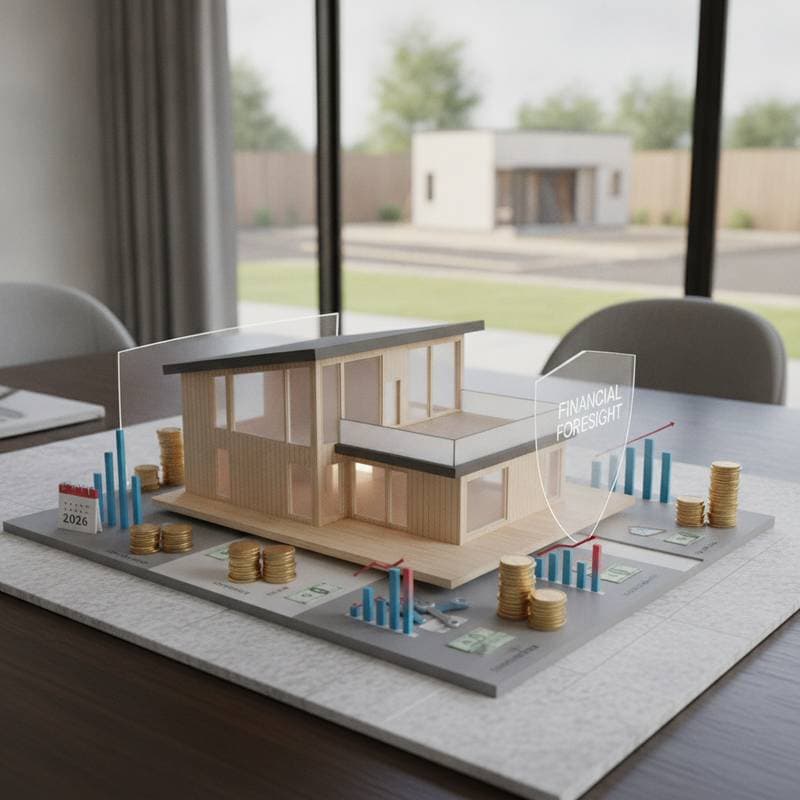
Costs for multigenerational renovations begin at $150 per square foot for straightforward adaptations and climb to $400 per square foot for luxury implementations. Licensed contractors impose minimum fees starting at $25,000 for initial interior adjustments. Across the nation, projects at the 25th percentile average $160,000, those at the median reach $210,000, and upper-quartile efforts approach $290,000.
Impact of Size and Project Scope
Expanding the renovation by 100 square feet typically adds $12,000 to $18,000 to the total. Converting a basic two-bedroom suite might cost $130,000, whereas developing a complete dual-living arrangement with dedicated kitchen, bathroom, and independent entry often surpasses $300,000. Broader layouts demand extra measures, such as zoned heating, ventilation, and air conditioning systems, along with plumbing relocations and compliance checks, all of which elevate expenses.
Material Choices and Quality Levels
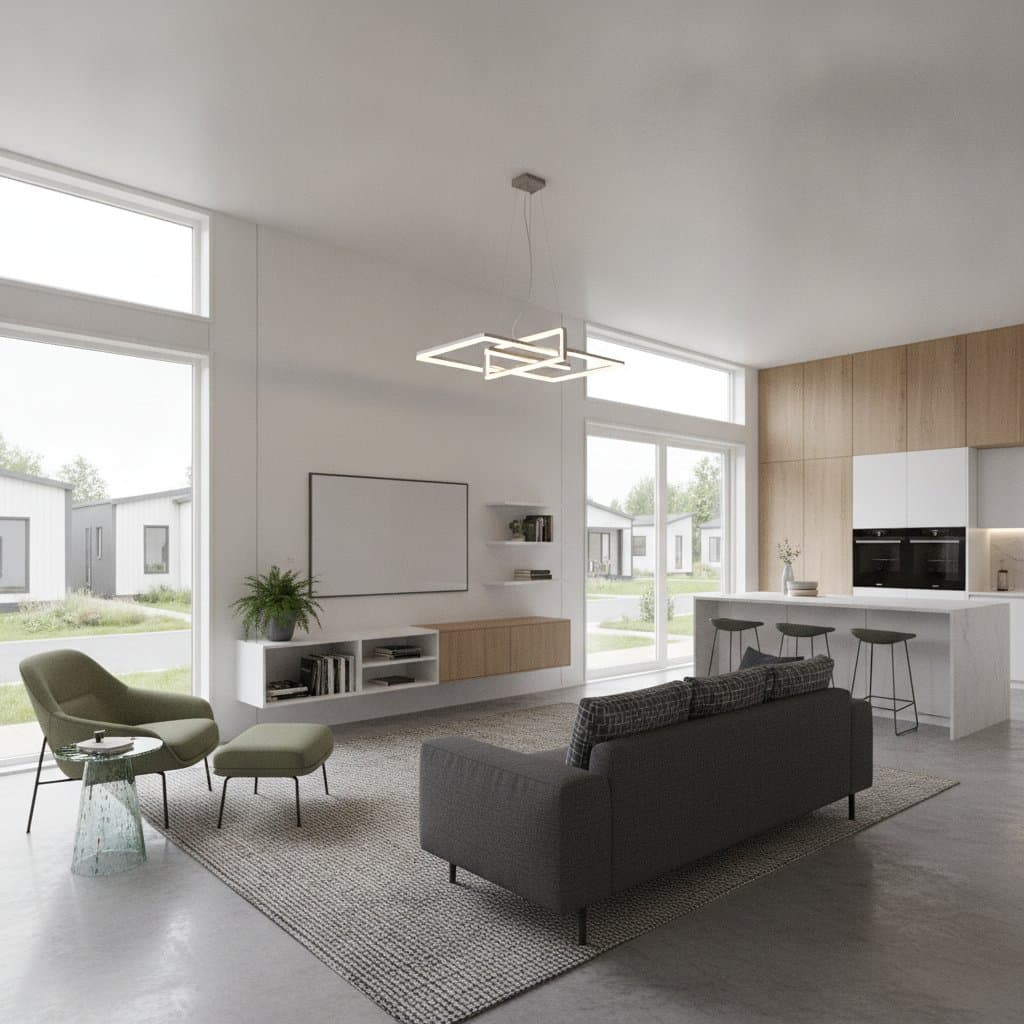
Basic options, including laminate surfaces, standard cabinetry, and simple fixtures, average $150 per square foot. Intermediate enhancements, such as quartz surfaces, tailored storage solutions, and energy-saving windows, push costs to approximately $250 per square foot. High-end selections from manufacturers like Kohler, Bosch, and Marvin Windows can attain $400 per square foot, providing extended durability and stronger appeal in resale markets.
Factors Introducing Complexity
Incorporating accessibility elements adds $10,000 to $25,000. Initiatives requiring foundational alterations, roof expansions, or separate ADUs may inflate budgets by 30 percent or greater. In bustling urban centers, labor surcharges of 15 to 25 percent apply, whereas rural undertakings benefit from reduced rates despite extended timelines for specialist availability.
Types of Services and Full Pricing Details
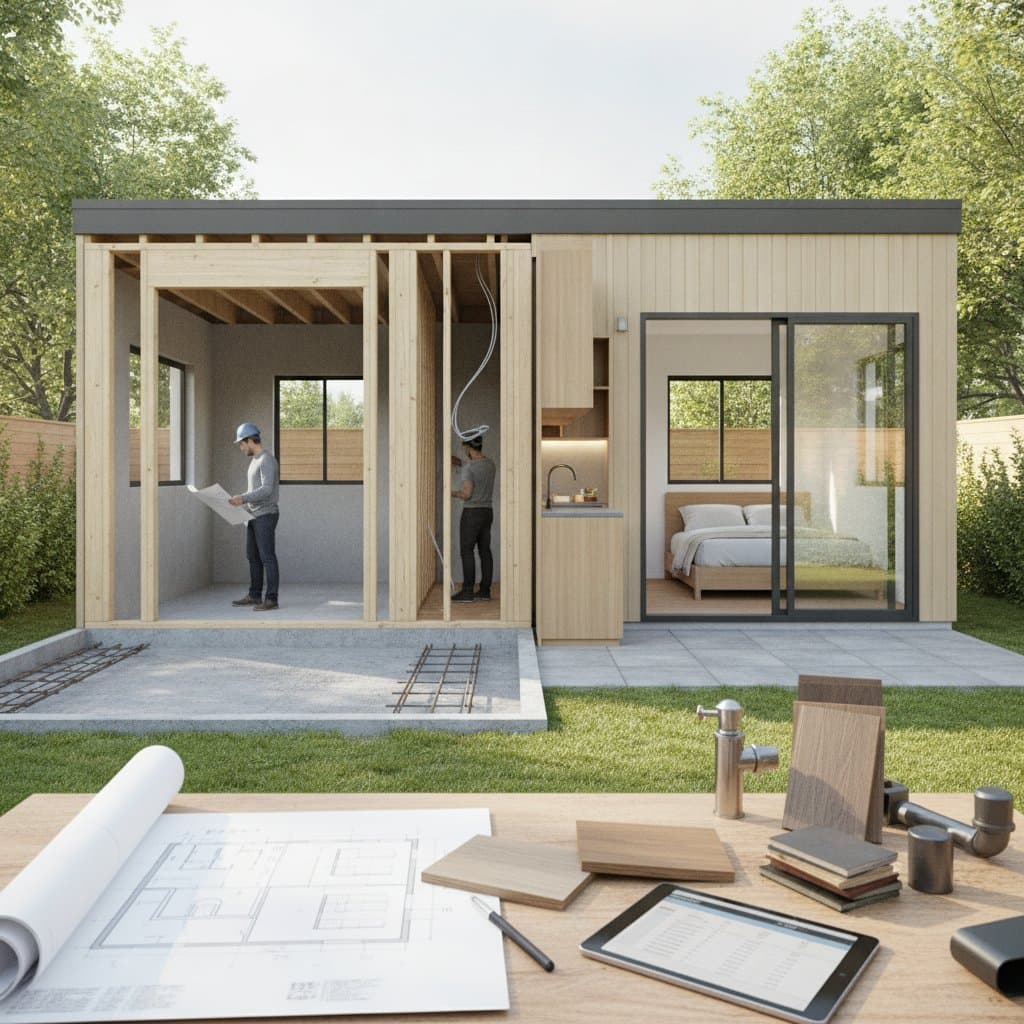
A standard multigenerational adaptation covers essential components:
- Reconfigured shared entrances
- Dedicated sleeping quarters and bathing facilities
- Basic updates to electrical and plumbing systems
- Standard-grade surface treatments
Such packages generally span $125,000 to $180,000 and require roughly three months for execution.
An advanced dual-living overhaul incorporates sophisticated features:
- Complete secondary kitchen or compact kitchenette
- Acoustic insulation in dividing walls
- Individual laundry facilities and climate control zones
- Integrated smart systems for security oversight
Expenses at this tier fall between $250,000 and $350,000, frequently generating a 15 percent return on investment via enhanced buyer interest.
Optional enhancements, including private outdoor access points ($12,000 to $20,000), bathrooms compliant with ADA standards ($15,000 to $25,000), and preparations for solar integration ($8,000 to $15,000), allow for bundled discounts of 5 to 10 percent.
Evaluating Professional Services Against DIY Approaches
Homeowners pursuing do-it-yourself methods for multigenerational projects confine efforts to surface-level tasks like installing flooring or light woodworking. Supplies for paints, cabinets, and flooring total $15,000 to $25,000, with tool rentals contributing an additional $3,000 to $5,000. Structural elements, including plumbing rerouting or emergency exits, necessitate certified expertise to meet safety regulations.
Engaging qualified contractors yields significant advantages. Clients avoid 250 to 400 hours of hands-on work and minimize exposure to regulatory penalties. Professionals supply liability protection equivalent to 5 to 10 percent of the project value, plus guarantees on craftsmanship that safeguard future reliability. Analysis reveals that professional involvement proves more economical for endeavors beyond $40,000.
Strategies to Reduce Expenses Effectively
Timing projects for late winter or late summer periods can trim labor fees by up to 12 percent, as builders seek to bridge off-peak gaps. Obtaining quotes from at least three reputable sources, such as verified contractor directories, equips owners with benchmarks for bargaining.
Participants can trim costs by managing tasks like site demolition, surface preparation, or debris removal, yielding savings of $2,000 to $5,000. Establishing precise project specifications and finalizing material preferences prior to groundbreaking averts delays and unplanned adjustments that drive up bills.
Regional Market Influences and Key Considerations
Expenses fluctuate by location. City dwellers encounter 20 percent markups from elevated permitting costs and scarce labor pools. In contrast, countryside settings offer moderated prices, though sourcing experts may prolong preparation phases. Ongoing rises in material costs, especially for wood products and wiring components, continue to pressure overall estimates.
Steps to Plan and Maximize Returns on Your Multigenerational Renovation
Begin planning by assessing family requirements, such as privacy needs and mobility accommodations, to define the project scope accurately. Consult local building codes early to anticipate compliance costs and secure necessary approvals without interruptions.
Select materials that align with both aesthetic preferences and durability standards, prioritizing options that enhance energy efficiency for reduced utility expenses over time. Track progress through regular contractor meetings to ensure alignment with the budget and timeline, ultimately realizing a space that supports family bonds while appreciating in value.