Seamless Multigenerational Living Through Smart Layouts
Answer first: Multigenerational living works best when the layout balances shared space with privacy, easy access, and flexibility. A smart plan supports independence for every age group without expanding the footprint beyond reason.
Summary Box
What it is:
A home layout that allows multiple generations to live together comfortably by combining shared and private zones.
Why it matters:
It reduces housing costs, supports caregiving, and strengthens family connection while preserving privacy and safety.
Typical cost and what changes it:
Conversions range from 80 to 250 dollars per square foot. Costs rise with plumbing, kitchens, and accessibility upgrades.
When to hire a pro:
If structural walls move, new electrical panels are added, or a second kitchen is installed, hire a licensed contractor and electrician.
How long it takes:
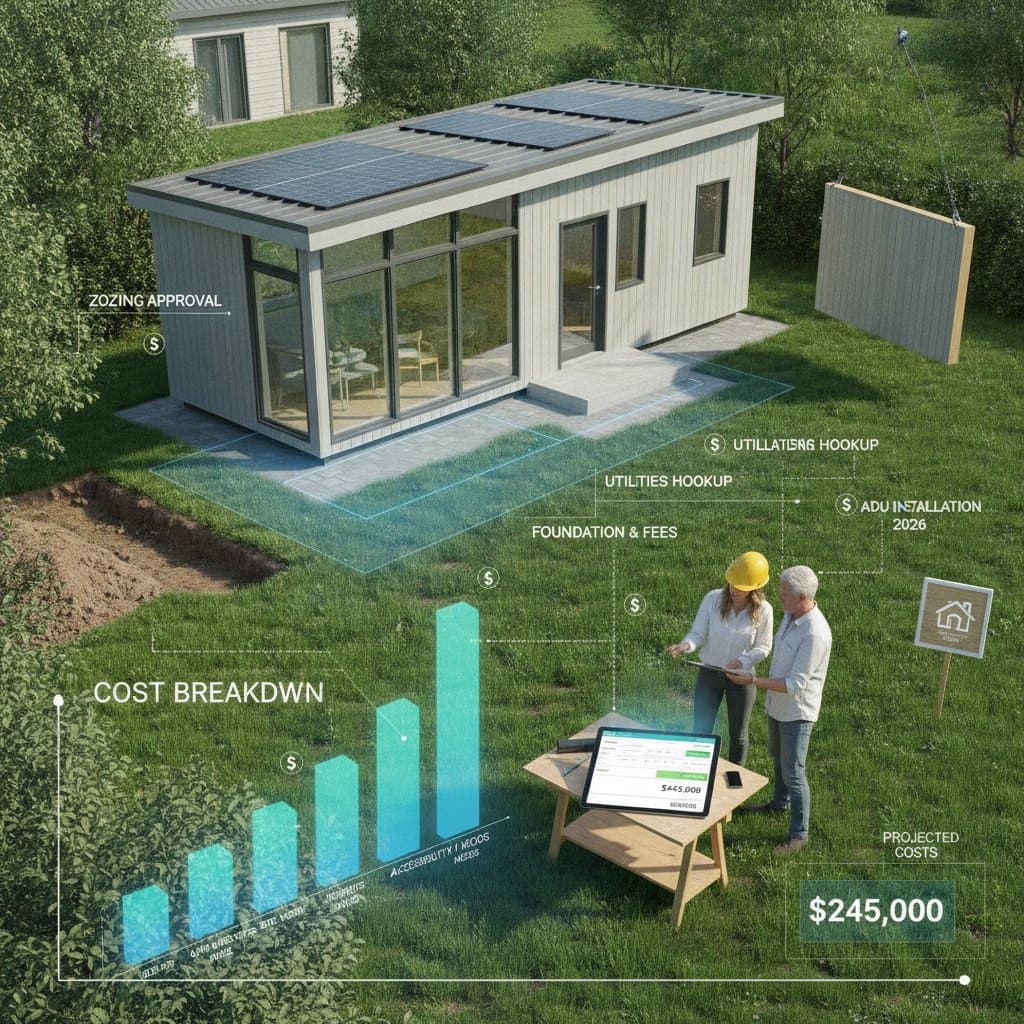
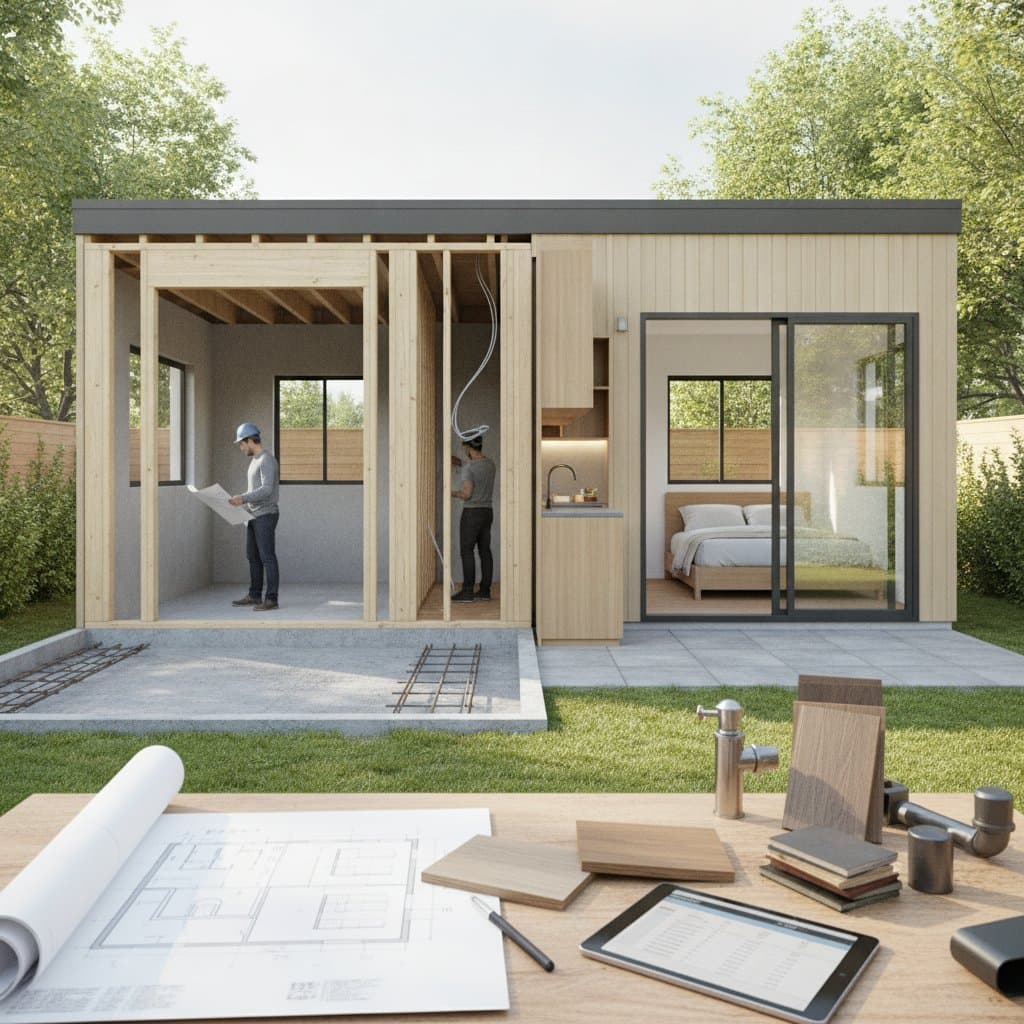
Minor layout changes take 2 to 4 weeks. Full conversions or accessory dwelling units (ADUs) take 2 to 4 months.
Maintenance interval:
Inspect shared systems like HVAC, plumbing, and smoke alarms every 6 months.
Anatomy of a Multigenerational Layout
A well-designed multigenerational home includes three zones:
- Private suites for each generation with bedrooms, bathrooms, and sometimes kitchenettes.
- Shared core spaces such as kitchen, dining, and laundry areas that encourage interaction.
- Flexible transition zones like hallways, patios, or bonus rooms that buffer sound and traffic.
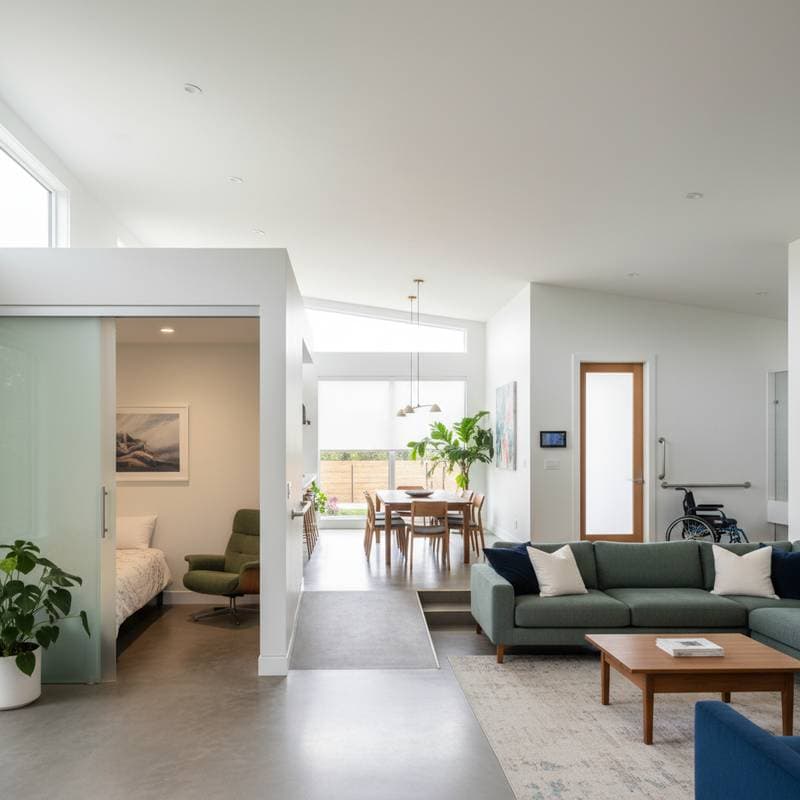
Each zone has clear circulation paths, level transitions, and adequate lighting. Doors should be wide enough for mobility devices, and bathrooms should include grab bars and non-slip flooring.
Common configurations include:
- Split-level suites: Bedrooms on separate floors for privacy.
- ADU or basement apartment: Fully independent unit with its own entrance.
- Shared main floor, private wings: Central kitchen and living room with bedrooms branching off.
Step-by-Step: Planning a Multigenerational Layout
-
Define who will live there.
List each household member, their mobility needs, and privacy preferences. -
Map current space use.
Identify underused areas such as formal dining rooms or oversized garages. -
Set zones.
Designate private suites and shared areas. Include a guest or caregiver space if needed. -
Plan circulation.
Use wide hallways, open sight lines, and logical traffic flow from bedrooms to main areas. -
Add accessibility features.
Install lever handles, zero-threshold showers, and good lighting at floor transitions. -
Decide on kitchen access.
A second kitchenette or shared main kitchen depends on daily routines and cooking styles. -
Consult local codes.
Many areas limit secondary kitchens or require permits for ADUs. -
Budget line by line.
Include design fees, permits, materials, and contingency at 10 percent.
DIY vs Pro
| Category | DIY Level | Safety Risk | Tools Required | Permit or Code | Time Required | Warranty Impact |
|---|---|---|---|---|---|---|
| Cosmetic layout changes (paint, furniture) | Easy | Low | Basic hand tools | None | 1 to 2 weeks | None |
| Non-load wall removal | Moderate | Medium | Stud finder, saw, masks | Permit often required | 1 to 3 weeks | May void structural warranty |
| Plumbing or electrical rework | Pro only | High | Specialty tools | Permit required | 2 to 4 weeks | Must be licensed to preserve warranty |
| ADU addition | Pro only | High | Full construction gear | Full permit set | 2 to 4 months | Covered under builder warranty |
If the work affects structure, gas, or main electrical systems, hire a licensed pro. DIY is best limited to finishes, storage, or lighting swaps.
Maintenance and Lifespan
Multigenerational layouts last as long as the structure is maintained. Key maintenance items include:
- Inspect smoke and CO alarms every 6 months.
- Test GFCI outlets monthly.
- Clean shared HVAC filters every 3 months.
- Reseal bathroom tile joints annually to prevent leaks.
- Refresh paint and lighting every 5 to 10 years to keep spaces bright and safe.
Fixtures and finishes in high-traffic zones wear faster. Budget for replacement sooner in shared kitchens and baths.
FAQs
How much space does each generation need?
Plan at least 300 to 400 square feet per adult for comfort and privacy.
Can a garage become a suite?
Yes, if it meets insulation and egress standards and has plumbing access.
Do I need a second kitchen?
Not always. A kitchenette with a sink, mini-fridge, and microwave may be enough.
What makes a layout accessible?
Level floors, wide doors, lever handles, and reachable switches.