How Much Does a Multigenerational Home Conversion Cost? Complete Pricing Guide
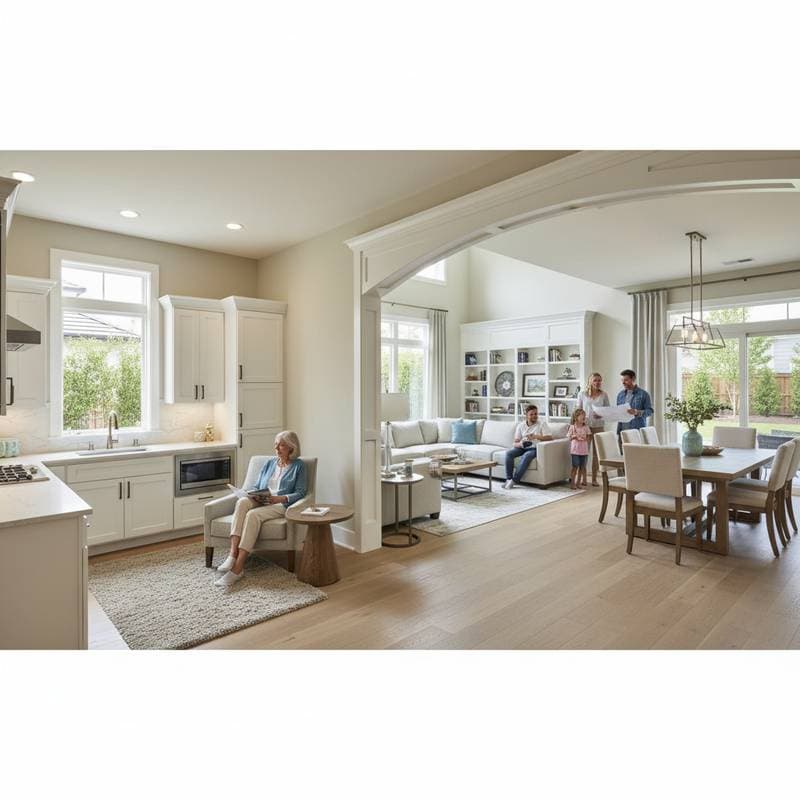
A multigenerational home conversion adapts a single-family residence into a versatile space that accommodates parents, adult children, and grandparents under one roof, while preserving individual privacy. Professional conversions range from $65,000 to $230,000, and most homeowners invest approximately $142,000 for a complete project that incorporates a secondary suite, accessibility modifications, and enhancements to shared areas.
Three primary factors determine the total expense: square footage, material quality, and layout complexity. Regional labor rates and permitting regulations further influence pricing. Data from industry sources indicate that well-executed accessory dwelling units (ADUs) can raise property value by 20 to 35 percent, positioning this renovation as a strong option for long-term residential investment.
Such conversions optimize space usage, reduce ongoing housing expenses, and foster family connections. Options include adding a granny flat, completing a basement apartment, or reorganizing common spaces. A clear grasp of pricing enables informed planning and helps prevent budget excesses.
Detailed Cost Breakdown
Conversion expenses vary based on the area involved, material selections, and structural adjustments. Contractors often quote projects per square foot or provide a fixed estimate following an initial design assessment.
National averages include:
- Low-end conversions: $65,000 to $95,000
- Mid-range projects: $120,000 to $160,000
- High-end or full ADU conversions: $190,000 to $230,000
Contractors usually apply a minimum fee of $3,000 to $5,000 for initial design consultations and permitting assistance prior to construction.
At the 25th percentile, basic remodels with limited plumbing or electrical work average $85,000. The 50th percentile covers moderately involved projects featuring separate entrances, kitchenettes, and accessibility elements, totaling about $142,000. Projects at the 75th percentile, such as luxury conversions or detached ADUs, frequently surpass $200,000.
Size and Scope Factor
Larger areas command higher costs. Projects generally run $250 to $400 per square foot, contingent on the degree of modification. For instance, converting a 500-square-foot basement into a private suite might total $120,000, whereas reworking a 900-square-foot garage into a complete ADU could approach $210,000.
Each additional 100 square feet typically increases expenses by $25,000 to $35,000, accounting for extra materials, insulation, and finishes. Industry reports highlight that incorporating a dedicated kitchen and bathroom drives up costs significantly due to plumbing and ventilation needs.
Material and Quality Tiers
Choices in materials affect both immediate expenses and durability.
Entry-level options, such as vinyl flooring, laminate counters, and standard fixtures, equate to about $250 per square foot. These selections endure 10 to 15 years and suit temporary or rental scenarios.
Mid-range materials from brands like Mohawk, Delta, and GE increase the budget by roughly 20 percent, enhancing longevity and aesthetics for family-oriented spaces. This level averages $320 per square foot.
Premium features, including custom cabinetry, quartz surfaces, and soundproofing, elevate costs to $400 per square foot or higher. Brands such as Kohler and Bosch provide extended warranties of up to ten years in these setups.
Complexity and Layout Variables
Complexity encompasses structural alterations and adherence to building codes. Projects requiring new plumbing, electrical systems, or foundation work incur additional charges.
Accessibility modifications, like ramps, widened doorways, and roll-in showers, add $8,000 to $25,000. Properties with outdated insulation or wiring face a 15 to 25 percent surcharge for updates.
Permitting and compliance fees average $4,000 to $8,500 across municipalities. In urban centers such as San Francisco or New York, expenses rise 30 to 40 percent over rural areas because of elevated labor and processing times.
Online forums reveal diverse outcomes based on local contractor availability and project specifics.
Service Types and Comprehensive Pricing
Basic or Standard Conversion Package
This package emphasizes rendering an existing space habitable with minimal disruption. It includes framing and drywall revisions, electrical and plumbing integrations, flooring, painting, trim work, and additions like a compact kitchenette and small bathroom.
Completion requires 8 to 12 weeks, with costs from $65,000 to $110,000. Such projects suit families integrating an aging relative or returning adult child into the primary residence while ensuring seclusion.
Premium or Comprehensive Conversion Package
Premium options involve full ADU builds or thorough space reconfigurations. Elements may comprise independent entrances, soundproofing, complete kitchens and laundries, structural supports, zoned HVAC, and universal accessibility.
These range from $160,000 to $230,000, approximately 35 percent above standard packages. Over ten years, returns can achieve 25 percent via rental potential or value growth.
Add-On Services Matrix
| Add-On Service | Typical Cost | Savings When Bundled | Value Benefit |
|---|---|---|---|
| Accessibility upgrades | $10,000 - $25,000 | 10% | Enhances universal design |
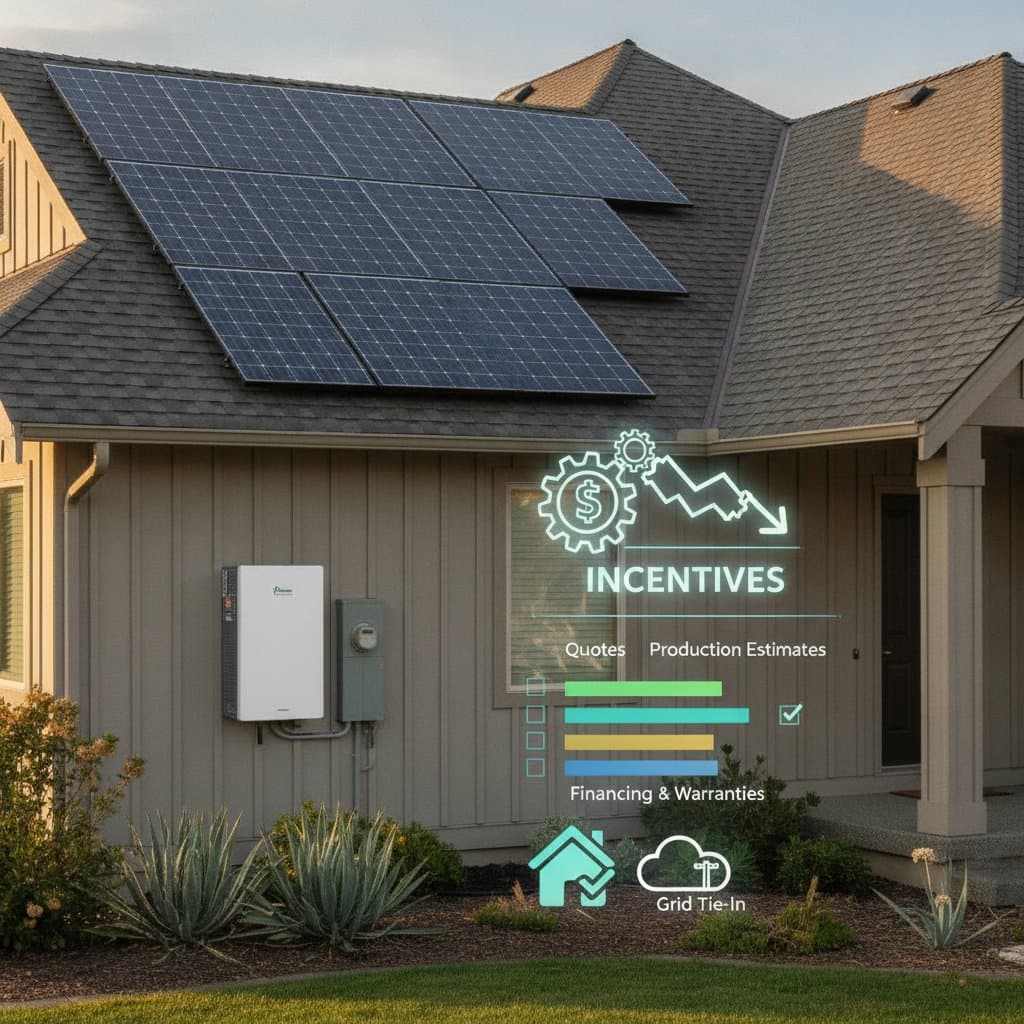
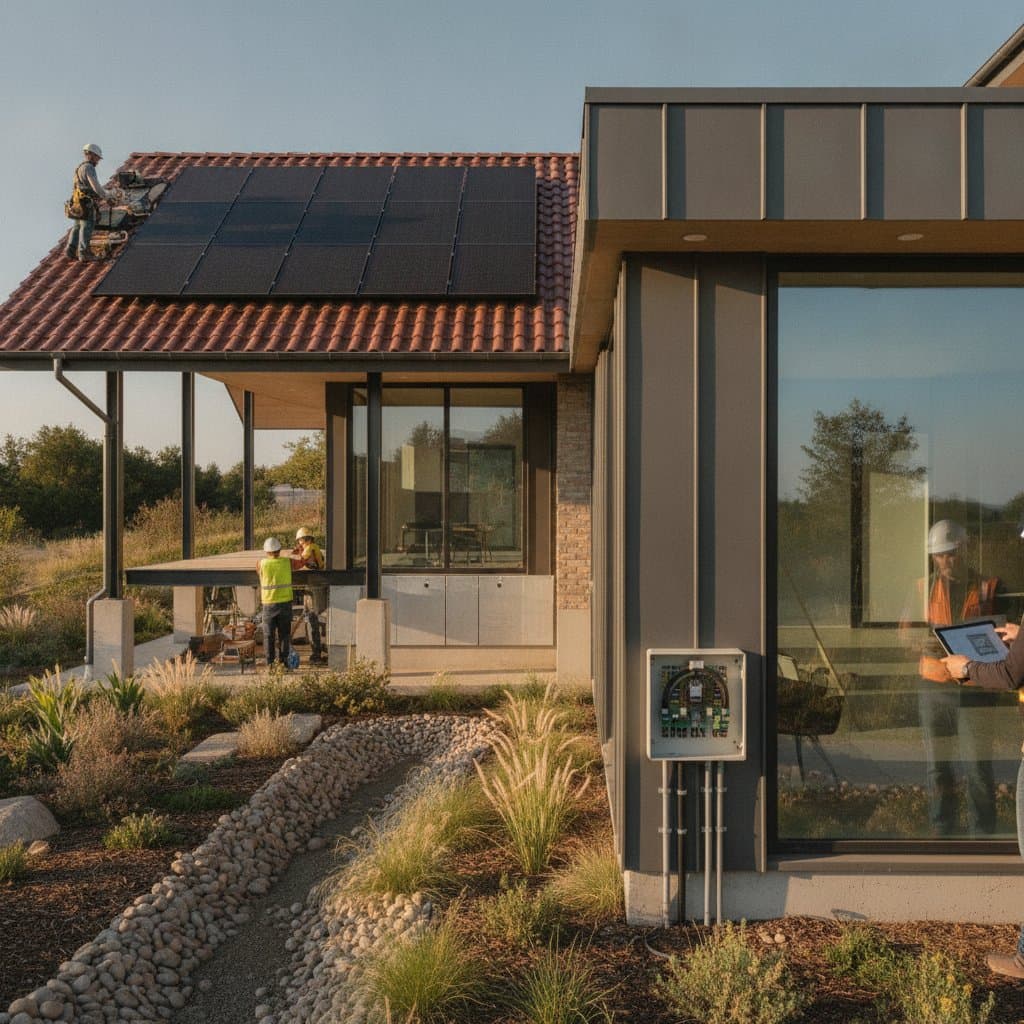
| Solar or energy-efficient systems | $8,000 - $18,000 | 12% | Reduces long-term utility costs |
| Landscaping and privacy fencing | $4,000 - $10,000 | 8% | Improves property resale |
| Smart home integrations | $2,500 - $7,000 | 5% | Boosts convenience and monitoring |
Integrating related services during the main build yields 8 to 15 percent savings over separate implementations. Specialized directories connect homeowners with experts in multigenerational and ADU projects for competitive bidding.
Professional vs. DIY Conversion Analysis
DIY Cost Breakdown
DIY approaches attract skilled homeowners, though challenges persist. For a 500-square-foot project, materials break down as follows:
- Lumber and drywall: $6,500 to $9,000
- Plumbing and electrical kits: $4,000 to $6,500
- Fixtures and appliances: $3,000 to $6,000
- Paint, flooring, and finishes: $3,000 to $5,000
Tool rentals add $2,000 to $4,000, and permits contribute $3,000. Overall, DIY totals $25,000 to $40,000, excluding labor efforts.
Participants invest 350 to 500 hours, and valuing time at $30 per hour elevates the effective cost to $35,000 to $55,000. Errors, setbacks, or inspection failures frequently diminish anticipated economies.
Professional Advantages and Decision Framework
Certified professionals deliver superior quality and speed. They utilize equipment worth $15,000 to $25,000, plus insurance and warranties equivalent to 5 to 10 percent of the project value.
Teams finish work in one-third the DIY duration and secure higher approval rates. Although initial outlays exceed DIY, the assurance and endurance validate the choice.
Opt for professionals on projects with structural elements, regulatory demands, or system integrations. Reserve DIY for superficial tasks like painting or non-load-bearing finishes.
Actionable Cost-Saving Strategies
Strategic planning trims expenses by 10 to 20 percent.
Timing Optimization
Contractors provide 5 to 10 percent reductions in off-peak seasons. Opting for weekday or mid-month commencements avoids premium labor fees.
Smart Shopping Tactics
Obtain three detailed bids from licensed experts to potentially save 15 percent. Structure payments around milestones and inspections, and seek supplier incentives for volume or prompt payments. Direct purchases from outlets can further cut costs by 5 percent.
Preparation Actions
Manage demolition, deliveries, and preliminary designs independently to shave $2,000 to $6,000 from labor. Employ project apps for ongoing contractor dialogue to avert costly miscommunications.
Market Dynamics and Considerations
Geographic Variations
Metropolitan zones impose 25 to 40 percent premiums from labor and fees. High-cost cities include Los Angeles, Seattle, and Boston. Suburban and rural settings present lower rates but limited expert pools.
Market Timing and Supply Chain Factors
Material prices shift with global supplies. Lumber and wiring components prove volatile. Annual inflation adds 3 to 6 percent to renovation estimates.
Value Indicators
Expert conversions boost appraisals by 20 to 35 percent. Efficient materials and unified utilities lower maintenance by 10 to 15 percent, optimizing ownership economics.
Strategies to Maximize Investment Returns
Prioritize energy-efficient features and modular designs for adaptability as family needs evolve. Consult local appraisers early to align upgrades with market preferences, ensuring sustained value growth. Regular maintenance preserves the investment, supporting multigenerational harmony and financial benefits for years ahead.