Introduction to Flood-Proofing Essentials
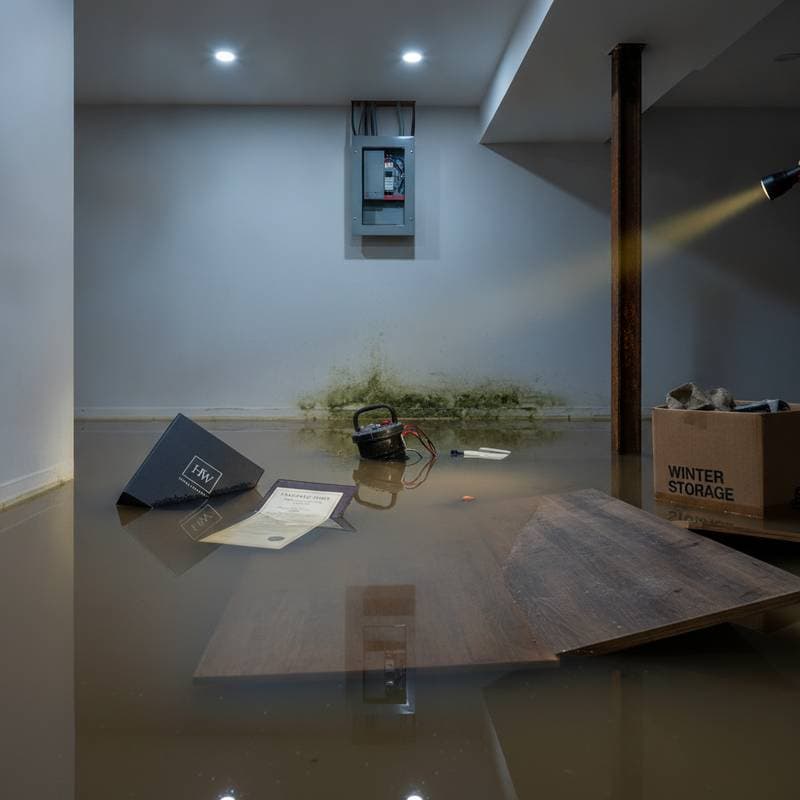
Flooding poses a significant threat to homes in vulnerable areas, leading to costly repairs and displacement. Effective flood-proofing involves a range of strategies designed to prevent water intrusion and minimize damage. By selecting the right approaches based on your specific circumstances, you can protect your investment while complying with local regulations.
This guide outlines proven methods, their associated costs, and practical implementation steps. Costs typically range from $800 for simple enhancements to $45,000 for major structural changes. Understanding these options empowers you to make informed decisions that balance effectiveness, budget, and long-term resilience.
Difficulty Level: Moderate to advanced, depending on the chosen method.
Key Risks: Faulty sealing that allows water seepage, drainage systems that clog and fail during storms, and electrical modifications that pose safety hazards if not performed correctly.
Assessing Your Flood Risk: Key Decisions to Make First
A thorough evaluation forms the foundation of any successful flood-proofing project. Begin by identifying the primary sources of potential water entry. Surface runoff from heavy rains often affects low-lying yards, while groundwater rises in areas with high water tables.
Nearby rivers or streams contribute to overflow risks during seasonal floods, and sewer backups occur in urban settings with overwhelmed infrastructure. Measure the anticipated water depth for your location; shallow flooding of a few inches demands different interventions than deep inundation reaching several feet.
Consider your home's foundation type, as it dictates feasible strategies. Slab-on-grade foundations suit surface-level protections, basements require interior waterproofing, and crawlspaces benefit from perimeter barriers. Evaluate your budget alongside tolerance for disruption; minor adjustments like regrading take days, whereas excavation for drainage demands weeks.
Secure local permits early, as structural alterations and plumbing modifications usually require inspections. If you plan future remodels or sales, prioritize versatile upgrades that enhance overall property value without limiting design flexibility.
Factors Influencing Flood-Proofing Costs
Project expenses vary based on site-specific conditions and scope. Access to the foundation plays a critical role; easy reach in open yards keeps labor low, but tight spaces or obstacles increase time and machinery needs. Soil type further impacts pricing: sandy soils drain naturally and simplify work, while clay or rocky ground resists excavation and raises costs by 20 to 30 percent.
Examine existing drainage infrastructure for inefficiencies. Clogged or undersized gutters and downspouts necessitate full replacements, adding $500 to $2,000. Utility relocations, such as moving HVAC units or electrical panels above flood levels, can escalate totals by $5,000 or more due to specialized labor.
Your property's flood zone classification enforces stricter standards. Homes in high-risk zones often mandate elevated construction or resilient materials, potentially doubling baseline costs. Material selections also affect budgets: basic epoxy sealants cost under $100 per gallon, premium composite barriers exceed $200 per square foot, and corrosion-resistant hardware adds incremental expenses.
Always allocate a 10 to 20 percent contingency fund. Hidden issues, like undetected foundation cracks or unexpected water pathways, frequently arise during implementation and require immediate resolution.
Proven Flood-Proofing Methods and Their Costs
Select methods that align with your risk profile and resources. Start with foundational protections before advancing to advanced solutions.
Sealing and Waterproofing the Foundation
Apply sealants to block water at entry points. Exterior coatings, such as bituminous membranes or crystalline waterproofing, cover foundation walls and prevent moisture absorption. These treatments cost $800 to $3,000 for a typical single-story home, covering 500 to 1,000 square feet.
Interior options include epoxy injections for cracks, which seal gaps up to 1/8 inch wide under hydraulic pressure. Professionals handle this for $1,500 to $4,000, ensuring durability against hydrostatic pressure. Expect installation in 1 to 3 days, with full curing in a week.
Enhancing Drainage Systems
Redirect water away from your home to reduce pooling. Install French drains around the perimeter, consisting of perforated pipes buried in gravel trenches. This setup, priced at $2,000 to $6,000, channels subsurface water to safe outlets and prevents foundation saturation.
Surface grading and swales direct runoff efficiently. Regrading a 1,000-square-foot yard costs $500 to $1,500, sloping soil at a 2 percent grade away from walls. Add downspout extensions with splash blocks for $100 to $300, extending pipes 5 to 10 feet from the base.
Sump pumps provide active removal for basements. Battery-backed pedestal models, installed for $1,000 to $2,500, activate automatically and discharge water through dedicated lines. Choose units with 1/3 horsepower for moderate flows, ensuring reliable operation during power outages.
Installing Barriers and Valves
Physical barriers offer immediate defense. Flood vents in crawlspace walls allow water passage to equalize pressure, costing $150 to $500 per unit. Install four to six vents for balanced coverage, certified to FEMA standards.
Backflow preventer valves on sewer lines stop reverse flow, priced at $800 to $2,000 including plumbing integration. These check valves close under pressure differentials, protecting against municipal backups. Professional certification ensures compliance with plumbing codes.
Sandbag alternatives, like portable flood panels, provide temporary shielding for doors and garages at $200 to $1,000 per set. Opt for interlocking polymer designs that stack securely up to 4 feet high.
Elevating Structures for High-Risk Areas
For severe threats, raise critical components above base flood levels. Dry flood-proofing seals the entire envelope, suitable for slab homes up to 3 feet of water, at $10,000 to $25,000. This includes reinforced walls, sealed openings, and utility protections.
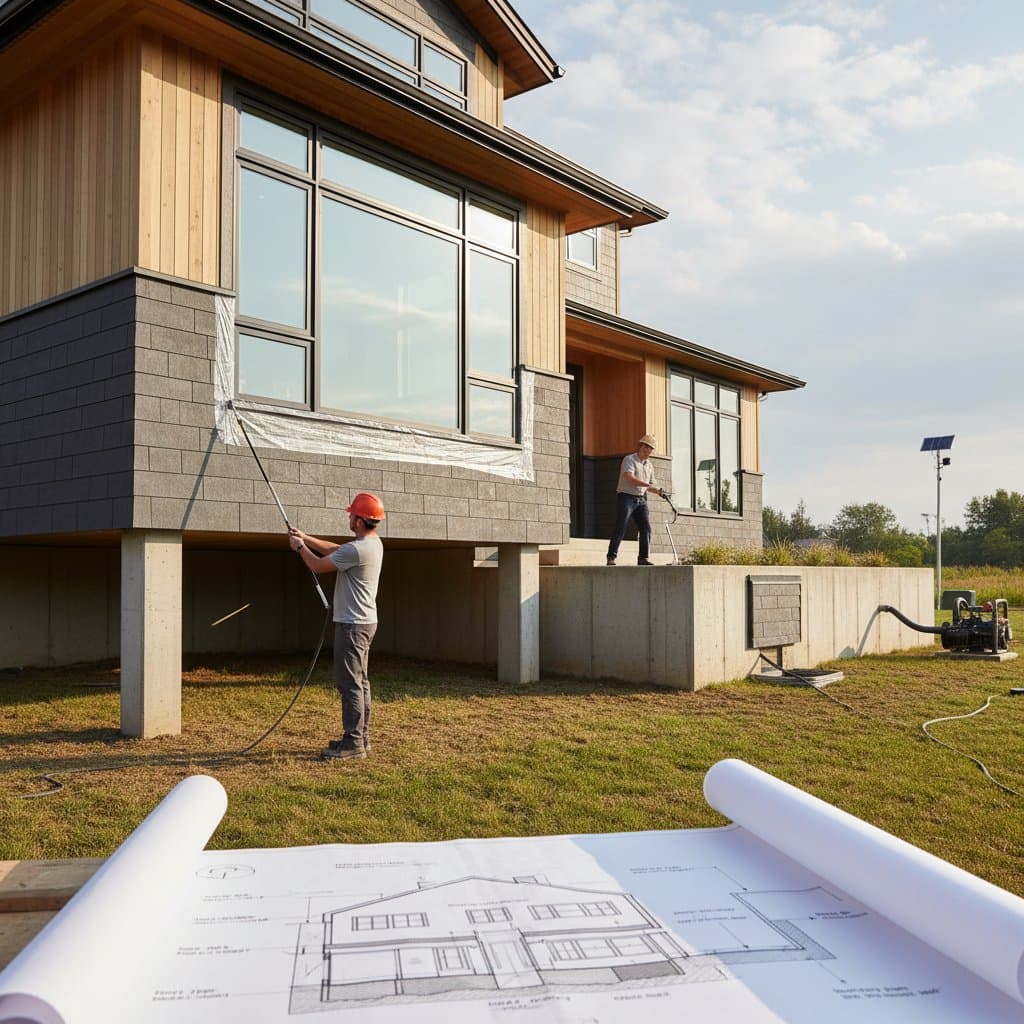
Full home elevation lifts the structure on pilings or walls, ranging from $20,000 to $45,000 depending on size and height. Engineering assessments determine pier placements, with hydraulic jacks raising the home 2 to 8 feet. This method suits coastal or riverine zones, often qualifying for insurance discounts.
Wet flood-proofing allows controlled water entry in basements, using moisture-resistant materials like sealed concrete blocks. Costs run $5,000 to $15,000, focusing on electrical safeguards and sump integration rather than total exclusion.
DIY Opportunities Versus Professional Expertise
Certain tasks suit homeowners with moderate skills, saving 30 to 50 percent on labor. Waterproof coatings apply easily with brushes or rollers after surface cleaning. Gather primer, sealant, and protective gear for a weekend project spanning 4 to 8 hours.
Regrade soil using a shovel and tamper, or install downspout extensions with PVC connectors. Basic flood sensors, wired to alarms, cost $50 to $200 and connect via simple battery systems. Follow manufacturer guidelines to avoid warranty voids.
Delegate complex work to licensed specialists. Sump pump setups involve electrical wiring and discharge planning, risking floods or shocks if mishandled. Backflow valves require pipe cutting and testing, while foundation injections demand pressure equipment and void-filling compounds.
Structural elevations necessitate engineers for load calculations and permits. Verify contractor credentials through state boards, request proof of liability insurance, and obtain multiple bids for competitive pricing.
Long-Term Maintenance for Sustained Protection
Regular upkeep extends the lifespan of flood-proofing investments. Schedule annual inspections post-rainy seasons to identify wear. Test sump pumps monthly by pouring water into the basin, confirming activation within 10 seconds.
Clean intake screens and replace check valves every 3 to 5 years. Flush drainage lines with a hose, removing sediment that could impede flow. Reapply sealants where erosion appears, using compatible products to maintain bonds.
Ensure vents operate without sticking and clear yard debris after storms. Monitor grading for settling, which might create new pooling spots. With diligent care, coatings endure 5 to 10 years, drains function for 15 years, and pumps operate reliably for 10 to 20 years.
Common Questions About Flood-Proofing
Does flood-proofing enhance home value? Absolutely, as it demonstrates proactive risk management. In flood-prone regions, these features attract buyers seeking lower insurance premiums and reduced vulnerability, potentially increasing market value by 5 to 10 percent.
Are sandbags sufficient for protection? Sandbags serve as an emergency measure for brief events, absorbing shallow flows. However, they demand significant labor and storage, proving less effective than permanent installations like barriers or improved grading for ongoing defense.
How soon do results appear after installation? Most methods provide immediate benefits, such as sealed cracks halting leaks during the next rain. Full systems, including drainage, stabilize over 1 to 2 months as soil settles, with elevations offering instant height advantages.
What insurance benefits come from these upgrades? Many policies offer premium reductions of 10 to 25 percent for documented flood-proofing. Elevation in particular may qualify for federal grants or lower rates through the National Flood Insurance Program.
Implementing Your Flood-Proofing Plan
Approach flood-proofing systematically to maximize impact with minimal stress. Conduct a professional risk assessment using elevation certificates or local flood maps to pinpoint vulnerabilities. Address immediate priorities like grading and downspout extensions, which yield quick wins at low cost.
Progress to mechanical additions, such as sump pumps and valves, for layered defense. In elevated-risk settings, consult engineers for elevation feasibility, aligning with codes to secure rebates. These investments not only avert disaster but also foster peace of mind, preserving your home's integrity and equity for years ahead.