Enhance Indoor Air Quality: Removing Allergens and Balancing Humidity with IAQ Systems
Key Overview
Definition: Indoor air quality (IAQ) systems represent advanced upgrades designed to purify the air inside residences by capturing dust particles, allergens, and various pollutants.
Importance: Superior indoor air promotes overall health, increases daily comfort, and extends the operational life of heating, ventilation, and air conditioning (HVAC) equipment.
Investment Range: Expect expenses from $300 to $3,000, influenced by the selected system components and extent of warranty protection.
Professional Involvement: Engage certified technicians for setups involving integration with ductwork or electrical modifications.
Installation Duration: Most comprehensive whole-home configurations require one to two days to complete.
Upkeep Frequency: Perform filter cleaning or replacement every one to three months to sustain effectiveness.
Understanding IAQ System Components and Operations
IAQ systems integrate multiple elements to address common indoor air challenges. Air filters serve as the primary defense, capturing larger particles such as dust, pet dander, and pollen that circulate through living spaces. These filters, often rated by Minimum Efficiency Reporting Value (MERV), determine the size of particles they can trap, with higher ratings offering greater protection against finer contaminants.
Ultraviolet (UV) lights provide a sanitizing function by emitting wavelengths that neutralize bacteria, viruses, and mold growth on HVAC coils and surrounding surfaces. This technology proves particularly effective in humid climates where microbial proliferation poses a risk. Air purifiers, equipped with activated carbon or High-Efficiency Particulate Air (HEPA) filters, target volatile organic compounds (VOCs), odors from cooking or cleaning products, and ultrafine particles invisible to the naked eye.
Humidity control devices, including humidifiers and dehumidifiers, maintain optimal moisture levels between 30 and 50 percent relative humidity. Excess humidity fosters mold and dust mite growth, while insufficient levels lead to dry skin and respiratory irritation. Ventilators enhance air exchange by introducing filtered outdoor air and expelling indoor pollutants, preventing the buildup of carbon dioxide and other gases.
These components typically integrate with central HVAC systems for whole-home coverage, though portable units suit smaller areas or temporary needs. The synergy of these parts results in air that feels fresher, reduces allergy symptoms, and supports energy-efficient climate control.
Guide to Implementing IAQ Upgrades
Begin the process by assessing existing air conditions. Affordable portable monitors measure particulate matter, humidity, and volatile compounds, providing baseline data. For precise evaluation, consult an HVAC professional who uses advanced tools to detect hidden issues like radon or asbestos fibers.
Next, choose components aligned with specific household requirements. Families with allergy sufferers benefit from HEPA filtration and UV sanitization, while homes in variable climates prioritize humidity regulators. Consider energy ratings and smart controls that allow remote monitoring via applications.
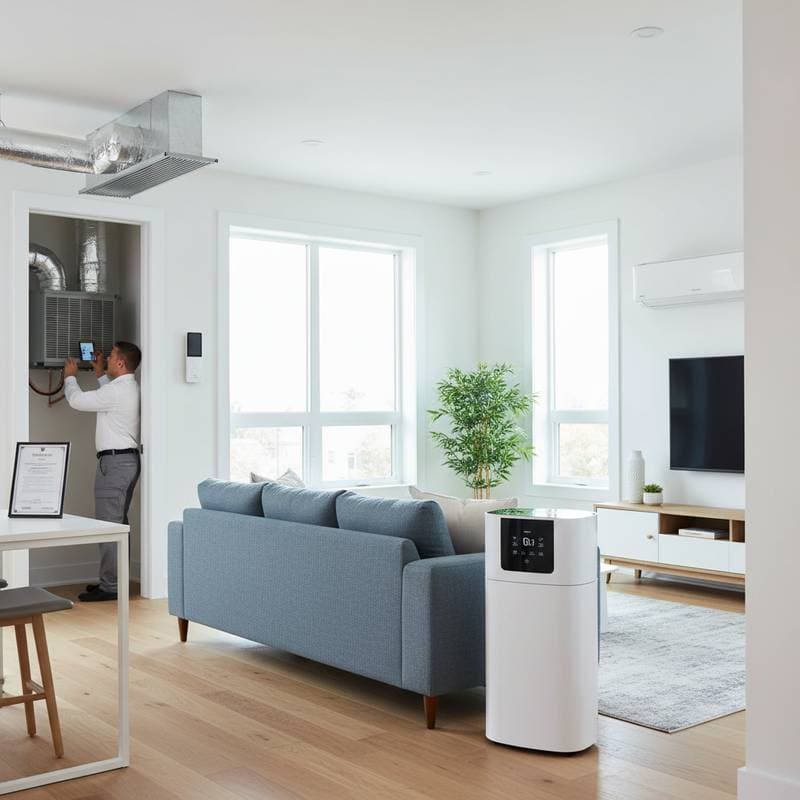
Proceed with installation, ensuring compatibility with current HVAC infrastructure. Whole-home systems connect to return air ducts, distributing treated air evenly. Standalone purifiers require minimal setup, often just plugging into an outlet, but professional oversight guarantees optimal placement for maximum airflow.
Establish a routine maintenance plan immediately after setup. Schedule filter changes based on usage and environmental factors; high-pollen seasons may necessitate monthly replacements. UV bulbs demand annual inspection, and humidifiers require periodic descaling to prevent mineral buildup.
Finally, monitor outcomes to validate improvements. Retest air quality after three months, tracking reductions in allergen levels and humidity fluctuations. Adjust settings as needed to refine performance and ensure long-term satisfaction.
Breaking Down Expenses and Influencing Variables
| Line Item | Typical Range | Notes and Variables |
|---|---|---|
| Portable air purifier | $300 - $700 | Suitable for single or dual-room coverage; higher-end models include smart sensors. |
| Whole-home filter | $600 - $1,200 | Integrates with existing ducts; MERV rating affects price and airflow resistance. |
| UV light system | $700 - $1,500 | Involves electrical wiring; effectiveness tied to bulb intensity and placement. |
| Dehumidifier or humidifier | $900 - $3,000 | Capacity for square footage determines cost; advanced models feature auto-adjust. |
| Annual maintenance | $100 - $300 | Covers filter and bulb replacements; professional service plans reduce long-term costs. |
Final pricing incorporates local labor costs, which vary by region, and brand quality. Premium manufacturers offer extended warranties that offset initial outlays through durability and performance guarantees.
Weighing DIY Options Against Professional Services
| Factor | DIY Approach | Professional Approach |
|---|---|---|
| Required Expertise | Moderate; suitable for basic setups | Advanced; handles complex integrations |
| Safety Concerns | Low for plug-in devices | Moderate for electrical or duct work |
| Necessary Tools | Basic hand tools and ladders | Specialized HVAC equipment and gauges |
| Regulatory Needs | Generally none for portables | Permits often required for modifications |
| Time Commitment | Approximately 1 hour per unit | 1 to 2 days for full system deployment |
| Warranty Effects | May void coverage without certification | Ensures complete manufacturer support |
Individuals comfortable with simple assemblies can manage portable purifiers independently. However, whole-home installations demand licensed HVAC contractors to comply with building codes and preserve warranty validity.
Essential Safety and Compliance Considerations
Prior to any work near HVAC components, disconnect power sources to avoid electrical hazards. UV lamps emit intense light capable of causing eye damage or skin burns, necessitating protective gear during handling or replacement. Adhere to manufacturer guidelines for safe operation, including proper ventilation during installation.
Local building codes govern electrical modifications, duct alterations, and drainage for humidity devices. In many areas, permits ensure installations meet safety standards. Warranties frequently stipulate professional involvement, underscoring the value of certified expertise to mitigate risks and uphold coverage.
Sustaining Performance Through Maintenance and Longevity
Regular upkeep forms the cornerstone of IAQ system reliability. Filters accumulate debris quickly in high-traffic homes, requiring replacement every one to three months to prevent reduced airflow and strain on the HVAC unit. Document each service with dates and details to streamline warranty claims.
UV bulbs maintain efficacy for up to one year before diminishing output; timely swaps preserve antimicrobial benefits. Whole purifiers and humidity controls endure five to ten years under consistent care, including annual professional inspections to address wear on motors or sensors.
Proactive maintenance not only extends equipment life but also sustains health advantages. Clean air reduces respiratory issues, enhances sleep quality, and minimizes cleaning demands, yielding substantial returns on the initial investment.
Accounting for Regional Influences
Geographic location shapes IAQ needs and strategies. In arid regions like the Southwest, humidifiers combat dry air that exacerbates allergies and wood shrinkage in homes. Coastal or tropical areas, such as the Southeast, demand robust dehumidifiers to counter high moisture promoting mold proliferation.
Urban environments with elevated pollution levels benefit from enhanced filtration and ventilation to block external contaminants. Rural settings may focus on allergen control for pollen-heavy seasons. Local climate data, available through weather services, guides component selection, while regional contractors provide insights into prevalent issues and code variations.
Securing Lasting Benefits from Your IAQ Investment
Investing in IAQ upgrades delivers enduring rewards beyond immediate comfort. Families experience fewer allergy flare-ups, improved focus in work-from-home spaces, and lower energy bills from efficient HVAC operation. Warranties safeguard against defects, often covering parts and labor for several years.
Regular evaluations ensure systems adapt to changing needs, such as adding family members or relocating. By prioritizing quality installation and diligent care, homeowners cultivate an environment that nurtures well-being year after year. This commitment to clean air translates to tangible enhancements in daily life and property value.